Understanding Bearings: A Comprehensive Guide
Bearings are essential components in countless machines, reducing friction between moving parts and enabling smooth, efficient operation. From simple household appliances to complex industrial equipment, bearings play a critical role. This article will delve into the world of bearings, covering their types, applications, maintenance, and how to choose the right bearing for your needs. We will also explore the quality offerings available from Yidi Bearings, a leading supplier in the industry. Understanding bearings is key to optimizing performance and preventing costly downtime.
Types of Bearings: A Detailed Overview
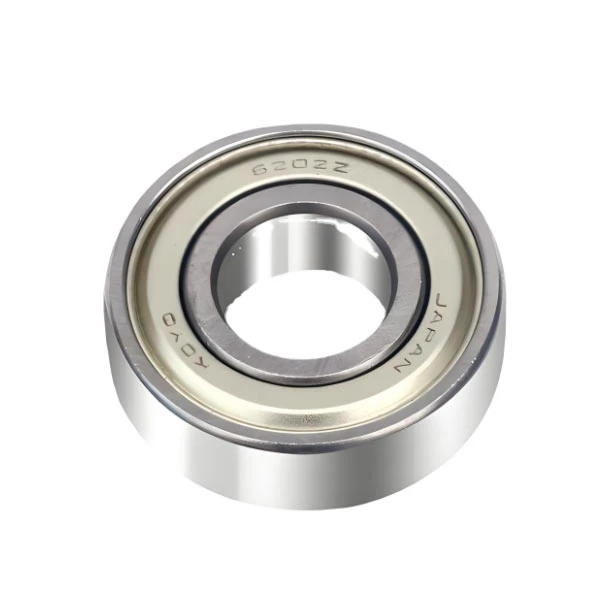
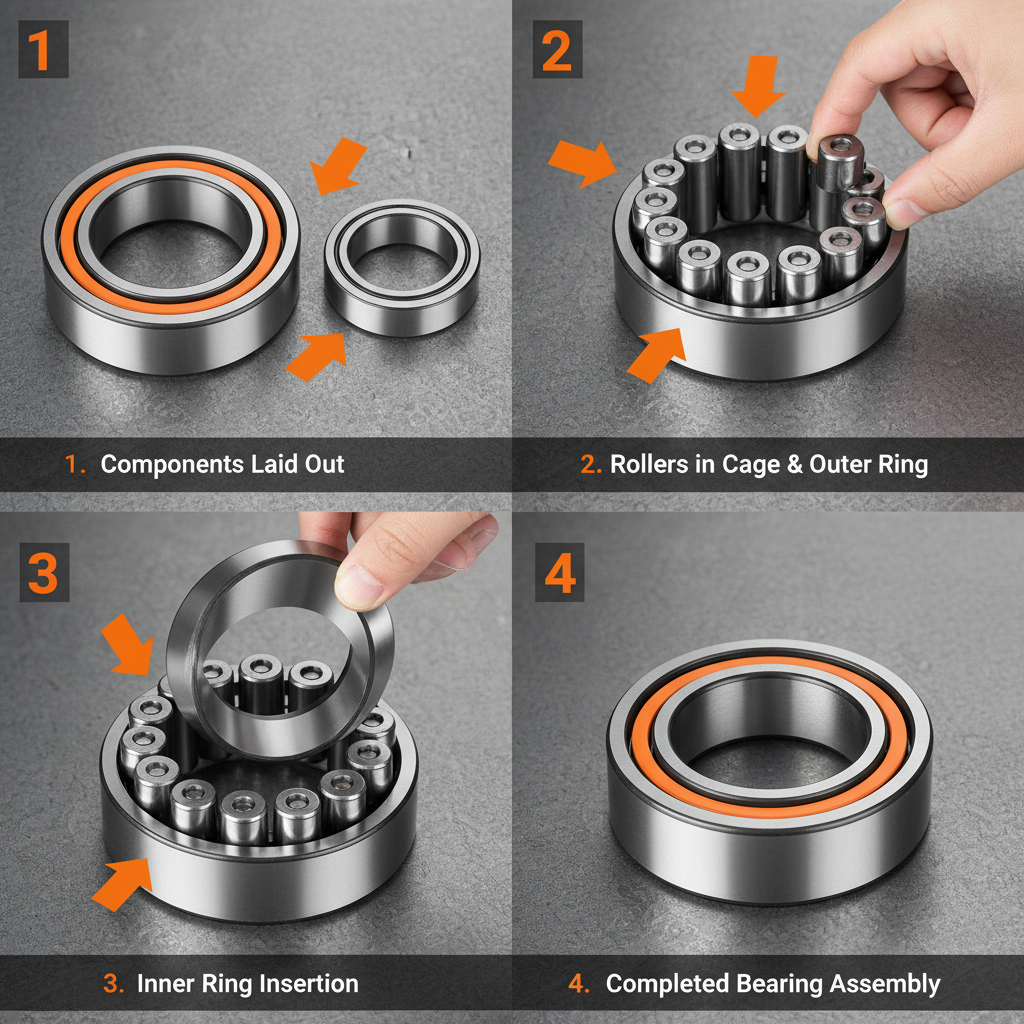
Bearings come in various types, each designed for specific applications and load conditions. The most common types include ball bearings, roller bearings (cylindrical, needle, spherical, and tapered), and plain bearings. Ball bearings are excellent for high-speed applications with lighter loads, while roller bearings can handle heavier loads. Plain bearings, lacking rolling elements, are suitable for low-speed, high-load scenarios. Selecting the correct bearing type is crucial for maximizing performance and longevity. Yidi Bearings offers a comprehensive range of bearing types to suit diverse needs.
Key Highlights: Different bearing types offer unique advantages in terms of load capacity, speed, and application suitability. Understanding these differences is paramount for optimal selection.
Choosing the Right Bearing for Your Application
Selecting the correct bearing involves considering several factors. These include the load type (radial, axial, or combined), operating speed, temperature, environment (corrosive or clean), and required precision. For example, high-speed applications often benefit from ball bearings with ceramic balls. Harsh environments might necessitate stainless steel bearings. Yidi Bearings provides expert guidance to help you choose the optimal bearing for your specific application, ensuring optimal performance and reliability.
Bearing Selection Considerations:
• Load type (radial, axial, combined)
• Operating speed
• Operating temperature
• Environmental conditions
• Required precision
Bearing Materials: Impact on Performance
The material a bearing is constructed from greatly influences its performance and lifespan. Common materials include steel (most widely used), stainless steel (for corrosion resistance), ceramic (for high speeds and temperatures), and polymers (for low-load, quiet operation). The choice of material should align with the application’s specific requirements. For instance, bearings operating in corrosive environments benefit significantly from stainless steel construction. Yidi Bearings offers bearings crafted from a diverse range of materials to meet varied industrial needs.
Bearing Maintenance: Extending Bearing Life
Proper maintenance is vital for maximizing the lifespan and reliability of bearings. Regular lubrication is paramount, reducing friction and preventing wear. Monitoring bearing temperature and vibration can detect potential issues early on. Proper sealing and protection from contaminants are also essential. Implementing a preventative maintenance schedule can significantly reduce the risk of unexpected failures. Yidi Bearings can provide guidance on optimal maintenance practices for your specific bearing applications.
Yidi Bearings: Your Trusted Bearing Partner
At Yidi Bearings, we are committed to providing high-quality bearings and exceptional customer service. We offer a comprehensive range of bearings to suit diverse industrial applications. Our experienced team provides expert guidance to help you select the optimal bearing for your needs and offers ongoing support to ensure your success. We pride ourselves on delivering reliable products and building long-term partnerships with our clients.
Conclusion: Ensuring Optimal Performance with Quality Bearings
Choosing the right bearing is crucial for the efficient and reliable operation of any machinery. Understanding the different types, materials, and maintenance requirements is essential for maximizing performance and minimizing downtime. Yidi Bearings is your trusted partner for all your bearing needs, offering high-quality products and expert support.
Frequently Asked Questions (FAQs)
What is the most common cause of bearing failure?
The most common cause of bearing failure is inadequate lubrication. Without proper lubrication, friction increases, leading to heat buildup, wear, and ultimately, failure. Other common causes include contamination (dirt, debris), improper installation, overloading, and misalignment. Regular lubrication schedules and proper sealing are essential to prevent these failures. Selecting the right lubricant for the specific application and bearing type is also critical. Yidi Bearings offers lubricants designed to extend bearing life and minimize downtime.
How do I determine the correct bearing size?
Determining the correct bearing size requires considering several factors, including shaft diameter, housing dimensions, load requirements, and operating speed. It's crucial to consult bearing catalogs and technical specifications to select a bearing that meets these requirements. If you're unsure, it’s best to consult with a bearing specialist. Yidi Bearings offers expert assistance to help you determine the correct bearing size for your application, ensuring optimal fit and performance.
What are the benefits of using ceramic bearings?
Ceramic bearings offer several benefits over traditional steel bearings, including higher speed capabilities, lower friction, better temperature resistance, and corrosion resistance. They are ideal for applications where high performance and reliability are critical, such as high-speed machinery, aerospace, and medical equipment. However, they are generally more expensive and can be more brittle than steel bearings.
How often should I relubricate my bearings?
The frequency of relubrication depends on several factors, including bearing type, operating conditions, load, and speed. Generally, bearings should be relubricated every 3-6 months or after a specific number of operating hours, as recommended by the bearing manufacturer. Regularly checking the lubricant's condition can help determine when relubrication is necessary. Yidi Bearings can provide specific recommendations for relubrication schedules based on your application.