Look, I've spent the last fifteen years knee-deep in concrete, dust, and the real-world problems of getting things built. And let me tell you, nothing grinds a project to a halt faster than a bearing failure. It's not glamorous, but ball bearings are the unsung heroes of pretty much every machine you’ll find on a construction site – from the drills and grinders to the conveyor belts and even the tower cranes. These little components keep everything spinning, moving, and functioning. Without reliable ball bearings, projects get delayed, costs balloon, and frankly, people get frustrated.
You wouldn’t think something so small could have such a massive impact, but I've seen firsthand how a bad batch of bearings can bring a multi-million dollar project to its knees. It’s about more than just replacing a part; it’s about downtime, lost productivity, and the ripple effect that has on every stage of construction. We’re talking about schedule impacts, potential safety hazards, and the constant headache of trying to source replacements quickly. That’s why understanding ball bearings - their types, their limitations, and how to properly maintain them - is critical for anyone involved in construction or manufacturing.
And it’s not just construction. Think about the infrastructure that supports construction - the trucks delivering materials, the generators powering the sites, the pumps moving water and slurry. They all rely on ball bearings. This isn’t some theoretical engineering concept; it's the practical reality of getting things done. From the smallest power tool to the largest industrial machine, these things are everywhere, silently enabling progress.
The Fundamental Role of ball bearings
Let’s start with the basics. Ball bearings are type of rolling-element bearing that uses balls to maintain the separation between the bearing races. This allows for smooth, efficient rotational or linear movement. Without them, you'd have friction grinding everything to a halt. I've seen enough seized-up equipment to know that a few pennies saved on bearings can end up costing thousands in repairs and delays.
From a practical standpoint, they're about minimizing friction and supporting loads. That means reduced wear and tear on machinery, lower energy consumption, and increased operational efficiency. It’s the difference between a machine running smoothly for years and one that needs constant attention and replacement parts.
Core Components and Types of ball bearings
Now, there’s not just one kind of ball bearing. You’ve got deep groove ball bearings – your general workhorses. Angular contact ball bearings, built for handling axial loads. Self-aligning ball bearings, which are forgiving if there's a little misalignment in the system. And then you get into specialized types for high speeds, extreme temperatures, or corrosive environments. Knowing which bearing to use for a specific application is key. You wouldn't use a standard bearing in a high-heat furnace, any more than you'd use a specialized bearing in a simple electric drill.
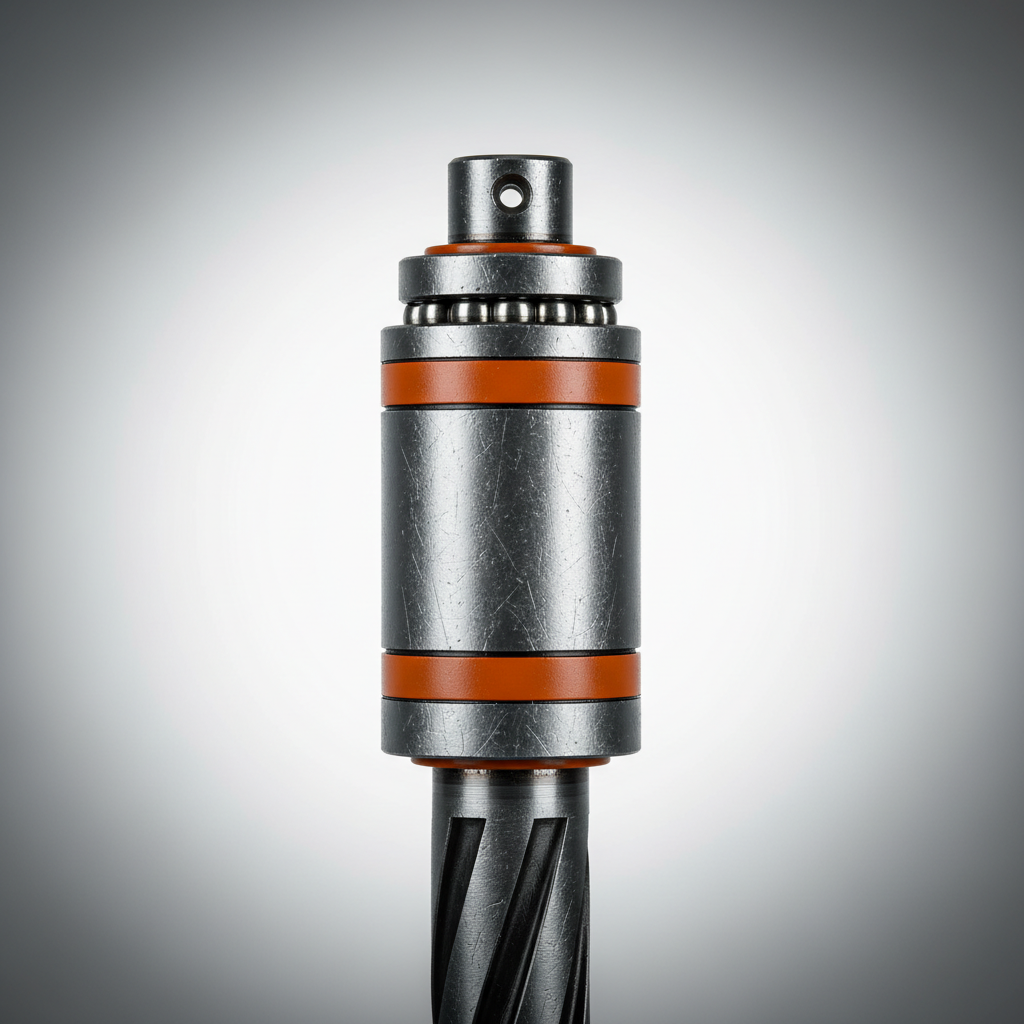
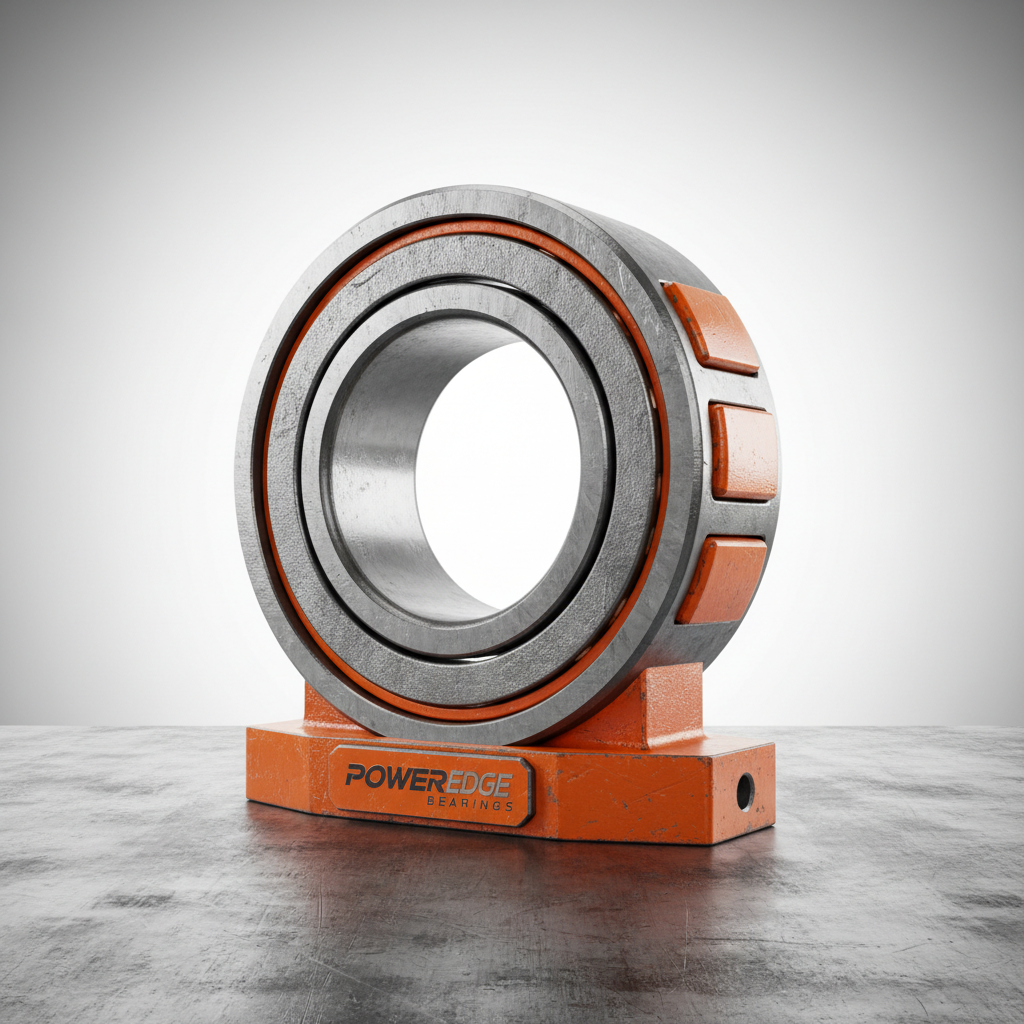
The core components are pretty consistent: the inner and outer races, the balls themselves (often made of high-carbon chrome steel), and a cage or retainer to keep the balls spaced properly. The materials, precision of manufacturing, and lubrication all play huge roles in performance and longevity. Cheap bearings might save you money upfront, but they’ll likely fail sooner and cause bigger headaches down the road.
And don’t forget about seals! A good seal keeps out dirt, debris, and moisture, protecting the bearing surfaces. On a construction site, that’s absolutely critical. Dust and grit are the enemy of any precision instrument.
Durability and Operational Lifespan of ball bearings
Durability isn’t just about the quality of the materials; it’s about the entire operating environment. Load, speed, temperature, lubrication, contamination – all these factors impact how long a bearing will last. I’ve seen bearings fail prematurely because of improper lubrication or because they were overloaded beyond their capacity. A bearing’s rated lifespan is often expressed in hours, but that’s just an estimate based on ideal conditions.
Proper installation is huge. Even the best bearing will fail quickly if it's installed incorrectly. That means ensuring proper alignment, using the correct mounting tools, and applying the right amount of preload. It seems simple, but I've seen it botched more times than I can count. It's not just about shoving a bearing into place – it's about doing it right.
Regular maintenance, like relubrication and inspection, can significantly extend a bearing’s lifespan. A simple visual check can often reveal early signs of wear or damage. Catching a problem early can prevent a catastrophic failure and save a lot of downtime.
Performance Metrics and Quality Control in ball bearings
When I’m spec’ing out bearings for a project, I’m looking beyond just the price tag. I need to know the bearing's dynamic and static load ratings, its limiting speed, and its precision class. These metrics tell me how much weight the bearing can handle, how fast it can spin, and how accurately it’s been manufactured.
Quality control is paramount. Reputable manufacturers have rigorous testing procedures in place to ensure that their bearings meet the required specifications. That includes dimensional checks, hardness testing, and fatigue life testing. I’ve learned to trust the brands that consistently deliver high-quality products and back them up with solid warranties.
ball bearings Performance Comparison
Global Applications of ball bearings Across Industries
Like I said, ball bearings are everywhere. You see them in automotive manufacturing, aerospace, robotics, medical equipment, and of course, all types of heavy machinery. The common thread is the need for smooth, reliable rotation.
In developing countries, reliable bearings are crucial for infrastructure projects, enabling the operation of essential equipment like water pumps and generators. They’re also vital for agricultural machinery, helping to increase food production.
The Economic Impact of Reliable ball bearings
Think about the cost of downtime. A single bearing failure can halt production, delay deliveries, and damage a company’s reputation. Investing in high-quality ball bearings may seem like an extra expense upfront, but it can save a lot of money in the long run by reducing maintenance costs, preventing equipment failures, and extending the lifespan of machinery.
Improved bearing technology also contributes to energy efficiency. By reducing friction, bearings help machines operate more smoothly and consume less power. This translates to lower energy bills and a smaller carbon footprint.
And let’s not forget the safety aspect. Reliable bearings contribute to safer working conditions by preventing equipment malfunctions that could cause accidents or injuries.
Emerging Trends and Future of ball bearings
We're seeing a lot of innovation in bearing materials. Ceramic bearings are becoming more popular for high-speed applications, offering lower friction and higher temperature resistance. Self-lubricating bearings are reducing the need for frequent lubrication, making them ideal for hard-to-reach locations.
Smart bearings, equipped with sensors, are another exciting development. These bearings can monitor their own condition, providing real-time data on temperature, vibration, and load. This allows for predictive maintenance, enabling companies to identify potential problems before they lead to failures.
Additive manufacturing, or 3D printing, is also starting to play a role in bearing production, allowing for the creation of custom bearings with complex geometries.
A Comprehensive Analysis of ball bearings Trends
| Bearing Material |
Application Scenario |
Performance Score (1-10) |
Cost Effectiveness |
| Chrome Steel |
General Industrial Use |
7 |
9 |
| Stainless Steel |
Corrosive Environments |
8 |
7 |
| Ceramic |
High-Speed Applications |
9 |
5 |
| Polymer |
Light Load Applications |
6 |
10 |
| Hybrid (Ceramic Balls, Steel Races) |
High-Speed, High-Load |
8.5 |
6 |
| Specialty Alloys (e.g., Titanium) |
Aerospace, Extreme Conditions |
9.5 |
3 |
FAQS
Sealed bearings have rubber seals on both sides, providing a tighter seal against contaminants. Shielded bearings have metal shields, offering less protection but allowing for higher speeds. The choice depends on the application and the operating environment. Sealed bearings are great for dusty conditions, while shielded bearings are often preferred for high-speed machinery where heat buildup is a concern. Understanding the trade-offs is key.
Proper lubrication is crucial. Use the lubricant recommended by the bearing manufacturer. Too little lubrication leads to wear and overheating. Too much lubrication can create drag and attract contaminants. There are different lubrication methods – grease packing, oil baths, and automated lubrication systems. The best method depends on the application and the operating conditions. Regularly inspect the lubricant and replenish as needed.
Bearing preload refers to the initial load applied to the bearing during installation. Proper preload eliminates play in the bearing and ensures smooth operation. Too little preload can cause noise and vibration. Too much preload can generate excessive heat and reduce bearing life. The correct preload is specified by the bearing manufacturer and must be carefully adjusted during installation.
Common signs of bearing failure include unusual noise (grinding, squealing), excessive vibration, increased temperature, and loss of performance. Visual inspection may reveal signs of wear, corrosion, or damage to the bearing races or balls. If you notice any of these symptoms, it's important to inspect the bearing and replace it if necessary.
Store bearings in a clean, dry environment to prevent corrosion. Keep them in their original packaging if possible. If the bearings are not pre-lubricated, apply a protective coating of grease before storage. Avoid storing bearings near sources of heat, moisture, or magnetic fields. Proper storage can significantly extend their lifespan.
Ceramic bearings offer several advantages, including lower friction, higher temperature resistance, and greater corrosion resistance. However, they are significantly more expensive than steel bearings. Whether they're worth the extra cost depends on the application. If you need a bearing that can withstand extreme conditions or operate at high speeds, ceramic bearings may be a good investment. But for general-purpose applications, steel bearings are often sufficient.
Conclusion
We've covered a lot here, from the basic principles of ball bearings to the latest advancements in materials and technology. The takeaway is this: these seemingly simple components are absolutely critical to the functioning of a vast array of machines and systems. Understanding their characteristics, proper selection, and maintenance is essential for anyone involved in engineering, construction, or manufacturing. They are the unsung heroes that keep the world moving.
Don't underestimate the importance of investing in quality ball bearings. A little extra upfront can save you a lot of headaches – and money – down the road. And remember, staying up-to-date on the latest advancements in bearing technology can give you a competitive edge. For reliable, high-performance ball bearings, visit our website: www.yidibearings.com.