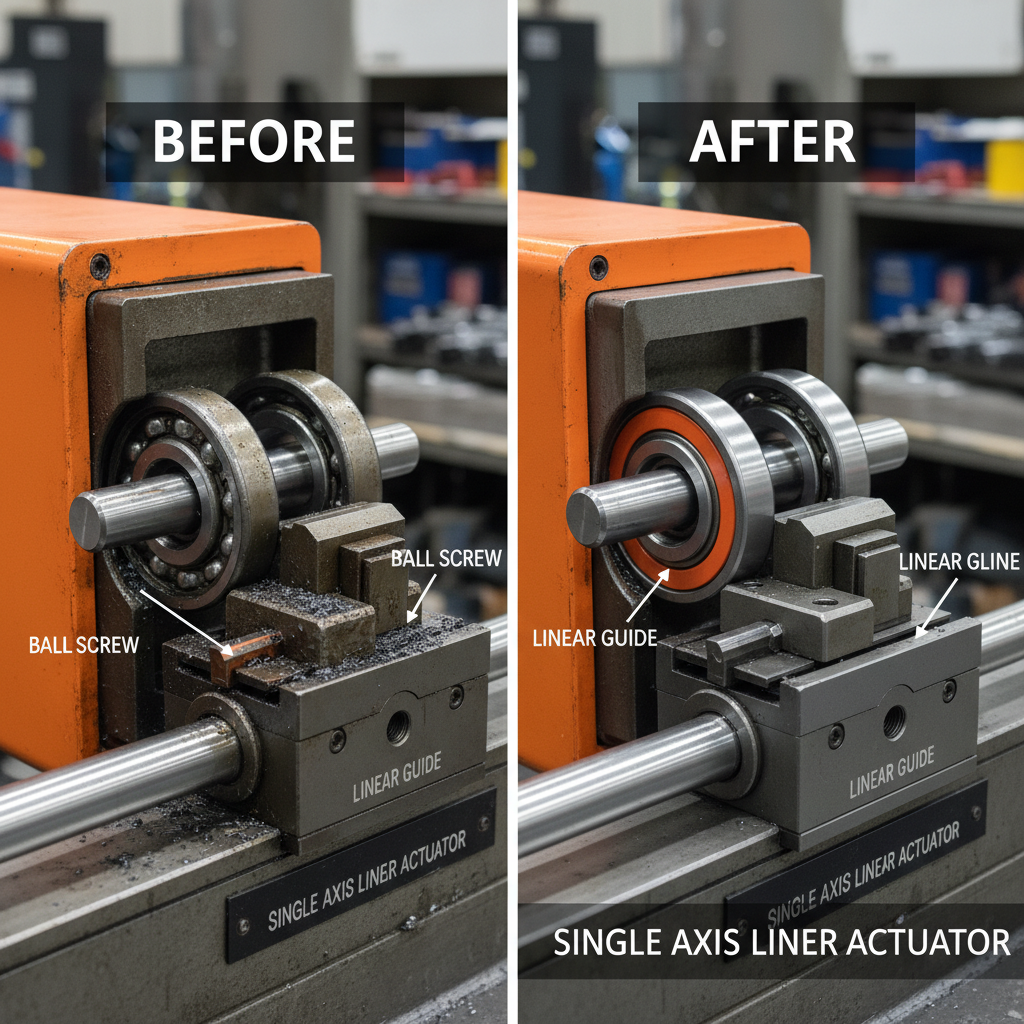
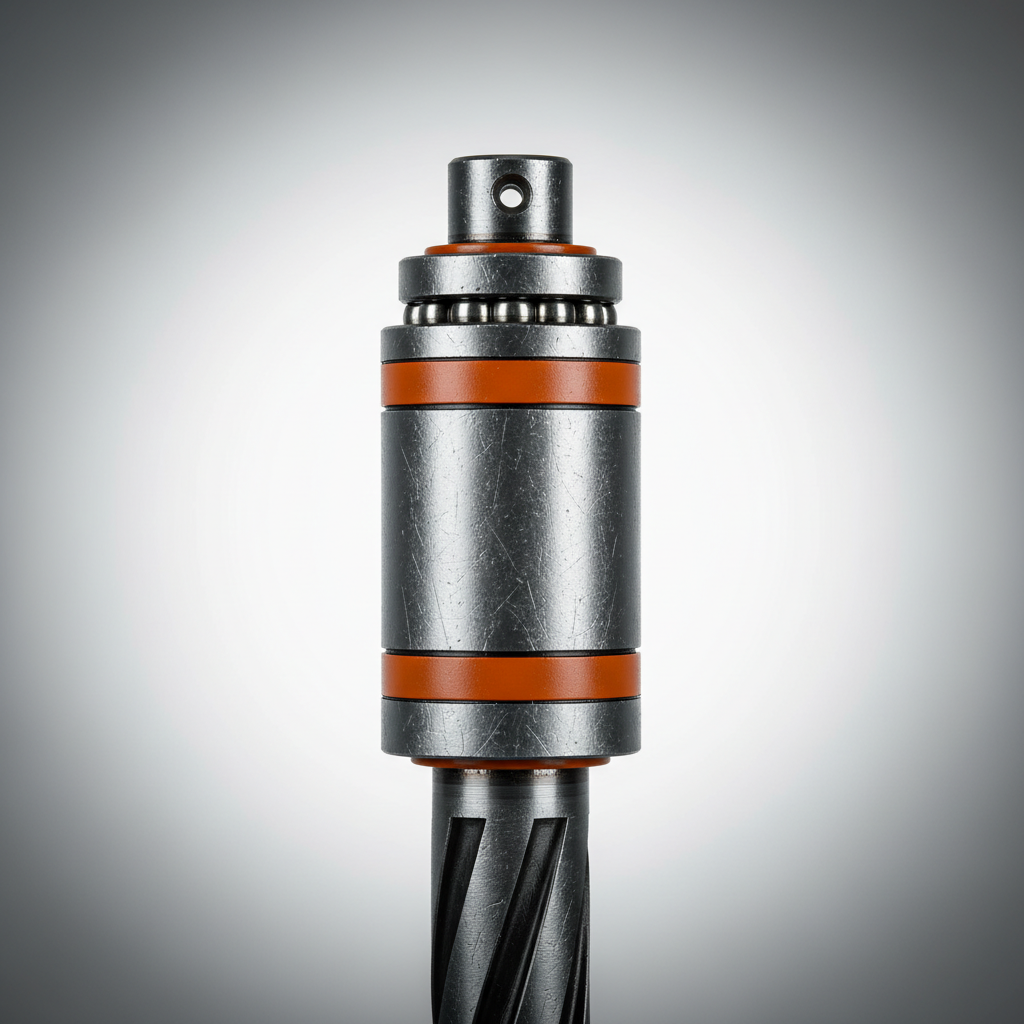
Ball race bearings are fundamental components in a vast array of mechanical systems, playing a critical role in industries ranging from automotive and aerospace to robotics and precision manufacturing. Their ability to reduce friction, support loads, and enable smooth rotational or linear motion makes them indispensable. Understanding the nuances of ball race bearing design, materials, and applications is crucial for engineers, manufacturers, and anyone involved in building and maintaining modern machinery.
Globally, the demand for high-quality ball race bearings is steadily increasing, driven by advancements in technology and the expansion of manufacturing sectors in emerging economies. According to industry reports, the global bearing market is projected to reach billions of dollars in the coming years, with a significant portion attributed to ball race bearings. This growth is fueled by the need for greater efficiency, reliability, and performance in diverse applications.
The importance of a reliable ball race bearing extends beyond simply keeping machinery running. It directly impacts productivity, safety, and overall operational costs. Selecting the appropriate bearing for a specific application can prevent costly downtime, reduce maintenance requirements, and enhance the lifespan of critical equipment.
Understanding the Fundamentals of ball race bearing
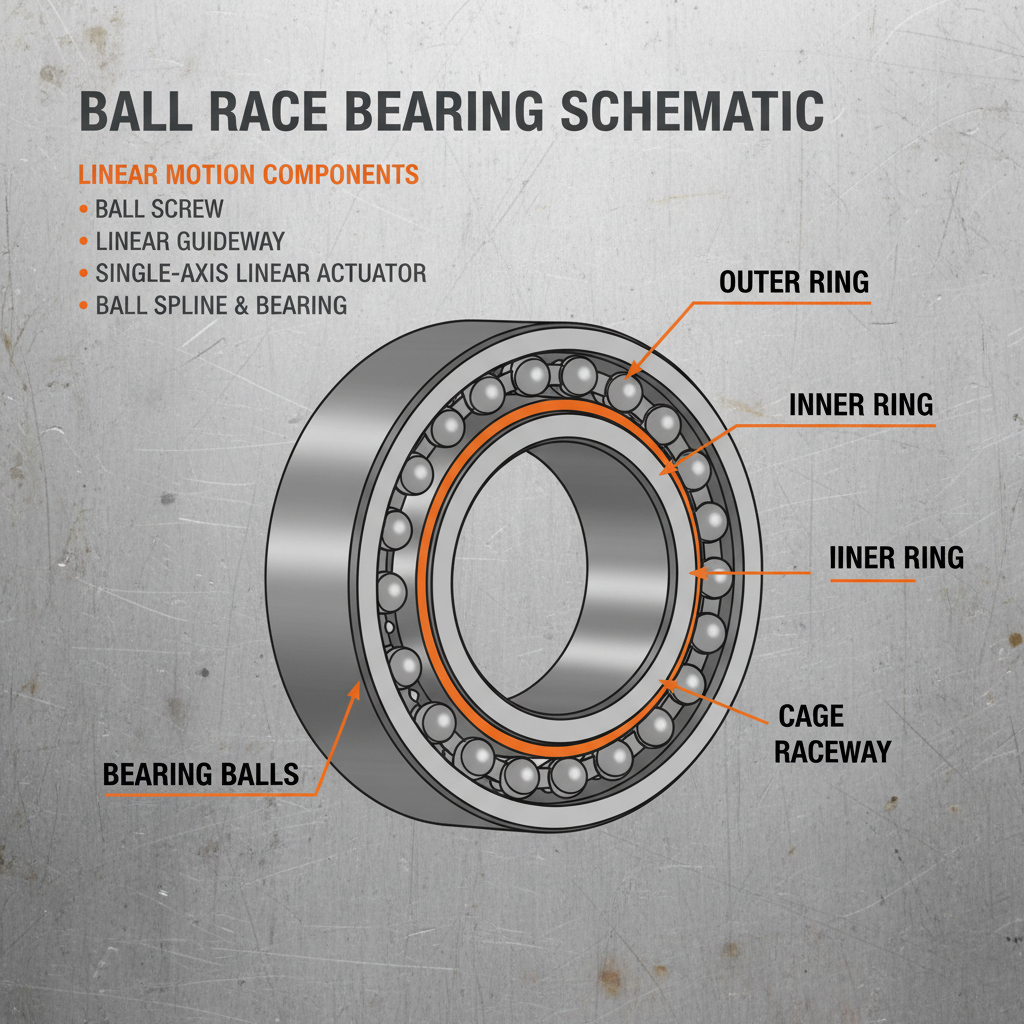
At its core, a ball race bearing consists of two or more raceways—typically inner and outer rings—separated by a cage that holds the ball bearings. This seemingly simple design is a masterpiece of engineering, enabling efficient and reliable motion transfer. The precision with which these components are manufactured is paramount to ensuring smooth operation and longevity.
The principle behind ball race bearings lies in the rolling contact between the balls and the raceways. This rolling motion significantly reduces friction compared to sliding contact, allowing for higher speeds, lower energy consumption, and reduced wear. The selection of appropriate materials, such as hardened steel or ceramics, is crucial for optimizing performance and extending the bearing's service life.
The Global Significance of ball race bearing
The demand for ball race bearings is inextricably linked to the health of the global manufacturing sector. As industries like automotive, aerospace, and robotics continue to grow, so too does the need for these essential components. Countries with robust manufacturing bases, such as China, Germany, and the United States, are major consumers and producers of ball race bearing.
Furthermore, the increasing emphasis on energy efficiency and sustainability is driving innovation in ball race bearing technology. Manufacturers are constantly seeking ways to reduce friction, minimize energy loss, and extend bearing life, contributing to more sustainable industrial practices. The UN Sustainable Development Goals, particularly those related to industrial innovation and responsible consumption, are indirectly supported by advancements in bearing technology.
The efficient operation of supply chains worldwide relies heavily on the consistent performance of ball race bearings. From conveyor systems in distribution centers to the rotating parts of transport vehicles, these bearings are essential for keeping goods moving. Disruptions in the supply of bearings can therefore have significant ripple effects throughout the global economy.
Defining ball race bearing: A Comprehensive Overview
A ball race bearing is a type of rolling-element bearing that utilizes spherical balls to maintain separation between the bearing races. This arrangement allows for smooth, low-friction rotational or linear movement. They are distinguished from other bearing types, such as roller bearings or needle bearings, by the shape of the rolling element.
The connection to modern industry and humanitarian needs is profound. In industry, ball race bearings are critical for the operation of machinery in countless applications. In humanitarian contexts, they are found in medical equipment, water purification systems, and transportation vehicles used in disaster relief efforts, providing reliable function where it’s needed most.
Understanding the basic principles of ball race bearing operation – load distribution, friction reduction, and precision engineering – is vital for optimizing performance and ensuring the longevity of mechanical systems. Choosing the correct bearing for a specific application requires careful consideration of factors such as load capacity, speed requirements, and operating environment.
Key Characteristics of High-Performance ball race bearing
Durability is a cornerstone of high-performance ball race bearings. The ability to withstand repeated stress, shock loads, and harsh environmental conditions is essential for ensuring long-term reliability. Material selection, heat treatment processes, and precision manufacturing all contribute to enhanced durability.
Load capacity refers to the maximum load that a bearing can support without experiencing premature failure. This is a critical consideration for applications involving heavy machinery or significant forces. Different bearing designs and materials offer varying load capacities, allowing engineers to choose the optimal solution for their specific needs.
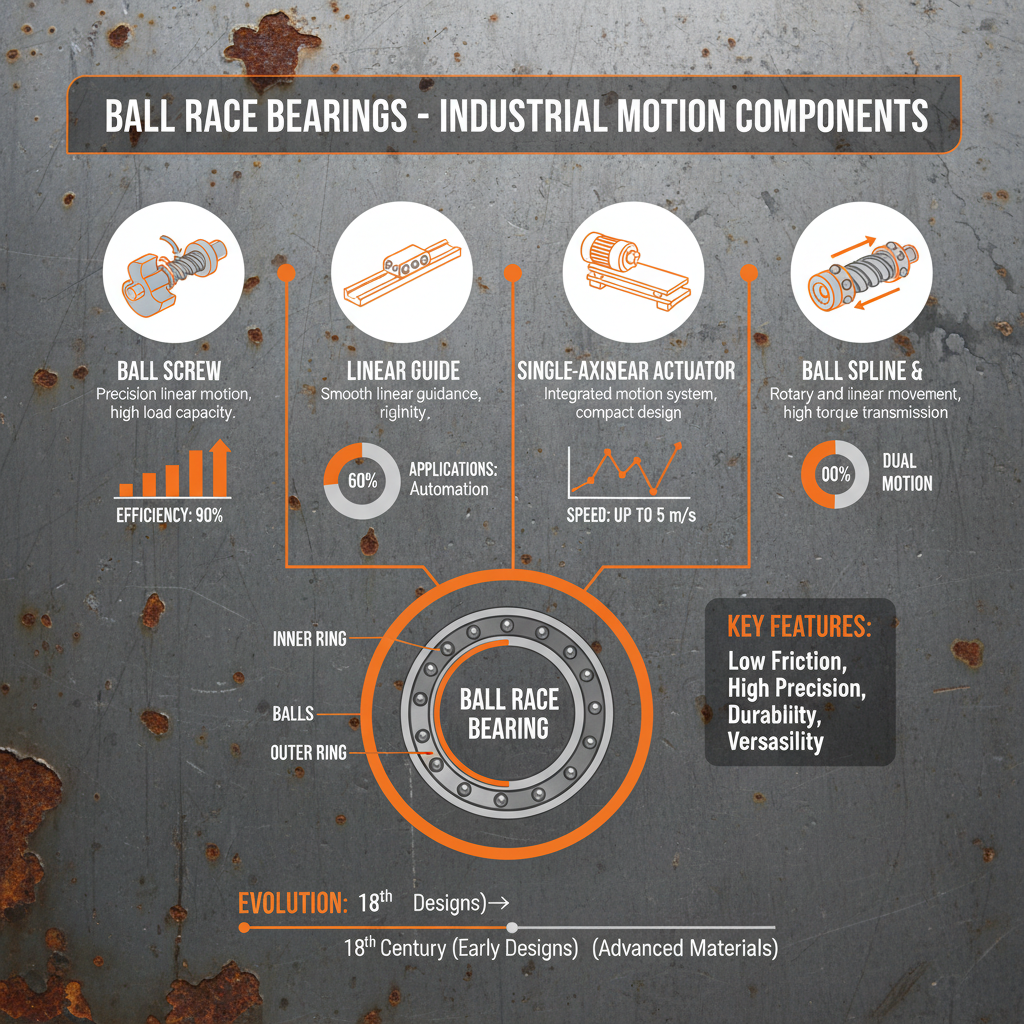
ball race bearing Performance Metrics
Diverse Applications of ball race bearing Across Industries
In the automotive industry, ball race bearing are integral to wheel hubs, transmissions, and steering systems, contributing to vehicle safety, performance, and fuel efficiency. The rigorous demands of automotive applications necessitate bearings with exceptional durability and reliability.
The aerospace sector relies heavily on precision ball race bearings in aircraft engines, landing gear, and control surfaces. These bearings must withstand extreme temperatures, high speeds, and significant loads, making material selection and manufacturing processes critical.
The Advantages and Long-Term Value of ball race bearing
The cost-effectiveness of ball race bearings is a significant advantage. Their relatively simple design and widespread availability contribute to lower manufacturing costs compared to more complex bearing types. However, the long-term value extends beyond initial cost savings, encompassing reduced maintenance requirements and extended service life.
From a sustainability perspective, ball race bearing contribute to energy efficiency by minimizing friction and reducing power consumption in mechanical systems. Furthermore, the use of durable materials and optimized designs can extend the lifespan of equipment, reducing the need for frequent replacements and minimizing waste.
Future Trends and Innovations in ball race bearing Technology
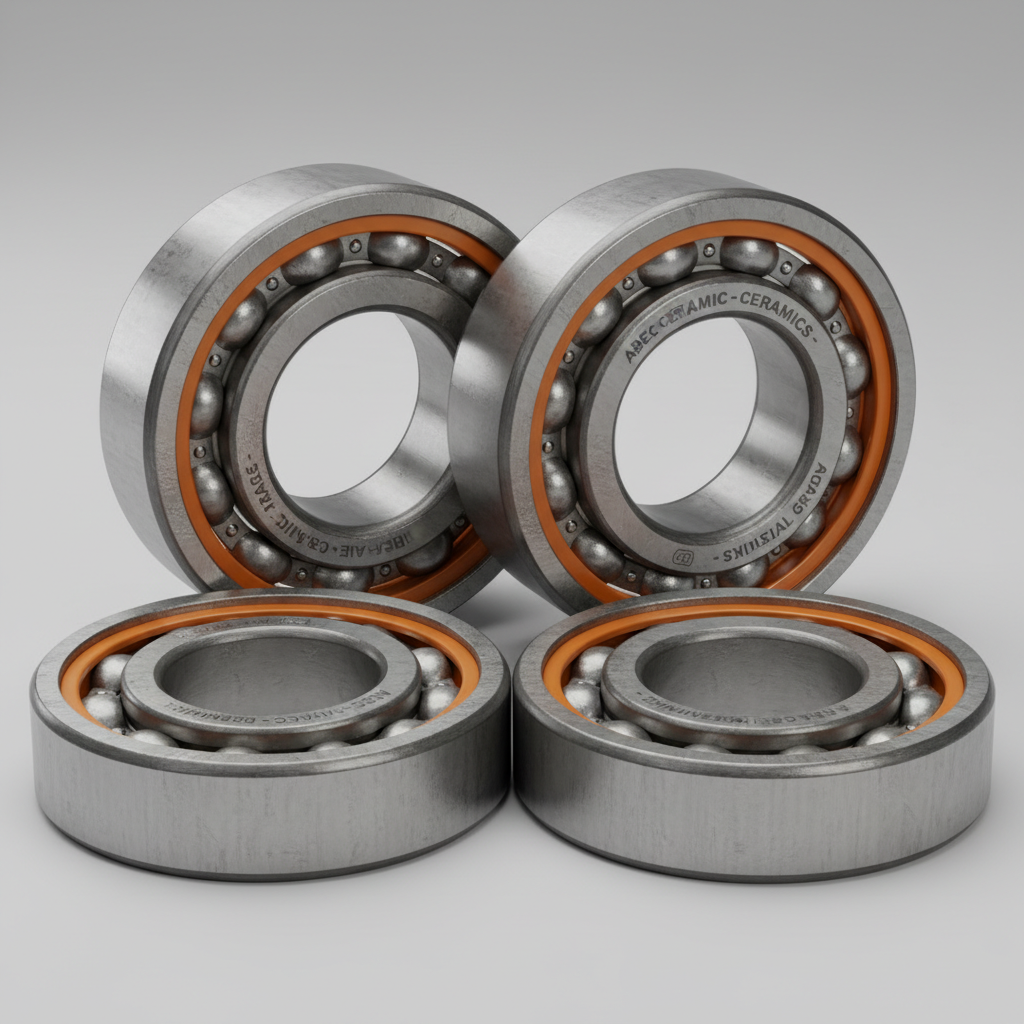
The development of new materials, such as ceramic and hybrid bearings, is driving innovation in ball race bearing technology. These materials offer superior performance characteristics, including increased hardness, reduced weight, and enhanced corrosion resistance.
Digital transformation is also playing a role, with the integration of sensors and data analytics enabling predictive maintenance and optimized bearing performance. Real-time monitoring of bearing condition allows for early detection of potential failures, preventing costly downtime and extending service life.
Automation in manufacturing processes is leading to greater precision and consistency in bearing production, further enhancing quality and reliability. The use of robotic systems and advanced machining techniques allows for tighter tolerances and improved surface finishes, resulting in bearings with superior performance characteristics.
Key Performance Indicators for ball race bearing Selection
| Bearing Type |
Load Capacity (kN) |
Speed Limit (RPM) |
Service Life (Hours) |
| Deep Groove Ball Bearing |
15 |
20000 |
5000 |
| Angular Contact Ball Bearing |
25 |
18000 |
7000 |
| Self-Aligning Ball Bearing |
10 |
15000 |
4000 |
| Thrust Ball Bearing |
5 |
12000 |
3000 |
| Hybrid Ceramic Ball Bearing |
30 |
25000 |
10000 |
| Stainless Steel Ball Bearing |
12 |
16000 |
6000 |
FAQS
When selecting a ball race bearing for high-speed applications, several factors are critical. These include the bearing's speed rating, lubrication requirements, material composition, and cage design. Choosing a bearing with a high-precision cage and appropriate lubricant is essential for minimizing friction and preventing premature failure. Additionally, consider the operating temperature and potential for vibration.
Lubrication is paramount to the performance and lifespan of a ball race bearing. Proper lubrication reduces friction, dissipates heat, and protects against corrosion. The type of lubricant used should be carefully selected based on the bearing's operating conditions, including speed, temperature, and load. Insufficient or improper lubrication can lead to increased wear, noise, and eventual bearing failure.
Deep groove ball bearings are designed to handle radial loads and some axial loads in either direction. They are the most common type of ball bearing. Angular contact ball bearings, on the other hand, are specifically designed to handle combined radial and axial loads in one direction. They have a contact angle that allows them to support significant thrust loads.
Determining the appropriate load capacity requires a thorough understanding of the forces acting on the bearing. Consider both static and dynamic loads, as well as any potential shock or vibration. Consult bearing manufacturers' catalogs and engineering resources to determine the bearing's dynamic and static load ratings. Ensure that the selected bearing's load capacity exceeds the anticipated loads in your application.
Ceramic ball bearings offer several advantages over steel bearings, including lower weight, higher speed capabilities, and superior corrosion resistance. They are also electrically insulating, which can be beneficial in certain applications. However, ceramic bearings are typically more expensive than steel bearings and may be more brittle.
Proper installation is crucial for optimal performance. Ensure that the bearing housing and shaft are clean and free of burrs. Use appropriate tools and techniques to avoid damaging the bearing during installation. Apply a thin layer of lubricant to the bearing before installation. Verify proper seating and alignment after installation.
Conclusion
In conclusion, ball race bearing are indispensable components in modern machinery, contributing to efficiency, reliability, and safety across a wide range of industries. Understanding their fundamental principles, key characteristics, and emerging trends is crucial for engineers, manufacturers, and anyone involved in the design and maintenance of mechanical systems.
Looking ahead, continued innovation in materials, lubrication, and manufacturing processes will further enhance the performance and sustainability of ball race bearings. By embracing these advancements, we can unlock new possibilities for efficiency and productivity, while minimizing environmental impact. Visit our website at www.yidibearings.com to explore our comprehensive range of high-quality ball race bearings.