Comprehensive Guide to Antifriction Bearings Types and Effective Applications
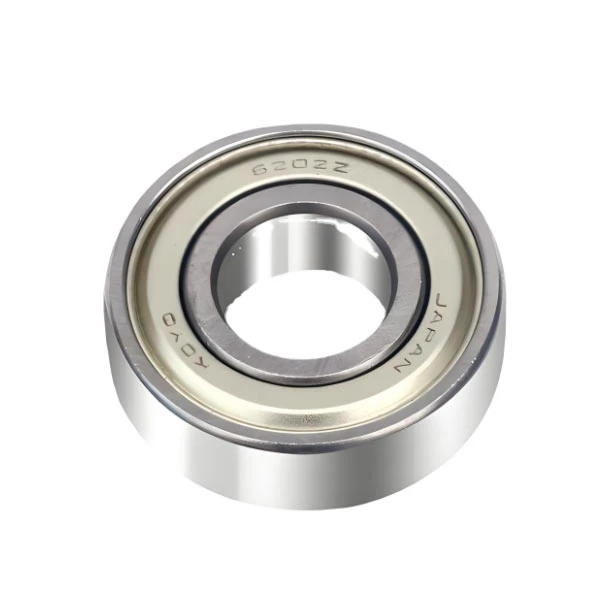
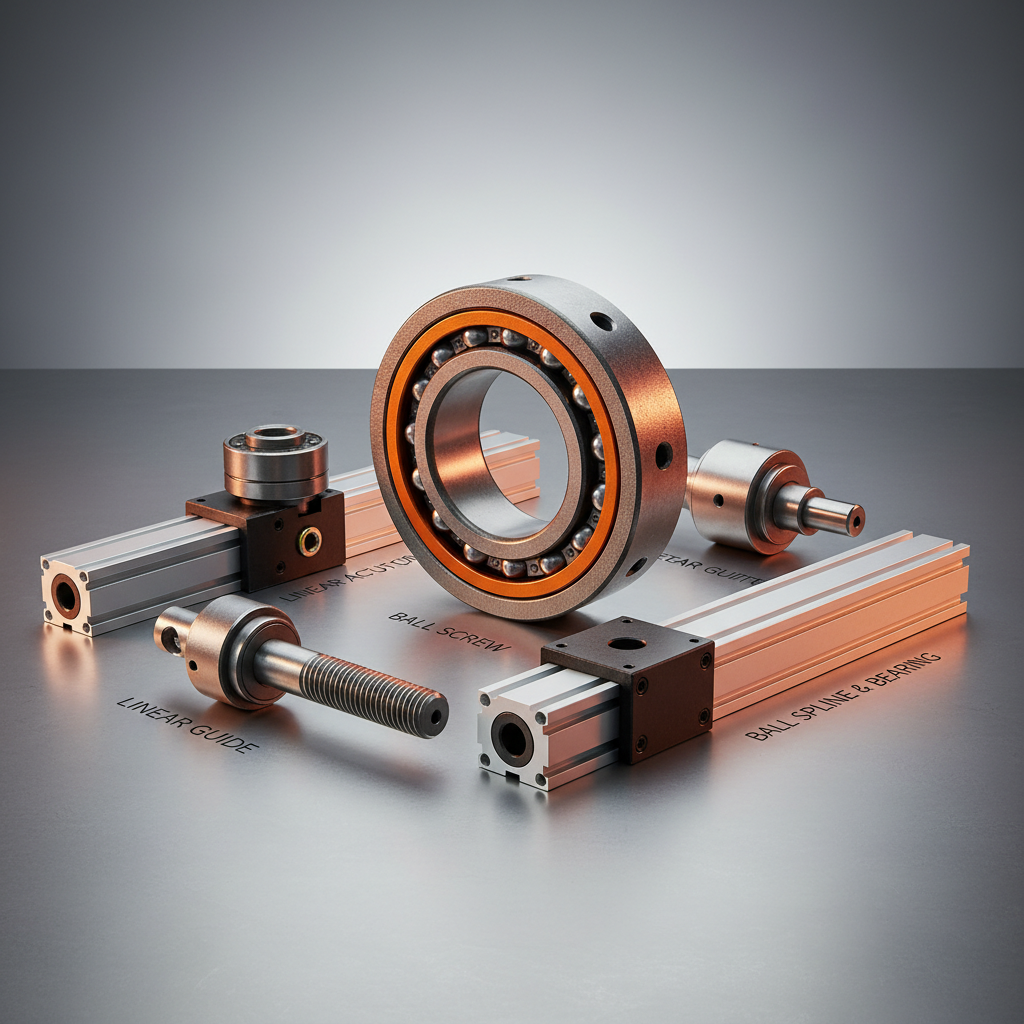
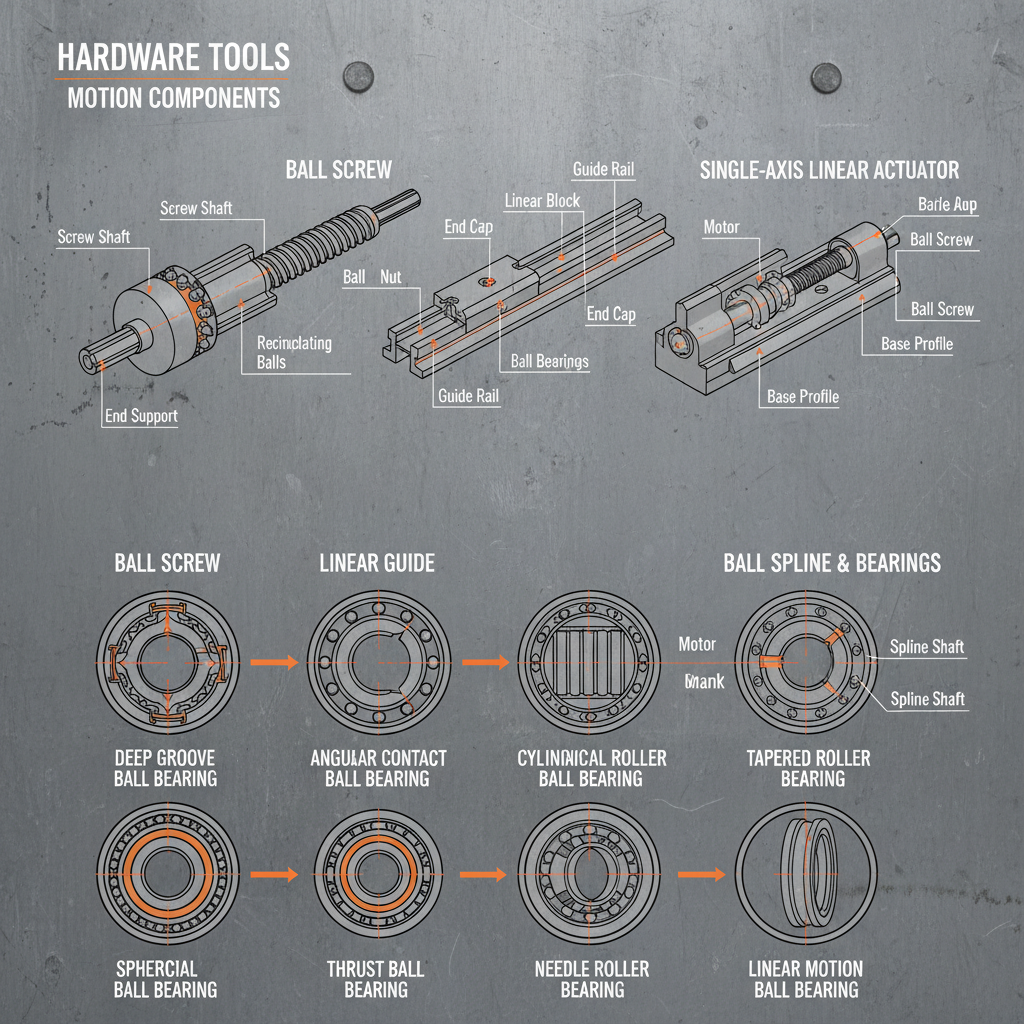
Antifriction bearings are essential components in countless machines and systems, enabling smooth, efficient rotation. From automotive applications to industrial machinery, these bearings minimize friction between moving parts, reducing wear and tear and maximizing performance. This article provides a deep dive into the world of antifriction bearings, covering different types, applications, selection criteria, and maintenance. We’ll explore how choosing the right bearing can significantly impact the longevity and efficiency of your equipment. Discover the benefits of high-quality antifriction bearings for your specific needs. There’s a diverse range of antifriction bearings, each designed for specific applications and load requirements. Common types include ball bearings, roller bearings, needle bearings, and tapered roller bearings. Ball bearings are versatile and suitable for high-speed, light-load applications. Roller bearings, including cylindrical, spherical, and needle roller bearings, excel in handling heavier loads. Tapered roller bearings are designed to support both radial and axial loads. Selecting the appropriate type is crucial for optimal performance and longevity.
Mar 03 . 26