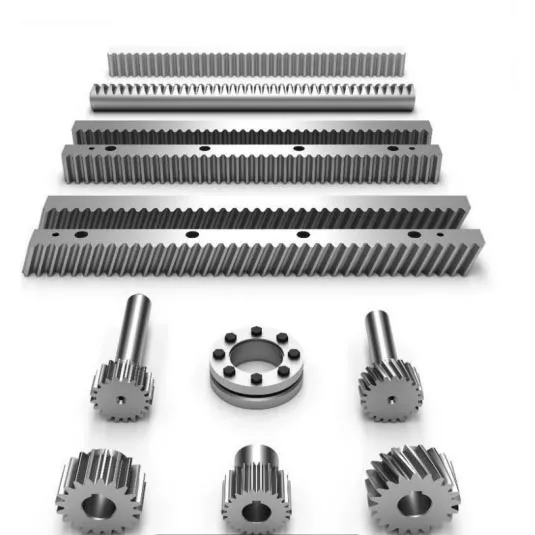
Rocket Pinion Gear And Rack

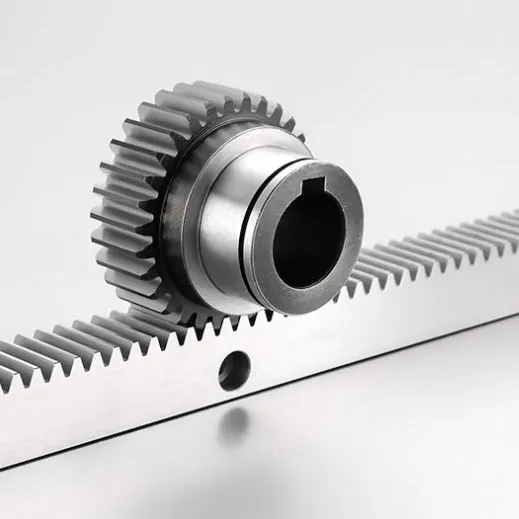
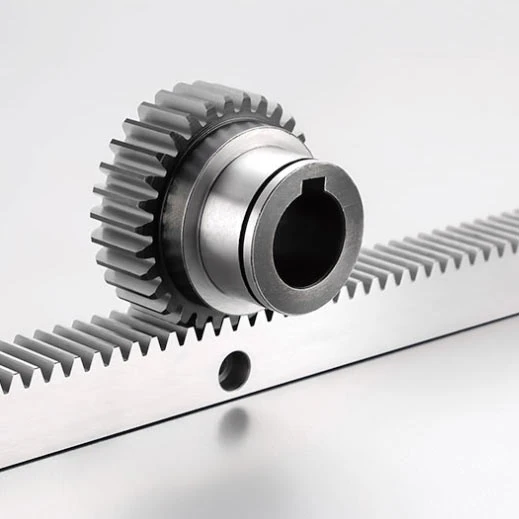
The working principle of gears and racks is to convert the rotational motion of gears into the linear reciprocating motion of racks through the meshing of gears and racks, or vice versa, to convert the linear reciprocating motion of racks into the rotational motion of gears. This conversion enables the gear rack mechanism to achieve precise linear or rotational motion, meeting the needs of different mechanical systems.

Share:

buy rack and pinion

gear and rack

gear rack suppliers

rack and pinion

rack and pinion gear

  • Gear Rack Classification

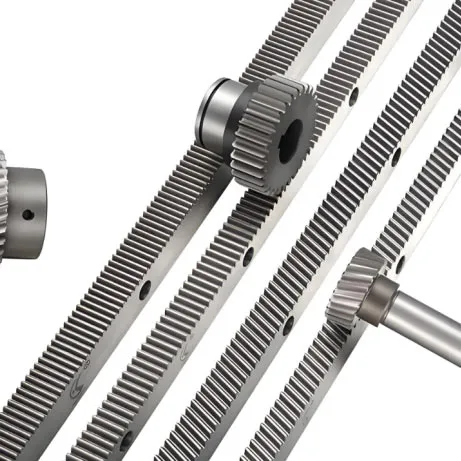
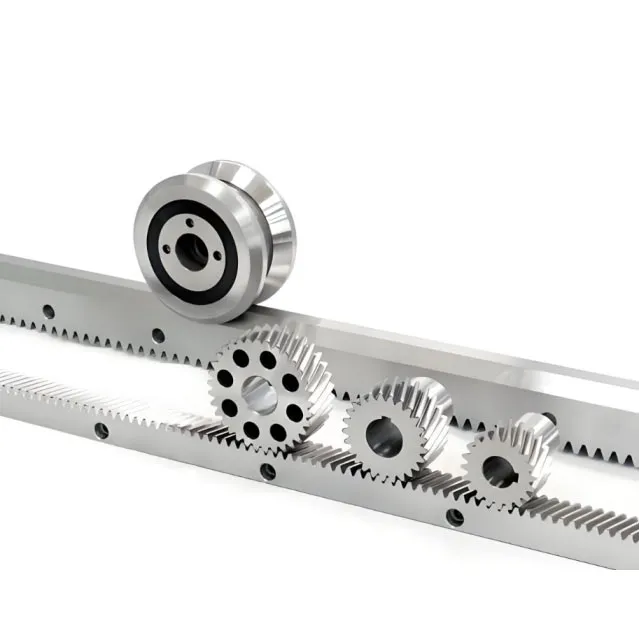
    Rack straight and helical teeth

    The rack module is divided into: M1.25 M1.5 M2.5 M3

    Large load type M4 M5 M6 M8 M11


    Accuracy Grade


    Q5 (DIN5)

    Q6(DIN6)

    Q7(DIN7)

    Q8(DIN8)

    Q9(DIN9)

    Q10(DIN10)

  • Gear Rack Features

    Fixed and accurate transmission ratio:

    Gear rack transmission can ensure a constant transmission ratio, making power transmission stable and reliable, especially suitable for situations where precise control of output speed and torque is required.

    Smooth transmission:

    The gear rack meshes with involute gears, resulting in low contact stress, low friction coefficient on the tooth surface, smooth operation, and minimal vibration and noise.

    Compact structure:

    Gear rack transmission can achieve a larger transmission ratio in a smaller space, making the entire transmission system smaller in size.

    Capable of transmitting large power:

    Gear and rack transmission can transmit large power, with a circumferential speed of up to 300m/s, a transmission power of up to 105KW, and a wide range of gear diameters.

    Long distance docking can be achieved:

    Extending the rack can connect with reserved adjustment gaps, allowing for unlimited length docking, ensuring the continuity and stability of the transmission.

  • Gear Rack Parameters

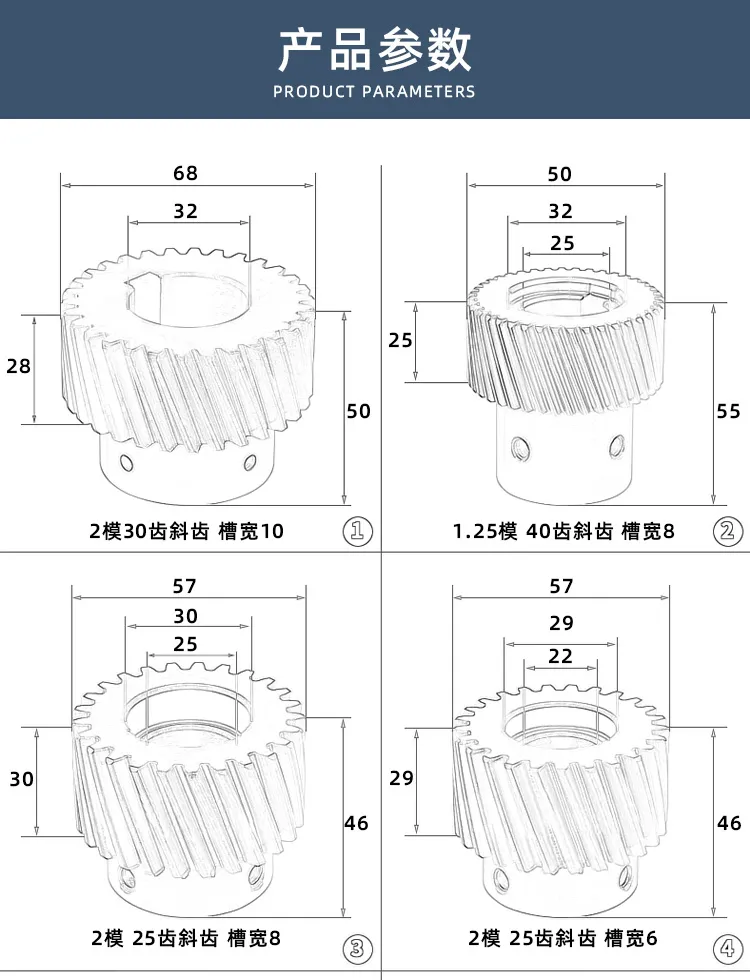
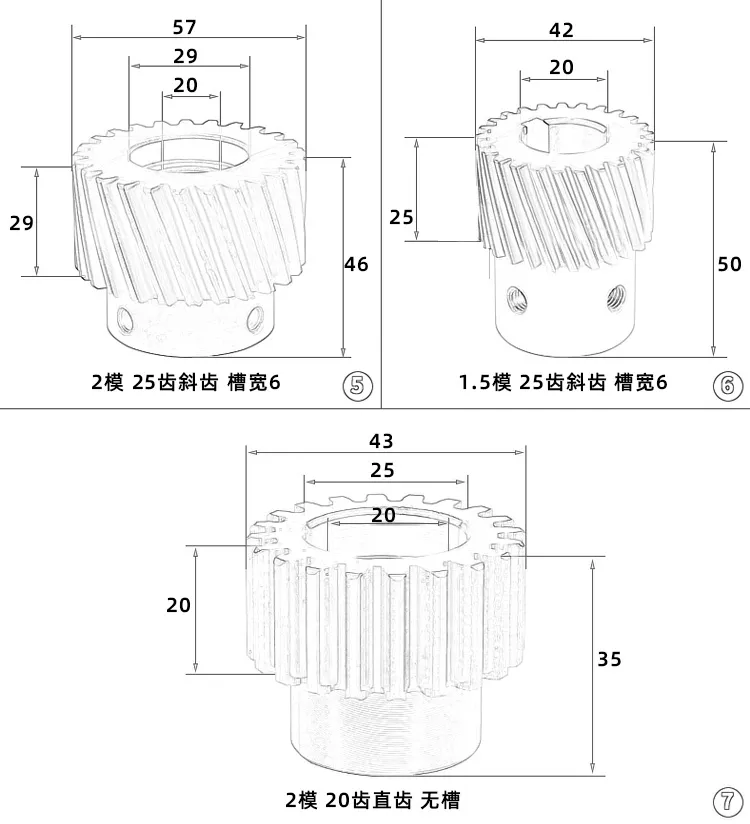
    The main parameters of gears and racks include modulus and number of teeth:

    Modulus: represents the size of the gear and rack. The larger the modulus, the stronger the load-bearing capacity of the gear and rack, but the manufacturing difficulty will also increase accordingly. The selection of modulus should be determined based on actual usage requirements and manufacturing process level.

    Number of teeth: determines the gear ratio and transmission accuracy. The more teeth there are, the more stable the transmission ratio and the higher the transmission accuracy, but it also increases the manufacturing difficulty and cost.


  • Gear Rack Industry Application

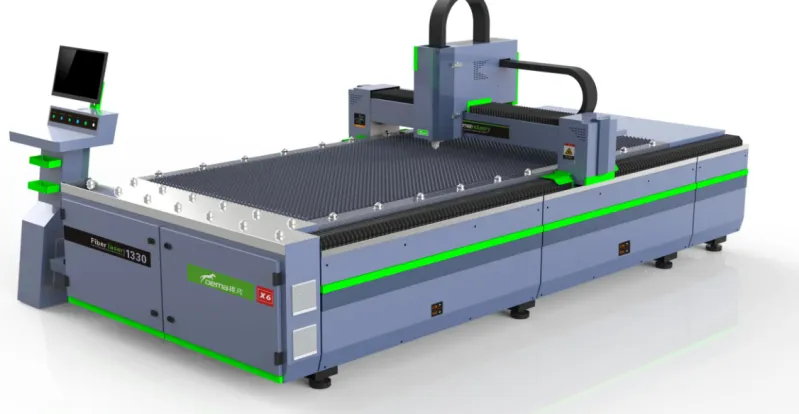
    • Laser cutting machine and laser engraving machine

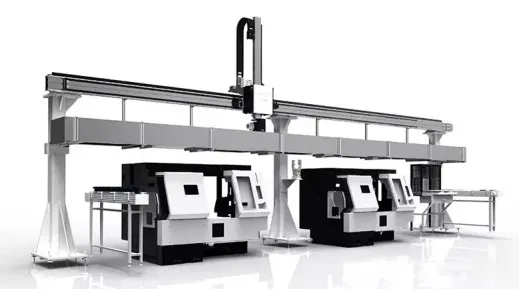
    • Precision CNC+truss manipulator

    • Heavy duty truss manipulator/ground rail robot

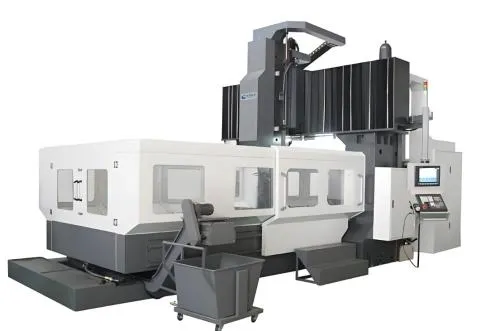
    • Large CNC lathe/casting machining center

  • Gear Rack Performance Advantages

    1、Extreme load capacity, a single system can bear up to 15-20 tons of axial load, and the stress is dispersed through multi-point meshing design.

    2、Infinite extension feature, supports modular splicing, and the travel can be extended to hundreds of meters.

    3、No need for high-precision pre tightening adjustment, reducing installation complexity.

    4、After wear, the accuracy can be restored by adjusting the meshing clearance (such as reverse gear gauge calibration).

    5、Anti deformation ability, wide rack structure (common width ≥ 50mm) has excellent anti bending performance, avoiding deformation problems caused by self weight under long stroke.

  • What is the average lead time?

    Request a Quote

    If you are interested in our products, you can choose to leave your information here, and we will be in touch with you shortly.
    • name*
    • email*
    • phone*
    • message*
Products
Tapered Roller Bearing

Tapered Roller Bearing

Rocket Pinion Gear And Rack

Rocket Pinion Gear And Rack

Quickly find the problems you encounter most often

Rocket Pinion Gear And Rack: Frequently Asked Questions

  • What Is A Rocket Pinion Gear And Rack System?

    A Rocket Pinion Gear and Rack system is a mechanical setup that converts rotational motion into linear motion using a pinion (a circular gear) and a rack (a linear gear). It is commonly used in automation, robotics, and machinery where precise linear positioning is required.

  • What Are The Main Advantages Of Using Rocket Pinion Gear And Rack?

    The key advantages include high precision, strong load-bearing capacity, efficient power transmission, and durability. These systems also allow for faster linear travel and are suitable for long-distance motion applications.

  • In What Industries Are Rocket Pinion Gear And Rack Systems Commonly Used?

    These gear systems are widely used in industries such as CNC machinery, automotive steering systems, industrial automation, packaging, and aerospace engineering, due to their reliability and precision.

  • How Do I Maintain A Rocket Pinion Gear And Rack System?

    Regular maintenance involves proper lubrication, alignment checks, and wear inspections. It’s important to use suitable lubricants to prevent gear tooth wear and ensure smooth operation over time.

  • Can Rocket Pinion Gear And Rack Be Customized For Specific Applications?

    Yes, these systems can be customized in terms of gear size, material, tooth pitch, and surface treatment to meet the specific requirements of different machines or projects. Custom solutions ensure optimal performance and compatibility.

bearings
Reliable Rack and Pinion Suppliers for Precision Machinery
As a precision machinery manufacturer, we highly appreciate the quality and consistency from this rack and pinion supplier. The gear accuracy is excellent, and the delivery is always on time.
bearings
Carlos Ramirez
Precision Machinery Manufacturing
ball screw manufacturers
Best Rack and Pinion Supplier for Automation Equipment
We’ve been working with this rack and pinion supplier for over 5 years. Their products are durable, precise, and the customer service is outstanding. Highly recommended for anyone in the automation sector.
ball screw manufacturers
Michael Thompson
Automation Equipment Manufacturing
ball screw manufacturers
High-Quality Rack and Pinion for Heavy Machinery
Their rack and pinion systems are exceptionally strong and reliable. As a heavy machinery manufacturer, we rely on their products to ensure the stability and performance of our equipment.
ball screw manufacturers
Diego Fernández
Heavy Machinery Manufacturing
ball screw manufacturers
Top Rack and Pinion Supplier for Robotics Applications
This rack and pinion supplier has been instrumental in supporting our robotics projects. The precision and smooth operation of their components greatly improve our robotic systems’ efficiency.
ball screw manufacturers
Kenji Nakamura
Robotics Manufacturing

Follow Our Blog

The Ultimate Guide to Choosing the Right Industrial Bearing Cover

In the world of industrial machinery, the longevity of your equipment depends heavily on the protection of its most critical components. A high-quality bearing cover serves as the first line of defense against contaminants, moisture, and debris that can lead to premature bearing failure. Whether you are operating in a dusty factory or a humid outdoor environment, understanding the nuances of bearing protection is essential for reducing downtime and maintenance costs. In this comprehensive guide, we will explore the different types of covers, their technical specifications, and how to select the perfect fit for your specific industrial application.
Apr 04 . 26

Comprehensive Guide to Ball Bearings Types Applications and Selection

Ball bearings are ubiquitous components in modern machinery, essential for reducing friction and enabling smooth, efficient motion. From simple household appliances to complex industrial equipment, these seemingly small parts play a crucial role. This article delves into the world of ball bearings, covering their types, applications, materials, and how to choose the right bearing for your specific needs. Explore the intricacies of these mechanical marvels and learn why Yidi Bearings offers high-quality solutions for diverse applications. Ball bearings aren't a one-size-fits-all solution. Different designs cater to specific load capacities, speeds, and application requirements. Some common types include: Deep Groove Ball Bearings (the most common type, suitable for radial and axial loads), Angular Contact Ball Bearings (designed to handle combined radial and axial loads in one direction), Self-Aligning Ball Bearings (ideal for applications with shaft misalignment), and Thrust Ball Bearings (specifically designed for axial loads). Understanding the nuances of each type is crucial for optimal performance and longevity.
Mar 03 . 26

Comprehensive Guide to Axial Bearings Types Applications and Selection

Axial bearings are crucial components in numerous mechanical systems, designed to support loads primarily acting parallel to the shaft's axis. Unlike radial bearings, which handle forces perpendicular to the shaft, axial bearings manage thrust loads. Choosing the right axial bearing is paramount for optimal performance and longevity of your equipment. This article will provide a detailed exploration of axial bearings, covering their types, applications, advantages, and key considerations for selection. Properly understanding these bearings can significantly improve the efficiency and reliability of your machinery. There are several types of axial bearings, each suited for different applications and load capacities. The most common include: Thrust Ball Bearings Suitable for low to moderate speeds and light to medium loads. They’re relatively inexpensive and can accommodate misalignment. Thrust Roller Bearings Designed for higher loads and lower speeds. They come in cylindrical, spherical, and tapered roller varieties, offering greater load-carrying capacity than ball bearings. Spherical Thrust Roller Bearings Can accommodate both axial loads and radial loads, as well as misalignment. They are often used in heavy-duty applications. Hydrostatic/Hydrodynamic Thrust Bearings Utilize a fluid film to support the load, offering extremely high load capacities and smooth operation, but require a constant fluid supply. Axial bearings are integral to a wide range of industrial applications. Some prominent examples include: Automotive Industry In gearboxes and transmissions to handle thrust loads from helical gears. Aerospace In aircraft engine main shafts and propeller bearings where high axial loads are encountered. Heavy Machinery In cranes, winches, and other lifting equipment to support the weight and manage thrust forces.
Mar 03 . 26

If you are interested in our products, you can choose to leave your information here, and we will be in touch with you shortly.


3_3ricon1-webp17404468391174113810811 819_2025032815201169958.png

If you are interested in our products, you can choose to leave your information here, and we will be in touch with you shortly.