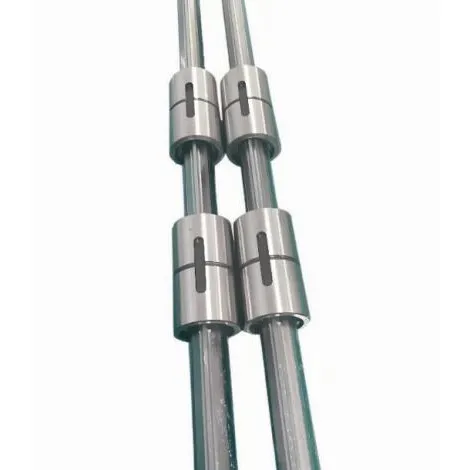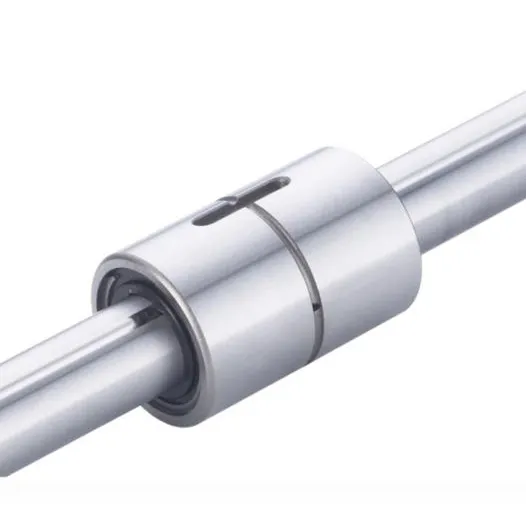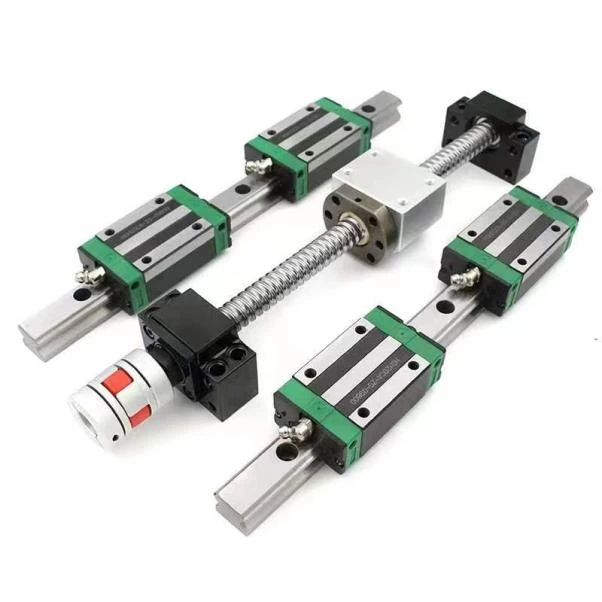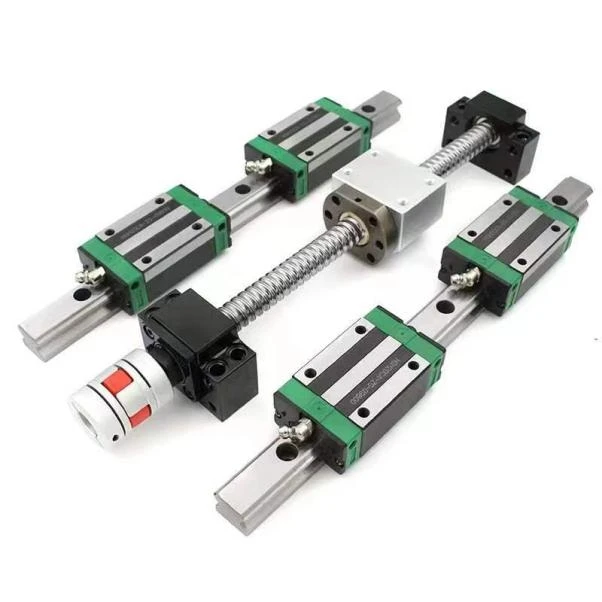
High Torque Ball Spline Shaft LBS Medium Load Type LBS30UU Ball Spline Bearing

The main characteristics of LBS ball spline include high precision, low friction, high transmission efficiency, composite motion capability, high rigidity and load capacity, long life and low maintenance requirements, compact structure and lightweight, and high-speed adaptability.

Share:
  • Products Feature

    Three protrusions are evenly arranged at 120 ° on the outer ring of the spline shaft, and two rows (a total of six rows) of steel balls are arranged to clamp them from the left and right sides. The contact part of the steel ball is an angular contact structure, which makes it easy to apply preloading to it.


    Due to the fact that the circulation of steel balls occurs at the inner diameter of the spline nut.


    Therefore, the outer diameter of the spline nut can be miniaturized.


    Even with increased preload, smooth linear rolling motion can be achieved.


    Due to the large contact angle (45 °) and small displacement, high rigidity can be achieved.


    There is no gap in the direction of rotation.


    Capable of transmitting high torque.

  • Products Advantage

    High precision and high repeatability positioning accuracy: Through precision machining and ball circulation structure, LBS ball splines can achieve micrometer level errors. Its gapless design eliminates axial and radial clearances through preloading adjustment, ensuring stability of motion and repeat positioning accuracy, making it particularly suitable for precision machining and measuring equipment


    Low friction and high transmission efficiency: LBS ball splines use rolling friction, with a friction coefficient only 1/50~1/30 of traditional sliding splines, significantly reducing energy loss. This design achieves a transmission efficiency of over 90%, making it suitable for high-speed and long stroke movements, such as high-speed transmission in automated production lines


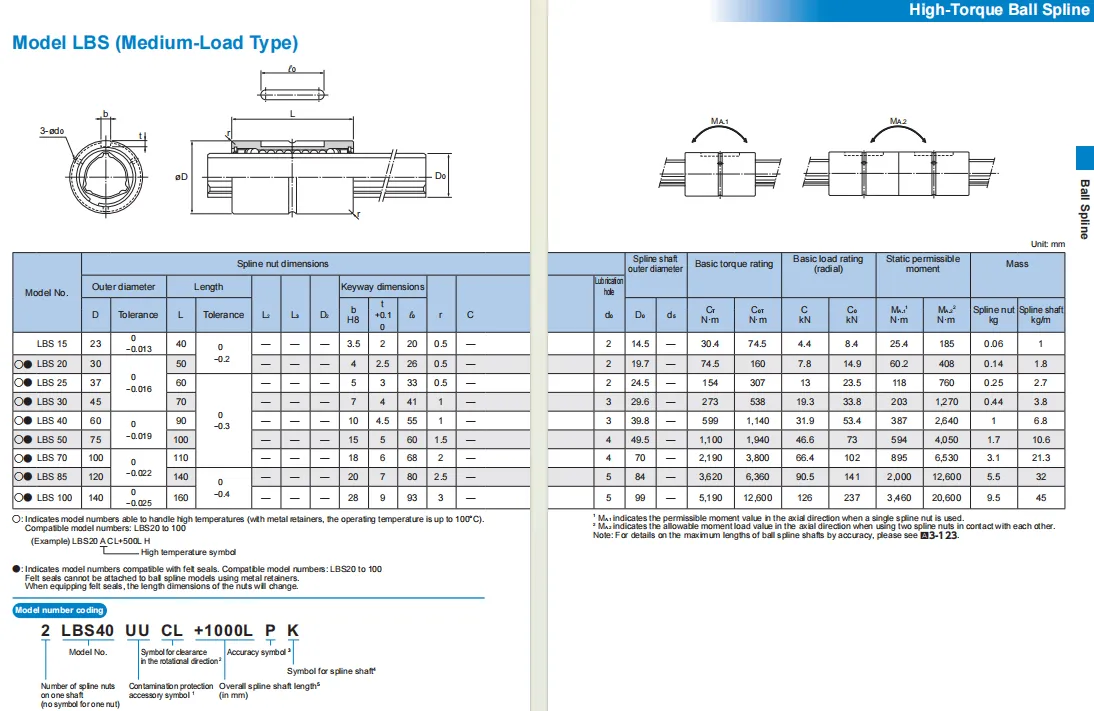
    High load-bearing capacity and high rigidity: The rolling groove of LBS ball spline is precision ground and formed, and adopts a 40 ° angle contact, making it have a large load capacity in both radial and torque directions. The high contact angle endows it with the characteristic of high rigidity, which can maintain high rigidity during transmission and adapt to impact or vibration environments


    Wear resistance and long service life: LBS ball spline adopts rolling contact, reducing material loss, and the service life can reach more than 10 times that of traditional splines. Its sealed dust-proof design prevents dust and debris from entering, further extending its service life


    Composite motion capability: LBS ball spline can perform both rotational and linear motion simultaneously, simplifying the mechanical structure.


    Strong adaptability and easy installation: LBS ball splines can adapt to various harsh environments such as high temperature, high pressure, and corrosion, and are easy to install, reducing the complexity of production and maintenance

  • Products Application

    Pillars and robotic arms for industrial robots

    AutoLoader

    Conveyor Machine

    Automatic handling device

    Tire Building Machine

    spot welding machine

  • Products Details

  • Products Parameters

  • What is the average lead time?

    Request a Quote

    If you are interested in our products, you can choose to leave your information here, and we will be in touch with you shortly.
    • name*
    • email*
    • phone*
    • message*
Products
Tapered Roller Bearing

Tapered Roller Bearing

Rocket Pinion Gear And Rack

Rocket Pinion Gear And Rack

bearings
Reliable Rack and Pinion Suppliers for Precision Machinery
As a precision machinery manufacturer, we highly appreciate the quality and consistency from this rack and pinion supplier. The gear accuracy is excellent, and the delivery is always on time.
bearings
Carlos Ramirez
Precision Machinery Manufacturing
ball screw manufacturers
Best Rack and Pinion Supplier for Automation Equipment
We’ve been working with this rack and pinion supplier for over 5 years. Their products are durable, precise, and the customer service is outstanding. Highly recommended for anyone in the automation sector.
ball screw manufacturers
Michael Thompson
Automation Equipment Manufacturing
ball screw manufacturers
High-Quality Rack and Pinion for Heavy Machinery
Their rack and pinion systems are exceptionally strong and reliable. As a heavy machinery manufacturer, we rely on their products to ensure the stability and performance of our equipment.
ball screw manufacturers
Diego Fernández
Heavy Machinery Manufacturing
ball screw manufacturers
Top Rack and Pinion Supplier for Robotics Applications
This rack and pinion supplier has been instrumental in supporting our robotics projects. The precision and smooth operation of their components greatly improve our robotic systems’ efficiency.
ball screw manufacturers
Kenji Nakamura
Robotics Manufacturing

Follow Our Blog

Comprehensive Guide to Axial Bearings Types Applications and Selection

Axial bearings are crucial components in numerous mechanical systems, designed to support loads primarily acting parallel to the shaft's axis. Unlike radial bearings, which handle forces perpendicular to the shaft, axial bearings manage thrust loads. Choosing the right axial bearing is paramount for optimal performance and longevity of your equipment. This article will provide a detailed exploration of axial bearings, covering their types, applications, advantages, and key considerations for selection. Properly understanding these bearings can significantly improve the efficiency and reliability of your machinery. There are several types of axial bearings, each suited for different applications and load capacities. The most common include: Thrust Ball Bearings Suitable for low to moderate speeds and light to medium loads. They’re relatively inexpensive and can accommodate misalignment. Thrust Roller Bearings Designed for higher loads and lower speeds. They come in cylindrical, spherical, and tapered roller varieties, offering greater load-carrying capacity than ball bearings. Spherical Thrust Roller Bearings Can accommodate both axial loads and radial loads, as well as misalignment. They are often used in heavy-duty applications. Hydrostatic/Hydrodynamic Thrust Bearings Utilize a fluid film to support the load, offering extremely high load capacities and smooth operation, but require a constant fluid supply. Axial bearings are integral to a wide range of industrial applications. Some prominent examples include: Automotive Industry In gearboxes and transmissions to handle thrust loads from helical gears. Aerospace In aircraft engine main shafts and propeller bearings where high axial loads are encountered. Heavy Machinery In cranes, winches, and other lifting equipment to support the weight and manage thrust forces.
Mar 03 . 26

Choosing The Right Linear Guide Manufacturers For Optimal Performance

In the world of precision engineering and automated systems, linear guides are critical components. Selecting the right linear guide manufacturers is paramount to ensuring the performance, reliability, and longevity of your machinery. This article provides an in-depth exploration of the factors to consider when choosing a manufacturer, focusing on quality, customization, and global sourcing. We'll delve into the key specifications, applications, and benefits of partnering with a reputable linear guide manufacturer. Linear guides, also known as linear rails or linear bearings, are designed to facilitate linear motion with minimal friction. They consist of a rail or track and a bearing carriage that moves along it. These guides are integral in a multitude of applications, including CNC machines, robotics, 3D printers, and automated assembly lines. The precision of a linear guide directly impacts the accuracy and efficiency of these systems. Choosing a reliable linear guide manufacturer ensures consistent quality and performance across your operations.
Feb 02 . 26

Understanding Angular Contact Bearings for High Performance Applications

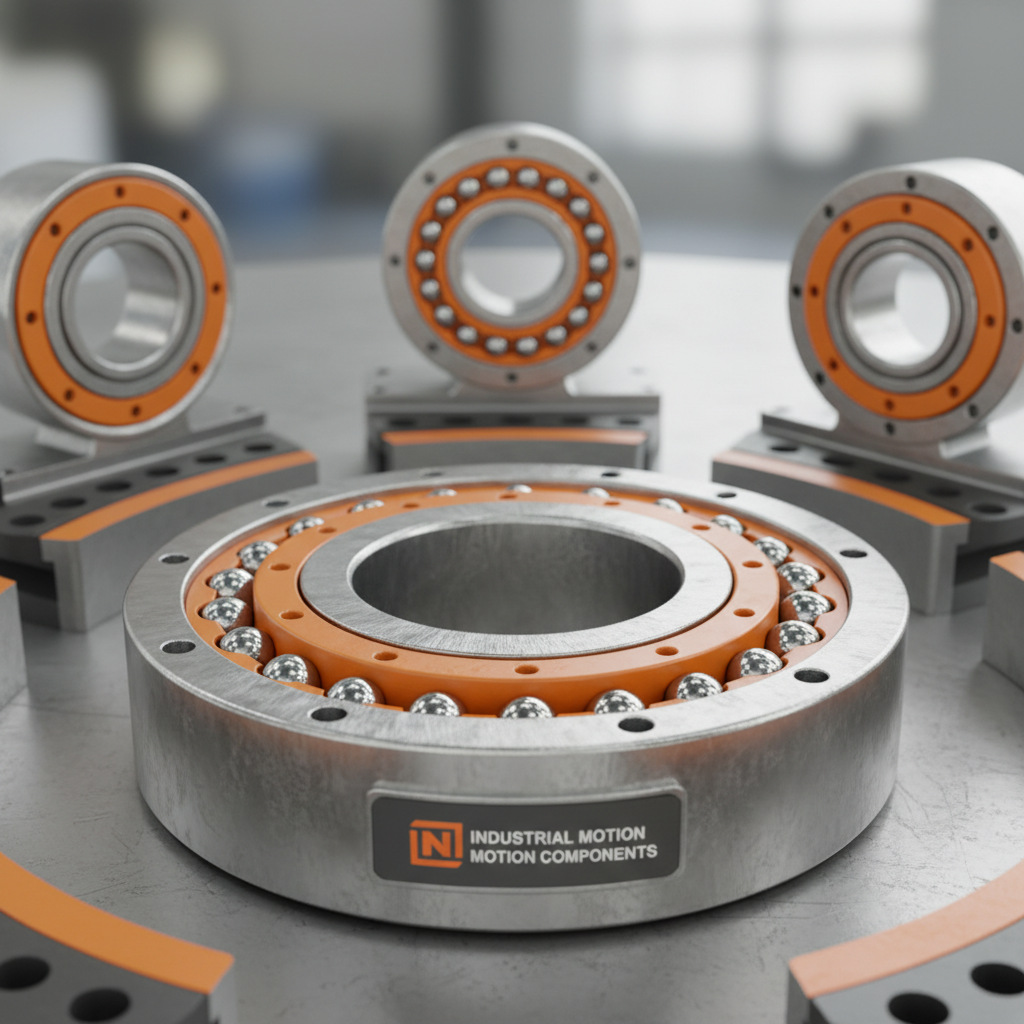
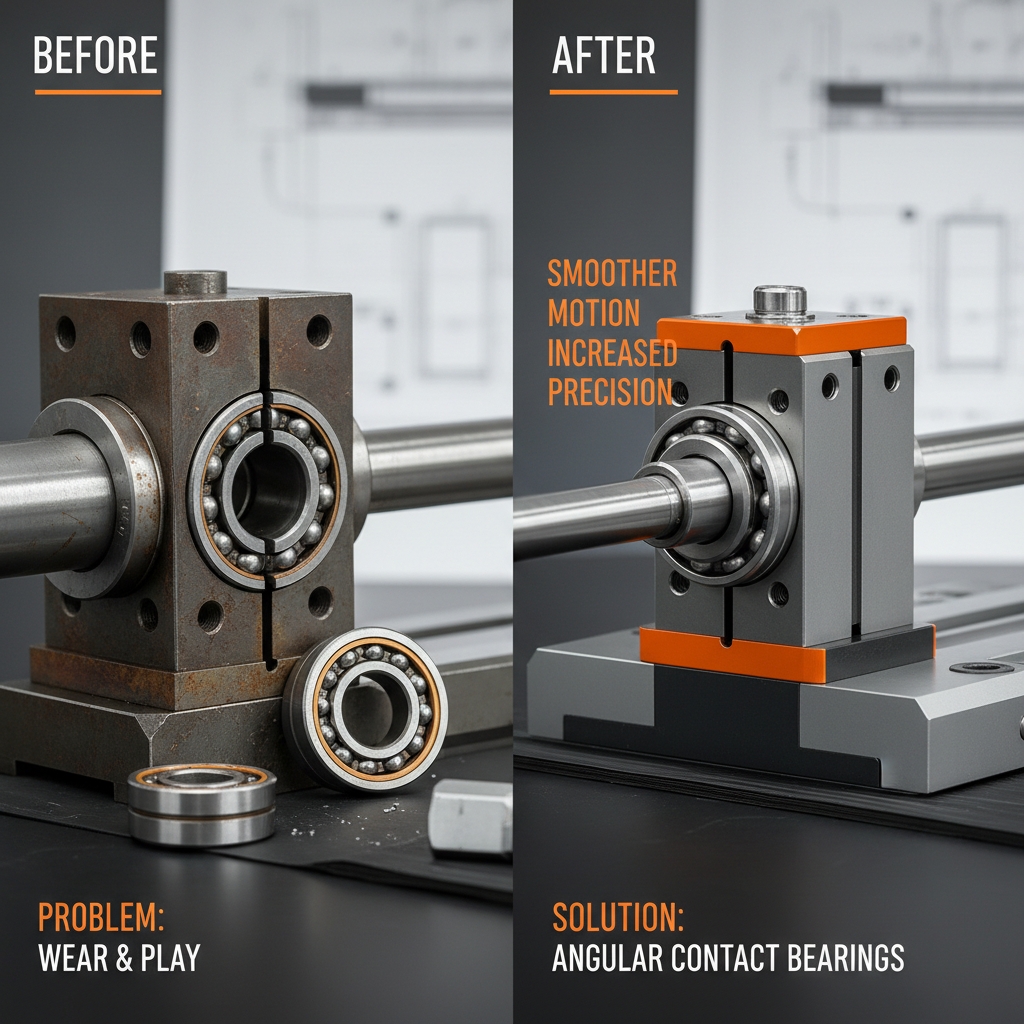
Angular contact bearings are a critical component in many industrial applications, offering a unique combination of load capacity and speed capabilities. Unlike standard ball bearings, these bearings are designed to handle both radial and axial loads simultaneously. This makes them ideal for high-precision applications where consistent performance and reliability are paramount. Yidi Bearings specializes in providing high-quality angular contact bearings tailored to a wide range of industrial needs. Choosing the right angular contact bearing is crucial for optimal machinery performance and longevity. Angular contact bearings are designed with a raceway angle—meaning the inner and outer ring raceways are displaced relative to each other. This design allows the bearing to support axial loads in one direction. Often, they are used in pairs or sets to accommodate axial loads in both directions. The contact angle, typically ranging from 15 to 45 degrees, dictates the bearing’s axial load capacity; a larger angle providing greater capacity. These bearings are commonly used in applications such as machine tool spindles, pumps, compressors, and gearboxes.
Mar 03 . 26

If you are interested in our products, you can choose to leave your information here, and we will be in touch with you shortly.


3_3ricon1-webp17404468391174113810811 819_2025032815201169958.png

If you are interested in our products, you can choose to leave your information here, and we will be in touch with you shortly.