What is a Rack and Pinion Used For? A Comprehensive Guide
The rack and pinion is a deceptively simple, yet incredibly versatile mechanical system used to convert rotational motion into linear motion. This principle finds applications in a surprisingly wide range of industries, from automotive steering systems to industrial machinery. Understanding how a rack and pinion system works and its various applications is crucial for engineers, mechanics, and anyone involved in these fields. This article delves into the intricacies of rack and pinion systems, exploring their components, working principles, common applications, and advantages.
Understanding the Core Components
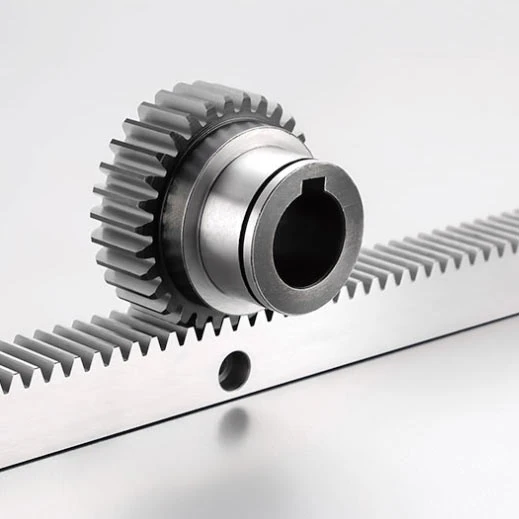
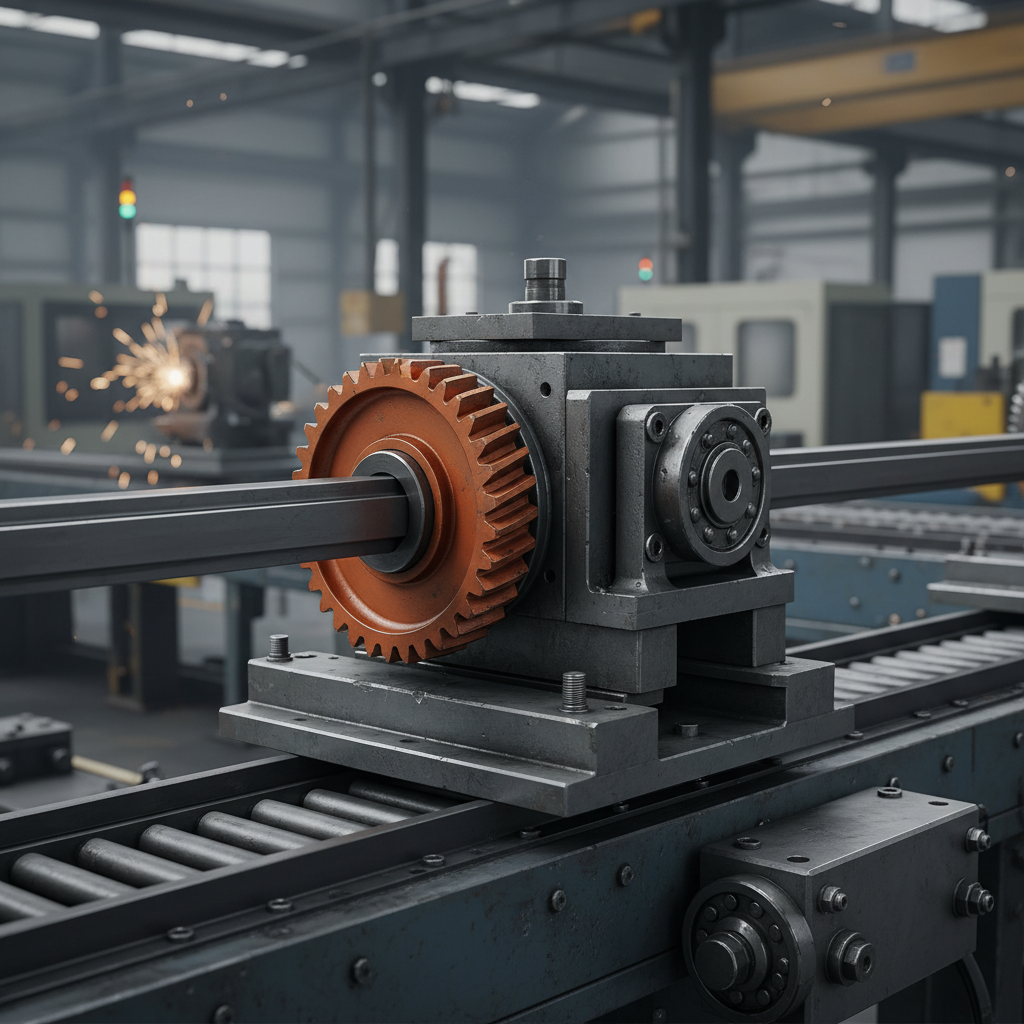
At its heart, a rack and pinion system consists of two main parts: the rack and the pinion. The rack is a linear gear – a flat, toothed bar. The pinion is a circular gear that meshes with the teeth of the rack. When the pinion is rotated, its teeth engage with the rack, causing the rack to move linearly. The materials used for both components vary based on the application, but commonly include steel, brass, and plastic. The precision of the teeth is paramount for smooth and efficient operation. Quality rack and pinion gears are vital for consistent performance.
Key Takeaway: The rack and pinion system effectively translates rotational force into linear movement, making it invaluable in numerous applications.
How Does a Rack and Pinion System Work?
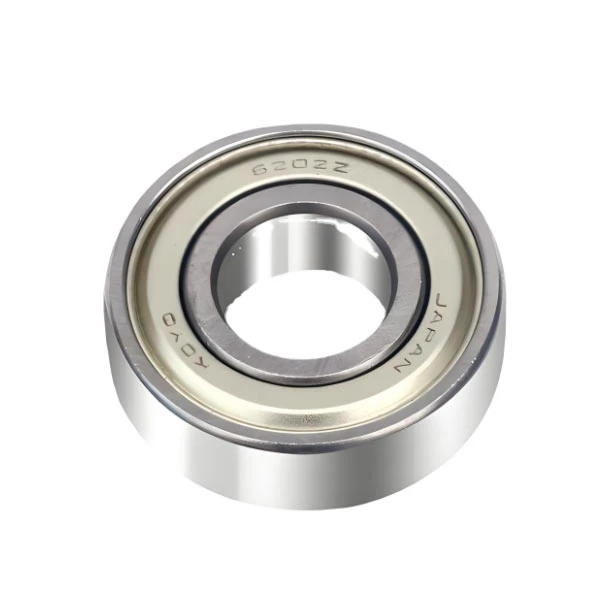
The operating principle is relatively straightforward. Applying torque (rotational force) to the pinion causes it to rotate. As the pinion rotates, its teeth push or pull on the teeth of the rack. This interaction converts the rotational motion of the pinion into the linear motion of the rack. The gear ratio between the pinion and the rack determines the mechanical advantage – how much force is multiplied. A smaller pinion driving a larger rack will result in greater force, but slower movement, and vice versa. This system is often used in conjunction with bearings to reduce friction and improve efficiency.
Key Factors in Rack and Pinion Performance:
• Gear Ratio: Determines force multiplication and speed.
• Material Strength: Impacts durability and load capacity.
• Tooth Precision: Affects smoothness and efficiency.
Common Applications of Rack and Pinion Systems
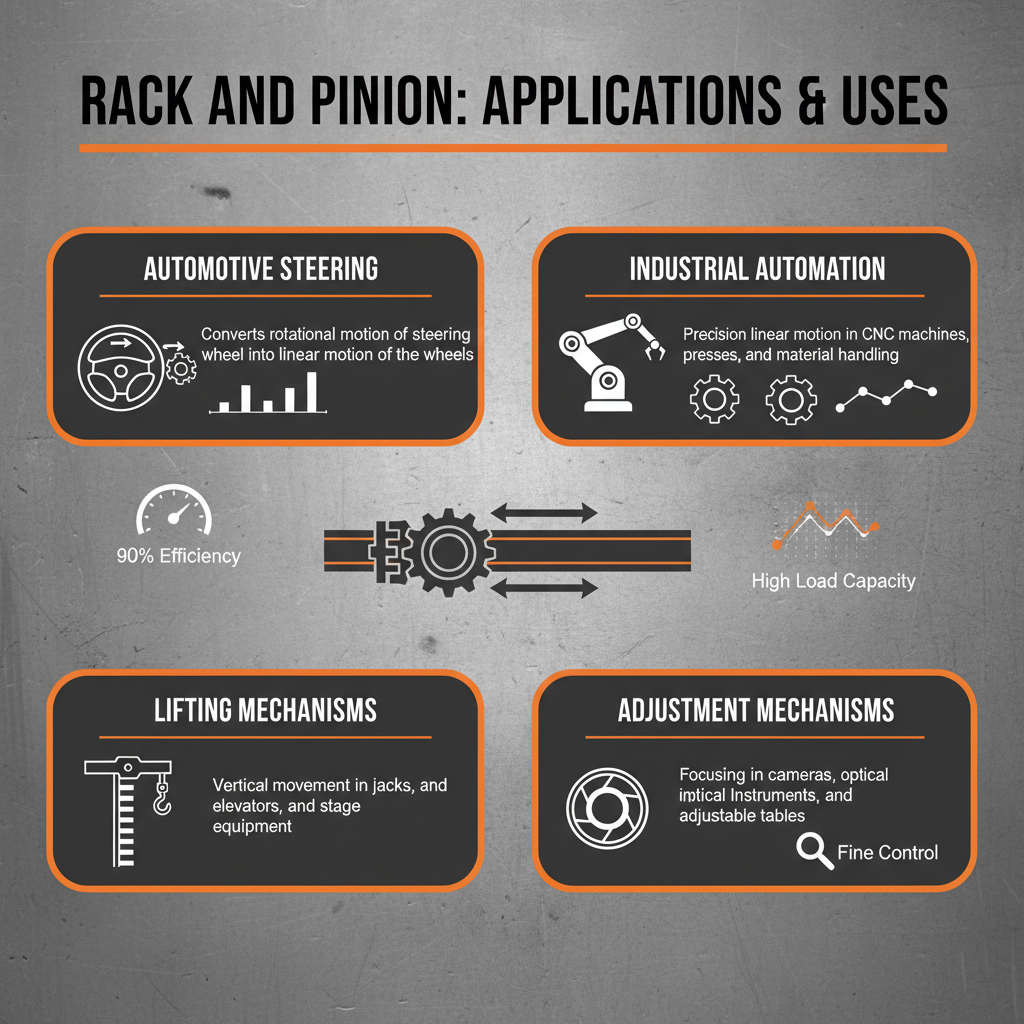
The rack and pinion's versatility shines through its wide array of applications. Perhaps the most recognizable is in automotive steering systems, where it translates the driver’s steering wheel rotation into the linear movement needed to turn the wheels. Beyond automotive, they’re essential in CNC machines for precise positioning, robotic arms for controlled movements, linear actuators for adjustable components, and even in some types of measuring instruments. They are also frequently found in gearboxes and transfer mechanisms where precise linear motion is required.
Rack and Pinion vs. Other Linear Actuation Methods
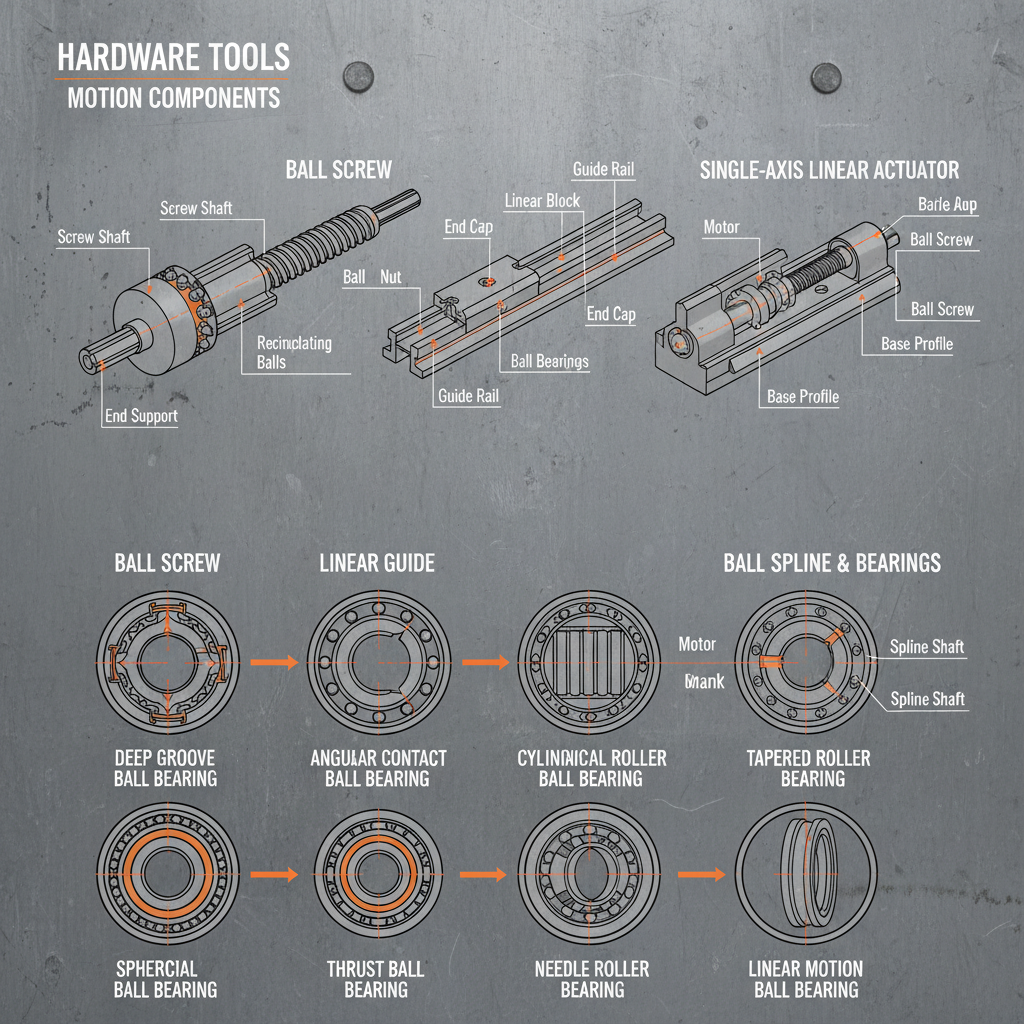
While various methods exist for achieving linear motion, the rack and pinion offers distinct advantages. Compared to ball screws, rack and pinion systems are generally more affordable and can handle higher loads. However, ball screws offer greater precision and efficiency. Compared to belt and pulley systems, rack and pinion systems eliminate slippage and provide more positive control. Hydraulic cylinders offer high force but are more complex and require a hydraulic power supply. Choosing the right method depends on the specific requirements of the application. Finding the right rack and pinion system depends on understanding these trade-offs.
Advantages and Disadvantages of Rack and Pinion Systems
Rack and pinion systems boast several compelling advantages: high load capacity, relatively simple construction, efficient power transmission, and affordability. However, they also have some drawbacks. Backlash (play between the teeth) can affect precision, especially in applications requiring high accuracy. They can be susceptible to wear and tear, especially under heavy loads. Furthermore, the linear travel is limited by the length of the rack. Regular maintenance and lubrication are crucial to ensure optimal performance and longevity.
In Conclusion
The rack and pinion system remains a fundamental and highly effective solution for converting rotational motion into linear motion. Its versatility, affordability, and relative simplicity make it a cornerstone of many industrial and automotive applications. Understanding its principles, advantages, and limitations is crucial for anyone working with mechanical systems. For high-quality rack and pinion components, consider sourcing from a reputable supplier like Yidi Bearings.
Frequently Asked Questions (FAQs)
What materials are rack and pinion systems typically made from?
Rack and pinion systems are commonly made from steel, brass, and various plastics. Steel is preferred for high-load applications due to its strength and durability. Brass offers good corrosion resistance and is often used in lower-load applications. Plastics are lightweight and cost-effective, suitable for less demanding tasks. The specific material choice depends on the application's requirements, including load capacity, operating environment, and desired lifespan.
How can I minimize backlash in a rack and pinion system?
Backlash can be minimized through several methods. Using precision-ground gears with tighter tolerances is crucial. Preloading the pinion (applying a slight force to maintain contact with the rack) can also reduce play. Anti-backlash gears, which incorporate a split pinion or other mechanisms, are specifically designed to eliminate backlash. Proper alignment and mounting of the system are also essential. Regular inspection and adjustment can help maintain optimal performance and minimize backlash over time.
What maintenance is required for rack and pinion systems?
Regular maintenance is essential for ensuring the longevity and optimal performance of rack and pinion systems. This includes periodic lubrication to reduce friction and wear. Inspection for signs of wear, damage, or misalignment is crucial. Cleaning the system to remove debris and contaminants is also important. Depending on the application, periodic tightening of mounting bolts and adjustment of preload may be necessary. Following the manufacturer's recommendations for maintenance intervals and procedures is highly recommended.