Finding the Right Bearing for Sale: A Comprehensive Guide
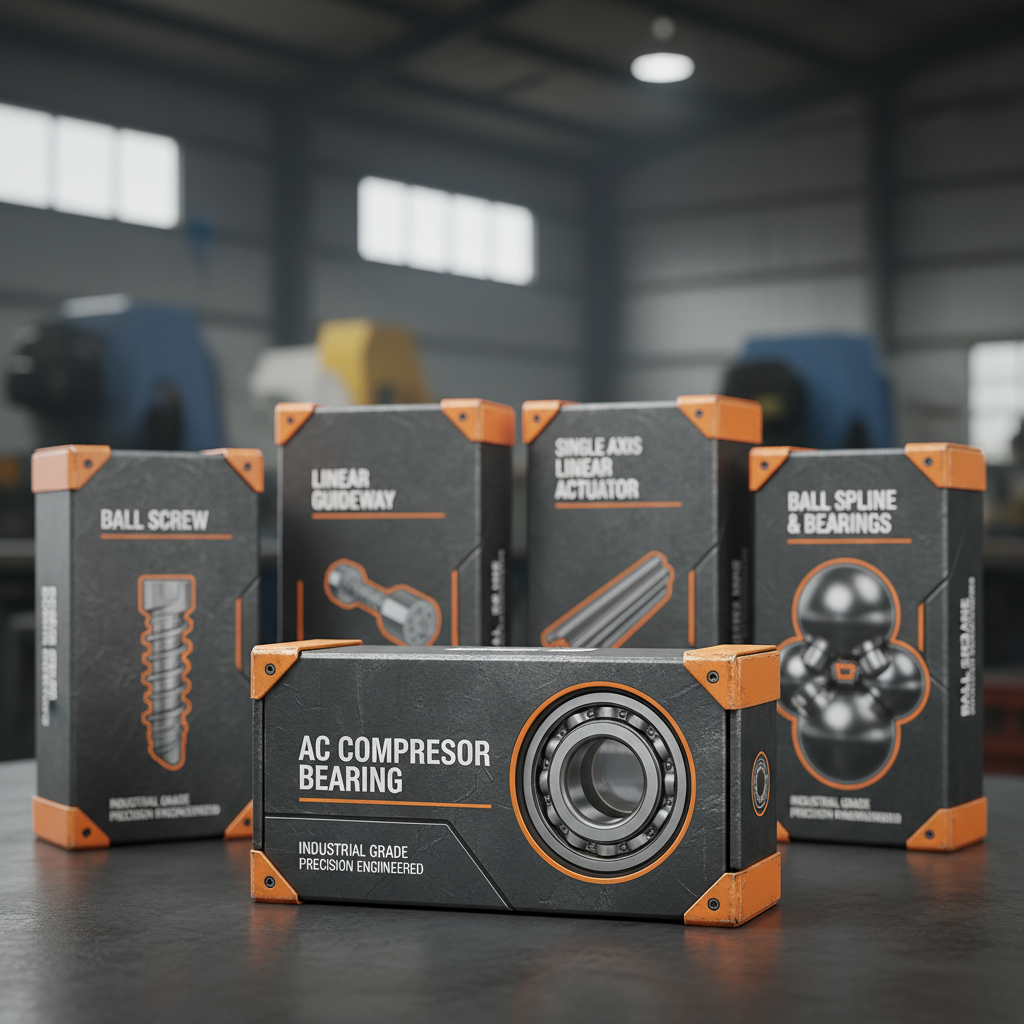
When it comes to sourcing bearings for sale, the options can seem overwhelming. Understanding your specific needs, from application to load capacity, is crucial. This guide will walk you through the key considerations when purchasing bearings, ensuring you select the right component for optimal performance and longevity. We'll explore different types of bearings, common applications, and how to choose a reliable supplier like Yidi Bearings.
Understanding Different Types of Bearings
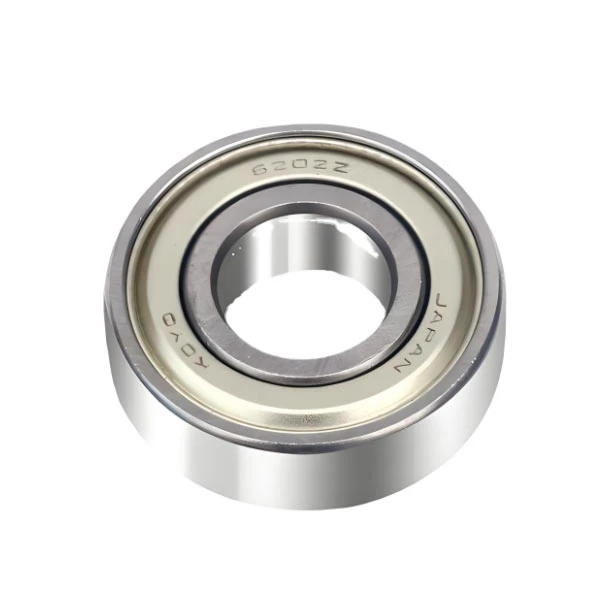
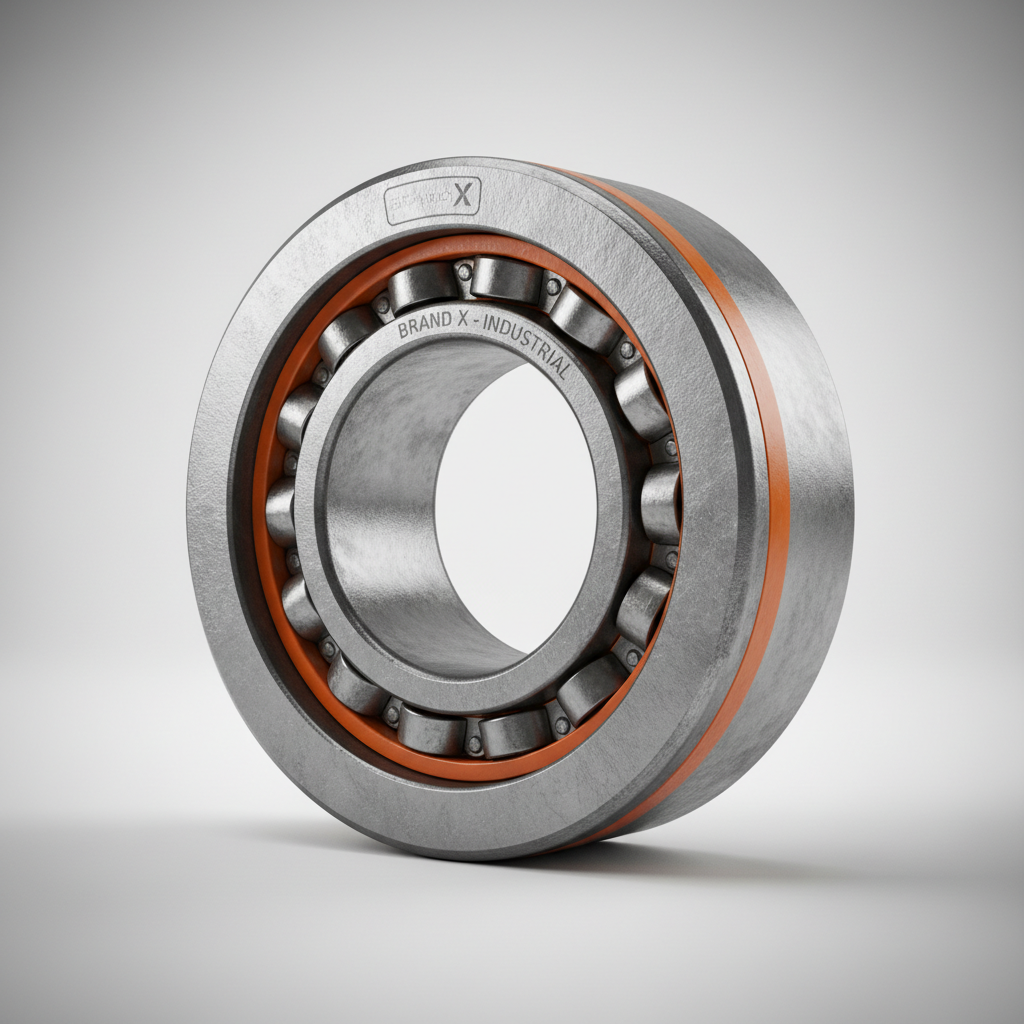
Bearings aren't one-size-fits-all. Several types cater to different applications and load requirements. Ball bearings are excellent for high-speed, lighter-load applications, while roller bearings are better suited for heavier loads and lower speeds. Thrust bearings are designed to handle axial loads, and needle bearings are ideal for space-constrained applications. Selecting the correct type significantly impacts performance and the lifespan of the bearing. A knowledgeable supplier like Yidi Bearings can provide expert guidance in this area.
Key Takeaway: Different bearing types excel in specific applications. Understanding these differences is crucial for making the right choice.
Applications of Bearings Across Industries
Bearings are integral to countless industries. In the automotive industry, they’re vital in wheel hubs, transmissions, and engines. Manufacturing relies on bearings in conveyor systems, machine tools, and robotics. The aerospace industry uses high-precision bearings in aircraft engines and control systems. Even everyday appliances like washing machines and fans utilize bearings. The demand for reliable bearings for sale is consistently high across all sectors.
Industry Applications:
• Automotive
• Manufacturing
• Aerospace
• Robotics
• Appliances
Choosing the Right Bearing for Sale: Key Considerations
Selecting the correct bearing for sale involves careful consideration of several factors. Load capacity (radial and axial) is paramount. Speed requirements dictate the type of bearing suitable. Operating environment (temperature, contaminants) influences material selection. Precision requirements determine the bearing’s class and tolerances. Finally, consider the shaft size and housing dimensions for a proper fit.
Bearing Materials: Selecting for Durability and Performance
The material a bearing is constructed from significantly impacts its performance and lifespan. Steel bearings are common due to their strength and cost-effectiveness. Stainless steel bearings offer corrosion resistance, ideal for harsh environments. Ceramic bearings provide exceptional hardness, wear resistance, and can operate at higher temperatures. Polymer bearings are lightweight and self-lubricating, suitable for low-load applications. Yidi Bearings offers a wide range of materials to meet diverse application requirements.
Why Choose Yidi Bearings for Your Bearing Needs?
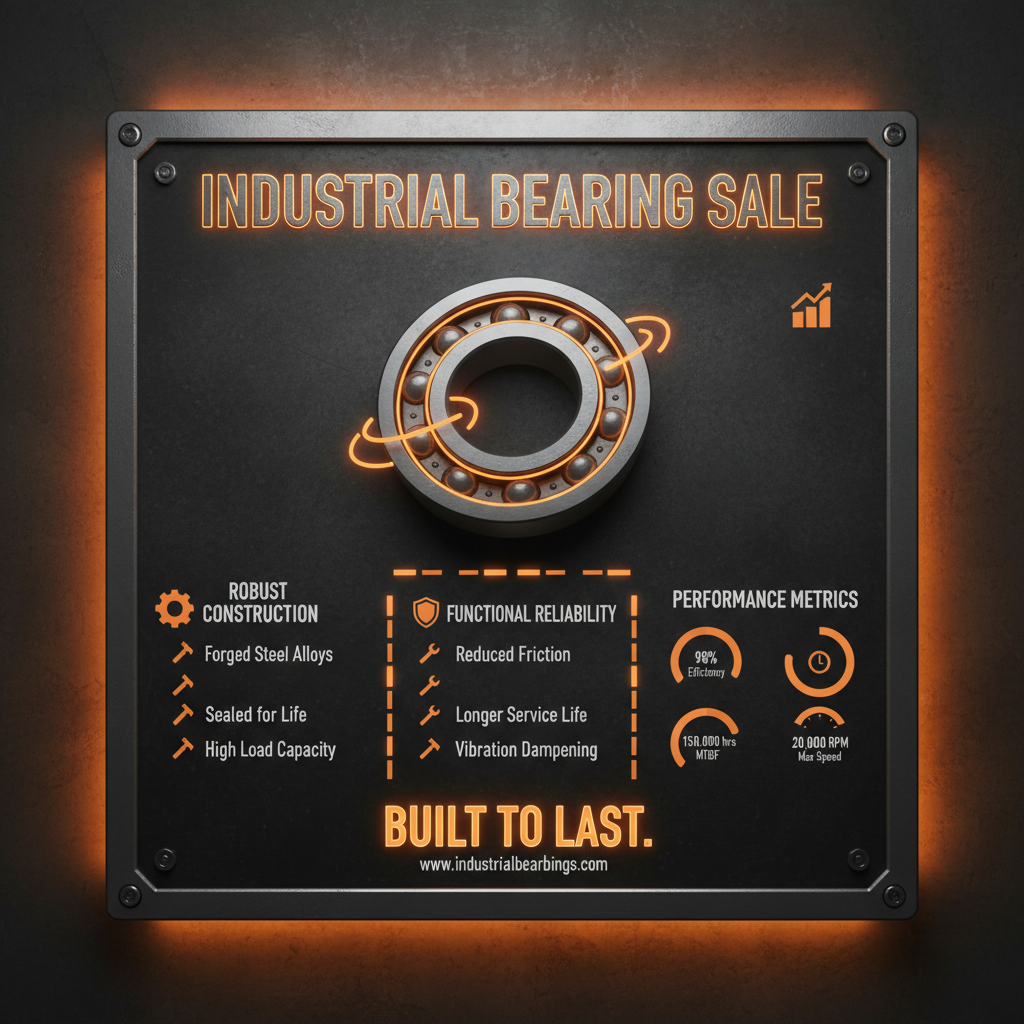
Yidi Bearings is a leading supplier of high-quality bearings for sale. We offer a comprehensive selection of bearing types, materials, and sizes to meet any application. Our commitment to quality, competitive pricing, and exceptional customer service sets us apart. We provide expert technical support to help you select the right bearing for your specific needs. With a global reach, we can efficiently serve customers worldwide.
Conclusion: Your Partner for Reliable Bearings
Choosing the right bearing for sale is a critical decision for ensuring optimal performance and longevity in your applications. Yidi Bearings provides the expertise, quality, and selection you need to make the right choice. Contact us today to discuss your bearing requirements!
Frequently Asked Questions (FAQs)
What is the ABEC rating, and why is it important?
The ABEC (Annular Bearing Engineers’ Committee) rating is a standard that measures the tolerance of ball bearings. Higher ABEC ratings (e.g., ABEC 5, ABEC 7, ABEC 9) indicate tighter tolerances, resulting in smoother operation and higher speed capabilities. However, a higher ABEC rating doesn’t always equate to a better bearing for all applications. For heavy-load applications, a lower ABEC rating might be more suitable. Yidi Bearings can help you determine the appropriate ABEC rating for your specific requirements.
How should bearings be stored to prevent damage?
Proper storage is crucial for preserving the integrity of bearings. Bearings should be stored in a clean, dry environment, protected from dust, moisture, and corrosive substances. Ideally, they should be stored in their original packaging or in a sealed container. Avoid storing bearings near strong magnetic fields or in direct sunlight. Proper storage helps maintain the bearing's lubrication and prevents premature failure.
What is the best way to lubricate bearings?
Lubrication is essential for minimizing friction and wear in bearings. The type of lubricant depends on the bearing type, speed, and operating temperature. Common lubricants include grease, oil, and solid lubricants. Applying the correct amount of lubricant is critical – too little can lead to wear, while too much can cause overheating. Yidi Bearings can recommend the appropriate lubricant for your specific bearing and application.
What are the signs that a bearing needs to be replaced?
Several signs indicate that a bearing may need to be replaced. These include unusual noises (grinding, squealing), excessive vibration, overheating, and reduced performance. If you notice any of these symptoms, it's crucial to inspect the bearing for damage and consider replacement. Ignoring these signs can lead to catastrophic failure and potentially damage other components.