Optimizing Vehicle Performance with Durable Alternator Bearing Solutions
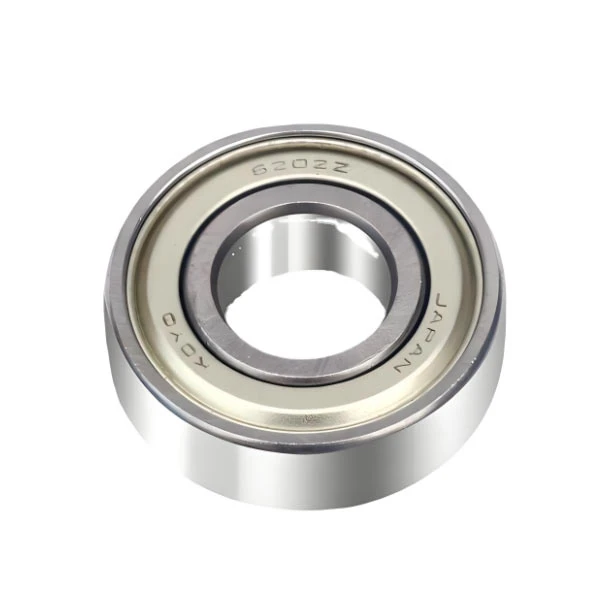
The alternator bearing is a critical component within the charging system of a vehicle, responsible for enabling smooth rotation of the alternator rotor. Its efficiency directly impacts the vehicle's electrical output and overall performance. Choosing the right alternator bearing is crucial for maximizing alternator lifespan and ensuring reliable vehicle operation. This article will delve into the function, types, maintenance, and selection criteria for alternator bearings, providing a comprehensive guide for automotive professionals and enthusiasts. Proper bearing selection prevents premature failure and costly repairs. The primary function of an alternator bearing is to reduce friction between the rotating parts of the alternator – specifically, the rotor and stator. This allows the rotor to spin freely with minimal energy loss. A high-quality alternator bearing minimizes resistance, enabling the alternator to efficiently convert mechanical energy into electrical energy. The bearing must withstand significant radial and axial loads, as well as operate at high speeds and temperatures. Failure of the bearing can lead to alternator noise, reduced charging output, and ultimately, complete alternator failure.
Mar 03 . 26