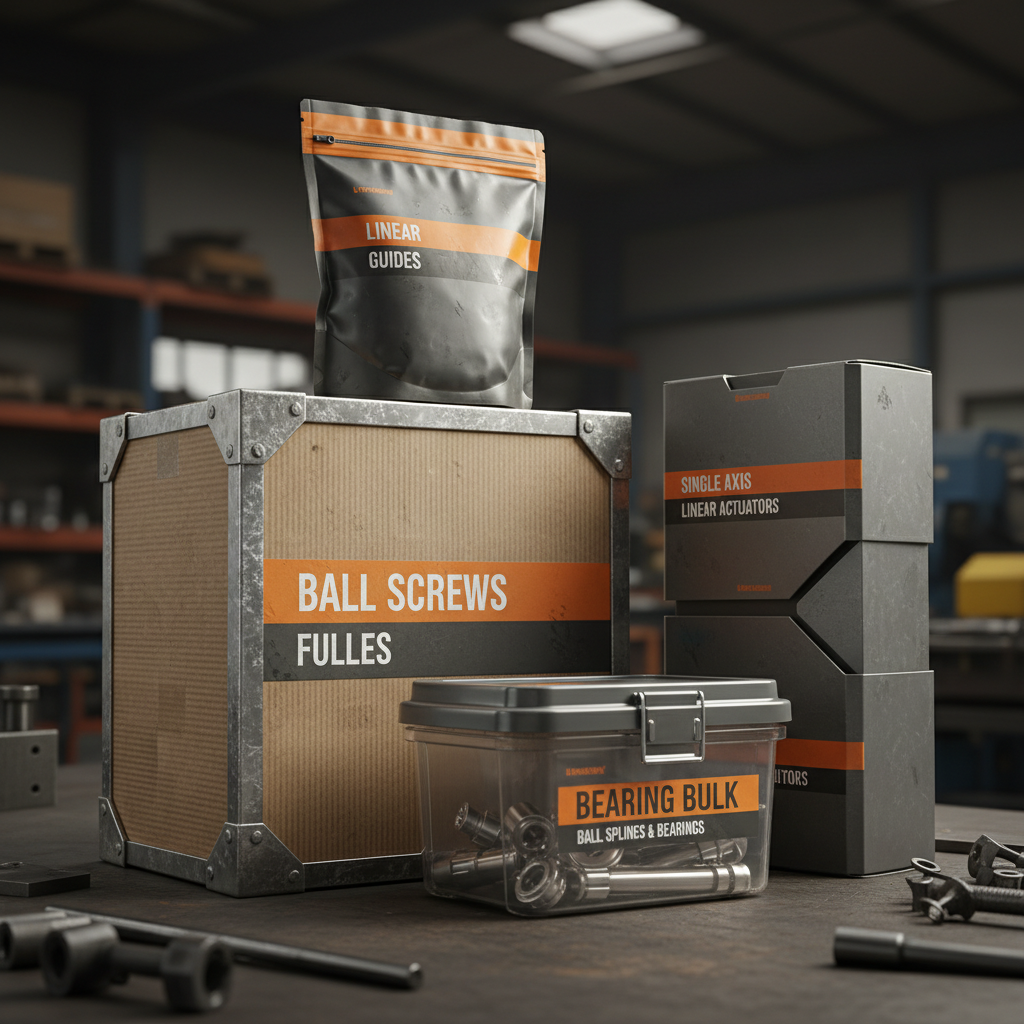
Understanding the Importance of Bearing and Seal Selection
In the world of machinery and industrial equipment, the reliable operation of bearings and seals is paramount. These seemingly small components play a critical role in reducing friction, supporting loads, and preventing contamination – ultimately impacting the efficiency, longevity, and overall performance of any mechanical system. Choosing the right bearing and seal for a specific application is not a one-size-fits-all process. It requires careful consideration of numerous factors, and understanding the intricacies of these components is essential for engineers, maintenance personnel, and anyone involved in industrial operations. This article will delve into the world of bearings and seals, covering key types, selection criteria, and best practices.
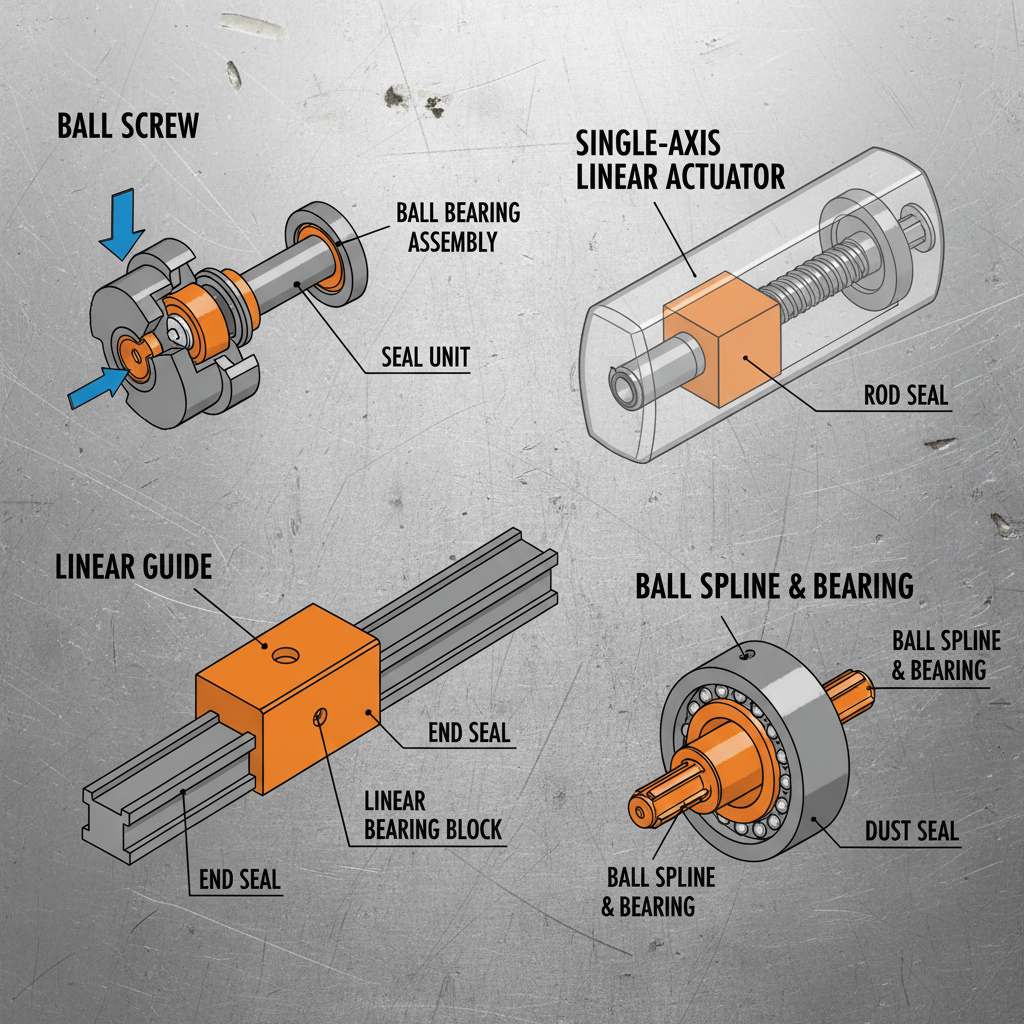
Types of Bearings: A Comprehensive Overview
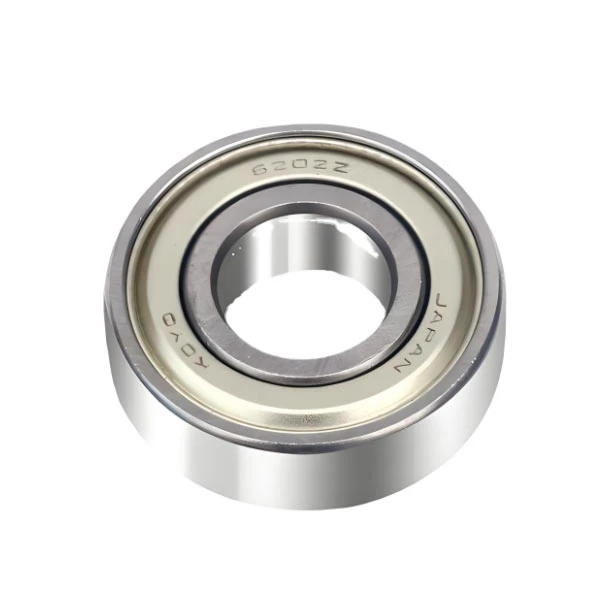
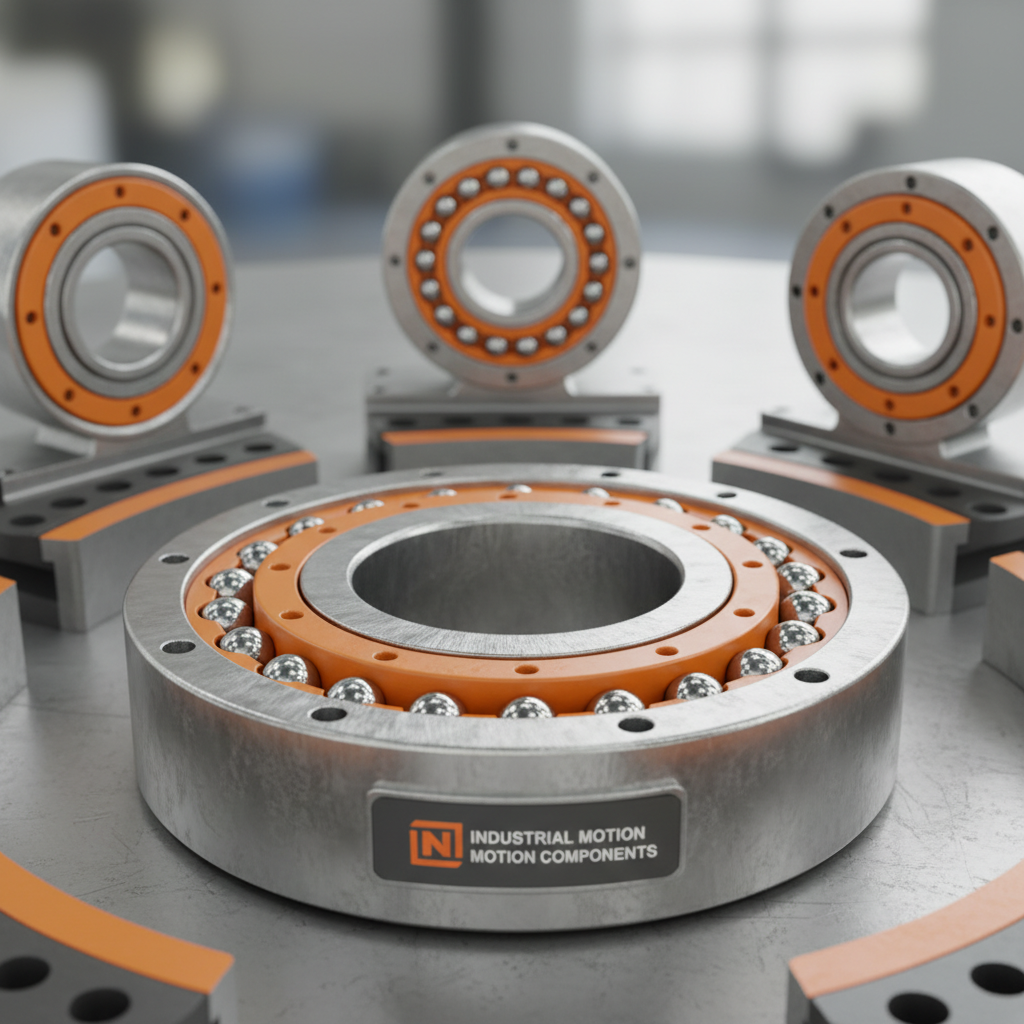
Bearings come in various designs, each suited for specific load conditions, speeds, and application requirements. Some common types include ball bearings, roller bearings (cylindrical, tapered, spherical, and needle), and plain bearings. Yidi Bearings offers a wide range of these bearing types, manufactured to stringent quality standards. Ball bearings are excellent for high-speed applications with lighter loads, while roller bearings excel in handling heavier radial loads. Plain bearings are cost-effective and suitable for low-speed, high-load applications where lubrication is effectively maintained. Understanding the strengths and weaknesses of each type is crucial for making informed decisions.
Key Consideration: Selecting the appropriate bearing type directly impacts the longevity, performance, and cost-effectiveness of your machinery.
Seal Types and Their Applications
Just as bearings vary in design, seals also come in a multitude of forms. Common seal types include lip seals, O-rings, mechanical seals, and labyrinth seals. Lip seals are versatile and cost-effective for general sealing applications. O-rings are simple, compact, and widely used for static and dynamic sealing. Mechanical seals provide a more robust and reliable seal for high-pressure and high-speed applications. Labyrinth seals are non-contacting seals ideal for high-speed and high-temperature environments. The selection of the right seal depends on factors such as pressure, temperature, fluid compatibility, and rotational speed.
Seal Selection Benefits:
• Prevents contamination of critical components
• Retains lubricants
• Maintains system pressure
• Improves overall equipment reliability
Bearing and Seal Materials: Matching the Environment
The materials used in the construction of bearings and seals are crucial for ensuring their performance and longevity. Common bearing materials include steel, stainless steel, ceramics, and polymers. Seal materials include elastomers (NBR, Viton, Silicone), PTFE, and metals. The choice of material depends on factors such as operating temperature, fluid compatibility, and the presence of corrosive elements. For example, stainless steel bearings are preferred in corrosive environments, while Viton seals offer excellent resistance to chemicals and high temperatures. Yidi Bearings provides materials options to suit a wide range of application requirements.
Proper Lubrication: Extending Bearing and Seal Life
Lubrication is vital for minimizing friction, reducing wear, and dissipating heat within bearings. The type of lubricant used (grease, oil, or solid lubricant) depends on the bearing type, speed, and operating temperature. Similarly, proper sealing prevents lubricant from escaping and contaminants from entering. Regular inspection of seals and relubrication schedules are essential for maintaining optimal performance. Failure to properly lubricate and seal bearings can lead to premature failure and costly downtime. Yidi Bearings can provide guidance on optimal lubrication practices.
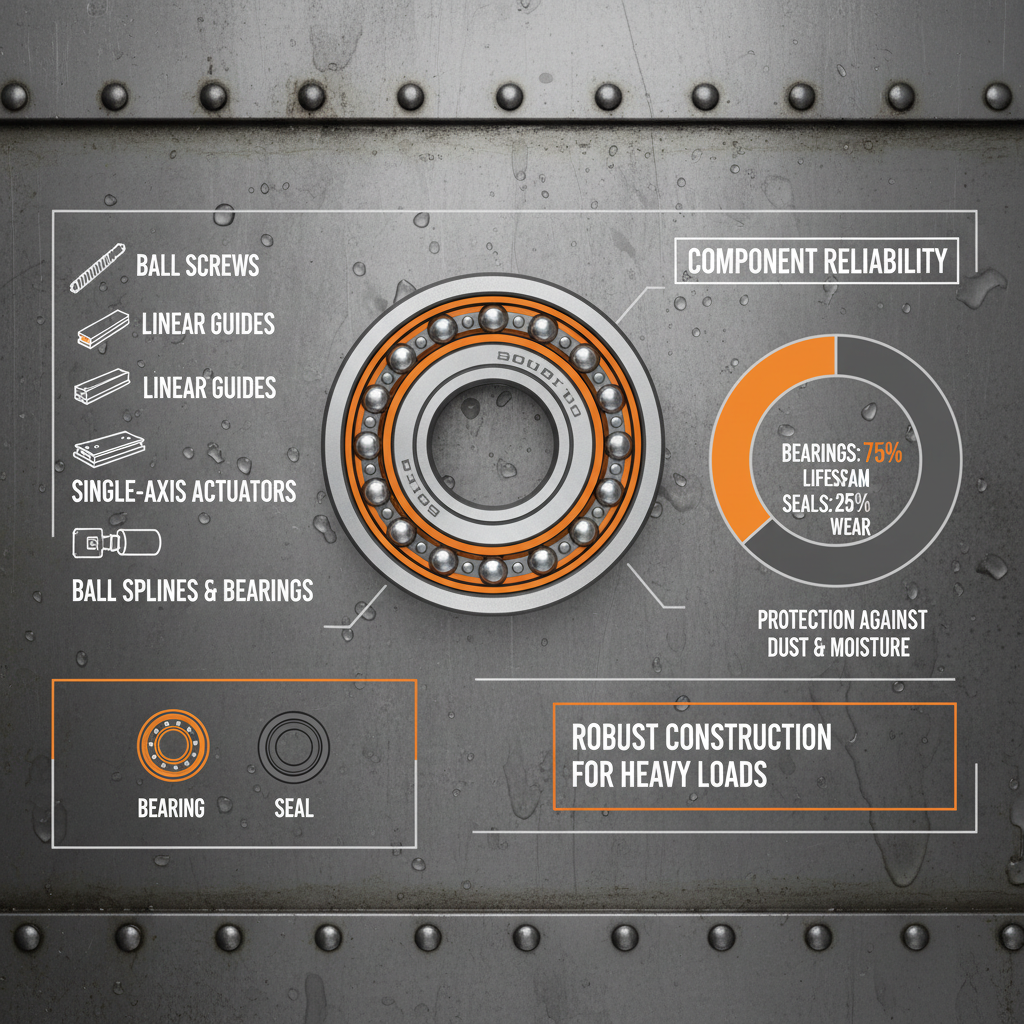
Conclusion: Partnering with a Reliable Supplier
Selecting the right bearing and seal is a critical process that impacts the reliability, efficiency, and cost-effectiveness of your equipment. By understanding the various types, materials, and lubrication requirements, you can make informed decisions that optimize performance and minimize downtime. Partnering with a reputable supplier like Yidi Bearings ensures access to high-quality products, expert technical support, and a commitment to customer satisfaction. Investing in quality bearings and seals is an investment in the long-term health of your operations.
Frequently Asked Questions (FAQs)
What are the signs that a bearing needs to be replaced?
Several indicators suggest a bearing is failing and needs replacement. These include unusual noises (grinding, squealing), increased vibration, excessive heat, and decreased performance. If you notice any of these symptoms, it's crucial to inspect the bearing and potentially replace it to prevent further damage to connected equipment. Ignoring these signs can lead to catastrophic failures and costly repairs. Look for signs of wear such as pitting, spalling, or discoloration. A skilled technician can accurately diagnose the problem and recommend the appropriate course of action.
How often should seals be inspected?
Seal inspections should be part of a regular maintenance schedule. The frequency depends on the application and operating conditions. For critical applications or harsh environments, monthly inspections are recommended. For less demanding applications, quarterly or semi-annual inspections may suffice. Look for signs of cracking, wear, leakage, or damage. Replacing worn seals proactively prevents contamination and lubricant loss, extending the life of connected components.
What is the importance of proper bearing installation?
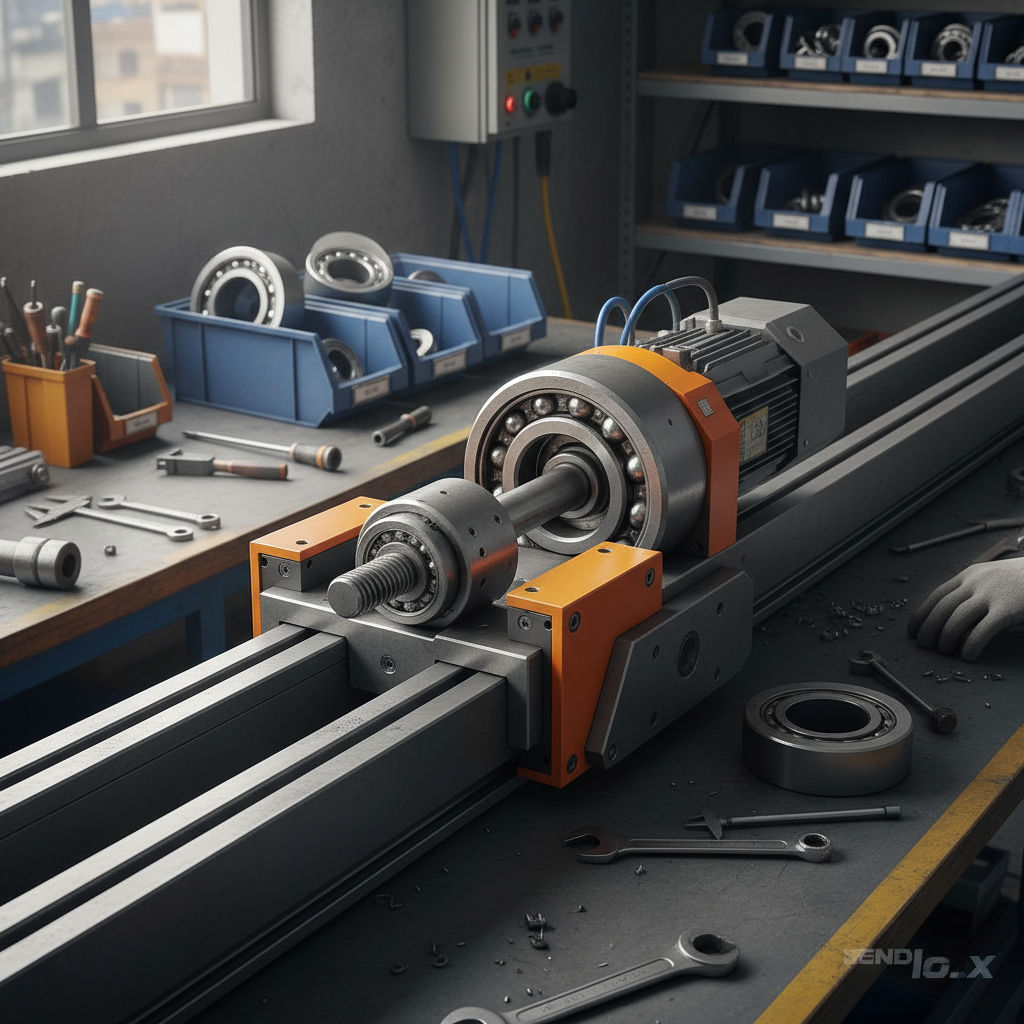
Proper bearing installation is paramount for ensuring optimal performance and longevity. Incorrect installation can introduce stresses that lead to premature failure. Key considerations include ensuring proper alignment, using appropriate mounting techniques, and applying the correct amount of pre-load. Utilizing specialized tools and following the manufacturer's instructions are essential. A poorly installed bearing is likely to fail prematurely, regardless of its quality.
Can I use different types of grease in the same bearing application?
Generally, it's not recommended to mix different types of grease in the same bearing application. Different greases have varying compositions and properties, and mixing them can lead to incompatibility issues, such as reduced lubrication effectiveness or grease thickening. Always consult the bearing manufacturer's recommendations regarding the appropriate grease type. If a grease change is necessary, thoroughly clean the bearing to remove all traces of the old grease before applying the new one.