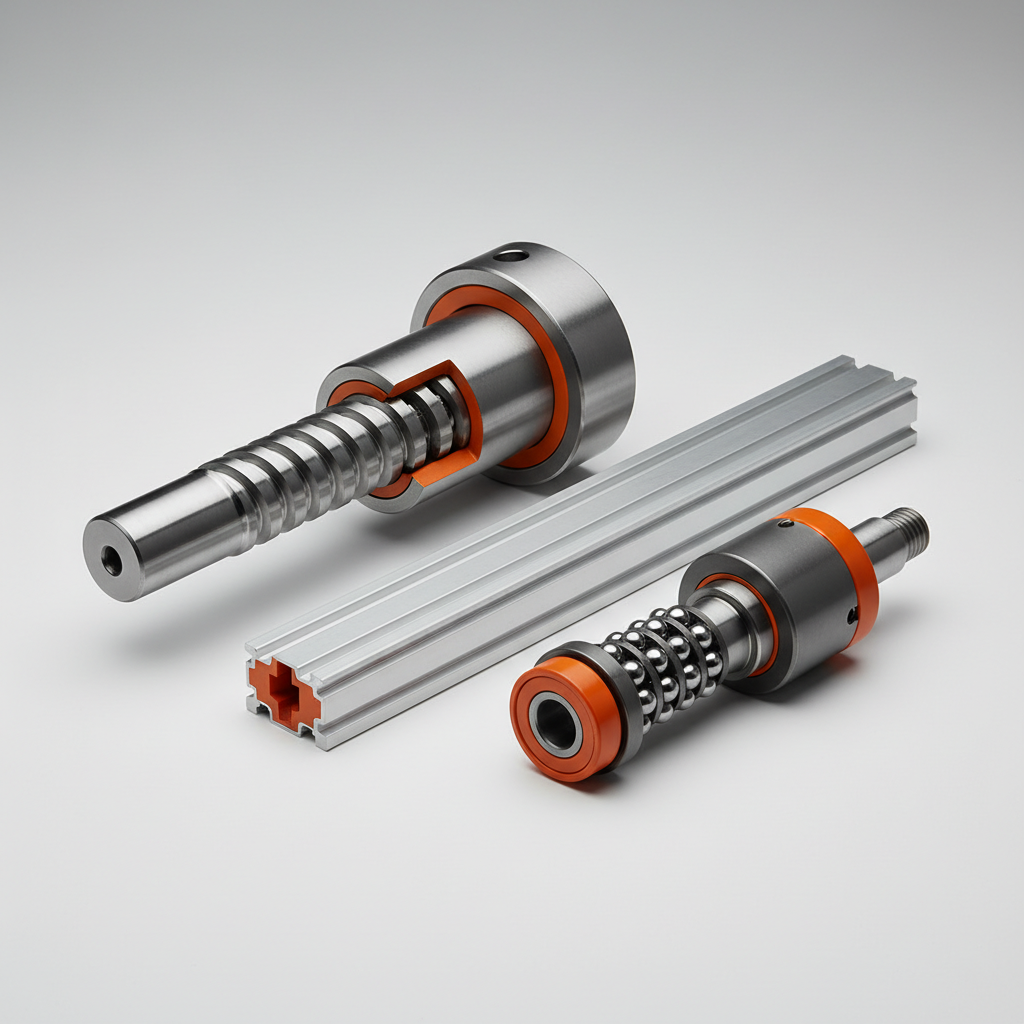
Understanding Bearing Bulk Purchases: A Comprehensive Guide
When it comes to sourcing bearings for industrial applications, or large-scale projects, understanding bearing bulk purchases is critical. It's not just about getting a lower per-unit price; it's about ensuring consistent quality, reliable delivery, and a strategic supply chain. This article will delve into the benefits, considerations, and best practices for acquiring bearings in bulk quantities, especially focusing on how Yidi Bearings can streamline your sourcing process. We’ll explore the advantages of bulk ordering, key factors to evaluate suppliers, and how to optimize your bearing inventory.
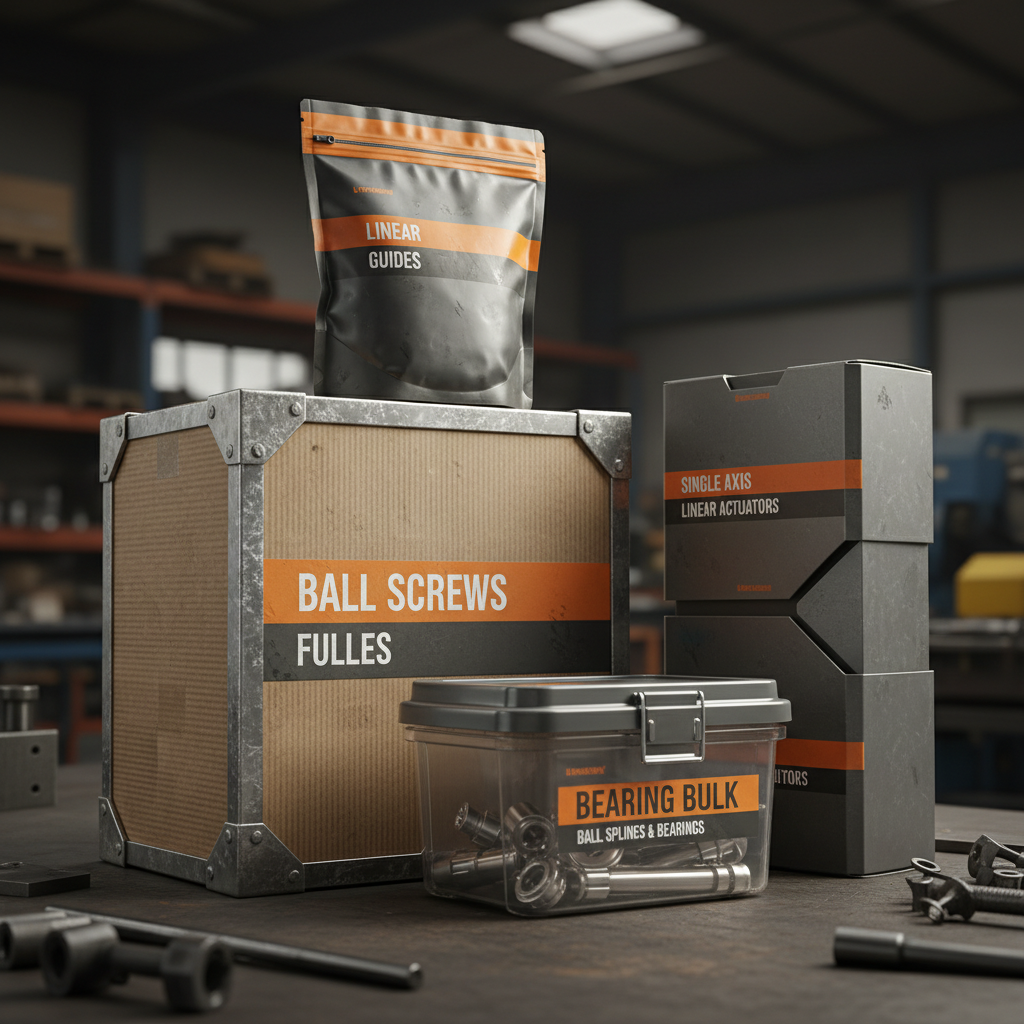
The Advantages of Purchasing Bearings in Bulk
Buying bearings in bulk offers numerous advantages over smaller, frequent orders. The most obvious benefit is cost savings, as suppliers typically offer significant discounts for larger quantities. This can drastically reduce your overall project expenses, especially for long-term maintenance or large production runs. Beyond price, bulk purchases also lead to reduced procurement costs – fewer orders mean less administrative overhead and time spent on vendor management. Furthermore, establishing a strong relationship with a supplier for bulk orders can secure priority access to stock, minimizing downtime due to bearing shortages. Finally, it allows for better inventory management and forecasting.
Key Benefits: Significant cost savings, reduced procurement costs, priority stock access, improved inventory management and streamlined logistics.
Key Considerations When Sourcing Bearing Bulk Orders
Before committing to a bearing bulk order, careful consideration of several factors is crucial. Supplier reliability is paramount – look for a supplier with a proven track record of delivering quality products on time. Quality control processes should be robust, with certifications like ISO 9001. Bearing specifications must be precisely defined to ensure compatibility with your application. Lead times need to align with your project schedule, and minimum order quantities (MOQs) should be realistic for your needs. Finally, it’s important to understand the supplier’s return and warranty policies in case of defects or issues.
Essential Supplier Evaluation Criteria:
• Proven track record and reliability
• Robust quality control processes (e.g., ISO 9001)
• Clear understanding of bearing specifications
• Reasonable lead times and MOQs
• Comprehensive return and warranty policies
Bearing Bulk: A Comparative Look at Different Bearing Types
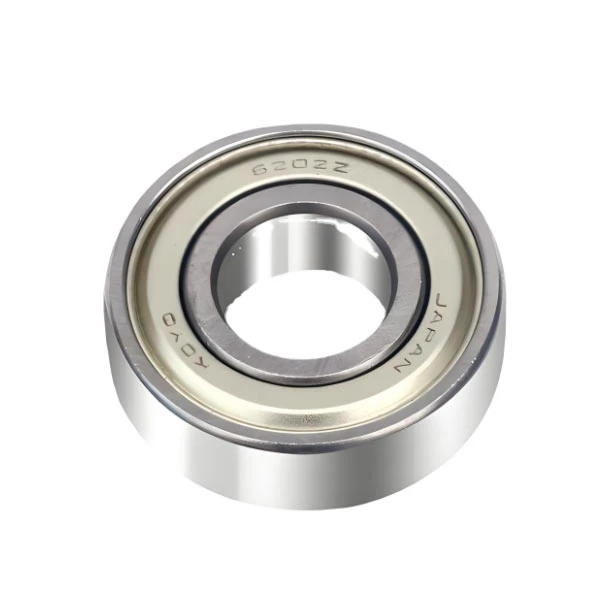
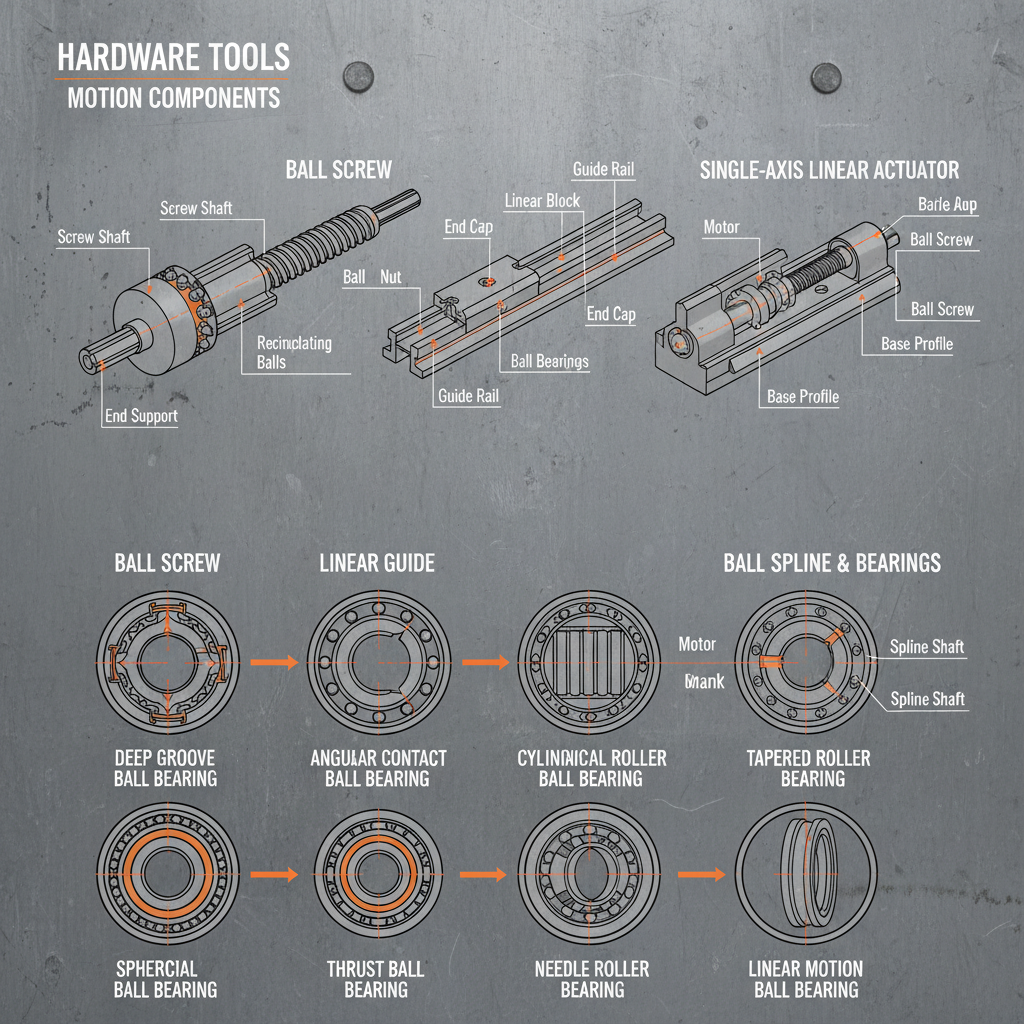
Different bearing types have varying price points and suitability for bulk purchasing. Here's a comparison to help you make informed decisions. Deep groove ball bearings are often the most cost-effective for high-volume orders, while tapered roller bearings may be more expensive due to their specialized construction. Angular contact ball bearings, suited for high-speed applications, often have higher price points as well. Selecting the right type for your application will not only impact performance but also the overall cost of your bearing bulk purchase.
Why Choose Yidi Bearings for Your Bulk Bearing Needs?
Yidi Bearings specializes in providing high-quality bearings in bulk quantities, serving a diverse range of industries globally. We offer competitive pricing, a wide selection of bearing types and sizes, and a commitment to exceptional customer service. Our rigorous quality control processes ensure that every bearing meets or exceeds industry standards. We also offer custom bearing solutions to meet specific application requirements. With efficient logistics and a dedicated support team, we simplify the bearing bulk ordering process, allowing you to focus on your core business.
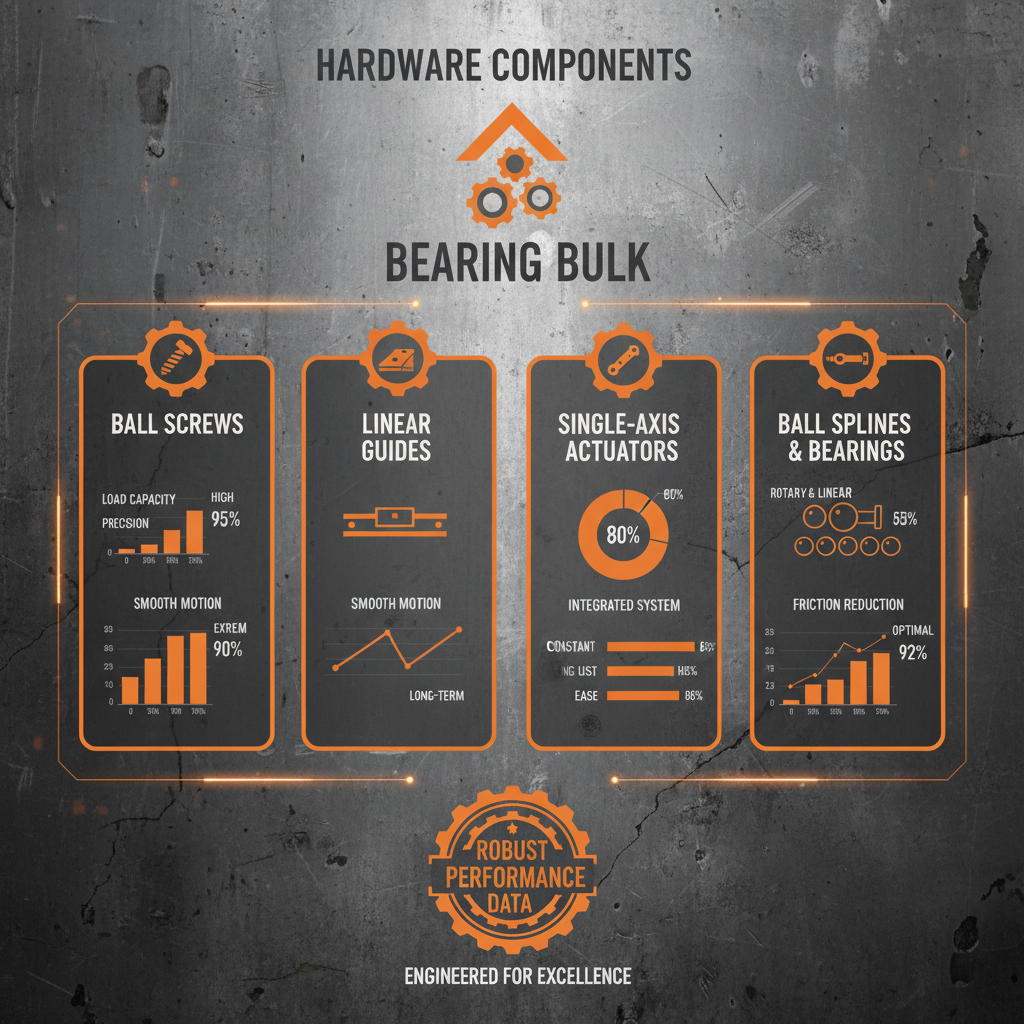
Optimizing Your Bearing Inventory Management
Effective inventory management is crucial when purchasing bearings in bulk. Implement a system for tracking bearing usage and reorder points to avoid stockouts or excessive inventory. Consider using a Just-In-Time (JIT) inventory approach, where bearings are delivered as needed, minimizing storage costs. Regularly assess your bearing needs and adjust your order quantities accordingly. Collaborate with your supplier, like Yidi Bearings, to forecast demand and optimize your supply chain.
Conclusion: Secure Your Supply with Strategic Bulk Bearing Purchases
Purchasing bearings in bulk from a reliable supplier like Yidi Bearings is a smart investment that can significantly reduce costs, improve efficiency, and ensure a consistent supply of critical components. By carefully considering your needs and partnering with a trusted provider, you can optimize your bearing inventory and streamline your operations.
Frequently Asked Questions (FAQs)
What is the typical lead time for a bulk bearing order?
Lead times can vary depending on the bearing type, quantity ordered, and current production schedules. Generally, standard bearings in large quantities can be delivered within 4-8 weeks. For customized bearings or larger orders, lead times may extend to 8-12 weeks. Yidi Bearings provides accurate lead time estimates during the quoting process and keeps clients informed of any potential delays. We prioritize efficient logistics to ensure timely delivery.
What payment options do you offer for bulk orders?
We offer flexible payment options for bulk bearing orders, including telegraphic transfer (TT), Letter of Credit (LC), and in some cases, credit terms for established customers. The specific terms will be discussed during the negotiation process. We aim to provide convenient and secure payment solutions to facilitate a smooth transaction. A detailed invoice outlining the order details and payment instructions will be provided prior to shipment.
Do you offer custom bearing solutions?
Yes, Yidi Bearings specializes in custom bearing solutions to meet unique application requirements. We can manufacture bearings to specific dimensions, materials, and tolerances. Our engineering team works closely with clients to understand their needs and provide tailored solutions. Custom bearing orders are subject to minimum order quantities and extended lead times.