Understanding Angular Bearings: A Comprehensive Guide
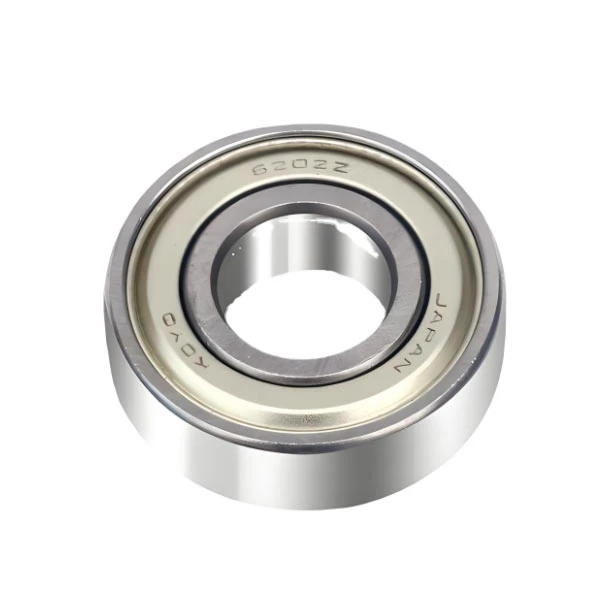
Angular contact ball bearings are a critical component in many industrial applications, known for their ability to handle both radial and axial loads simultaneously. These bearings are designed with a specific contact angle, allowing them to support heavy thrust loads in one direction. Understanding their features, applications, and proper selection is essential for maximizing performance and extending equipment lifespan. Yidi Bearings specializes in providing high-quality angular contact ball bearings tailored to diverse industrial needs. Choosing the right angular bearing can significantly improve the efficiency and reliability of your machinery.
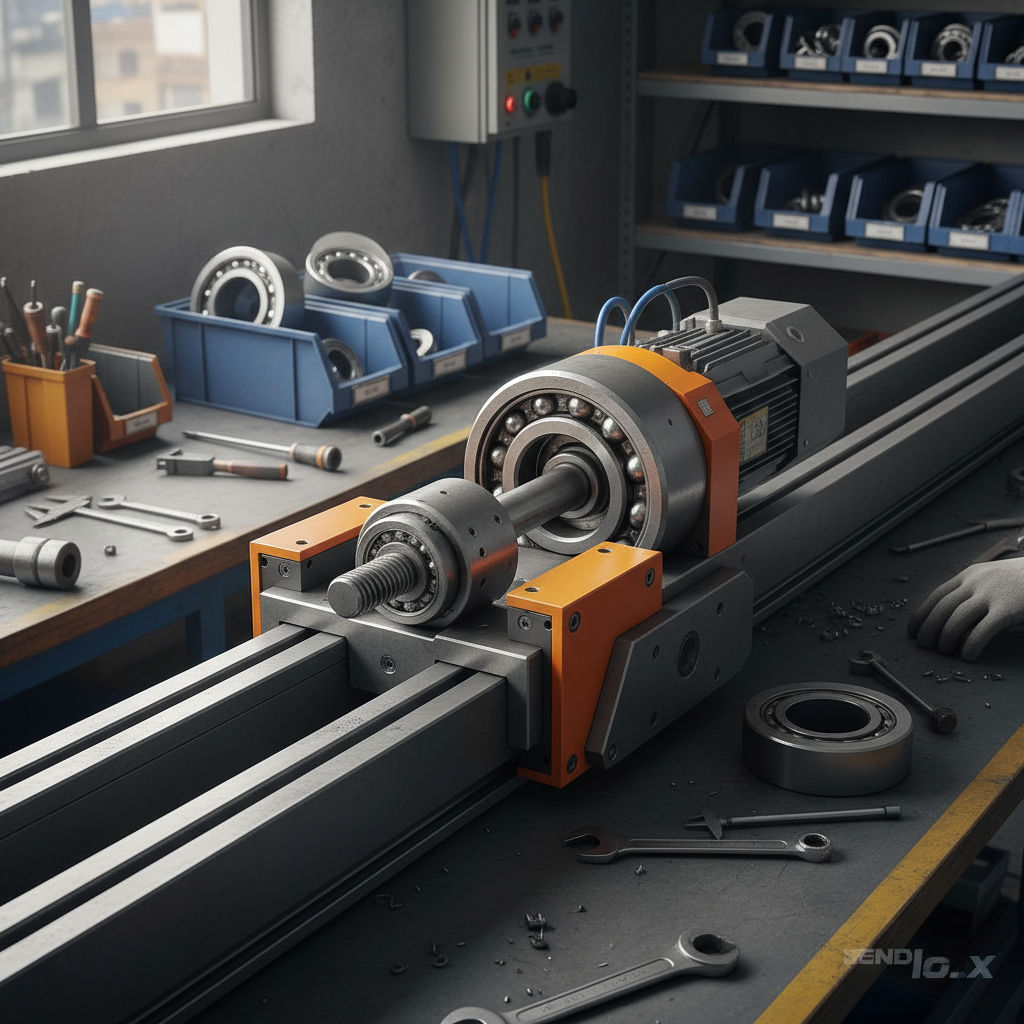
What are Angular Contact Ball Bearings?
Angular contact ball bearings are designed to accommodate combined loads – both radial (perpendicular to the shaft) and axial (parallel to the shaft). The "contact angle" is the angle between the ball’s race and the bearing axis. This angle is key to their functionality, enabling them to handle significant thrust loads in one direction. They are typically used in pairs or sets, with the contact angles oriented in opposite directions to balance the axial load. The precision manufacturing and robust construction of Yidi's angular contact bearings ensure consistent performance even under demanding conditions.
Key Highlights: Designed to handle combined radial and axial loads; Utilize a contact angle to support thrust loads; Typically used in pairs for balanced axial support.
Key Features of Angular Contact Ball Bearings
Several features contribute to the performance of angular contact ball bearings. These include: high-precision manufacturing for accurate load distribution, robust cage materials (often made of nylon, brass, or steel) to maintain ball separation, and a variety of sealing options to prevent contamination. The preloading of these bearings is crucial, as it determines the rigidity and load-carrying capacity. Yidi Bearings offers preloaded options tailored to specific application requirements.
Key Features:
• High-precision manufacturing for accurate load distribution
• Robust cage materials (nylon, brass, steel)
• Variety of sealing options for contamination prevention
• Preloading options for rigidity and load capacity
Applications of Angular Contact Ball Bearings
Angular contact ball bearings are used in a wide range of applications where combined loads and high speeds are present. Common examples include: machine tool spindles, pumps, compressors, gearboxes, high-precision motors, and various types of industrial machinery. Their ability to handle axial loads makes them ideal for applications where shaft deflection needs to be minimized. Yidi Bearings provides custom solutions for specialized applications requiring unique bearing designs and materials.
Selecting the Right Angular Contact Bearing
Choosing the right angular contact bearing requires careful consideration of several factors, including the load direction and magnitude, operating speed, temperature, and environmental conditions. It's crucial to select bearings with the appropriate contact angle and preloading to ensure optimal performance. Yidi Bearings' expert engineers can assist you in selecting the best bearing solution for your specific application. Proper lubrication and mounting techniques are also vital for maximizing bearing lifespan and minimizing maintenance requirements.
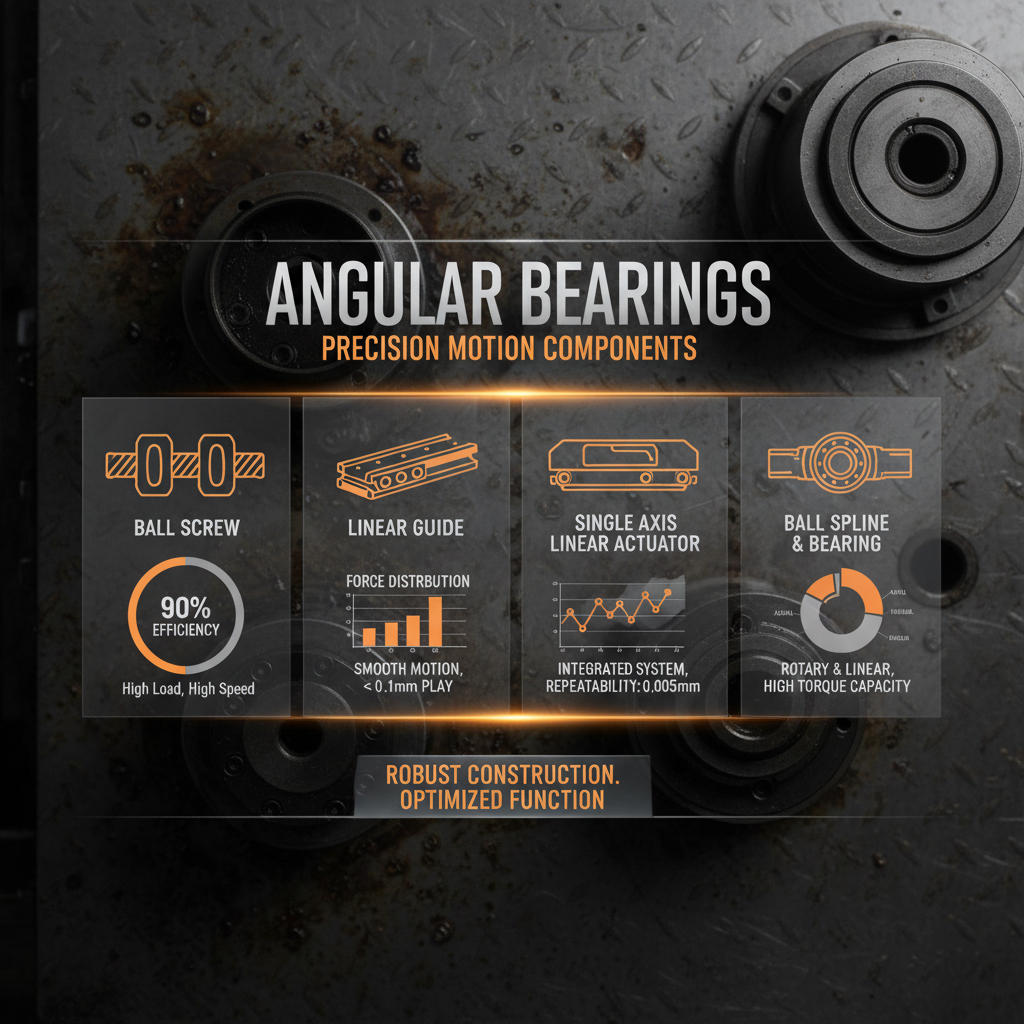
Angular Contact Bearing Specifications & Standards
Angular contact ball bearings adhere to international standards, such as ISO and ABMA, ensuring quality and interchangeability. Key specifications to consider include bore diameter, outside diameter, width, contact angle, and preloading. Material selection is also crucial, with options including bearing steel, stainless steel, and ceramic materials. Yidi Bearings offers a comprehensive range of angular contact bearings meeting various industry standards.
Conclusion: Choosing Quality Angular Contact Bearings with Yidi
Investing in high-quality angular contact ball bearings from Yidi Bearings is crucial for ensuring the reliability and efficiency of your machinery. Our extensive range, coupled with expert technical support, allows us to provide tailored solutions to meet your specific needs. Don't compromise on performance – choose Yidi Bearings for superior quality and lasting value.
Frequently Asked Questions (FAQs)
What is the importance of preloading in angular contact ball bearings?
Preloading refers to applying an initial load to the bearing during installation. This eliminates internal clearances and provides rigidity, improving the bearing’s ability to handle axial loads and maintain precise positioning. Proper preloading is crucial for achieving optimal performance and preventing premature failure. Insufficient preloading can lead to noise, vibration, and reduced load capacity, while excessive preloading can cause increased friction and heat generation. Yidi Bearings offers preloaded bearings tailored to specific application requirements.
How do I determine the correct contact angle for my application?
The correct contact angle depends on the relative magnitudes of the radial and axial loads. A larger contact angle is suitable for applications with higher axial loads, while a smaller angle is better for applications with predominantly radial loads. Consulting with a bearing specialist is recommended to determine the optimal contact angle for your specific application. Yidi Bearings’ team of experts can provide guidance on selecting the appropriate bearing configuration.
What is the typical lifespan of an angular contact ball bearing?
The lifespan of an angular contact ball bearing depends on various factors, including load, speed, lubrication, and operating environment. Under normal operating conditions, a well-maintained bearing can last for several years. However, factors such as contamination, improper lubrication, and excessive loads can significantly reduce its lifespan. Regular inspection and proper maintenance are crucial for maximizing bearing longevity. Yidi Bearings provides lubrication recommendations and maintenance guidelines to help extend the life of your bearings.