Understanding Axial Bearings: A Comprehensive Guide
Axial bearings are crucial components in numerous mechanical systems, designed to support loads primarily acting parallel to the shaft's axis. Unlike radial bearings, which handle forces perpendicular to the shaft, axial bearings manage thrust loads. Choosing the right axial bearing is paramount for optimal performance and longevity of your equipment. This article will provide a detailed exploration of axial bearings, covering their types, applications, advantages, and key considerations for selection. Properly understanding these bearings can significantly improve the efficiency and reliability of your machinery.
Types of Axial Bearings
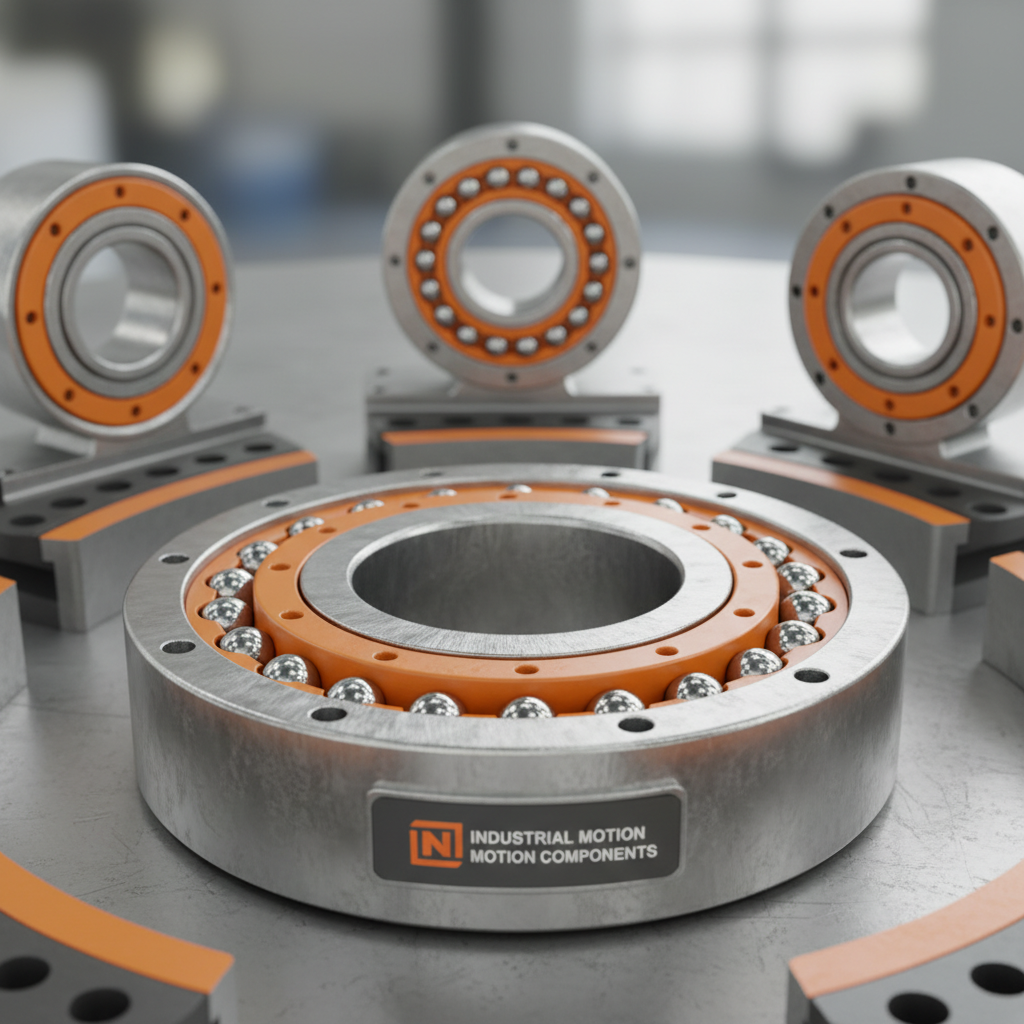
There are several types of axial bearings, each suited for different applications and load capacities. The most common include:
- Thrust Ball Bearings: Suitable for low to moderate speeds and light to medium loads. They’re relatively inexpensive and can accommodate misalignment.
- Thrust Roller Bearings: Designed for higher loads and lower speeds. They come in cylindrical, spherical, and tapered roller varieties, offering greater load-carrying capacity than ball bearings.
- Spherical Thrust Roller Bearings: Can accommodate both axial loads and radial loads, as well as misalignment. They are often used in heavy-duty applications.
- Hydrostatic/Hydrodynamic Thrust Bearings: Utilize a fluid film to support the load, offering extremely high load capacities and smooth operation, but require a constant fluid supply.
Applications of Axial Bearings
Axial bearings are integral to a wide range of industrial applications. Some prominent examples include:
- Automotive Industry: In gearboxes and transmissions to handle thrust loads from helical gears.
- Aerospace: In aircraft engine main shafts and propeller bearings where high axial loads are encountered.
- Heavy Machinery: In cranes, winches, and other lifting equipment to support the weight and manage thrust forces.
- Oil & Gas: In pumps and compressors dealing with significant axial loads generated during operation.
- Marine Propulsion: Supporting propeller shafts in ships and boats.
Key Takeaway: Axial bearings effectively manage thrust loads, increasing the lifespan and efficiency of rotating machinery across numerous industries.
Axial Bearing Selection: Key Considerations
Selecting the appropriate axial bearing requires careful consideration of several factors. These include:
- Load Capacity: The maximum axial load the bearing must support.
- Speed: The rotational speed of the shaft.
- Misalignment: Whether the shaft is likely to be misaligned.
- Operating Environment: Temperature, lubrication, and exposure to contaminants.
- Space Constraints: The available space for the bearing.
Properly assessing these factors will help you choose a bearing that delivers optimal performance and reliability.
Comparing Popular Axial Bearing Types
Here’s a comparison of some common axial bearing types to help you make an informed decision:
Choosing the Right Supplier for Your Axial Bearing Needs
Selecting a reputable supplier is just as important as choosing the right bearing type. Look for suppliers like Yidi Bearings that offer:
- A Wide Range of Products: Catering to various applications and specifications.
- Technical Expertise: Providing support and guidance in bearing selection.
- Quality Assurance: Ensuring bearings meet industry standards and deliver reliable performance.
- Competitive Pricing: Offering value for your investment.
- Timely Delivery: Meeting your project deadlines.
Conclusion: Optimizing Performance with Axial Bearings
Understanding the nuances of axial bearings is critical for maximizing the efficiency and longevity of your machinery. By carefully considering load capacity, speed, misalignment, and environmental factors, and by partnering with a trusted supplier like Yidi Bearings, you can ensure optimal performance and minimize downtime. Investing in the right axial bearing solution is an investment in the reliability and profitability of your operations.
Frequently Asked Questions (FAQs)
What is the difference between an axial bearing and a radial bearing?
The fundamental difference lies in the direction of the load they support. Axial bearings are designed to handle loads parallel to the shaft axis (thrust loads), while radial bearings handle loads perpendicular to the shaft axis. While some bearings can handle a combination of both, their primary design focus differs. Axial bearings are crucial in applications where there's significant thrust, such as gears and propellers. Choosing the correct type depends on the predominant load direction within the application.
How do I determine the appropriate load capacity for an axial bearing?
Determining the appropriate load capacity involves a thorough analysis of the operating conditions. Consider the maximum thrust load the bearing will experience during normal operation, as well as potential peak loads during startup, shutdown, or unexpected events. It's generally advisable to select a bearing with a load capacity significantly higher than the maximum anticipated load to provide a safety factor and prolong the bearing's lifespan. Consult engineering handbooks or a bearing specialist for guidance on accurate load calculations.
What lubrication methods are commonly used with axial bearings?
Common lubrication methods for axial bearings include grease lubrication, oil bath lubrication, and oil mist lubrication. Grease lubrication is simple and cost-effective for lower-speed applications. Oil bath lubrication provides continuous lubrication and cooling for higher-speed applications. Oil mist lubrication delivers a fine mist of oil directly to the bearing surfaces, offering excellent cooling and lubrication. The choice of lubrication method depends on the bearing type, speed, load, and operating environment. Proper lubrication is vital for reducing friction, wear, and heat buildup.