Understanding Alternator Bearing Performance and Selection
The alternator bearing is a critical component within the charging system of a vehicle, responsible for enabling smooth rotation of the alternator rotor. Its efficiency directly impacts the vehicle's electrical output and overall performance. Choosing the right alternator bearing is crucial for maximizing alternator lifespan and ensuring reliable vehicle operation. This article will delve into the function, types, maintenance, and selection criteria for alternator bearings, providing a comprehensive guide for automotive professionals and enthusiasts. Proper bearing selection prevents premature failure and costly repairs.
How Does an Alternator Bearing Function?
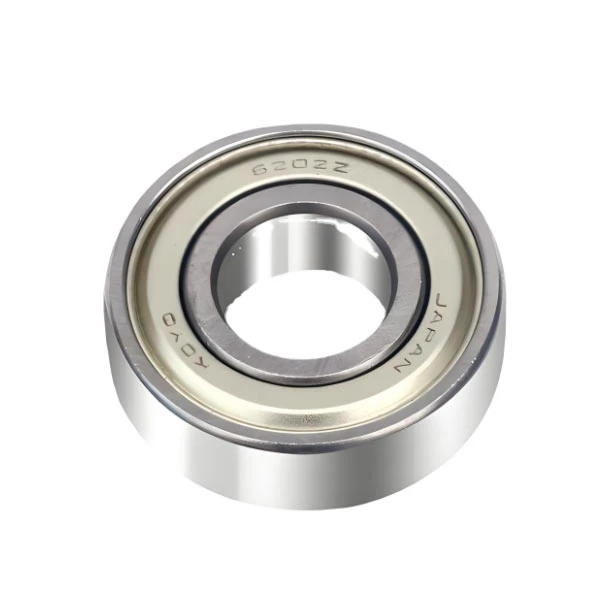
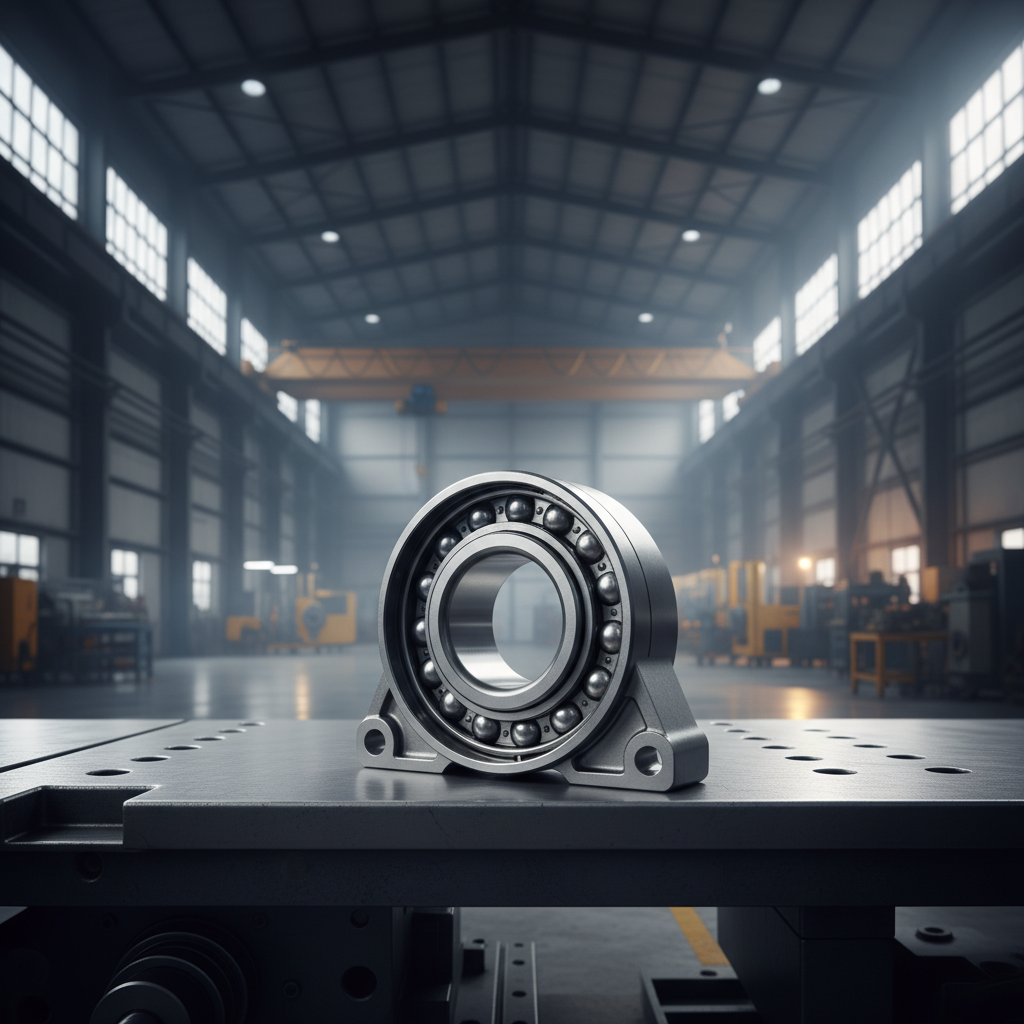
The primary function of an alternator bearing is to reduce friction between the rotating parts of the alternator – specifically, the rotor and stator. This allows the rotor to spin freely with minimal energy loss. A high-quality alternator bearing minimizes resistance, enabling the alternator to efficiently convert mechanical energy into electrical energy. The bearing must withstand significant radial and axial loads, as well as operate at high speeds and temperatures. Failure of the bearing can lead to alternator noise, reduced charging output, and ultimately, complete alternator failure.
Key Points: The alternator bearing reduces friction, supports the rotor, and enables efficient energy conversion. Its reliability is paramount for maintaining a functional charging system.
Types of Alternator Bearings
Several types of bearings are commonly used in alternators, each with its own advantages and disadvantages. The most prevalent types include ball bearings and tapered roller bearings. Ball bearings are known for their high-speed capabilities and lower cost, making them suitable for many automotive applications. Tapered roller bearings offer greater load-carrying capacity and are often used in heavier-duty alternators. Selecting the appropriate bearing type depends on the alternator's design, operating conditions, and performance requirements.
Bearing Type Comparison:
• Ball Bearings: High speed, lower cost, suitable for lighter loads.
• Tapered Roller Bearings: High load capacity, excellent for heavy-duty applications.
Choosing the Right Alternator Bearing: Key Considerations
Selecting the correct alternator bearing involves considering several factors. Load capacity, speed requirements, operating temperature, and environmental conditions are all critical. Using a bearing with insufficient load capacity can lead to premature failure, while a bearing not designed for high speeds may overheat and seize. It’s crucial to match the bearing type and specifications to the alternator manufacturer's recommendations. Yidibearings offers a wide range of high-quality alternator bearings designed to meet diverse automotive needs.
Maintaining Alternator Bearings for Longevity
Regular maintenance can significantly extend the life of an alternator bearing. Proper lubrication is essential, ensuring the bearing operates smoothly and minimizes friction. Periodic inspections for signs of wear, such as noise, vibration, or play, can help identify potential problems before they escalate. Avoid over-tightening the bearing, as this can cause premature failure. Using high-quality grease specifically designed for automotive bearings is highly recommended.
Signs of a Failing Alternator Bearing
Recognizing the signs of a failing alternator bearing is crucial for preventing further damage. Common symptoms include whining or grinding noises emanating from the alternator, increased alternator temperature, dimming headlights, and a warning light on the dashboard indicating charging system issues. If you suspect a bearing failure, it’s best to have the alternator inspected by a qualified technician.
Conclusion: Ensuring Reliable Charging with Quality Bearings
Investing in high-quality alternator bearings from a trusted supplier like Yidibearings is essential for maintaining a reliable charging system. Proper selection, maintenance, and timely replacement of worn bearings can prevent costly alternator failures and ensure optimal vehicle performance. Don't compromise on quality when it comes to your vehicle's electrical system.
Frequently Asked Questions (FAQs)
What type of grease should I use for alternator bearings?
It's crucial to use a high-quality lithium-based grease specifically formulated for automotive bearings. This type of grease provides excellent lubrication at high speeds and temperatures, and it also resists oxidation and water washout. Avoid using general-purpose greases, as they may not offer sufficient protection and could lead to premature bearing failure. Always check the bearing manufacturer's recommendations for specific grease requirements.
How often should I inspect my alternator bearing?
Ideally, you should inspect the alternator bearing during routine vehicle maintenance, approximately every 30,000 to 50,000 miles, or annually. Look for any signs of play, roughness, or unusual noises when rotating the alternator pulley by hand. Also, check for grease leakage around the bearing seals. Early detection of potential issues can prevent more significant problems down the road.
Can I replace the alternator bearing myself?
Replacing an alternator bearing can be a challenging task requiring specialized tools and technical expertise. It often involves removing the alternator from the vehicle, disassembling it, pressing the old bearing out, and pressing the new bearing in. If you're not comfortable with these procedures, it's best to entrust the job to a qualified automotive technician. Incorrect installation can damage the alternator and lead to premature bearing failure.
What causes premature alternator bearing failure?
Several factors can contribute to premature alternator bearing failure, including improper lubrication, contamination from dirt and debris, excessive load on the alternator, and overheating. Also, misalignment of the alternator pulley can put undue stress on the bearing. Regular maintenance, proper installation, and operating the vehicle within its recommended parameters can help prevent these issues.