Understanding Ball Screw Bearings: A Comprehensive Guide
Ball screw bearings are critical components in a wide range of precision motion control systems. They convert rotational motion into linear motion with exceptional efficiency and accuracy. This article will provide a detailed overview of ball screw bearings, covering their construction, types, applications, advantages, and maintenance. Whether you’re an engineer, a designer, or simply curious about this fascinating technology, this guide will offer valuable insights. Properly selecting and maintaining these bearings is crucial for optimal performance and longevity of your equipment.
How Ball Screw Bearings Work
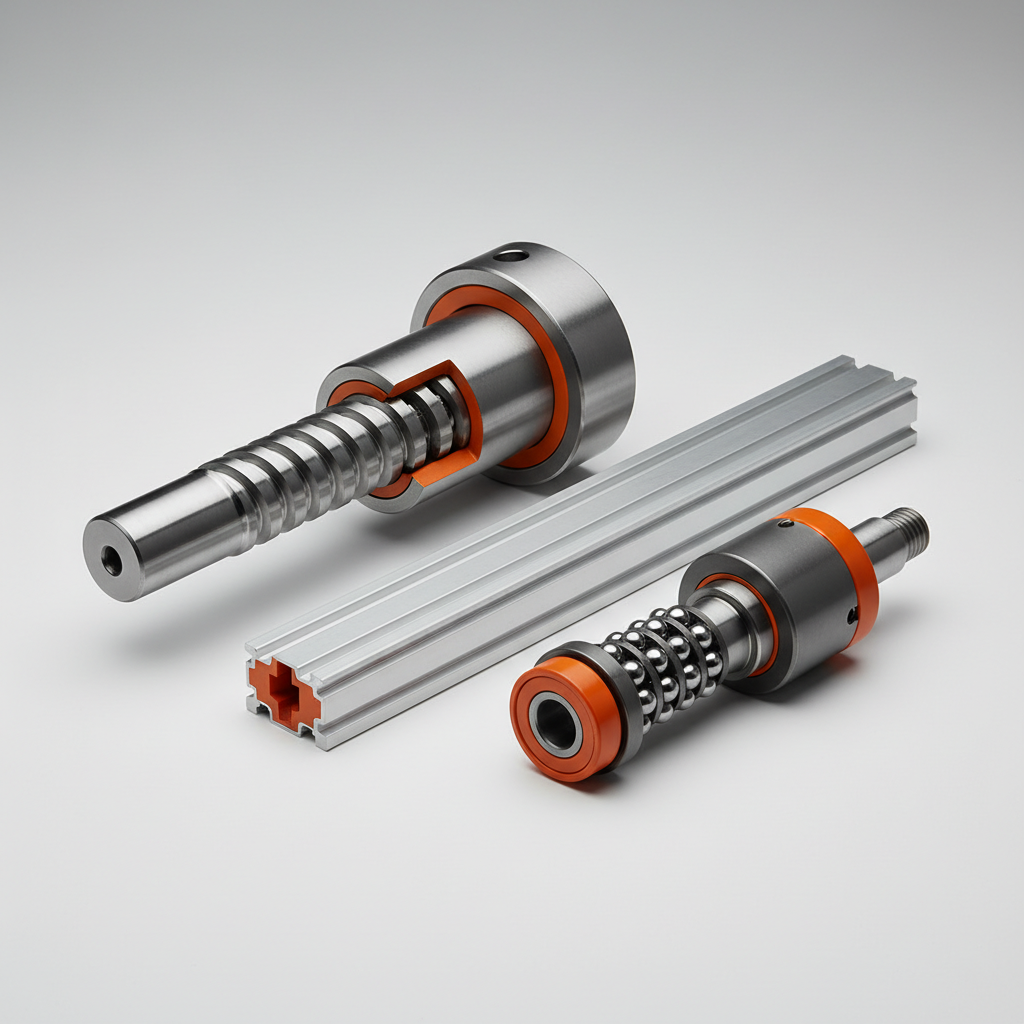
At their core, ball screw bearings consist of a screw shaft and a nut containing multiple ball bearings. The screw shaft has a helical groove, and the ball bearings recirculate between this groove and corresponding grooves within the nut. As the screw shaft rotates, the ball bearings roll along the grooves, causing the nut (and anything attached to it) to move linearly along the screw shaft. This process is remarkably efficient, with efficiencies often exceeding 90%. The precise geometry of the screw and nut, along with the quality of the ball bearings, is paramount for achieving smooth, accurate, and consistent motion. Yidi Bearings specializes in manufacturing these critical components to exacting standards.
Key Takeaway: The efficiency of a ball screw bearing arises from the rolling contact of the ball bearings, minimizing friction compared to sliding friction-based systems.
Types of Ball Screw Bearings
Ball screw bearings come in various configurations, each suited for specific applications. Common types include:
- Single-Start Ball Screws: Feature one helical groove and are ideal for applications requiring moderate load capacity and speed.
- Double-Start Ball Screws: Have two helical grooves, doubling the ball bearing count and increasing load capacity and speed.
- Triple-Start Ball Screws: Employ three grooves for even higher load and speed capabilities.
- Recirculating Ball Screws: These employ various recirculation methods (internal, external, deflection) to return the ball bearings to the start of the track.
Ball Screw Type Comparison:
• Single-Start: Moderate load, speed, and precision.
• Double-Start: Increased load capacity and speed.
• Triple-Start: Highest load capacity and speed.
Applications of Ball Screw Bearings
The precision and efficiency of ball screw bearings make them essential in numerous industries. Some key applications include:
- CNC Machines: For precise positioning of cutting tools and workpieces.
- 3D Printers: Enabling accurate layer deposition.
- Robotics: Driving robotic arms and joints with high accuracy and repeatability.
- Medical Equipment: Controlling the movement of surgical instruments and diagnostic equipment.
- Industrial Automation: Used in packaging machines, assembly lines, and other automated systems.
- Aerospace: Actuation systems for control surfaces.
Ball Screw Bearing Advantages & Disadvantages
Like any mechanical component, ball screw bearings have both advantages and disadvantages. Understanding these is crucial for informed selection.
Maintenance and Longevity
Proper maintenance is vital to maximizing the lifespan of ball screw bearings. Key practices include regular lubrication with appropriate grease, keeping the system clean to prevent contamination, and periodic inspection for wear or damage. Protecting the screw and nut from corrosion is also essential, especially in harsh environments. Yidi Bearings provides detailed maintenance guidelines for its products.
Conclusion: The Future of Precision Motion
Ball screw bearings are foundational components driving advancements across numerous industries. Their efficiency, precision, and reliability continue to make them the preferred choice for demanding motion control applications. By understanding their intricacies and prioritizing proper maintenance, you can unlock their full potential. Explore the comprehensive range of ball screw bearings offered by Yidi Bearings to find the perfect solution for your needs.
Frequently Asked Questions (FAQs)
What type of lubrication is best for ball screw bearings?
The best lubrication for ball screw bearings depends on the application and operating conditions. Lithium-based greases are commonly used for their good all-around performance. Synthetic greases offer superior temperature resistance and longevity. The lubricant should be compatible with the bearing materials and should not contain any abrasive particles. It is crucial to follow the manufacturer's recommendations for lubrication type and frequency. Over-lubrication can also be detrimental, leading to grease buildup and reduced performance. Regular monitoring and re-application of lubricant as needed are essential.
How do I prevent contamination of ball screw bearings?
Contamination is a major cause of ball screw bearing failure. Implement proper sealing solutions, such as lip seals or bellows, to prevent ingress of dust, dirt, and other particles. Maintain a clean operating environment, and use air filters to remove contaminants from the surrounding air. During assembly and maintenance, ensure that all components are thoroughly cleaned before installation. Avoid using abrasive cleaning agents that could damage the bearing surfaces. Regular inspection and cleaning of the system can also help identify and remove contaminants before they cause significant damage.
What are the signs of a failing ball screw bearing?
Several signs can indicate a failing ball screw bearing. These include increased noise or vibration during operation, jerky or inconsistent motion, increased friction, and overheating. Visible signs of wear, such as pitting, spalling, or corrosion, are also indicators of failure. If you notice any of these symptoms, it's crucial to inspect the bearing thoroughly and replace it if necessary. Ignoring these signs can lead to catastrophic failure and damage to other components of the system.
Can ball screw bearings be repaired?
While some minor issues with ball screw bearings can be addressed through cleaning and lubrication, complete repair is often not economically feasible. Replacing the entire bearing is typically the recommended course of action, especially if there is significant wear or damage to the screw or nut. However, in certain cases, specialized bearing repair services may be able to replace individual components, such as the ball bearings or end caps. The cost of repair should be carefully weighed against the cost of replacement.