Understanding Ball Bearing Wheels: A Comprehensive Guide
Ball bearing wheels are ubiquitous in modern machinery and applications, from simple skateboards to complex industrial systems. Their efficiency and load-carrying capabilities make them a cornerstone of many industries. This article will explore the intricacies of ball bearing wheels, covering their components, types, applications, benefits, and how to choose the right wheel for your needs. Whether you’re involved in manufacturing, robotics, or simply seeking to understand this vital technology, this guide will provide valuable insights. Explore a wide range of quality ball bearing wheels at Yidi Bearings.
The Core Components of a Ball Bearing Wheel
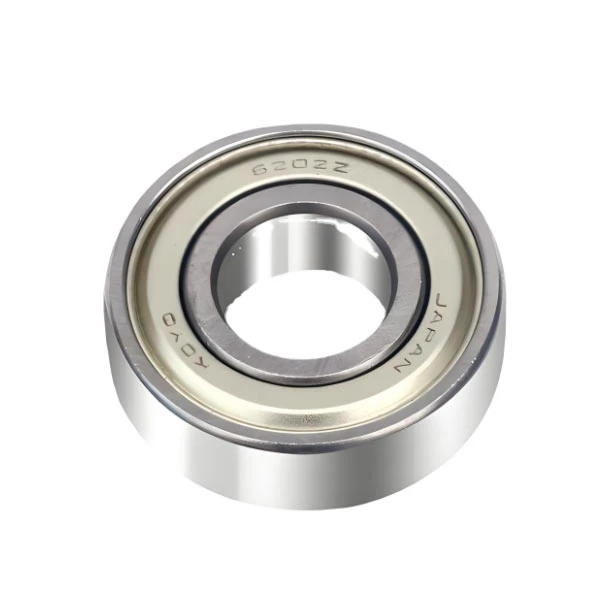
A ball bearing wheel isn't simply a wheel with bearings inside. It’s a carefully engineered assembly. The key components include the wheel hub, the ball bearings themselves, the inner and outer races, a cage (or retainer) to separate the balls, and seals to protect the bearings from contaminants. The hub provides the mounting point, while the bearings reduce friction between moving parts. The quality of each component directly impacts the overall performance and lifespan of the wheel. Understanding these elements is crucial when considering replacement or upgrades. The Yidi Bearings website offers detailed specifications for each component.
Key Takeaway: The synergistic interaction of the hub, bearings, races, cage, and seals determines the efficiency, durability, and overall performance of a ball bearing wheel.
Types of Ball Bearing Wheels and Their Applications
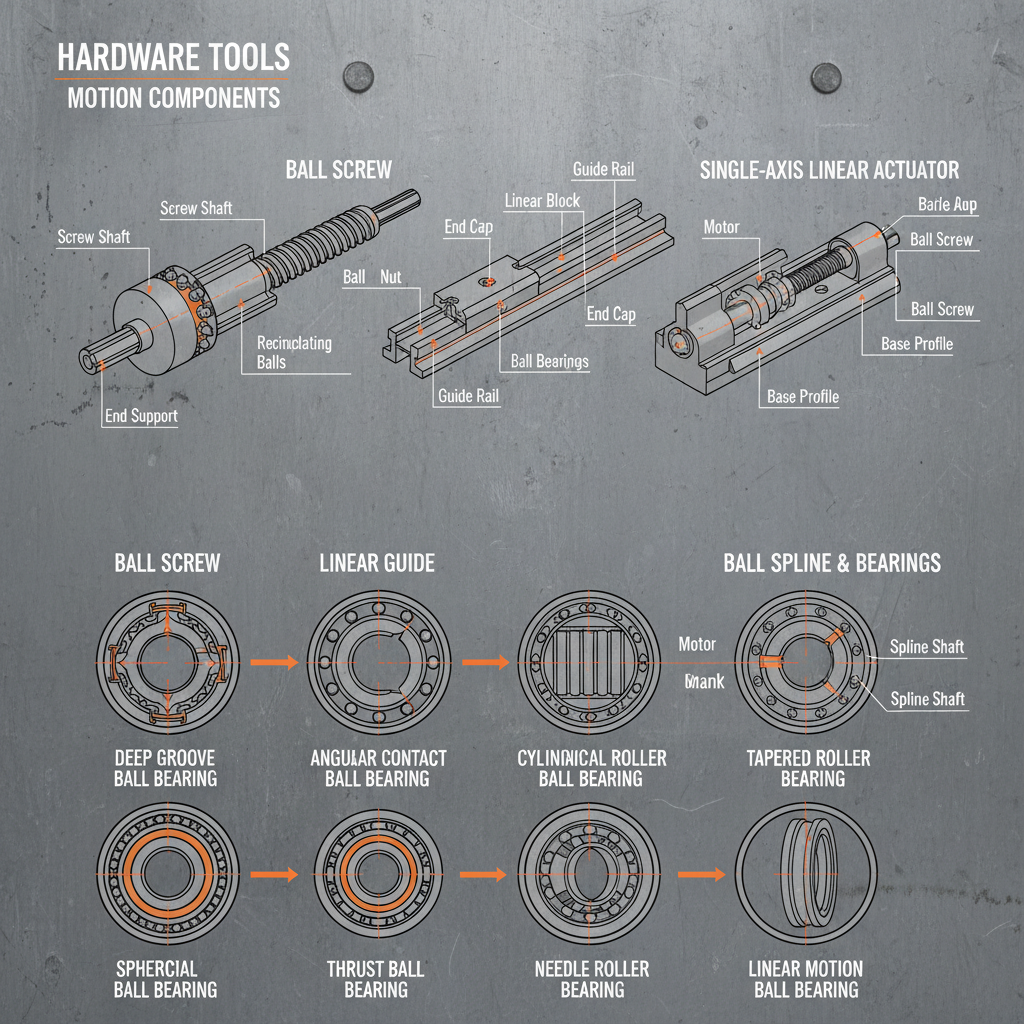
There's a diverse range of ball bearing wheels designed for specific applications. These include skateboard wheels (typically polyurethane with varying durometers), caster wheels for furniture and carts (often made of nylon or rubber), and precision wheels used in robotics and industrial machinery (often steel or ceramic). The choice depends on factors like load capacity, speed requirements, environmental conditions, and desired level of precision. For example, a heavy-duty caster wheel needs a different bearing configuration than a high-speed precision wheel. Explore the different types available from Yidi Bearings to find the ideal solution for your project.
Common Applications:
• Skateboards and roller skates
• Furniture caster wheels
• Industrial machinery
• Robotics
• Conveyor systems
Ball Bearing Wheel Materials: A Comparative Analysis
The material used in the wheel and its bearings significantly impacts performance and lifespan. Steel bearings are common for their strength and durability, while ceramic bearings offer lower friction and are ideal for high-speed applications. Wheel materials include polyurethane (for shock absorption), nylon (for affordability), and rubber (for grip). The correct material combination ensures optimal performance in the intended environment. The following table highlights a comparative analysis:
Benefits of Using Ball Bearing Wheels
The advantages of utilizing ball bearing wheels are numerous. They significantly reduce friction, leading to increased efficiency and smoother operation. This translates to reduced energy consumption and extended component life. They also offer high load-carrying capacity, making them suitable for a wide range of applications. Furthermore, their relatively simple design and ease of maintenance contribute to their widespread adoption. Investing in high-quality ball bearing wheels, such as those offered by Yidi Bearings, ensures long-term reliability and cost savings.
Selecting the Right Ball Bearing Wheel for Your Application
Choosing the appropriate ball bearing wheel involves careful consideration of several factors. These include load capacity, operating speed, environmental conditions (temperature, humidity, exposure to chemicals), and precision requirements. For high-speed applications, ceramic bearings are often preferred. For heavy loads, steel bearings with a robust wheel hub are essential. Consider the expected lifespan and maintenance requirements. Consulting with a bearing specialist, such as the experts at Yidi Bearings, can help you make the best decision for your specific needs.
Conclusion: Optimizing Performance with the Right Ball Bearing Wheel
Choosing the right ball bearing wheel is vital for ensuring efficient, reliable, and long-lasting performance in a wide range of applications. By understanding the core components, available materials, and key considerations for selection, you can optimize your systems and minimize downtime. Don’t compromise on quality – invest in the right wheel for the job.
Frequently Asked Questions (FAQs)
What is the load capacity of a typical ball bearing wheel?
The load capacity varies significantly depending on the wheel’s size, material, and bearing type. Smaller wheels generally have lower load capacities than larger wheels. Steel bearings typically offer higher load capacities compared to ceramic bearings. A typical caster wheel might have a load capacity of 50-100 lbs, while a larger industrial wheel could handle several tons. It’s crucial to consult the manufacturer's specifications to determine the appropriate load capacity for your application. Yidi Bearings provides detailed load ratings for all of its ball bearing wheels.
How often should I replace the bearings in my ball bearing wheels?
Bearing replacement frequency depends on usage, load, and environmental conditions. Signs that bearings need replacing include increased noise, vibration, roughness, or looseness. Regular inspection and lubrication can extend bearing life. As a general guideline, bearings should be replaced every 1-3 years with regular use. However, in harsh environments or with heavy loads, they may need to be replaced more frequently. Yidi Bearings offers both replacement bearings and complete wheel assemblies.
Can ball bearing wheels be used in corrosive environments?
While steel bearings can be susceptible to corrosion, options are available for corrosive environments. Stainless steel bearings offer excellent corrosion resistance. Alternatively, ceramic bearings are inherently corrosion-resistant. Sealed bearings, which prevent the ingress of contaminants, are also recommended for corrosive applications. The wheel material itself should also be chosen to withstand the specific corrosive agents present. Yidi Bearings provides a range of corrosion-resistant ball bearing wheel options.
What is bearing preload and why is it important?
Bearing preload refers to the initial load applied to the bearings during assembly. Proper preload is crucial for optimal performance and longevity. Too little preload can cause excessive play and vibration, while too much preload can increase friction and reduce bearing life. The appropriate preload depends on the application and bearing type. Precision applications often require precise preload adjustment. Yidi Bearings provides bearings with pre-adjusted preload settings for specialized applications.