Bearings are fundamental components in modern machinery, enabling efficient motion by reducing friction between moving parts. Their relevance spans across countless industries, from automotive and aerospace to manufacturing and renewable energy. Understanding the diverse bearing types available, their applications, and their limitations is crucial for engineers, designers, and maintenance professionals alike, ultimately impacting product performance, reliability, and cost-effectiveness.
Globally, the bearing market is a multi-billion dollar industry, with continued growth driven by increasing industrialization and technological advancements. According to reports, the global bearing market size was valued at USD 85.8 billion in 2022 and is projected to reach USD 108.2 billion by 2028, exhibiting a CAGR of 4.6% during the forecast period (source: Grand View Research). Efficient and durable bearing solutions are paramount for sustainable manufacturing and reducing energy consumption.
The core challenge within this industry lies in optimizing bearing performance for specific applications, balancing factors like load capacity, speed, lifespan, and cost. Selecting the wrong bearing types can lead to premature failure, increased downtime, and substantial financial losses. This necessitates a comprehensive understanding of the characteristics and capabilities of each bearing type.
Introduction to bearing types
Bearings are mechanical components designed to minimize friction between surfaces that are in relative motion. They are essential in virtually every mechanical system, allowing for smooth, efficient, and reliable operation. Different bearing types excel in different conditions, supporting various loads, speeds, and environmental factors.
The selection of the appropriate bearing for a given application is a critical engineering decision. Incorrect selection can lead to premature failure, increased maintenance costs, and reduced system performance. A deep understanding of bearing characteristics and their interaction within a system is vital for optimal design and longevity.
Defining Bearing Types
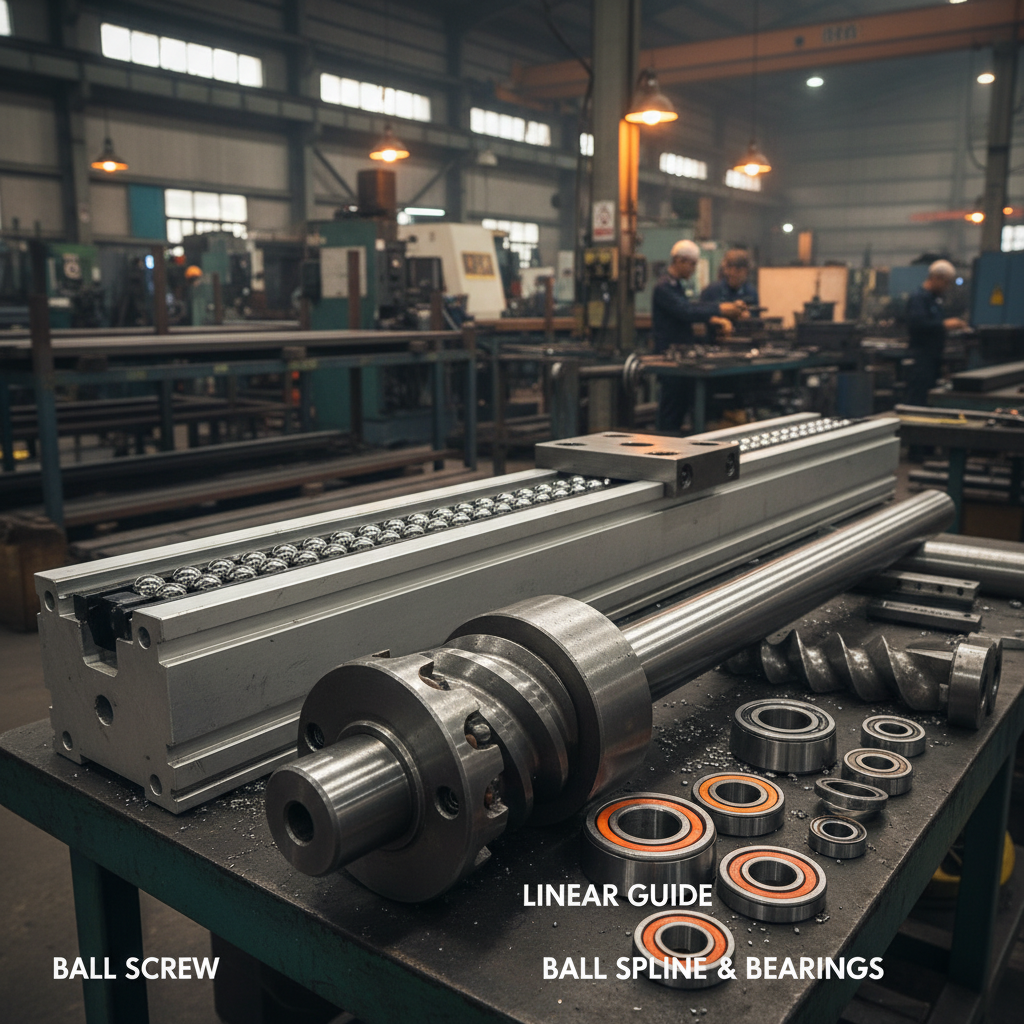
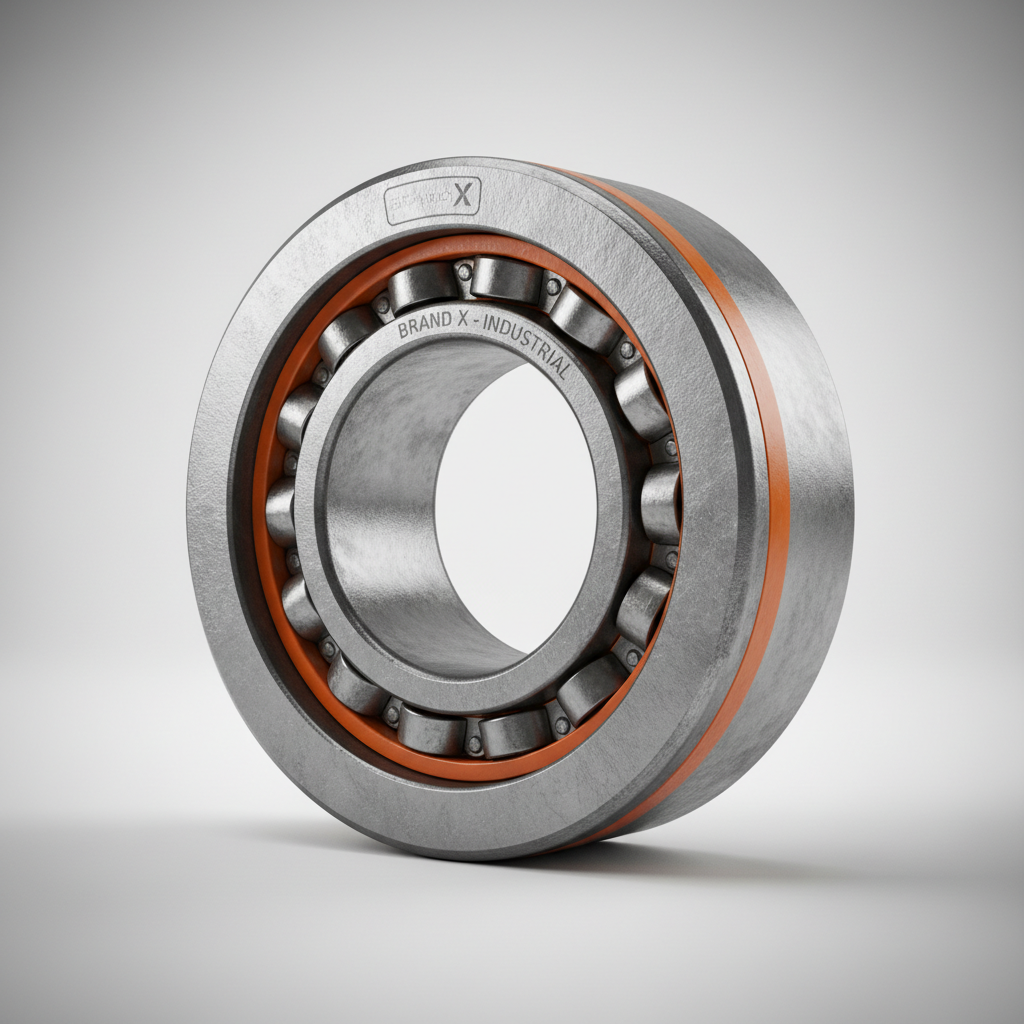
At its simplest, a bearing facilitates rotational or linear movement while reducing friction. However, the design and construction of bearings can vary considerably, leading to a wide range of bearing types. Common categories include ball bearings, roller bearings, needle bearings, sleeve bearings, and thrust bearings, each tailored to specific load conditions and operational requirements.
Bearings are integral to the functioning of countless devices, from the smallest electric motors to the largest industrial machinery. They aren’t merely ancillary parts; they are critical to the system's performance and often dictate its lifespan. Proper bearing maintenance and selection are vital for overall system reliability.
Understanding the fundamental principles of bearing operation - namely, load distribution, friction reduction, and alignment - is essential for selecting the optimal bearing for any application. Manufacturers continuously innovate, developing new materials and designs to push the boundaries of bearing performance.
Core Characteristics of bearing types
Durability is a primary characteristic of effective bearing types. This encompasses resistance to wear, fatigue, and corrosion. Bearing materials, heat treatment processes, and lubrication all contribute to longevity. Higher quality bearings generally offer extended service life, reducing the need for frequent replacements.
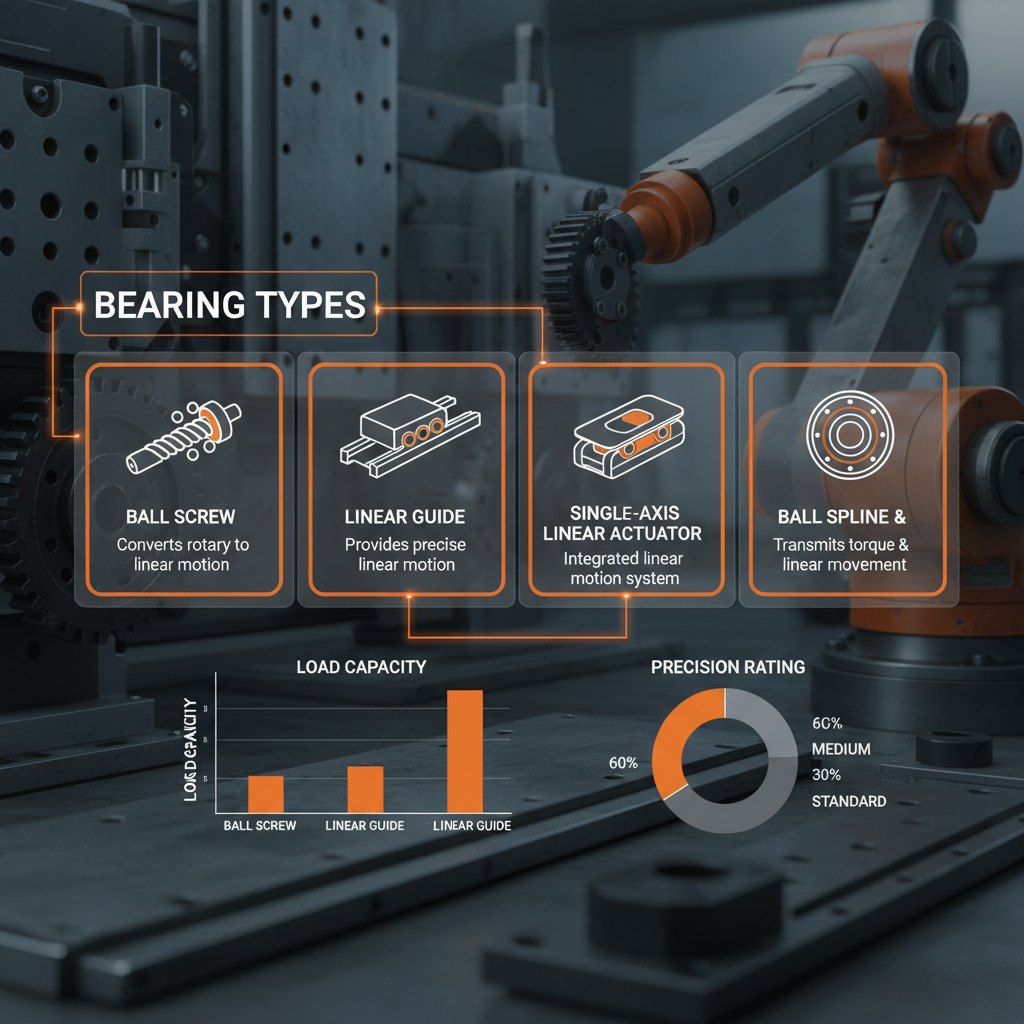
Load capacity defines the amount of force a bearing can withstand without deformation or failure. Different bearing designs are suited for different load types – radial loads (perpendicular to the shaft), axial loads (parallel to the shaft), or a combination of both. Choosing a bearing with adequate load capacity is vital for safe and reliable operation.
Precision is another key characteristic. Bearings are often manufactured to extremely tight tolerances to ensure smooth, accurate motion. High-precision bearings are essential in applications requiring minimal runout and wobble, such as precision machine tools and robotics.
Performance Metrics of bearing types
Several key metrics are used to evaluate the performance of bearing types. These include dynamic load rating (C), static load rating (C0), limiting speed, and coefficient of friction. These parameters help engineers choose the bearing best suited for a specific operating environment.
Understanding these metrics allows for optimized bearing selection, minimizing energy losses and maximizing operational efficiency. Analyzing these metrics is also crucial during bearing failure analysis to identify root causes and prevent recurrence.
Comparative Performance of bearing types
Global Applications of bearing types
The automotive industry is a major consumer of bearing types, utilizing them in wheels, engines, transmissions, and steering systems. Aerospace applications demand high-precision, high-reliability bearings for aircraft engines, landing gear, and control surfaces.
Industrial machinery relies heavily on bearings for rotating shafts, conveyors, pumps, and compressors. Renewable energy sectors, such as wind power, also employ specialized bearings designed to withstand extreme conditions and prolonged operation. In medical devices, miniature bearings play a crucial role in precision instruments and surgical equipment.
The Advantages of Optimized bearing types
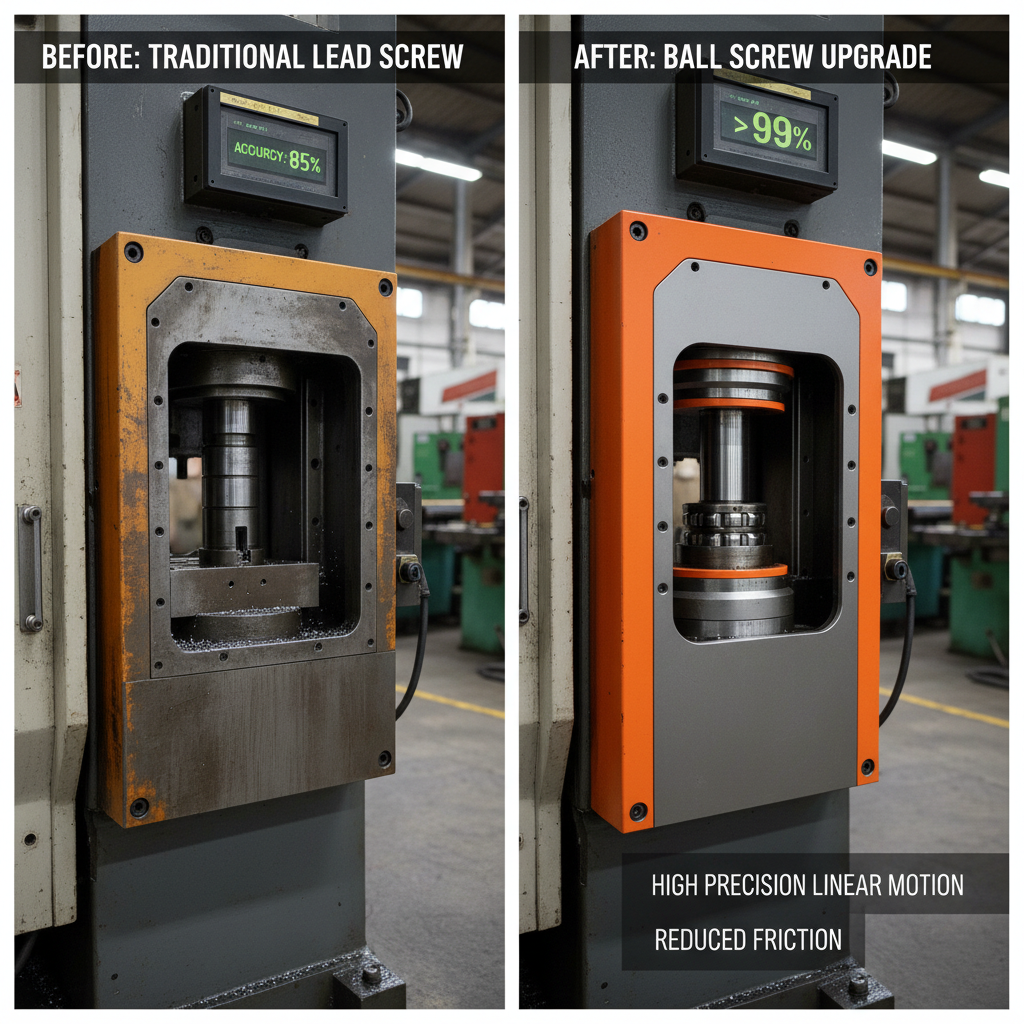
Optimizing bearing types selection leads to significant cost savings through reduced maintenance and downtime. Improved bearing efficiency translates to lower energy consumption, contributing to sustainability goals. Enhanced reliability ensures safer and more consistent operation of machinery and equipment.
Furthermore, the use of advanced bearing materials and designs can extend equipment lifespan, minimizing the need for costly replacements. Proper bearing selection also enhances product performance and quality, boosting customer satisfaction.
The integration of smart bearings with sensors allows for predictive maintenance, further optimizing efficiency and preventing unexpected failures. This data-driven approach enhances reliability and reduces operational costs.
Future Innovations in bearing types
Ongoing research and development are focused on creating even more efficient and durable bearing types. This includes exploring new materials like ceramics and advanced polymers, as well as innovative designs such as self-lubricating bearings and magnetic bearings.
The integration of artificial intelligence (AI) and machine learning (ML) into bearing monitoring and diagnostics is another emerging trend, enabling predictive maintenance and optimized performance. Additive manufacturing (3D printing) is also opening up new possibilities for customized bearing designs tailored to specific applications.
The drive towards sustainability is fueling the development of eco-friendly bearing materials and manufacturing processes. Reducing friction and energy consumption remains a central focus, contributing to a more sustainable industrial landscape.
Challenges and Solutions in bearing types Application
A common challenge is bearing failure due to contamination, improper lubrication, or excessive loads. Solutions include implementing robust sealing systems, utilizing appropriate lubricants, and conducting regular bearing inspections. Addressing misalignment is also critical, often requiring precision mounting techniques and alignment tools.
Another challenge lies in selecting the optimal bearing for harsh environments – high temperatures, corrosive chemicals, or extreme pressures. Specialized bearing materials and designs are often necessary to withstand these conditions, requiring careful consideration of application requirements.
Finally, the increasing demand for higher speeds and loads presents a continuous challenge for bearing manufacturers. Advanced materials, optimized designs, and sophisticated lubrication systems are constantly being developed to meet these evolving demands.
Summary of Bearing Selection Considerations
| Load Type |
Operating Speed |
Environmental Conditions |
Cost Considerations |
| Radial & Thrust |
Low – Moderate |
Clean, Indoor |
Budget-Friendly |
| Heavy Radial |
Moderate – High |
Moderate Contamination |
Mid-Range |
| Axial (Thrust) |
Low – Moderate |
Clean, Precise |
Premium |
| Combined Load |
High |
Harsh, Corrosive |
High |
| High-Speed |
Very High |
Controlled Temperature |
Very High |
| Light Load |
Low |
Standard |
Low |
FAQS
Ball bearings are better suited for high-speed applications with lighter loads due to their lower friction, while roller bearings excel at handling heavier loads because of their larger contact area. Roller bearings generally have higher load capacity but lower speed limits compared to ball bearings. The choice depends on the specific application requirements.
Lubrication is critical for bearing performance. It reduces friction and wear, dissipates heat, prevents corrosion, and seals out contaminants. The correct type and amount of lubricant are essential for maximizing bearing life and reliability. Regular lubrication maintenance is often crucial.
Bearing seals prevent dirt, dust, and other contaminants from entering the bearing and causing damage. They also help retain lubricant within the bearing. The choice of seal type depends on the severity of the operating environment and the desired level of protection.
Determining the appropriate bearing size requires careful consideration of several factors, including the load, speed, operating environment, and desired lifespan. Engineers use calculations based on these factors to select a bearing with adequate load capacity and performance characteristics. Consulting bearing manufacturers is also beneficial.
Common causes of premature bearing failure include improper lubrication, contamination, misalignment, excessive loads, and vibration. Regularly inspecting bearings for signs of wear or damage can help identify potential problems before they lead to failure.
Yes, there are alternatives to traditional metal bearings, such as ceramic bearings, polymer bearings, and magnetic bearings. These alternatives offer advantages in specific applications, such as high-speed operation, corrosion resistance, or low friction. However, they may also have limitations in terms of load capacity or cost.
Conclusion
Understanding bearing types is fundamental to efficient and reliable mechanical system design and operation. From automotive and aerospace to industrial machinery and renewable energy, bearings are indispensable components that enable movement, reduce friction, and support critical loads. Selecting the correct bearing for a specific application, considering factors like load, speed, environment, and cost, is crucial for maximizing performance and minimizing downtime.
Looking ahead, innovations in materials, designs, and predictive maintenance technologies promise to further enhance bearing performance and reliability. Embracing these advancements will be essential for driving efficiency, sustainability, and innovation across industries. For expert guidance and a comprehensive selection of bearing types, visit our website: www.yidibearings.com