Bearings for Sale: Your Comprehensive Guide to Quality and Selection
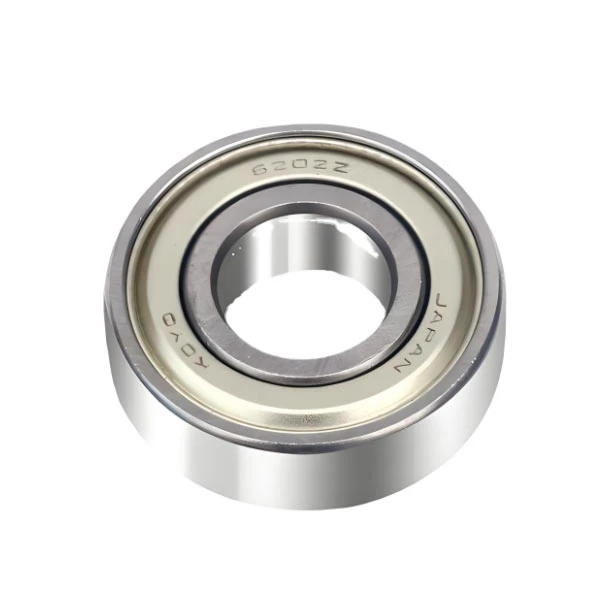
Finding the right bearings for sale is crucial for the smooth operation of any machinery or application. Whether you're in manufacturing, automotive, or aerospace, reliable bearings are essential for performance and longevity. At Yidi Bearings, we offer a wide range of high-quality bearings to meet diverse industrial needs. This guide will explore the different types of bearings available, factors to consider when purchasing, and why choosing a trusted supplier like Yidi Bearings is paramount. We’ll cover everything from ball bearings to roller bearings, helping you make informed decisions for your specific application.
Understanding Different Types of Bearings
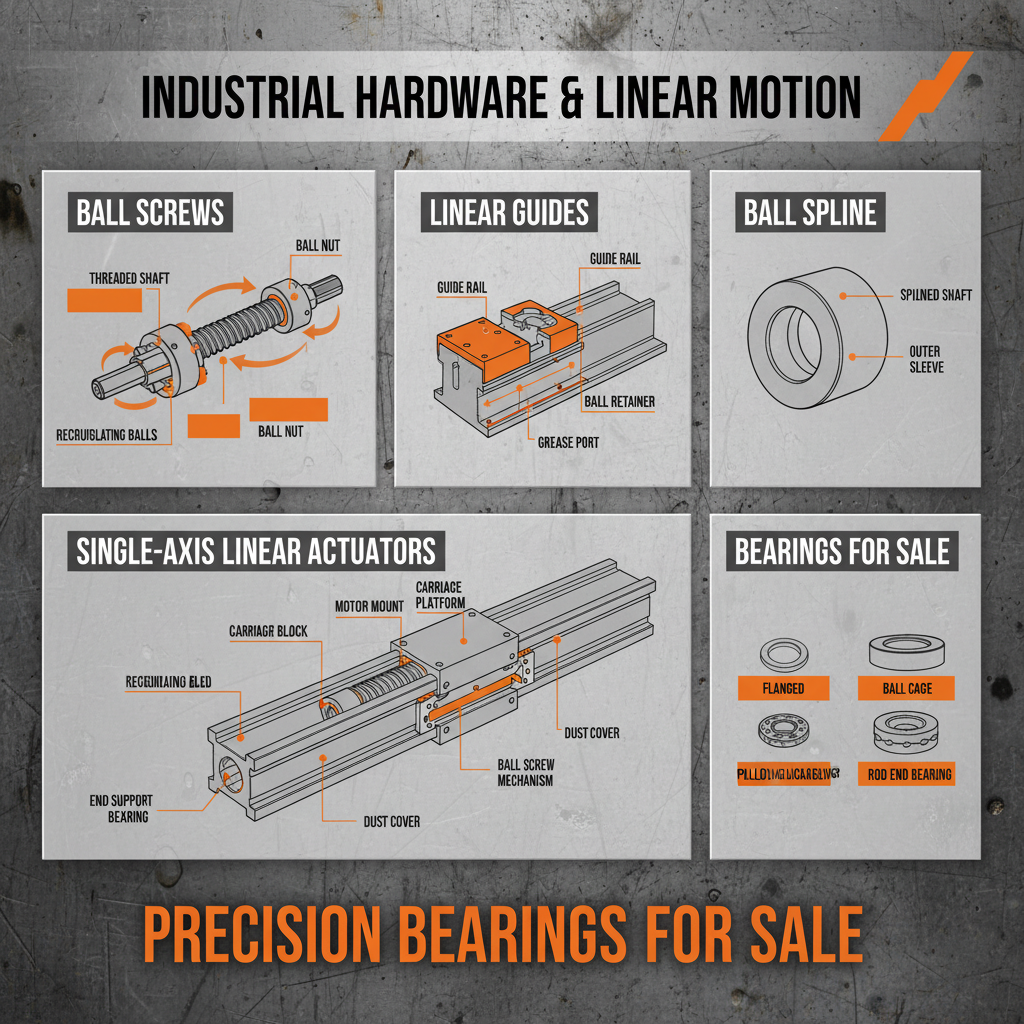
The world of bearings is vast, with each type designed for specific applications. Here's a breakdown of some common types: Ball bearings are ideal for high-speed, low-load applications, while roller bearings excel in handling heavier loads. Tapered roller bearings are great for combined radial and axial loads. Thrust bearings are designed to handle axial loads only. Needle bearings are used in compact spaces where radial loads are high. Choosing the correct type depends on the load, speed, operating environment, and space constraints. At Yidi Bearings, we can help you navigate these choices.
Key Takeaway: Selecting the appropriate bearing type directly impacts the performance, efficiency, and lifespan of your machinery. Consider the specific requirements of your application carefully.
Factors to Consider When Purchasing Bearings for Sale
Beyond the bearing type, several factors influence your purchasing decision. These include the bearing material (steel, ceramic, plastic), its precision class, lubrication requirements, and sealing options. The operating temperature, load capacity, and speed capabilities are also critical. Furthermore, consider the quality of the bearing's manufacturing process and the reputation of the supplier. Investing in high-quality bearings for sale from a reliable source, like Yidi Bearings, will save you money in the long run by reducing downtime and replacement costs.
Essential Purchase Considerations:
• Bearing Type
• Material & Precision Class
• Lubrication & Sealing
• Supplier Reputation
Bearing Materials: A Comparative Overview
Different materials offer varying strengths and weaknesses. Steel is the most common material due to its strength and affordability. Ceramic bearings offer superior corrosion resistance and can operate at higher temperatures, but are more expensive. Plastic bearings are lightweight and quiet but have lower load capacities. The selection depends on the application's demands. Here’s a quick comparison:
Why Choose Yidi Bearings for Your Bearing Needs?
At Yidi Bearings, we pride ourselves on offering a comprehensive selection of high-quality bearings for sale, coupled with exceptional customer service. We source our bearings from reputable manufacturers and rigorously test them to ensure they meet industry standards. Our extensive inventory allows us to fulfill orders quickly and efficiently. We also provide technical support to help you select the right bearing for your specific application. Our commitment to quality and customer satisfaction makes us a trusted partner for businesses of all sizes.
Navigating the Global Bearing Market
The global bearing market is competitive, with suppliers from around the world. When sourcing bearings for sale, it's important to consider factors such as pricing, lead times, and shipping costs. Yidi Bearings has established a strong network of suppliers and logistics partners, allowing us to offer competitive pricing and efficient delivery worldwide. We understand the challenges of international trade and provide seamless solutions for our global customers.
Conclusion: Your Trusted Source for Bearings
Choosing the right bearings for sale is an investment in the reliability and efficiency of your equipment. Yidi Bearings is dedicated to providing high-quality products, expert guidance, and exceptional service. Contact us today to discuss your bearing needs and experience the Yidi Bearings difference.
Frequently Asked Questions (FAQs)
What is the typical lifespan of a bearing?
The lifespan of a bearing varies significantly depending on factors such as load, speed, lubrication, operating environment, and bearing quality. Generally, a well-maintained bearing can last for several years, but it's crucial to conduct regular inspections for signs of wear and tear. Signs of impending failure include increased noise, vibration, or heat. Proper lubrication is essential for extending bearing life. At Yidi Bearings we offer a range of lubrication solutions. Replacement is recommended when these signs are detected, or after a predetermined operating period based on the manufacturer's recommendations.
How often should bearings be lubricated?
The lubrication frequency depends on the bearing type, operating conditions, and the type of lubricant used. Generally, bearings should be lubricated until the lubricant begins to degrade or lose its effectiveness. For light-duty applications, lubrication may only be required every few months, while heavy-duty applications may require daily or even continuous lubrication. Following the manufacturer's recommendations is critical. Improper lubrication can lead to premature bearing failure. Yidi Bearings can advise you on the best lubrication practices for your specific bearing application.
What should I do if a bearing fails prematurely?
Premature bearing failure can indicate a problem with the application, such as misalignment, contamination, or excessive loading. The first step is to inspect the bearing and surrounding components for any signs of damage. Identify the root cause of the failure and address it before replacing the bearing. Consider factors such as lubrication, alignment, and load distribution. If you are unsure, consult with a bearing specialist at Yidi Bearings for assistance.
Do you offer custom bearing solutions?
Yes, Yidi Bearings offers custom bearing solutions to meet specific application requirements. We can work with you to design and manufacture bearings with customized dimensions, materials, and tolerances. Our engineering team has the expertise to handle complex bearing challenges. Contact us to discuss your custom bearing needs.