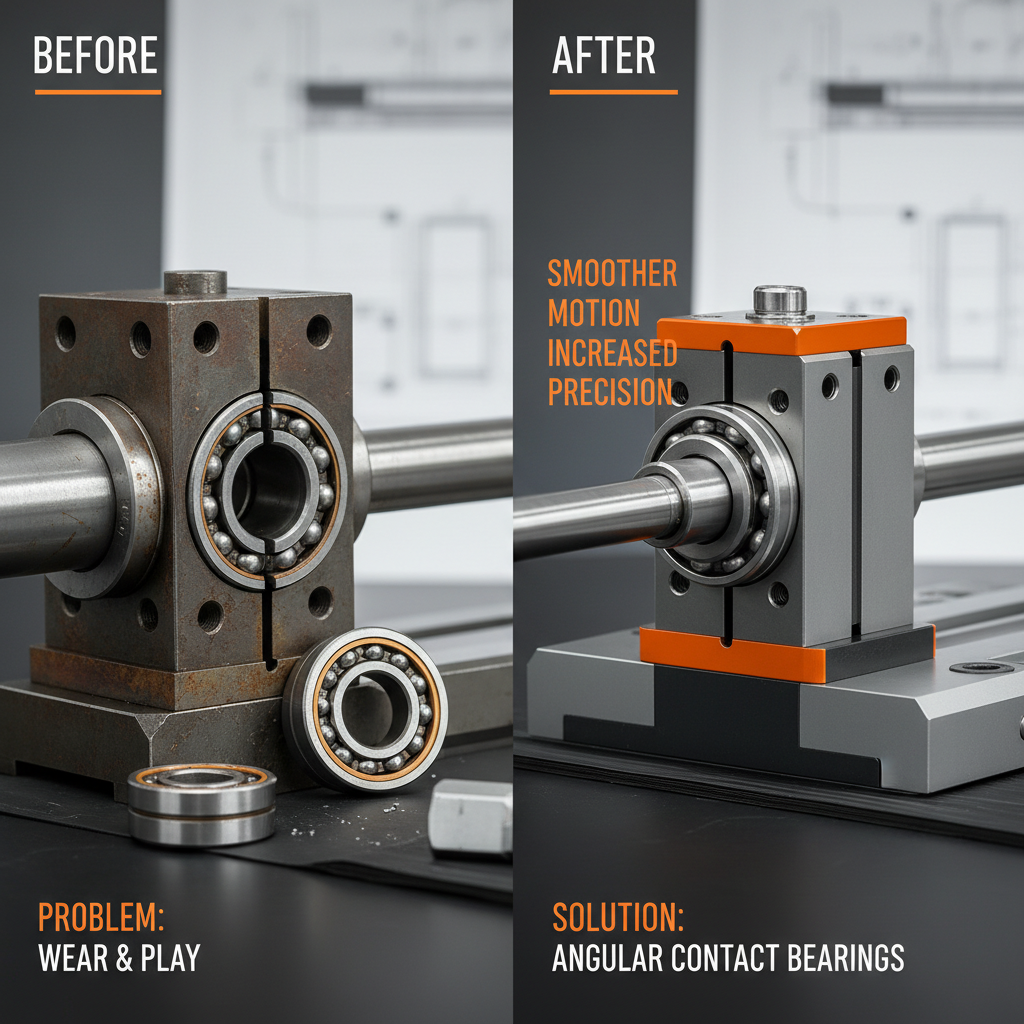
Understanding Back Bearings: A Comprehensive Guide
Back bearings, also known as one-way clutches or freewheel bearings, are critical components in a wide range of mechanical systems. They allow for power transmission in one direction while providing free rotation in the opposite direction. This functionality is vital in applications from automotive alternators to industrial machinery. Choosing the right back bearing is essential for optimal performance and longevity of your equipment. This article explores their types, applications, how they work, maintenance, and factors to consider when selecting one for your specific needs.
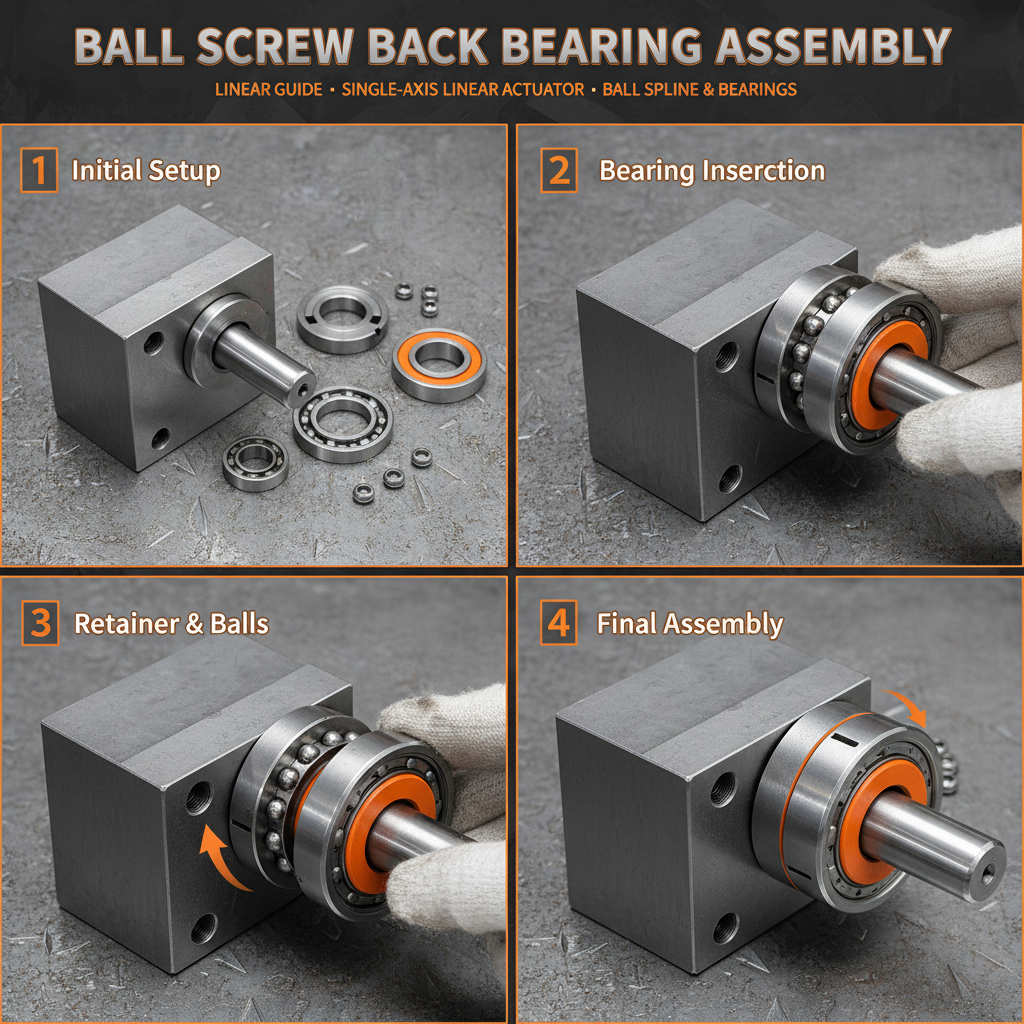
What are Back Bearings and How Do They Work?
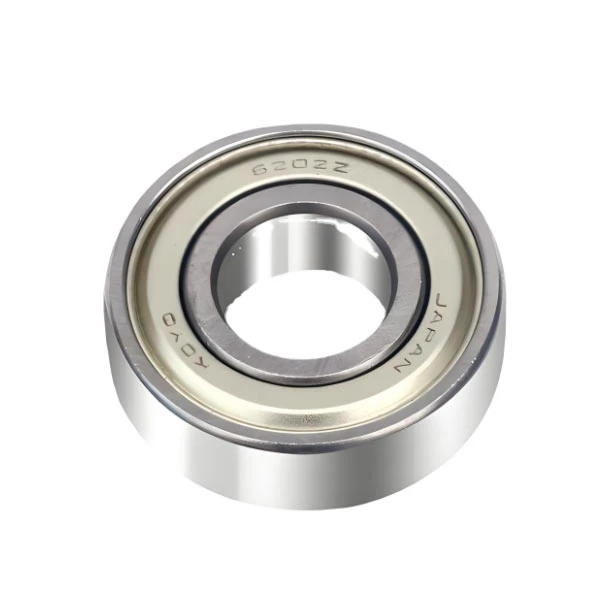
At their core, back bearings utilize a cleverly designed mechanism to enable one-way rotation. They typically consist of a housing, bearing elements (often rollers or balls), and a locking mechanism. When torque is applied in the drive direction, the bearing elements engage, transmitting power. When torque is applied in the reverse direction, the elements are free to rotate, allowing for free-wheeling. This is achieved through angled ramps and the force of springs or weights. The precise design varies depending on the type of back bearing and its intended application. Yidi Bearings offers a wide variety of back bearings to suit diverse requirements.
Key Takeaway: Back bearings facilitate unidirectional power transmission, crucial for applications needing both drive and freewheeling functionalities.
Types of Back Bearings
Several types of back bearings cater to different load capacities, speeds, and application demands. Common types include:
- Sprag Type: These utilize sprags (small, tapered rollers) that wedge between the inner and outer races, locking in one direction. They are known for their high torque capacity.
- Roller Type: Employ rollers that engage via angled ramps, suitable for moderate torque and speed applications.
- Ball Type: Utilize ball bearings within a specifically designed race. Often used in lighter-duty applications.
- Overrunning Clutch: A broader category often incorporating sprag or roller mechanisms for smooth engagement and disengagement.
The selection of the appropriate type depends on the specific demands of the system.
Choosing the Right Type:
• Consider torque requirements.
• Evaluate speed limitations.
• Assess the operating environment (temperature, lubrication).
• Factor in load capacity.
Key Applications of Back Bearings
Back bearings find application in a diverse range of industries and systems. Some prominent examples include:
- Automotive: Alternators, starters, and transmission systems.
- Motorcycles: Starter clutches, allowing the starter motor to disengage once the engine starts.
- Industrial Machinery: Conveyor systems, indexing mechanisms, and speed reducers.
- Oil & Gas: Downhole tools and drilling equipment.
- Agricultural Equipment: Harvesters and other machinery requiring intermittent drive.
The ability to transfer power in a single direction while permitting free rotation in the opposite direction makes them invaluable in these applications.
Back Bearing Performance Comparison
Understanding the performance characteristics of different back bearing types is crucial for optimal selection. Here’s a comparative overview:
Maintenance and Longevity
Proper maintenance is crucial for extending the lifespan of back bearings. This includes:
- Lubrication: Regular lubrication with the manufacturer-recommended lubricant is vital.
- Inspection: Periodic inspection for wear, damage, or contamination.
- Contamination Prevention: Protecting the bearing from dirt, dust, and other contaminants.
- Load Limits: Avoiding exceeding the bearing’s specified load capacity.
Following these guidelines will ensure reliable performance and minimize the risk of premature failure. Yidi Bearings provides detailed maintenance guides for all our products.
Conclusion
Back bearings are essential components in numerous mechanical systems, offering reliable unidirectional power transmission. Understanding their types, applications, and maintenance requirements is vital for maximizing their performance and longevity. Yidi Bearings is your trusted partner for high-quality back bearings and expert technical support.
Frequently Asked Questions (FAQs)
What is the typical lifespan of a back bearing?
The lifespan of a back bearing is heavily dependent on operating conditions, load, speed, lubrication, and environmental factors. With proper maintenance and within specified parameters, a well-chosen back bearing can last for several years. However, in demanding applications, it may require replacement more frequently. Regular inspections are critical to identify signs of wear or damage and proactively replace the bearing before failure. Factors like contamination or overloading will significantly reduce lifespan.
Can back bearings be used in reverse rotation?
While back bearings allow for free rotation in one direction, they are designed to transmit power in the opposite direction. Continuous or significant loads applied in the freewheeling direction can cause premature wear and failure. They are not intended for sustained reverse operation. If your application requires bidirectional power transmission, a different type of clutch or bearing system should be considered.
What lubrication is recommended for back bearings?
The recommended lubricant varies depending on the bearing type, operating speed, and temperature. Generally, a high-quality grease with extreme pressure (EP) additives is preferred. Refer to the manufacturer's specifications (available from Yidi Bearings) for the precise lubricant grade and application method. Using the wrong lubricant can lead to increased friction, wear, and ultimately, bearing failure.
What are the signs of a failing back bearing?
Common signs of a failing back bearing include unusual noises (clicking, grinding), slipping during power transmission, excessive heat, and vibration. Reduced efficiency or inconsistent performance can also indicate a problem. If you observe any of these symptoms, it's crucial to inspect the bearing and replace it if necessary to prevent further damage to the system.