Linear guide manufacturers play a critical role in modern industrial automation, precision engineering, and a host of other applications. These manufacturers design, produce, and distribute components that enable smooth, accurate, and efficient linear motion. The global demand for these components is steadily increasing, driven by advancements in robotics, manufacturing, and increasingly sophisticated machinery. Understanding the capabilities and advancements within this sector is vital for businesses aiming to optimize their operations and achieve greater precision.
The landscape of linear guide manufacturers is diverse, ranging from large multinational corporations to specialized niche providers. This diversity offers a wide range of options for businesses with varying needs and budgets. Selecting the right manufacturer requires careful consideration of factors like precision, load capacity, environmental conditions, and long-term reliability. Staying informed about the latest innovations in materials, design, and manufacturing techniques is essential for making informed decisions.
The importance of reliable linear motion systems extends beyond simply enabling movement. It directly impacts product quality, manufacturing efficiency, and ultimately, the competitiveness of businesses. Effective linear guide manufacturers are focused on continual improvement, offering tailored solutions to meet evolving industry challenges, and contributing to the advancement of technological capabilities across various sectors.
Introduction to Linear Guide Manufacturers
Linear guide manufacturers are specialized engineering firms dedicated to the design and production of systems that facilitate linear motion with high precision and efficiency. They create components like linear bearings, rails, and associated accessories, serving as the fundamental building blocks for countless automated systems. The quality and reliability of these components are paramount to the performance of the final application.
These manufacturers are increasingly focused on customization, providing tailored solutions to meet specific client requirements. This includes adapting to diverse load capacities, operating environments, and precision needs. The industry demands constant innovation in materials, coatings, and design to improve performance and longevity, and prominent linear guide manufacturers are at the forefront of these developments.
Global Relevance and Industry Context
The global market for linear guides is substantial and growing, estimated to reach billions of dollars in the coming years. This growth is fueled by the expansion of industries like robotics, automation, medical equipment, and semiconductor manufacturing. Regions with significant manufacturing activity, such as Asia-Pacific (particularly China), North America, and Europe, represent the largest markets for linear guide manufacturers. According to recent industry reports, the demand for high-precision linear guides is outpacing overall market growth.
The automotive industry is a major consumer of linear guides, utilizing them in robotics for welding, painting, and assembly processes. The aerospace sector relies on these guides for precise positioning in aircraft manufacturing and maintenance. Furthermore, the increasing adoption of automation in logistics and warehousing is driving demand for robust and reliable linear motion systems. The need for efficient and accurate material handling systems creates a significant market opportunity for specialized manufacturers.
A key challenge facing linear guide manufacturers is the increasing demand for miniaturization and higher precision. As applications become more sophisticated, the need for smaller, more accurate linear motion systems is growing. This requires advancements in materials science and manufacturing techniques to achieve tighter tolerances and improved performance. This also drives the need for innovation in lubrication and sealing technologies.
Defining Linear Guide Manufacturers
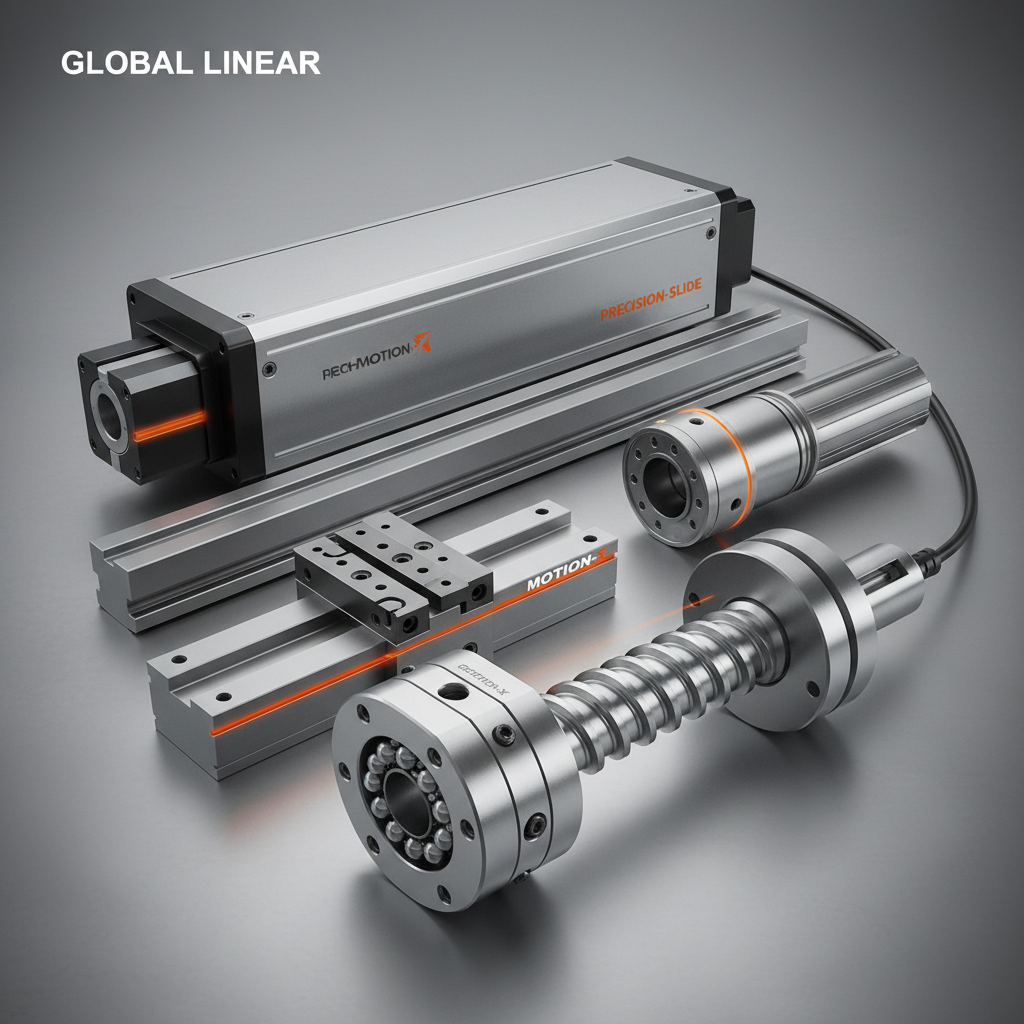
Linear guide manufacturers are companies that specialize in the design, engineering, and production of linear motion systems. These systems are used to provide smooth, precise, and controlled movement along a straight line. The core components manufactured include linear rails (or guides), linear bearings, ball screws, and related accessories. They often offer a range of options to accommodate varying loads, speeds, and environmental conditions.
These manufacturers are crucial to the functioning of modern industrial processes. They don't simply provide products; they often collaborate with clients to develop custom solutions tailored to specific application needs. This involves understanding the client's load requirements, precision demands, and operating environment to recommend the optimal linear motion system. linear guide manufacturers understand that optimal performance comes from a deep understanding of customer needs.
The connection between linear guide manufacturers and broader societal needs is profound. These components are essential for automating critical processes in healthcare (medical imaging, surgical robots), food production (packaging, processing), and energy (renewable energy systems). By enabling precise and reliable automation, linear guides contribute to increased efficiency, improved product quality, and reduced costs.
Key Factors in Linear Guide Performance
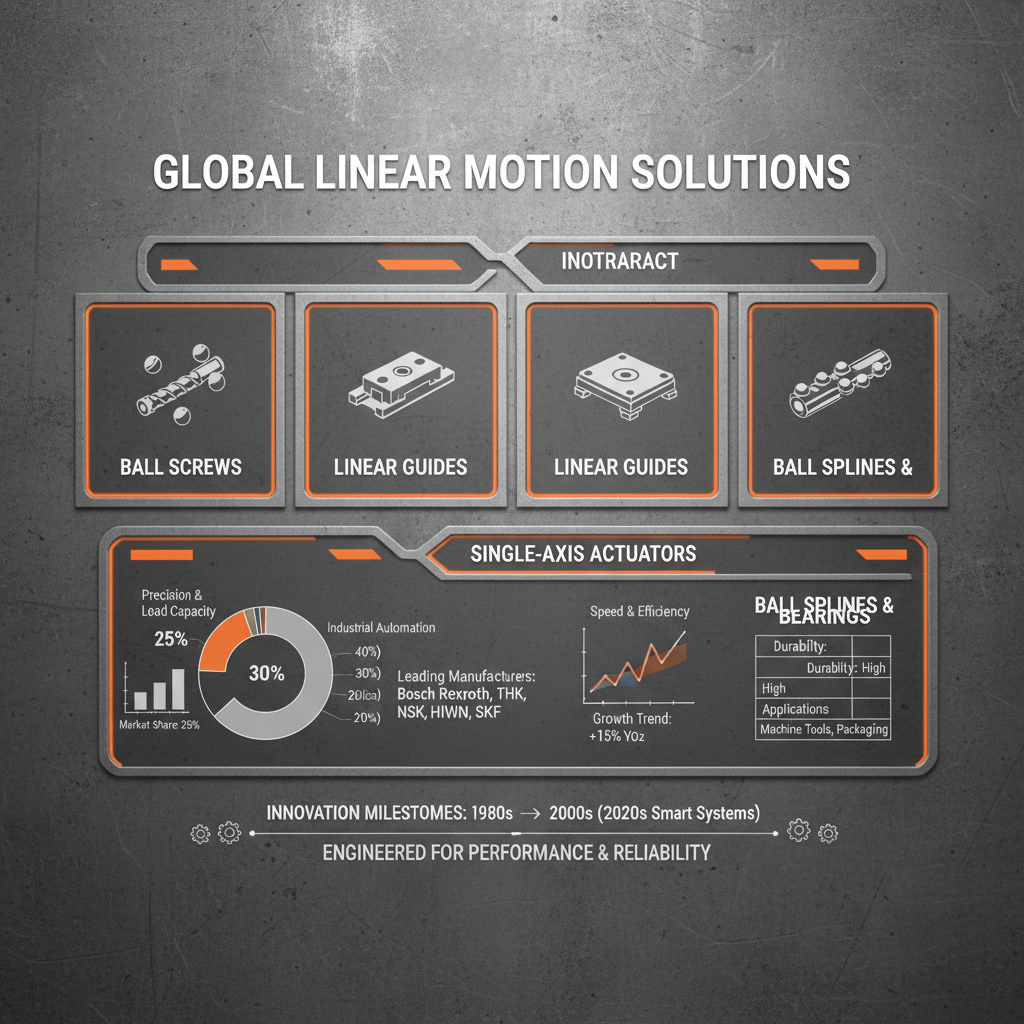
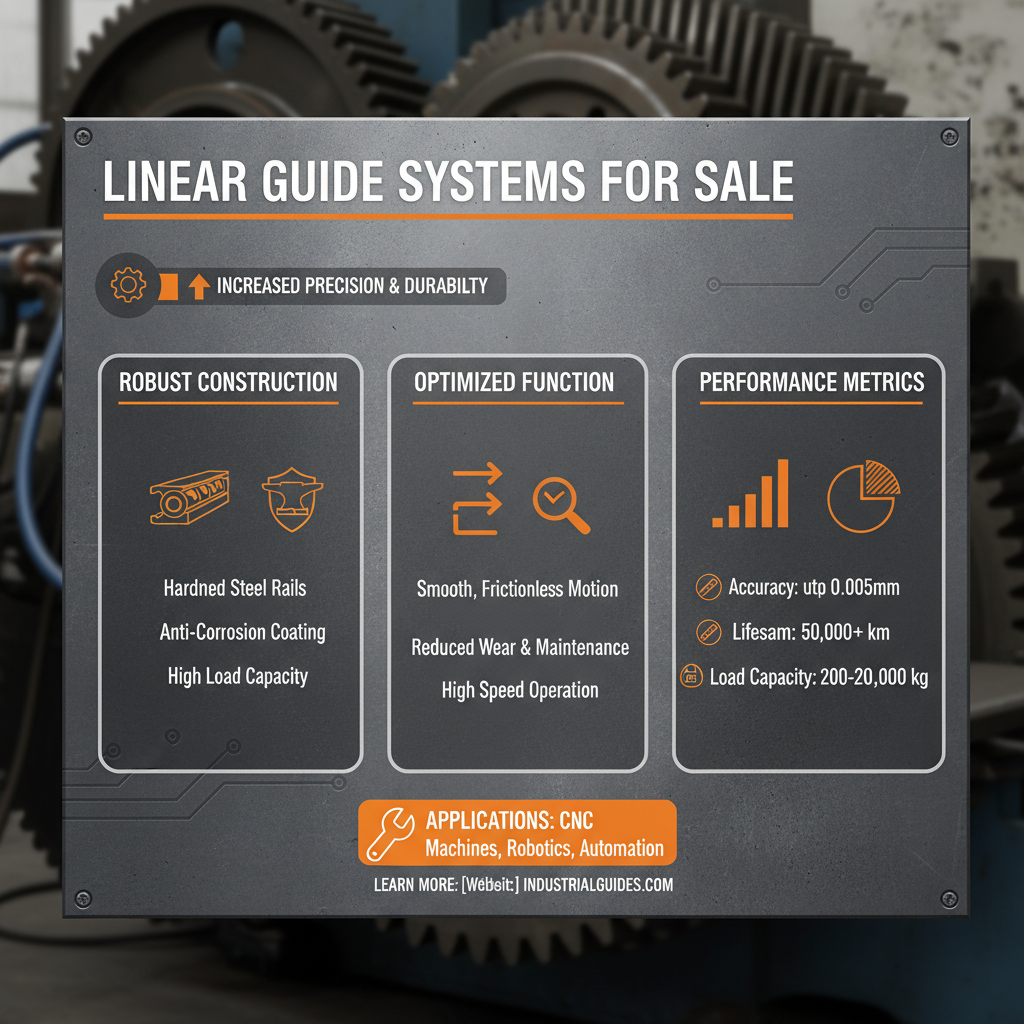
Several key factors contribute to the overall performance of a linear guide system. Durability is paramount, ensuring the system can withstand repeated use and harsh operating conditions. This depends on the quality of materials, the precision of manufacturing, and the effectiveness of sealing and lubrication systems. Precision is another critical factor, determining the accuracy and repeatability of linear motion.
Load Capacity defines the maximum weight or force that the linear guide can safely support. This is a critical consideration when selecting a system for a specific application. Smoothness of Motion refers to the absence of friction and vibration during movement, which is essential for high-speed applications and precision tasks. Finally, Cost Efficiency is a significant factor, as businesses seek to balance performance with budgetary constraints.
Comparative Analysis of Linear Guide Manufacturing Methods
Applications Across Industries
Linear guides are integral to a vast array of industries. In the robotics sector, they enable precise and repeatable movements for robotic arms and automated systems. The semiconductor industry utilizes linear guides in wafer handling and inspection equipment, where extreme precision is required. Medical device manufacturing relies on them for accurate positioning in surgical robots and diagnostic equipment.
The automotive industry employs linear guides in assembly lines, paint booths, and welding robots. The aerospace sector utilizes them in aircraft manufacturing and maintenance, ensuring precise alignment and movement of components. In packaging machinery, linear guides provide the speed and accuracy needed for high-volume production. The benefits of selecting robust linear guide manufacturers are felt across diverse sectors.
Advantages and Long-Term Value
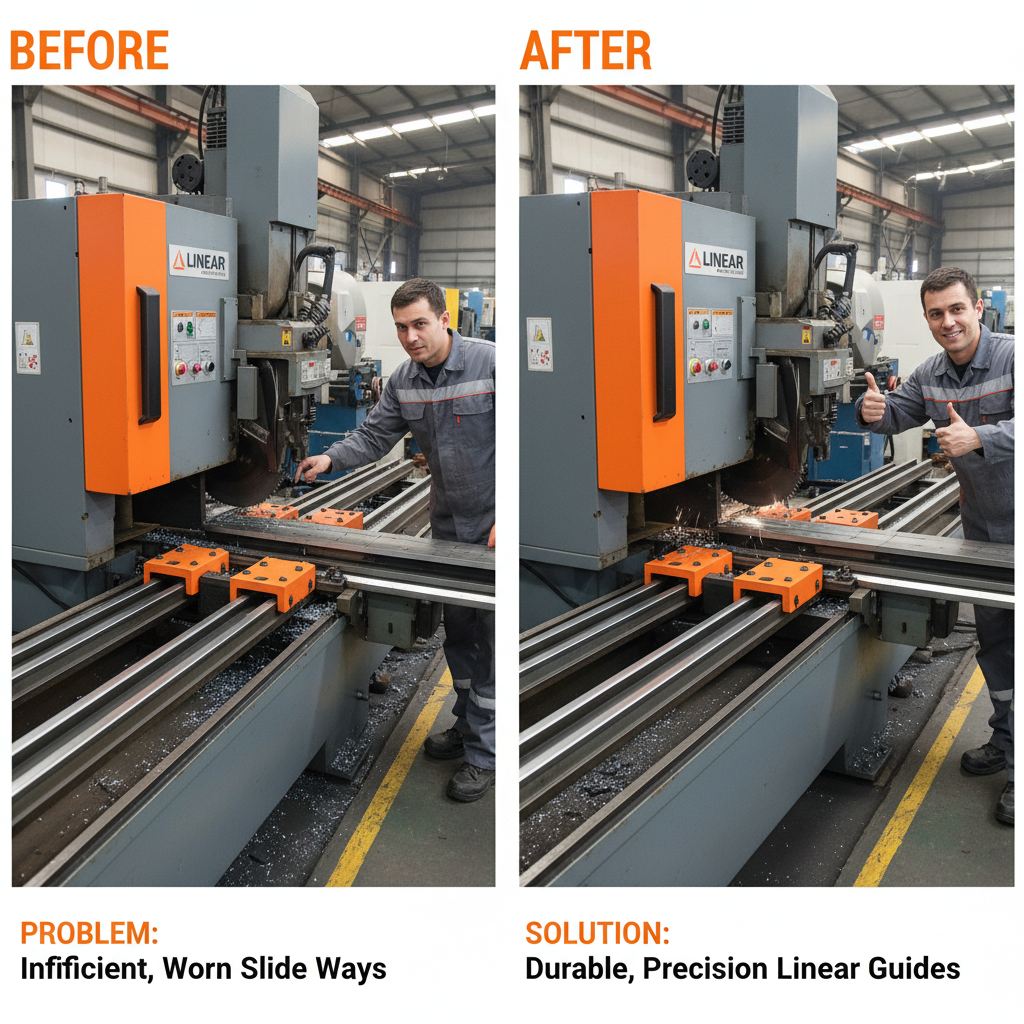
The advantages of utilizing high-quality linear guides are numerous. They provide increased efficiency, improved accuracy, and reduced downtime compared to traditional sliding systems. This translates to lower operating costs and increased productivity. Furthermore, linear guides offer enhanced safety, as their precise control reduces the risk of errors and accidents.
The long-term value lies in their durability and reliability. Investing in a robust linear motion system reduces the need for frequent repairs and replacements, saving businesses money over time. The precision and repeatability of linear guides also contribute to improved product quality, enhancing customer satisfaction and brand reputation. A commitment to quality within the selection of linear guide manufacturers will result in long-term return on investment.
Future Trends and Innovations
The future of linear guide manufacturing is focused on several key trends. One is the development of new materials, such as ceramic and carbon fiber composites, to reduce weight and increase stiffness. Another is the integration of smart sensors and monitoring systems to provide real-time feedback on system performance. These sensors can detect wear, predict failures, and optimize maintenance schedules.
Digital twin technology is also gaining traction, allowing manufacturers to create virtual models of their linear guide systems for simulation and optimization. Sustainability is another important driver, with manufacturers seeking to reduce their environmental impact through the use of eco-friendly materials and energy-efficient manufacturing processes. Automation and AI are poised to play an increasing role in the design and production of linear guides, leading to faster development cycles and improved quality control.
FAQS
The lifespan of a well-maintained linear guide system can vary widely depending on the application and operating conditions, but typically ranges from 5 to 15 years. Factors influencing lifespan include load, speed, lubrication, and environmental factors. Regular inspection and maintenance, including proper lubrication and cleaning, are crucial for maximizing longevity.
Selecting the appropriate linear guide involves considering several factors, including load capacity, precision requirements, operating speed, and environmental conditions. You need to determine the maximum load the guide will experience, the level of accuracy needed, and whether it will be exposed to dust, moisture, or extreme temperatures. Consulting with a reputable linear guide manufacturer can provide expert guidance.
The choice of lubricant depends on the operating conditions and the type of linear guide. Common options include lithium-based greases, synthetic oils, and dry lubricants. Lithium-based greases are suitable for general-purpose applications, while synthetic oils offer better performance at high speeds and temperatures. Dry lubricants are ideal for cleanroom environments or applications where contamination is a concern.
Regular inspection and maintenance are essential for ensuring the long-term reliability of linear guides. Inspections should be conducted at least every six months, or more frequently in demanding applications. Maintenance tasks include cleaning, lubrication, and checking for wear or damage. Replacing worn components promptly can prevent more costly repairs down the line.
Yes, many linear guide manufacturers offer customization options to meet specific application requirements. This can include custom lengths, mounting configurations, and special coatings. They can also design linear guide systems to accommodate unique load requirements or environmental conditions. linear guide manufacturers pride themselves on delivering tailored solutions.
Preload refers to the initial load applied to the linear bearings, which eliminates backlash and improves stiffness. Proper preload is critical for achieving high precision and smooth motion. The optimal preload level depends on the application and the type of linear guide. Too little preload can result in backlash, while too much preload can increase friction and wear.
Conclusion
In conclusion, linear guide manufacturers are fundamental to the functioning of modern industry, enabling precision, efficiency, and reliability in a wide range of applications. Their commitment to innovation, coupled with a focus on customization and quality, is driving advancements across various sectors, from robotics and automation to healthcare and aerospace. Understanding the core principles and emerging trends in this field is crucial for businesses seeking to optimize their operations and maintain a competitive edge.
Looking ahead, the role of linear guide manufacturers will only become more critical as automation and precision engineering continue to evolve. Investing in robust, high-quality linear motion systems is a strategic decision that can yield significant long-term benefits. We encourage you to explore the latest advancements and consider partnering with experienced manufacturers to unlock the full potential of linear motion technology.