Understanding the 8 Types of Bearing
Bearings are fundamental components in countless mechanical systems, enabling smooth and efficient rotational or linear movement. Selecting the right bearing for a specific application is critical for performance and longevity. This article explores the 8 main types of bearings, outlining their characteristics, applications, and benefits. Understanding these different types will help you make informed decisions when sourcing bearings for your needs. We’ll cover everything from ball bearings to needle bearings, helping you choose the ideal solution for your project.
1. Deep Groove Ball Bearings
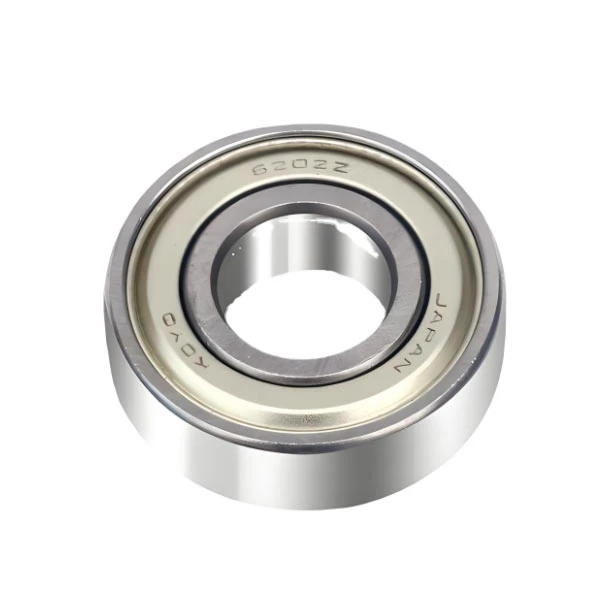
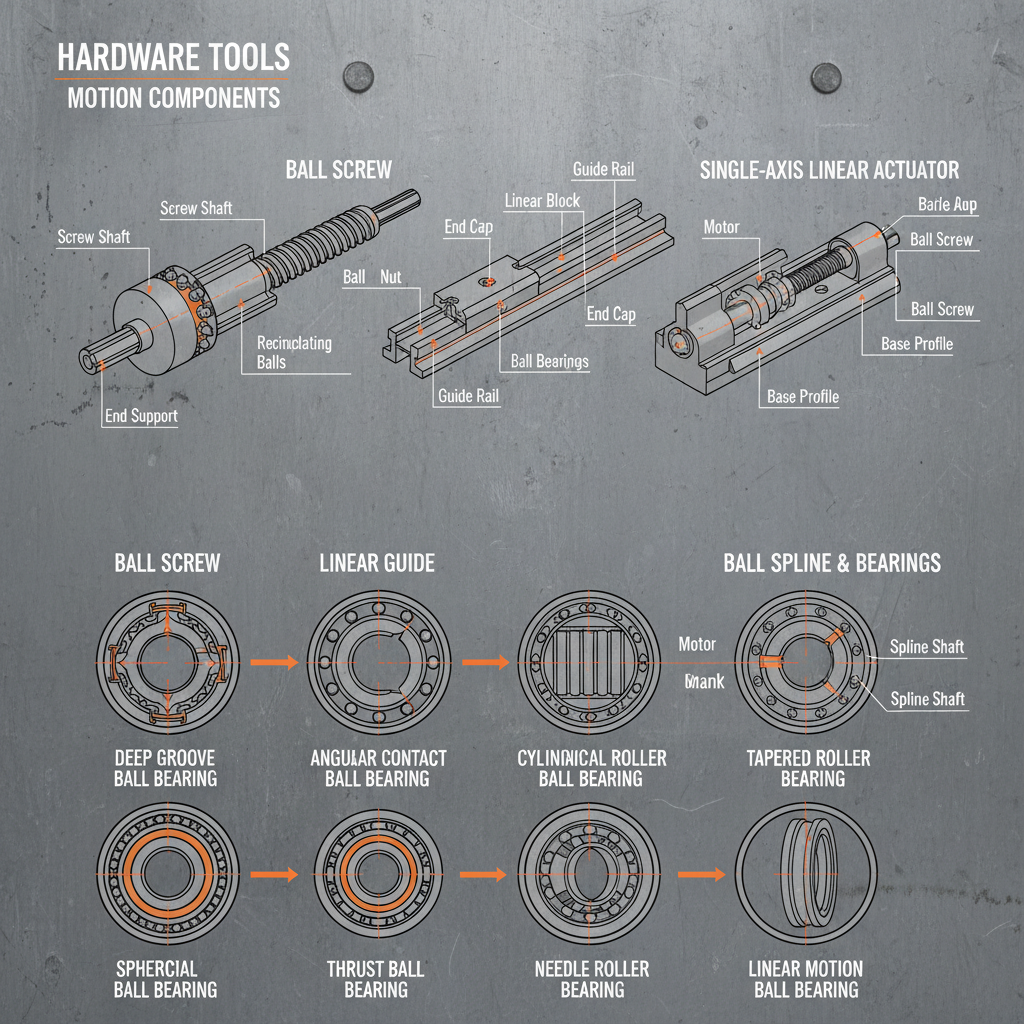
Deep groove ball bearings are arguably the most widely used type of bearing. They feature a simple design, consisting of an inner and outer ring with ball bearings in between. This design makes them versatile and suitable for high-speed applications. They can handle radial and some axial loads in both directions. Their relatively low friction makes them efficient, and they require minimal maintenance. They are commonly found in electric motors, gearboxes, and various industrial machines.
2. Angular Contact Ball Bearings
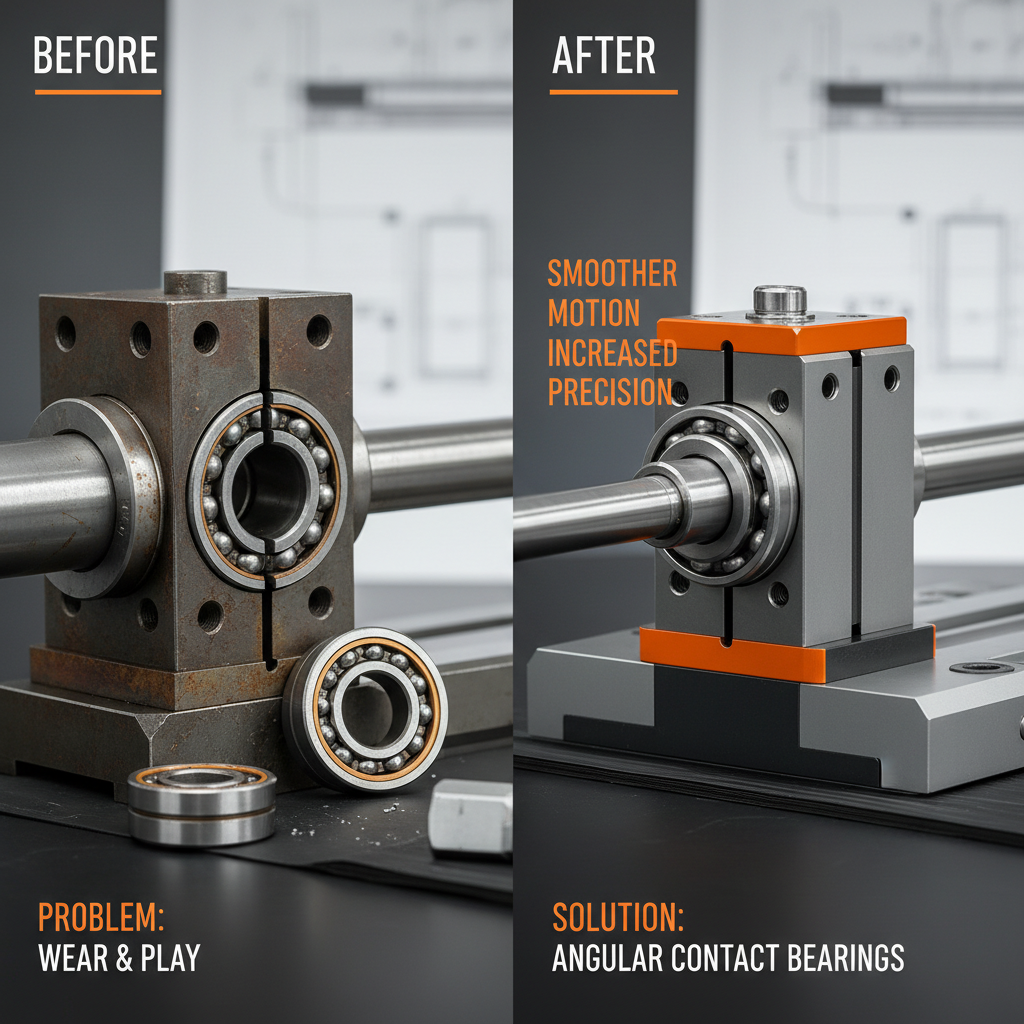
Angular contact ball bearings are designed to handle significant axial loads in one direction. They have a raceway angled relative to the bearing axis, which allows them to support axial forces. Often, they are used in pairs to handle axial loads in both directions. They are found in machine tool spindles, pumps, and compressors. Precise preloading is often critical for optimal performance.
3. Self-Aligning Ball Bearings
Self-aligning ball bearings are designed to compensate for shaft misalignment. They feature a spherical outer ring and ball bearings, allowing them to tolerate angular misalignments without significantly increasing friction. This makes them ideal for applications where precise alignment is difficult to achieve. They are frequently used in agricultural machinery, mining equipment, and textile machinery.
Key Highlights: Self-aligning ball bearings are a great solution to machine misalignment without the need for complex shimming or alignment procedures.
4. Cylindrical Roller Bearings
Cylindrical roller bearings are designed to handle heavy radial loads. They feature cylindrical rollers and a raceway, providing a large contact area. They are available in various designs, including those with cages and without cages. They are commonly found in gearboxes, rolling mills, and electric motors.
5. Needle Roller Bearings
Needle roller bearings utilize long, thin cylindrical rollers (needles). Their small radial section allows for a compact design, making them suitable for applications with limited space. They are often used in automotive transmissions, engines, and power tools. They can handle high radial loads but have limited axial load capacity. Yidi Bearings offers a comprehensive range of needle roller bearings.
Needle Roller Bearing Benefits:
• Compact design for limited space applications
• High load carrying capacity
• Relatively low cost
• Suitable for oscillating motion
6. Tapered Roller Bearings
Tapered roller bearings are designed to handle both radial and axial loads simultaneously. They feature tapered rollers and raceways, allowing them to efficiently transfer loads in both directions. They are commonly used in automotive wheel bearings, gearboxes, and heavy machinery. They are typically used in pairs or sets to optimize load distribution.
7. Thrust Bearings
Thrust bearings are specifically designed to handle primarily axial loads. They are not well-suited for radial loads. They come in ball, roller, and tapered roller designs. They are used in applications such as swivel chairs, turntables, and crane hooks.
8. Spherical Plain Bearings
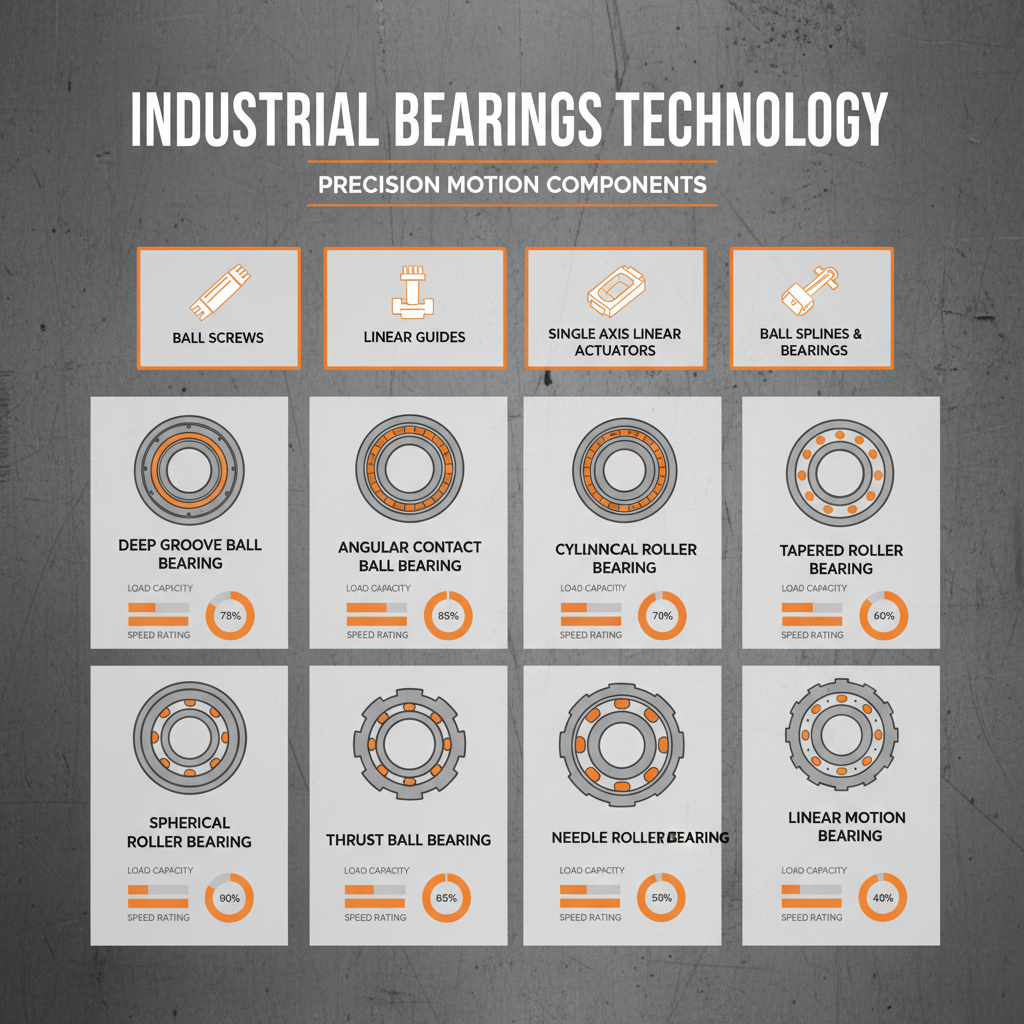
Spherical plain bearings, also known as self-aligning plain bearings, are designed to accommodate angular misalignment. They consist of an inner and outer ring with a spherical surface. They are often used in applications involving oscillating or pivoting movements. They are found in control levers, linkages, and hydraulic cylinders.
Conclusion: Choosing the Right Bearing
Selecting the appropriate bearing is crucial for optimal performance and longevity in any mechanical system. Understanding the different types of bearings and their characteristics enables informed decision-making. Yidi Bearings provides a wide variety of high-quality bearings to meet diverse industrial needs. Consider the load requirements, operating speed, alignment conditions, and environmental factors when choosing a bearing.
Frequently Asked Questions (FAQs)
What factors should I consider when selecting a bearing?
Several factors are crucial when selecting a bearing. These include the type and magnitude of the load (radial, axial, or combined), the operating speed, the desired lifespan, the operating temperature, the level of misalignment, and the environmental conditions. Understanding these parameters will help narrow down your options and choose the most suitable bearing for your specific application. For instance, high-speed applications may require ball bearings due to their low friction, while heavy loads may necessitate roller bearings. It’s important to also consider the lubricant and the sealing requirements.
How important is lubrication for bearings?
Lubrication is absolutely critical for the proper functioning and longevity of bearings. It reduces friction, minimizes wear, dissipates heat, and prevents corrosion. The type of lubricant used depends on the bearing type, operating speed, and temperature. Common lubricants include grease and oil. Regular lubrication is essential, and the frequency should be determined based on the operating conditions and manufacturer's recommendations. Insufficient lubrication can lead to premature bearing failure and costly downtime.
What is the difference between a sealed and shielded bearing?
Sealed bearings have rubber seals on both sides, which provide a tighter seal against contaminants and retain lubricant better. Shielded bearings have metal shields that offer some protection against contaminants but allow for easier access for lubrication. Sealed bearings are generally preferred for harsh environments where contamination is a concern, while shielded bearings are suitable for cleaner applications where relubrication may be desired.
Where can I find high-quality bearings?
Yidi Bearings is a trusted supplier of high-quality bearings for a wide range of industrial applications. We offer a comprehensive selection of bearing types, sizes, and materials to meet your specific needs. We are committed to providing excellent customer service and competitive pricing.