Understanding Ball Race Bearings: A Comprehensive Guide
Ball race bearings are fundamental components in countless mechanical systems, facilitating smooth and efficient rotational movement. From automotive applications to industrial machinery, these bearings play a critical role in minimizing friction and supporting loads. This article provides a detailed overview of ball race bearings, covering their types, applications, key features, and how to select the right bearing for your specific needs. We’ll explore how Yidi Bearings delivers high-quality solutions for a diverse range of industries.
What are Ball Race Bearings?
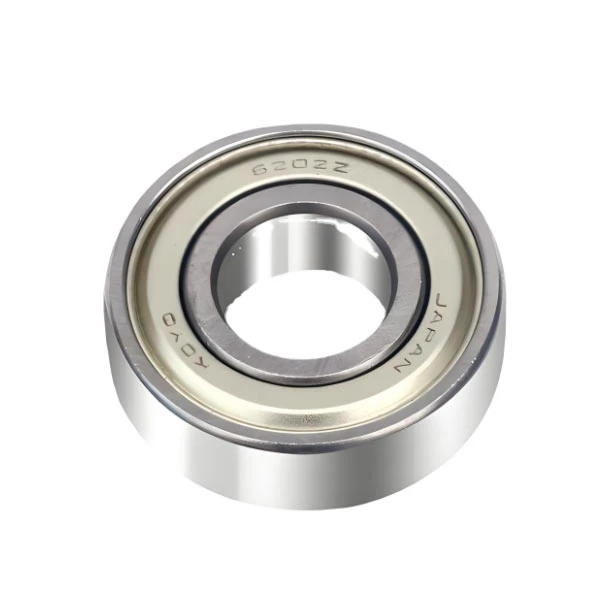
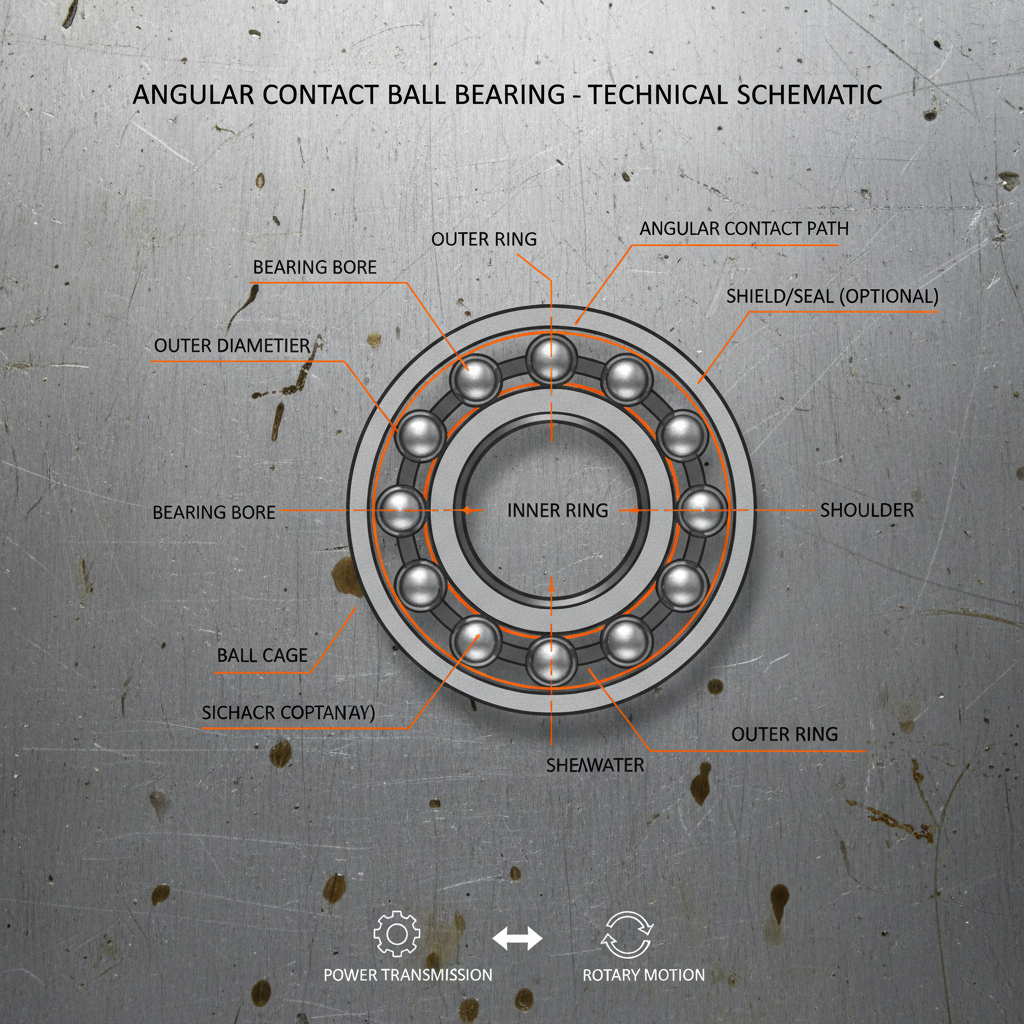
A ball race bearing consists of two rings (inner and outer) with a series of hardened steel balls held between them. These balls reduce friction and allow for smooth rotational movement between the rings. The design distributes load evenly across the balls, enhancing the bearing's load-carrying capacity. They are favored for their versatility, relatively low cost, and ability to handle both radial and axial loads, making them an excellent choice for a wide array of applications.
Key Features: High precision, low friction, versatile application, cost-effective, suitable for high-speed operation.
Types of Ball Race Bearings
Different applications require different types of ball race bearings. Here's a look at some common varieties:
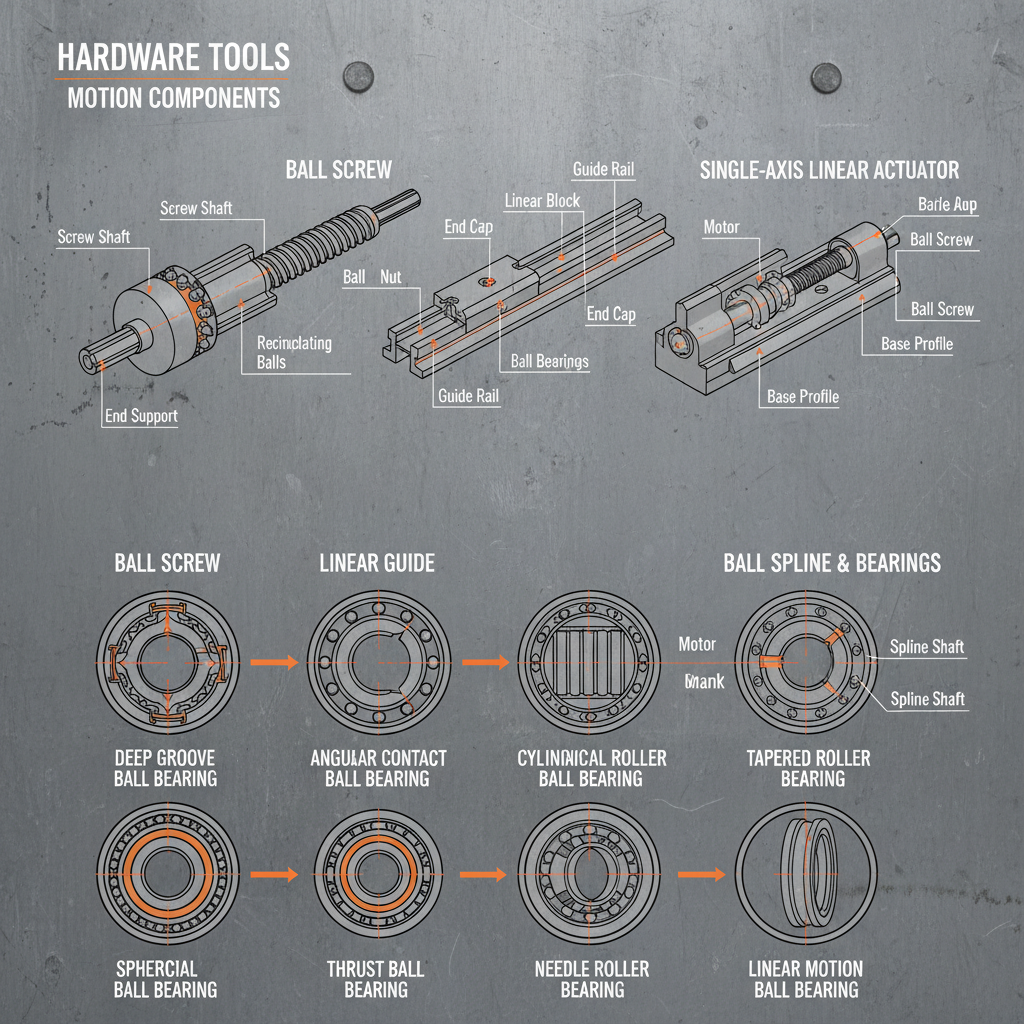
- Deep Groove Ball Bearings: The most common type, ideal for moderate radial and axial loads.
- Angular Contact Ball Bearings: Designed to handle significant axial loads in one direction, often used in pairs.
- Self-Aligning Ball Bearings: Can tolerate misalignment between the shaft and housing.
- Thrust Ball Bearings: Specifically designed for axial loads only.
Choosing the Right Type:
• Consider the load direction (radial, axial, or combined).
• Assess the level of misalignment expected.
• Determine the operating speed and temperature.
Ball Race Bearing Applications
Ball race bearings are ubiquitous across various industries. Common applications include:
- Automotive: Wheel bearings, transmission bearings, engine bearings.
- Industrial Machinery: Motors, pumps, compressors, gearboxes.
- Aerospace: Aircraft engines, control systems.
- Household Appliances: Washing machines, dryers, vacuum cleaners.
- Medical Equipment: Surgical instruments, diagnostic devices.
Selecting the Right Ball Race Bearing
Choosing the optimal ball race bearing involves careful consideration of several factors. Key specifications include:
- Load Capacity: Ensure the bearing can handle the anticipated loads.
- Speed Rating: Select a bearing designed for the operating speed.
- Lubrication: Choose a bearing compatible with the intended lubricant.
- Operating Temperature: Consider the temperature range of the application.
- Corrosion Resistance: Select appropriate materials for corrosive environments.
Why Choose Yidi Bearings?
Yidi Bearings is a leading supplier of high-quality ball race bearings, offering a wide range of sizes and types to meet diverse industrial needs. We are committed to providing reliable, durable, and cost-effective bearing solutions, backed by expert technical support. Our products undergo rigorous quality control to ensure they meet or exceed industry standards.
Conclusion
Understanding the nuances of ball race bearings is essential for optimal performance and longevity. By carefully considering application requirements and choosing a reputable supplier like Yidi Bearings, you can ensure your machinery operates efficiently and reliably.
Frequently Asked Questions (FAQs)
What is the typical lifespan of a ball race bearing?
The lifespan of a ball race bearing depends significantly on operating conditions, including load, speed, temperature, and lubrication. Under ideal conditions, a well-maintained bearing can last for several years. However, factors like contamination, misalignment, and excessive loads can significantly reduce its lifespan. Regular inspection and preventative maintenance, such as relubrication, are crucial for maximizing bearing life.
How important is lubrication for ball race bearings?
Lubrication is paramount for ball race bearing performance and longevity. It reduces friction, minimizes wear, prevents corrosion, and dissipates heat. The choice of lubricant depends on the operating conditions and bearing type. Common lubricants include grease and oil. Insufficient or improper lubrication is a leading cause of bearing failure.
Can ball race bearings tolerate misalignment?
While deep groove ball race bearings can tolerate a small degree of misalignment, excessive misalignment can significantly reduce their lifespan and performance. Self-aligning ball bearings are specifically designed to accommodate larger misalignments. Proper alignment during installation is essential for optimal bearing operation.
What materials are ball race bearings typically made from?
Ball race bearings are commonly made from high-carbon chromium steel for the balls and rings due to its hardness, durability, and resistance to wear. The cage, which separates the balls, is often made from materials like steel, brass, or nylon. For specific applications, stainless steel or ceramic materials may be used for enhanced corrosion resistance or high-temperature performance.