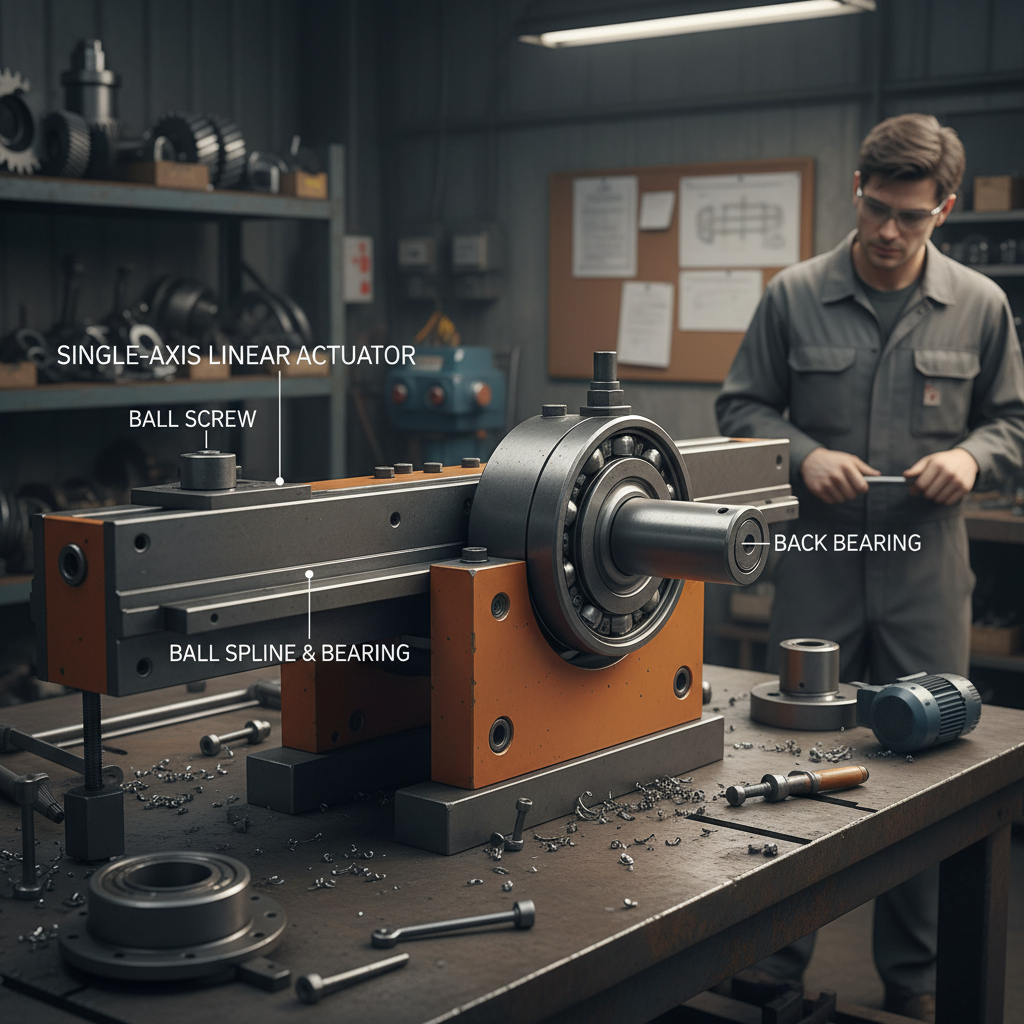
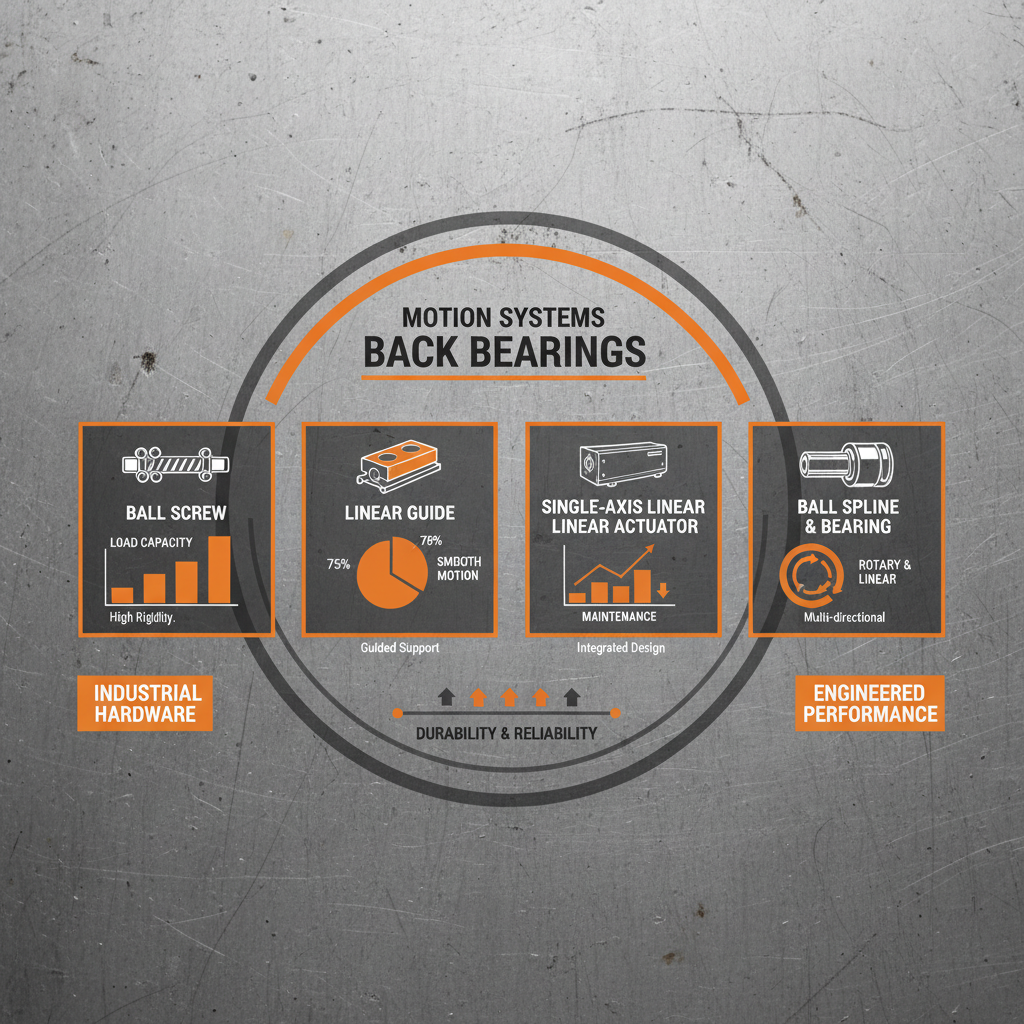
Look, I’ve spent the last twenty years walking construction sites, getting my hands dirty, and frankly, seeing a lot of things fail. And when things fail, it almost always comes down to the foundation – literally and figuratively. That’s why understanding the importance of a robust back bearing system is absolutely critical. It’s not just about the spec sheet; it’s about ensuring the entire structure can handle the load, the environment, and the inevitable stresses that come with real-world use. We’re talking about safety, longevity, and ultimately, minimizing costly downtime.
You hear a lot of talk about innovative materials and complex designs, but without a solid back bearing supporting everything, it’s all just window dressing. I’ve seen projects delayed for weeks, even months, because someone skimped on the back bearing, leading to structural instability. It’s a headache for everyone involved – the engineers, the contractors, the owners, and most importantly, the people who will eventually use the building.
The reality is, a well-engineered back bearing isn’t glamorous. It’s not something you showcase in the brochures. But it’s the unsung hero of any successful construction project. It’s the silent partner that keeps everything standing. That’s why I take it so seriously, and why you should too.
The Critical Role of Back Bearing in Structural Integrity
Let’s be clear: a structure is only as strong as its weakest link. And more often than not, that weak link is a compromised back bearing. We’re talking about the fundamental element that transfers load from the superstructure to the foundation, ensuring stability and preventing catastrophic failure. It’s the difference between a building that stands the test of time and one that’s constantly fighting against gravity.
I’ve seen firsthand how inadequate back bearing capacity leads to cracks, settlements, and ultimately, costly repairs. These aren't just aesthetic issues; they're safety hazards. Ignoring the back bearing during the design phase is like building a house on sand.
Understanding Back Bearing: Definitions and Applications
Simply put, back bearing refers to the capacity of a soil or foundation to support the weight of a structure. It's expressed in units of pressure, like pounds per square foot (psf) or kilopascals (kPa). But it’s far more than just a number; it’s a complex interaction between the soil properties, the foundation design, and the applied loads. We need to understand the soil’s composition, its shear strength, and its potential for settlement.
The applications are everywhere – from skyscrapers and bridges to residential homes and even retaining walls. Any structure that transfers its weight to the ground relies on adequate back bearing. The type of back bearing required depends heavily on the soil conditions and the magnitude of the load.
It’s not just about preventing collapse. Proper back bearing design minimizes differential settlement, which can cause doors and windows to stick, cracks in walls, and even structural damage over time. This is where a good geotechnical investigation is worth its weight in gold.
Core Components of Effective Back Bearing Systems
Several key factors contribute to a robust back bearing system. First, thorough site investigation is paramount. This involves soil borings, laboratory testing, and a detailed understanding of the subsurface conditions. You need to know what you're building on.
Second, the foundation design must be appropriate for the soil conditions and the structural loads. This might involve shallow foundations like spread footings or deep foundations like piles or caissons. Selecting the right foundation type is crucial for distributing the load effectively. We've moved away from just 'bigger is better' and now focus on optimized designs.
Finally, proper construction practices are essential. Compacting the soil correctly, ensuring adequate concrete cover, and following the engineer’s specifications to the letter are all critical steps in ensuring the back bearing system performs as intended. Cutting corners here is simply not an option.
Global Implementation and Diverse Use Cases
The need for reliable back bearing isn’t limited to any one region; it’s a global concern. In seismic zones like Japan and California, back bearing calculations must account for dynamic loads and potential liquefaction. In coastal areas, the effects of erosion and saltwater intrusion must be considered.
You see it in high-rise construction in developing countries, where soil conditions are often challenging and construction practices can vary. You see it in infrastructure projects like bridges and tunnels, where failure is simply not an option. And you see it in everyday residential construction, where even seemingly minor settlement issues can cause significant problems for homeowners.
Back Bearing Capacity Comparison by Foundation Type
Long-Term Benefits and Value Proposition of Back Bearing
Investing in a properly engineered back bearing system isn't just about avoiding immediate failure. It’s about long-term cost savings. Minimizing settlement and preventing structural damage reduces the need for costly repairs down the road. It increases the lifespan of the structure, maximizing its return on investment.
Beyond the financial benefits, there’s the peace of mind that comes with knowing you’ve built something solid and safe. You're protecting the people who will use the structure, and you're building a reputation for quality and reliability. That’s a value you can't put a price on.
Future Trends and Innovations in Back Bearing Technology
We’re seeing a lot of innovation in the field of back bearing. Ground improvement techniques like jet grouting and deep soil mixing are becoming more common, allowing us to enhance the load-bearing capacity of challenging soils. We're also seeing increased use of sensors and monitoring systems to track settlement and identify potential problems early on.
The integration of Building Information Modeling (BIM) is also revolutionizing the way we approach back bearing design. BIM allows us to create a virtual model of the structure and analyze its performance under various load conditions, helping us optimize the foundation design and minimize risk.
Sustainable construction practices are also driving innovation. We’re looking for ways to minimize our environmental impact by using recycled materials and reducing soil disturbance.
Challenges and Solutions in Back Bearing Implementation
One of the biggest challenges is dealing with unexpected soil conditions. You can do all the site investigation in the world, but you can still encounter surprises underground. That’s why it’s so important to have a contingency plan and be prepared to adapt the foundation design if necessary.
Another challenge is coordinating with different stakeholders – the geotechnical engineer, the structural engineer, the contractor, and the owner. Clear communication and collaboration are essential for ensuring everyone is on the same page.
Finally, there's the issue of cost. Sometimes, owners are reluctant to invest in a robust back bearing system because they see it as an unnecessary expense. But as I've said before, it’s an investment that will pay off in the long run.
Summary of Back Bearing Challenges and Mitigation Strategies
| Challenge |
Likelihood |
Impact |
Mitigation Strategy |
| Unexpected Soil Conditions |
Medium |
High |
Detailed Site Investigation, Contingency Plans |
| Poor Communication |
Low |
Medium |
Regular Meetings, Clear Documentation |
| Cost Constraints |
High |
Medium |
Life Cycle Cost Analysis, Value Engineering |
| Construction Errors |
Medium |
High |
Quality Control, Proper Supervision |
| Regulatory Changes |
Low |
Low |
Stay Updated, Consult Experts |
| Lack of Skilled Labor |
Medium |
Medium |
Training Programs, Experienced Supervision |
FAQS
Based on my experience, the most frequent cause isn't some exotic problem, but simply inadequate site investigation. Not thoroughly understanding the soil properties – its load-bearing capacity, potential for settlement, or presence of groundwater – leads to a foundation design that can't handle the actual conditions. It’s a classic case of penny-wise, pound-foolish.
Start with a comprehensive geotechnical investigation conducted by a qualified professional. Don't skimp on this step. Then, work with a structural engineer who specializes in foundation design. Ensure they’re considering all relevant factors – the building loads, soil conditions, and local building codes. Finally, rigorous quality control during construction is vital to ensure the design is implemented correctly.
Keep an eye out for cracks in walls or foundations, doors and windows that stick, sloping floors, or visible settlement. These can all indicate underlying problems with the back bearing. It’s always best to have a structural engineer inspect the building to assess the situation and recommend appropriate repairs.
Soil type is everything. Clay soils have lower back bearing capacity than granular soils like sand and gravel. Organic soils are particularly problematic. You need to know the soil’s shear strength, compressibility, and drainage characteristics to design a suitable foundation. Different soil types require drastically different foundation approaches.
Proper drainage is crucial. Excess water can significantly reduce the back bearing capacity of the soil, particularly clay soils. Waterlogged soil becomes unstable and can lead to settlement or even catastrophic failure. Effective drainage systems – like French drains or surface grading – are essential for maintaining a stable foundation.
Absolutely. There are a variety of ground improvement techniques available, such as soil compaction, chemical stabilization, jet grouting, and deep soil mixing. These methods can enhance the soil’s load-bearing capacity and make it suitable for supporting a structure. The choice of technique depends on the specific soil conditions and the project requirements.
Conclusion
Ultimately, understanding back bearing isn’t just about engineering calculations; it's about recognizing the fundamental principles of structural stability. It’s about building responsibly, prioritizing safety, and ensuring that structures stand the test of time. It's about remembering that a solid foundation is the key to a successful project.
I encourage everyone involved in construction – from architects and engineers to contractors and owners – to take back bearing seriously. Invest in proper site investigation, thorough design, and rigorous quality control. And remember, when in doubt, consult with a qualified professional. Your investment will pay off in the long run. For more information on ensuring a solid foundation for your project, visit our website: www.yidibearings.com.