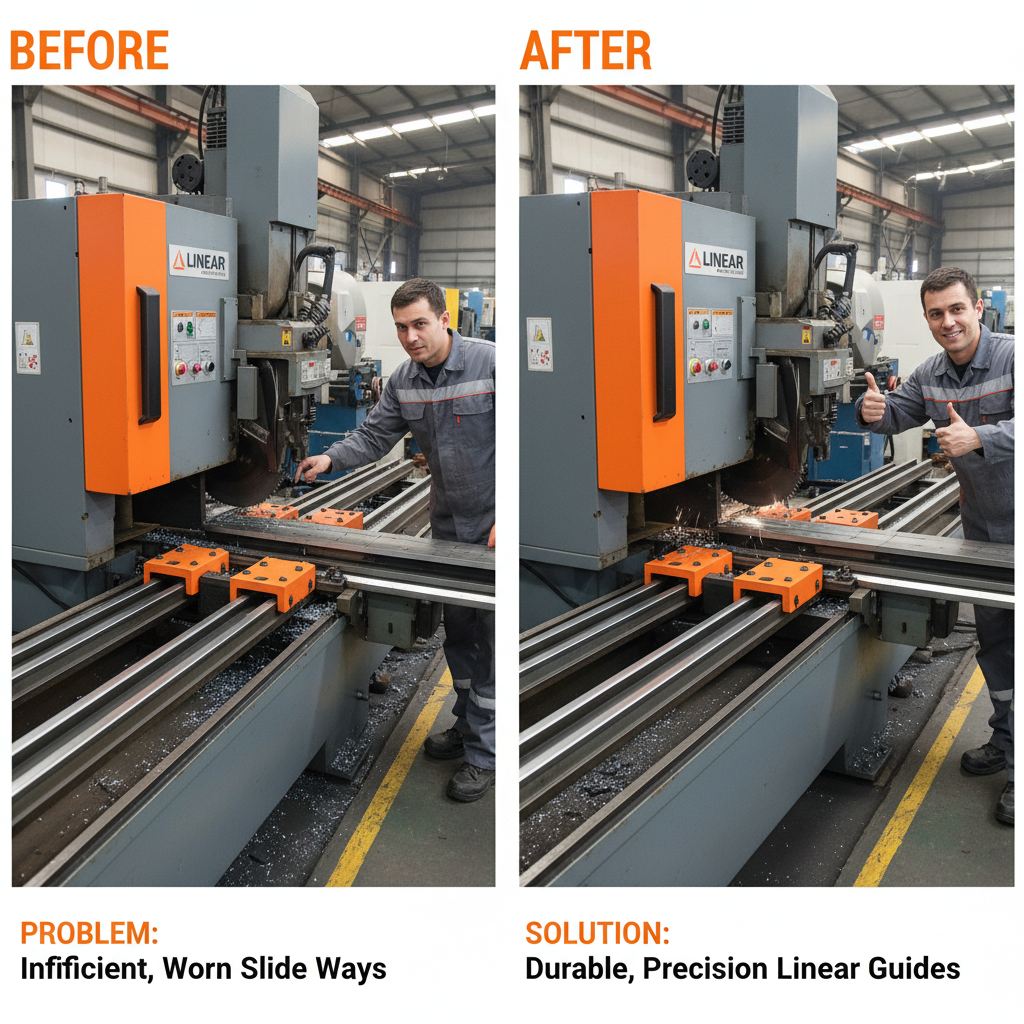
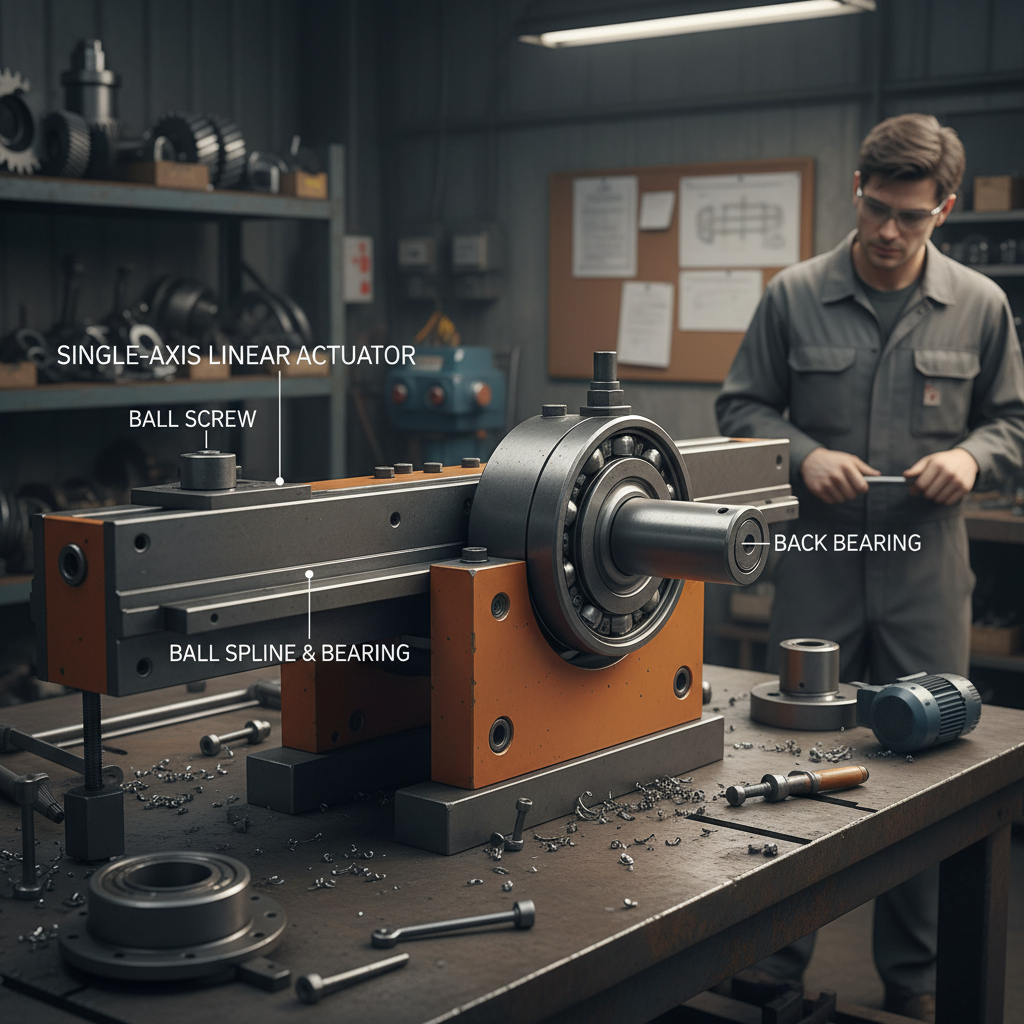
Look, I've spent the last twenty years walking construction sites, getting dust in my teeth, and frankly, watching a lot of folks struggle with moving things. It all comes down to efficiency, and that's where quality ball bearing wheels come in. It’s not about having the fanciest equipment; it's about having the right wheels under everything, making sure materials get where they need to be without costing you time, money, or a bad back. We've seen a massive shift towards prefabrication and modular construction, and that's heavily reliant on smooth, reliable transport.
The demand for faster project completion and reduced on-site labor is only increasing. These trends are pushing us toward more sophisticated material handling systems, and at the heart of those systems are dependable ball bearing wheels. We're seeing more and more contractors realizing that skimping on this component is a false economy - a few dollars saved on wheels can translate to hours wasted, potential delays, and even safety hazards down the line. It's a surprisingly crucial part of the whole operation.
Frankly, it's not just about big construction projects anymore. Landscaping, event setup, even industrial maintenance – anyone moving heavy loads is looking for solutions. And the need for durability is paramount. We're talking about environments where these wheels are exposed to dirt, grime, water, and constant stress. That’s why focusing on the core performance of these ball bearing wheels is what really matters to those of us on the ground.
The Core Principles of Ball Bearing Wheel Performance
I’ve seen a lot of wheels that look good on paper but fall apart after a week on a job site. The fundamental principle is simple: load capacity combined with durability. A wheel can technically ‘hold’ a weight, but can it handle repeated impacts, uneven surfaces, and consistent rolling without seizing up? That’s the difference. We’re talking about materials science, heat treatment, and precision manufacturing here, not just a chunk of molded plastic.
The bearing itself is key, of course. Good ball bearing wheels use hardened steel bearings, properly lubricated and sealed to keep out contaminants. It’s the bearing that minimizes friction and allows for smooth, efficient movement, translating directly to less effort for the people pushing or pulling the load. And it’s crucial for preventing premature wear and tear, which, believe me, adds up quickly in labor costs.
Global Relevance and Industry Impact
This isn’t a localized issue. Look at the global supply chain – everything moves on wheels at some point. The World Bank estimates that infrastructure spending will reach trillions in the coming years, and a huge chunk of that involves material handling. From port logistics to construction sites in emerging markets, the need for reliable ball bearing wheels is only going to grow.
Consider the prefabricated housing industry. It’s booming in response to housing shortages and disaster relief needs. But prefab relies heavily on moving modules quickly and efficiently, and that means robust wheel systems. The ISO standards for material handling equipment are getting stricter, pushing manufacturers to prioritize quality and safety. You’re seeing this reflected in the demand for more durable, high-performance wheels.
The challenge is that a lot of the cheaper options flooding the market simply don't meet those standards. They might be okay for light-duty tasks, but they’ll fail when put under real-world stress, leading to delays, downtime, and potentially dangerous situations. We’re talking about a real need for quality control and traceability in the supply chain.
Defining Ball Bearing Wheel Technology
At its core, a ball bearing wheel replaces sliding friction with rolling friction. That’s the fundamental principle. But the execution is what matters. It's not just about sticking some bearings into a wheel; it’s about the precision of the bearing itself, the quality of the materials used, and how well everything is sealed and protected from the elements.
Different bearing configurations – deep groove, tapered roller, spherical – are suited to different loads and applications. Understanding those differences is crucial. A deep groove bearing is good for radial loads, while a tapered roller bearing can handle both radial and thrust loads. The housing material is also key. Polyurethane is common for its durability and resistance to abrasion, but you can also find wheels with steel, aluminum, or even nylon housings.
The key is finding the right combination of bearing type, housing material, and wheel diameter for the specific application. A small, lightweight wheel might be fine for a hand truck, but a heavy-duty piece of construction equipment will need a much more robust wheel system.
Key Factors in Ball Bearing Wheel Selection
I’ve seen too many projects stalled because someone picked the wrong wheel. Here's what I tell guys on site: you need to consider load capacity, diameter, material, and bearing type. Load capacity is obvious – make sure the wheel can handle the weight you’re throwing at it. But diameter matters too. Larger diameter wheels roll more easily over obstacles.
Material is also critical. Polyurethane is a good all-around choice, but it can be damaged by certain chemicals. Steel wheels are incredibly durable but can be noisy and prone to corrosion. The bearing type dictates how well the wheel handles different types of loads. And don’t forget about the environment – if you're working in a dusty or wet environment, you need sealed bearings to protect against contamination.
Ball Bearing Wheel Performance Metrics
Real-World Applications Across Industries
You’ll find ball bearing wheels in everything from airport baggage handling systems to hospital beds. But on construction sites, they’re essential for moving everything from scaffolding and generators to concrete mixers and rebar. They’re also crucial for material lifts and platform carts.
In the logistics industry, they’re used in conveyor systems, pallet jacks, and forklifts. Even in retail, you'll find them on shopping carts and display stands. The key is that any application requiring the smooth, efficient movement of heavy loads benefits from quality ball bearing wheels.
Long-Term Value and Total Cost of Ownership
Here’s what I always tell folks: Don't just look at the upfront cost. A cheap wheel might save you a few bucks now, but it'll cost you more in the long run through increased maintenance, downtime, and replacement costs. Investing in high-quality ball bearing wheels is about maximizing your return on investment.
Consider the labor savings. Smooth-rolling wheels reduce the effort required to move materials, increasing productivity and reducing worker fatigue. And a reliable wheel system minimizes the risk of accidents and injuries. That’s a huge benefit, both in terms of safety and liability.
Future Trends and Innovations in Ball Bearing Wheels
We’re starting to see a lot of innovation in this space. Things like self-lubricating bearings, composite materials, and smart wheels with integrated sensors are all emerging. These sensors can monitor load, speed, and temperature, providing valuable data for predictive maintenance.
There’s also a growing focus on sustainability. Manufacturers are exploring the use of recycled materials and designing wheels that are more durable and long-lasting, reducing the need for frequent replacements. We’re also seeing more customized wheel solutions tailored to specific applications.
The biggest push, though, is towards integration with automation. As more construction sites and warehouses adopt robotics and automated guided vehicles (AGVs), the demand for highly precise and reliable ball bearing wheels will only increase.
Summary of Key Factors Influencing Ball Bearing Wheel Performance
| Wheel Material |
Bearing Type |
Load Capacity (kg) |
Environmental Resistance |
| Polyurethane |
Deep Groove |
200 |
Moderate |
| Steel |
Tapered Roller |
500 |
High (with coating) |
| Nylon |
Ball Bearing |
100 |
Low |
| Aluminum |
Spherical Roller |
300 |
Moderate |
| Composite |
Sealed Ball Bearing |
150 |
High |
| Cast Iron |
Plain Bearing |
700 |
Moderate (requires lubrication) |
FAQS
Sealed bearings have a protective covering preventing dirt and debris from entering. This increases longevity and reduces maintenance, essential for construction sites. Open bearings are cheaper but require regular lubrication and are susceptible to contamination. I generally recommend sealed for almost all outdoor applications.
Larger diameters roll easier over obstacles and require less force to push, making them good for uneven terrain. Smaller diameters are more maneuverable in tight spaces. Consider the surface you'll be rolling on and the load you'll be carrying. A rough surface needs a bigger wheel!
Polyurethane and nylon are good choices for wet environments, as they resist corrosion. However, ensure the bearings are also sealed to protect them from water damage. Stainless steel bearings are the best option for highly corrosive environments, but they’re more expensive.
Critically important! Exceeding the load rating will cause premature failure and can be dangerous. Always check the wheel’s load capacity and ensure it's sufficient for the weight you'll be carrying, plus a safety margin. Don't guess!
Regular cleaning and lubrication are key. Remove any dirt or debris and apply a suitable lubricant to the bearings. For sealed bearings, inspection for damage is important. For non-sealed, regular re-greasing is a must. Preventative maintenance will drastically extend wheel life.
Sometimes! It depends on the wheel design. Some wheels have replaceable bearings, which can save you money. However, replacing bearings can be tricky and requires the right tools and expertise. If you're not comfortable doing it yourself, it's best to replace the entire wheel.
Conclusion
Ultimately, choosing the right ball bearing wheels isn’t just about the wheels themselves, it’s about understanding your application, prioritizing durability, and considering the total cost of ownership. It's about avoiding headaches down the road. We’ve seen too many projects bogged down by simple failures. Investing in quality upfront is always the smart move.
As technology advances, we'll continue to see innovation in this space – smarter wheels, more durable materials, and more efficient designs. But the fundamental principles remain the same: smooth rolling, reliable performance, and the ability to handle the demands of the job. If you’re looking for solutions that will last, visit our website: www.yidibearings.com.