Understanding Angular Contact Ball Bearings
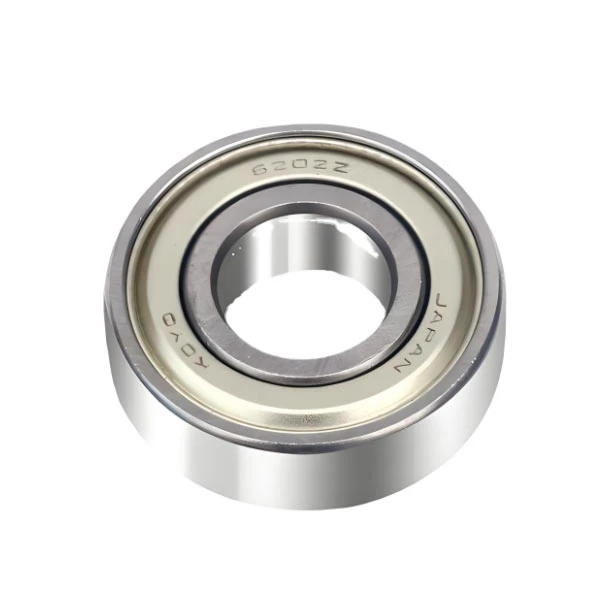
Angular contact ball bearings are a crucial component in many industrial applications, prized for their ability to handle both radial and axial loads. Their design allows them to support heavier loads and operate at higher speeds compared to deep groove ball bearings. At Yidi Bearings, we specialize in providing high-quality angular contact ball bearings tailored to a diverse range of industries. This article will delve into the key features, applications, types, and considerations when selecting the right angular contact ball bearing for your needs. Understanding these bearings is paramount for ensuring optimal performance and longevity of your machinery.
Key Features of Angular Contact Ball Bearings
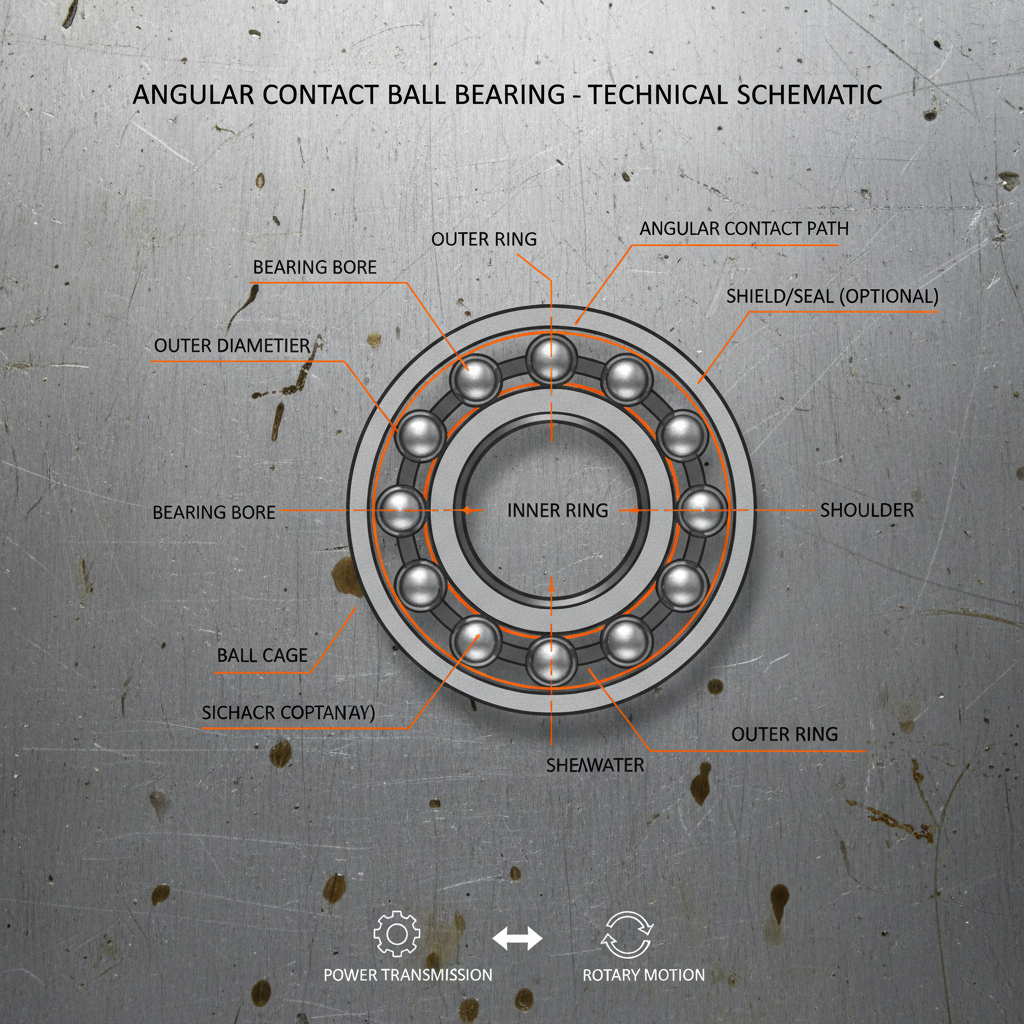
The defining characteristic of an angular contact ball bearing is its ability to accommodate axial loads in addition to radial loads. This is achieved through the raceways being offset from each other, creating an "angle of contact." This angle allows the balls to exert a force against the raceways, resisting axial movement. They are typically used in pairs or sets to evenly distribute the load. Proper lubrication is critical for these bearings, and Yidi Bearings offers a range of lubrication solutions alongside our bearings. They are ideal for high-speed applications and demanding operating conditions. Furthermore, different cage materials can be used to optimize performance based on temperature and speed requirements.
Key Highlights: Designed to handle both radial and axial loads, excellent for high-speed applications, and available with various cage materials for tailored performance.
Types of Angular Contact Ball Bearings
Angular contact ball bearings come in several variations, each suited for specific applications. Single-row angular contact ball bearings are the most common type and can support axial loads in one direction. Double-row angular contact ball bearings are designed to handle axial loads in both directions, offering increased stability and load capacity. Four-point contact ball bearings are another configuration, providing even greater axial load capacity. Choosing the right type depends on the magnitude and direction of the load, as well as the operating speed and temperature. At Yidi Bearings, we offer all these configurations to meet your specific needs.
Angular Contact Ball Bearing Types:
• Single-Row: Supports axial loads in one direction.
• Double-Row: Supports axial loads in both directions.
• Four-Point Contact: High axial load capacity.
Angular Contact Ball Bearing Applications
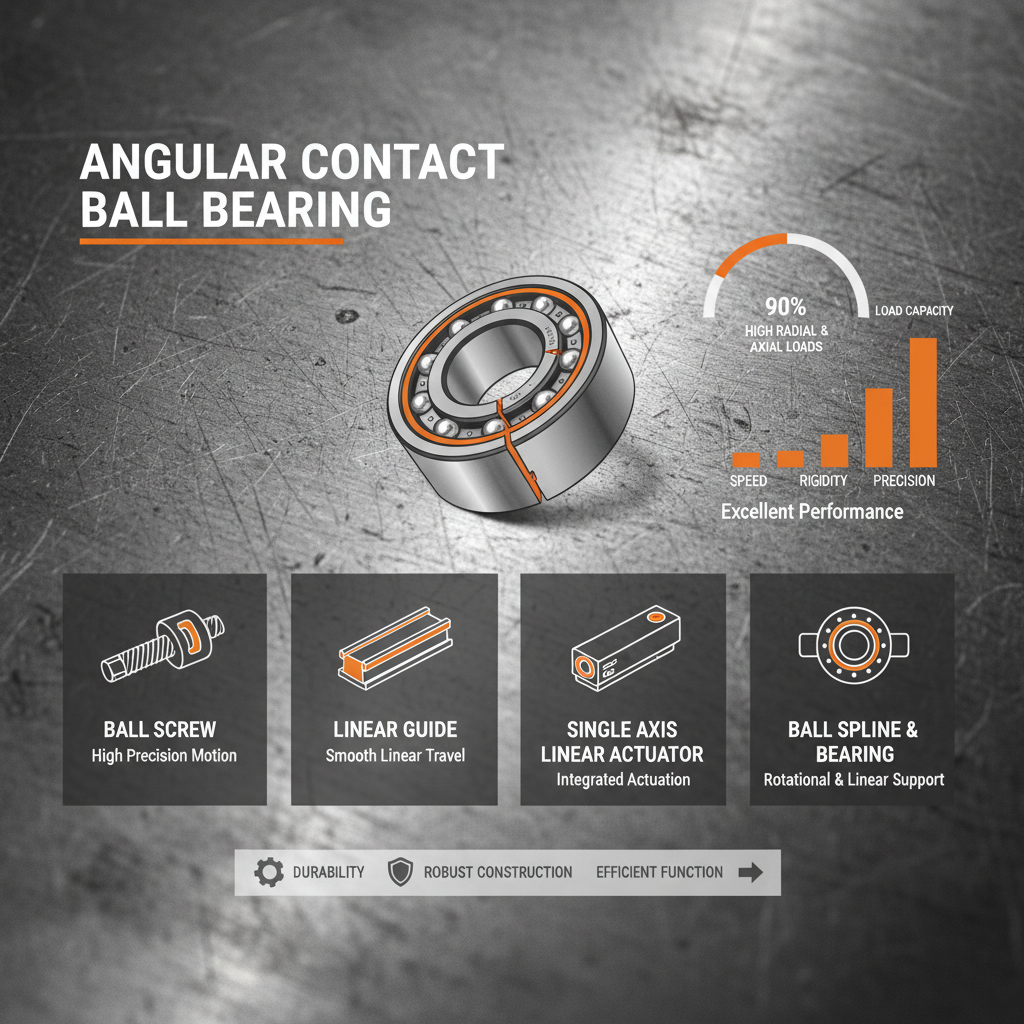
These bearings find widespread use across numerous industries. In machine tools, they provide the precision and rigidity necessary for accurate machining. They are also essential in pumps and compressors, where they handle radial and axial loads created by rotating components. The automotive industry utilizes them in wheel hubs and transmissions. Furthermore, they are commonly found in gearboxes, electric motors, and industrial robots. Yidi Bearings provides tailored solutions for each of these applications, ensuring optimal performance and reliability.
Selecting the Right Angular Contact Ball Bearing
Choosing the correct bearing involves considering several factors. Load magnitude and direction are primary concerns. Operating speed and temperature also play a crucial role in material selection and lubrication requirements. The precision class of the bearing affects its runout and noise levels. Additionally, consider the mounting arrangement and potential for misalignment. Yidi Bearings’ experienced engineers can assist you in selecting the optimal bearing for your specific application.
Key Considerations & Specifications
When specifying an angular contact ball bearing, pay close attention to its dimensions, contact angle, and bore diameter. The contact angle is crucial, as it influences the bearing’s axial load capacity. A larger contact angle generally provides greater axial load capacity but lower radial load capacity. Preload is another important parameter – it refers to the initial load applied to the bearing during installation, enhancing rigidity and reducing noise. Yidi Bearings provides detailed specifications and technical support to ensure you make the right choice.
Conclusion: Partner with Yidi Bearings for Optimal Performance
Choosing the right angular contact ball bearing is critical for the performance and longevity of your machinery. Yidi Bearings offers a comprehensive selection of high-quality bearings, coupled with expert technical support, to ensure you find the perfect solution for your needs. Contact us today to learn more about how we can help you optimize your operations.
Frequently Asked Questions (FAQs)
What is the significance of the contact angle in an angular contact ball bearing?
The contact angle is the angle between the raceway and the bearing axis. A larger contact angle means the bearing can support a greater axial load but has a reduced radial load capacity. Conversely, a smaller contact angle excels at radial loads while offering less axial support. Choosing the correct contact angle depends on the specific load requirements of the application. For example, machine tool spindles typically use higher contact angles to manage axial loads from cutting forces. Yidi Bearings' engineers can help determine the optimal contact angle for your application.
Are angular contact ball bearings interchangeable with other bearing types?
Generally, no. Angular contact ball bearings are designed to handle specific load combinations that other bearing types (like deep groove ball bearings or cylindrical roller bearings) cannot. Directly substituting an angular contact ball bearing with a different type can lead to premature failure and compromised performance. It's essential to consult bearing specifications and consider the application’s requirements before making any substitutions.
What is preload, and why is it important for angular contact ball bearings?
Preload is the initial load applied to the bearing during installation. It eliminates internal clearances and provides rigidity, preventing noise and vibration. For angular contact ball bearings, preload is particularly important as it helps to distribute the load evenly across the balls and raceways. Proper preload improves bearing life and performance. Different preload levels are available, and the optimal value depends on the application's specific requirements.