Understanding Angular Ball Bearings: A Comprehensive Guide
Angular ball bearings are a crucial component in many mechanical systems, renowned for their ability to handle both radial and axial loads. These bearings are essential in applications demanding precision and durability. This article provides an in-depth exploration of angular ball bearings, covering their design, applications, advantages, and selection criteria. Whether you're an engineer, a maintenance professional, or simply seeking to understand this vital technology, this guide will offer valuable insights. Proper bearing selection is key to optimal performance and longevity.
How Angular Ball Bearings Work: Design and Functionality
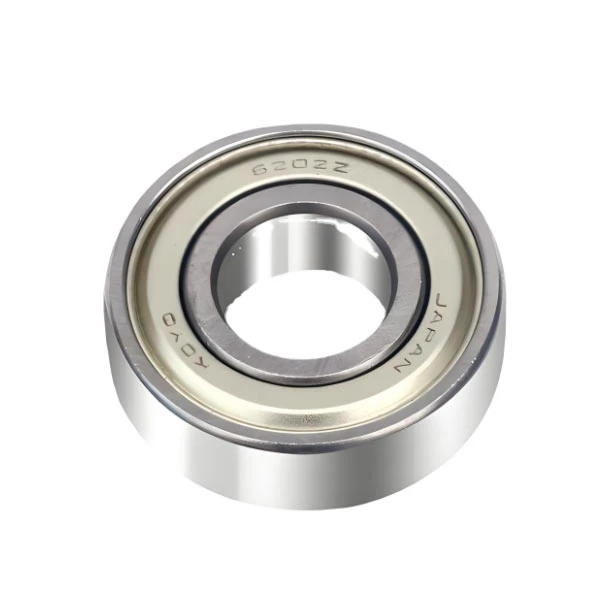
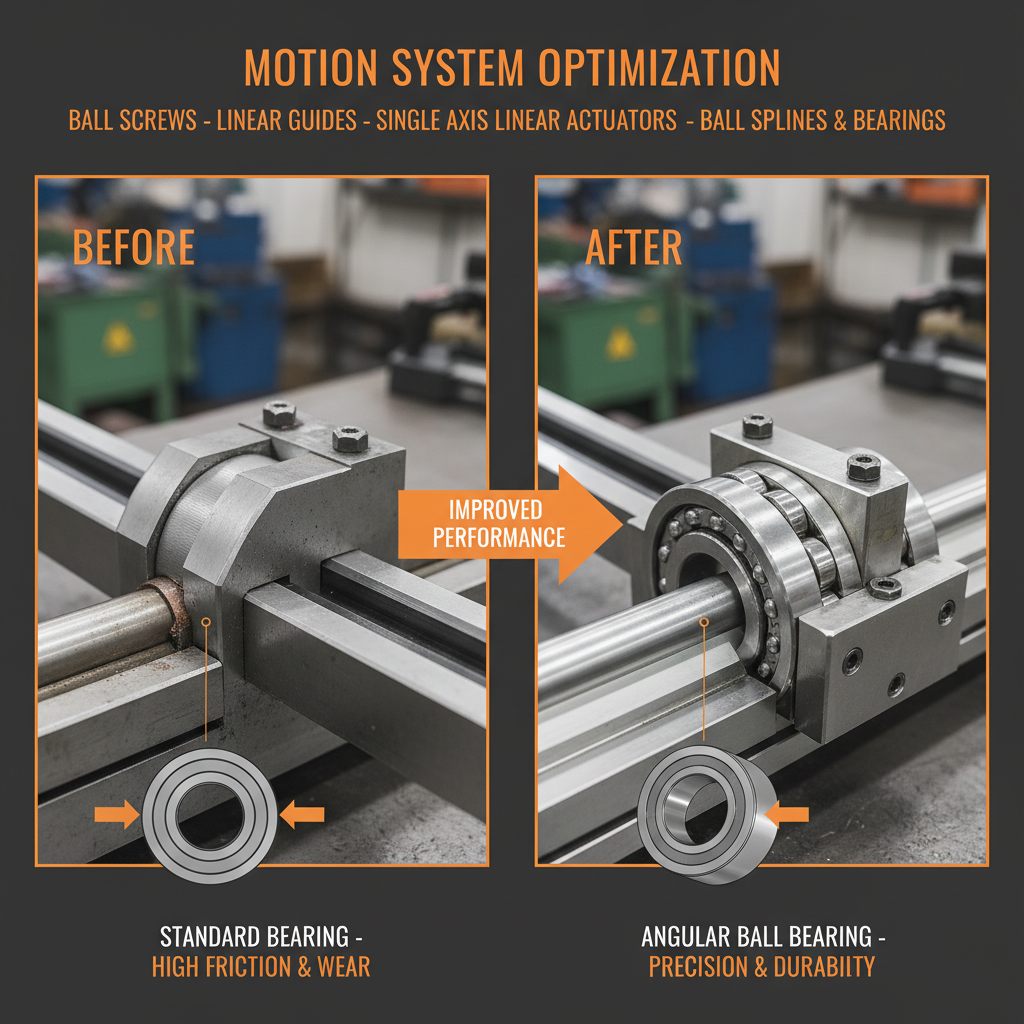
Angular ball bearings are designed with a unique raceway geometry. The inner and outer races are displaced axially relative to each other, creating a contact angle. This contact angle allows the bearing to support significant axial loads in one direction. Because of this, angular ball bearings are often used in pairs or in opposing configurations to handle axial loads in both directions. The balls themselves are precisely manufactured to ensure smooth rolling motion and minimal friction. The bearing's design inherently provides high rigidity and allows for accurate positioning in demanding applications. Understanding the interplay between the contact angle, ball size, and raceway curvature is crucial for optimizing performance.
Key Highlights: The design allows handling of both radial and axial loads, high rigidity, and precise positioning.
Applications of Angular Ball Bearings
The versatility of angular ball bearings leads to widespread use in diverse industries. They are commonly found in machine tool spindles, automotive transmissions, pumps, compressors, and gearboxes. In aerospace, they're employed in aircraft control systems. Their ability to withstand combined loads makes them ideal for applications involving tilting movements or high dynamic forces. Furthermore, they’re crucial in high-precision equipment where minimizing deflection and ensuring smooth operation are paramount. From industrial machinery to consumer products, angular ball bearings play a critical role.
Common Applications:
• Machine Tool Spindles
• Automotive Transmissions
• Pumps and Compressors
• Aerospace Control Systems
Angular Ball Bearing Selection: Key Considerations
Choosing the right angular ball bearing involves considering several factors. The magnitude and direction of the applied loads, operating speed, temperature, and desired lifespan are all critical. The contact angle is a key parameter – larger angles provide higher axial load capacity but reduce radial load capacity and speed limitations. Bearing materials (steel, ceramic, or hybrid) also affect performance. Selecting the appropriate cage material (steel, brass, or polymer) is equally important. Consulting with bearing specialists, like those at Yidi Bearings, is highly recommended to ensure optimal selection.
Advantages of Using Angular Ball Bearings
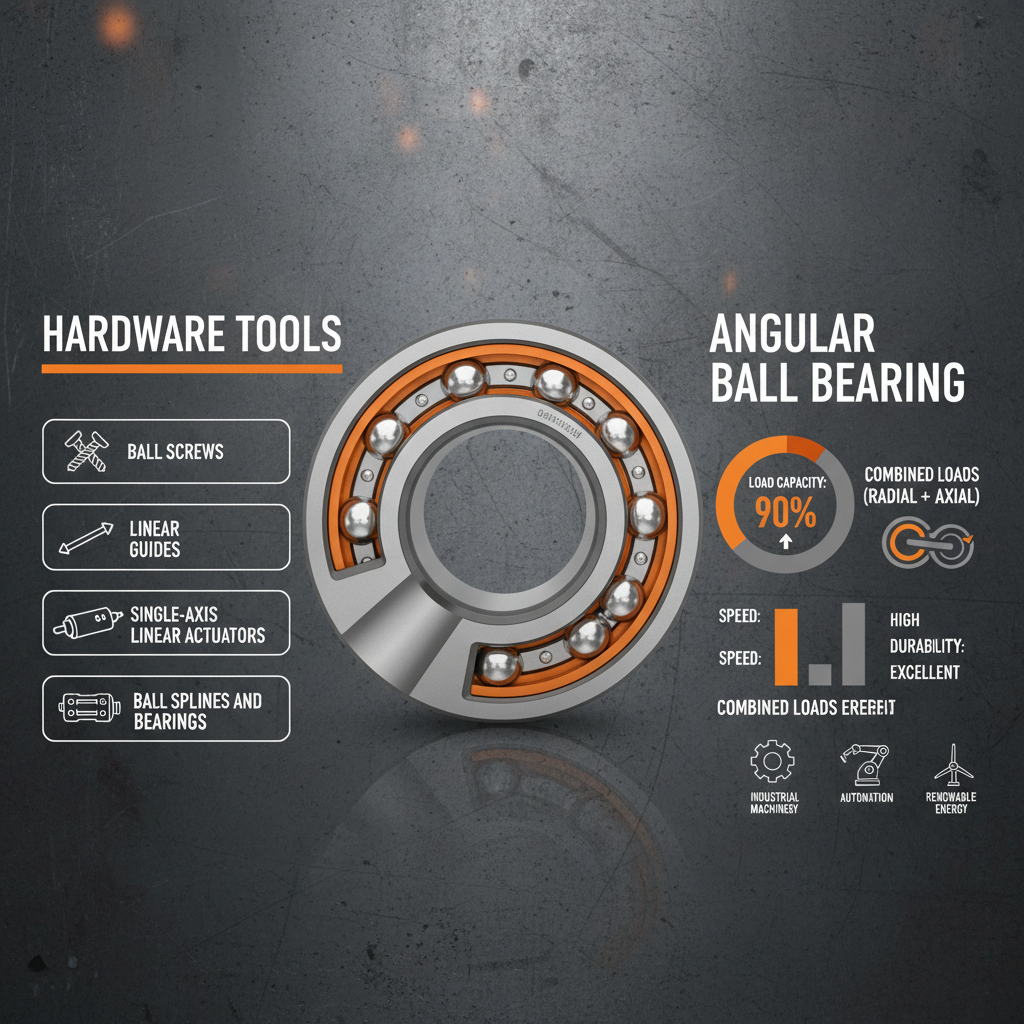
Angular ball bearings offer several key advantages. Their ability to handle combined loads is a primary benefit. They provide high rigidity and positioning accuracy, making them suitable for precision applications. They also exhibit relatively high speed capabilities compared to other bearing types. Their robust construction ensures a long service life when properly selected and maintained. Furthermore, their availability in various sizes and configurations allows for flexible design integration. These advantages make them a preferred choice across a wide range of engineering applications. Investing in high-quality bearings from a reputable supplier is vital for maximizing these benefits.
Maintenance and Longevity of Angular Ball Bearings
Proper maintenance is crucial for maximizing the lifespan of angular ball bearings. Regular lubrication is essential to reduce friction and wear. Implementing a preventative maintenance schedule, including visual inspections for damage or contamination, is highly recommended. Monitoring bearing temperature can indicate potential issues. Protecting bearings from excessive loads, shock, and vibration will also extend their service life. Proper installation techniques are equally important – misalignment can lead to premature failure. For expert advice and quality products, visit Yidi Bearings.
Conclusion: Choosing the Right Angular Ball Bearing for Your Application
Selecting the appropriate angular ball bearing is vital for optimal performance and longevity in a wide range of applications. By carefully considering load requirements, operating conditions, and material properties, you can ensure a reliable and efficient system. Partnering with a trusted bearing supplier like Yidi Bearings can provide expert guidance and access to high-quality products. Don't compromise on quality – choose the right bearing for your needs.
Frequently Asked Questions (FAQs)
What is the typical lifespan of an angular ball bearing?
The lifespan of an angular ball bearing is highly dependent on several factors, including load, speed, lubrication, operating temperature, and the quality of the bearing itself. Under ideal conditions, with proper lubrication and within the specified load and speed limits, an angular ball bearing can last for millions of hours. However, in harsh environments or with improper maintenance, the lifespan can be significantly reduced. Regular inspections and adherence to manufacturer recommendations are crucial for maximizing bearing life. A conservative estimate for typical industrial applications is 5-10 years.
Can angular ball bearings handle thrust loads in both directions?
No, a single angular ball bearing is designed to handle thrust loads in one direction only. This is due to the contact angle between the balls and the raceways. To handle thrust loads in both directions, angular ball bearings are typically used in pairs, mounted in a back-to-back (DB) or face-to-face (DF) configuration. These configurations effectively cancel out the axial load, allowing the bearings to support thrust in both directions. Alternatively, a tapered roller bearing can handle bidirectional thrust loads.
What type of lubrication is recommended for angular ball bearings?
The recommended lubrication for angular ball bearings depends on the operating conditions, speed, and temperature. Common choices include lithium-based greases, mineral oils, and synthetic oils. Lithium-based greases are versatile and suitable for a wide range of applications. Synthetic oils offer superior performance at high temperatures and speeds. It's essential to select a lubricant that is compatible with the bearing materials and the operating environment. Refer to the bearing manufacturer's recommendations for specific lubrication guidelines. Yidi Bearings can provide advice on optimal lubrication solutions.
What are the signs of a failing angular ball bearing?
Several signs can indicate a failing angular ball bearing. These include unusual noise (grinding, squealing, or clicking), increased vibration, excessive heat, and a noticeable loss of performance. A loose or wobbly bearing can also be a sign of failure. In some cases, discoloration of the lubricant or the presence of metal particles in the grease can indicate bearing damage. Early detection and replacement of a failing bearing can prevent further damage to the equipment and avoid costly downtime.