Optimizing Industrial Efficiency with Reliable Bearing Supply
In the heart of every rotating machine, from the smallest electric motor to the largest industrial turbine, lies a critical component: the bearing. Securing a consistent and high-quality bearing supply is not just about procurement; it is about ensuring the longevity, safety, and efficiency of your entire operational infrastructure. A failure in a single bearing can lead to costly downtime, unexpected repairs, and significant production losses. This guide explores how to navigate the complexities of the bearing market and why choosing a professional supplier is the cornerstone of industrial success. We will delve into the technical nuances and strategic advantages of a streamlined supply chain.
The Critical Role of Consistent Bearing Supply in Manufacturing
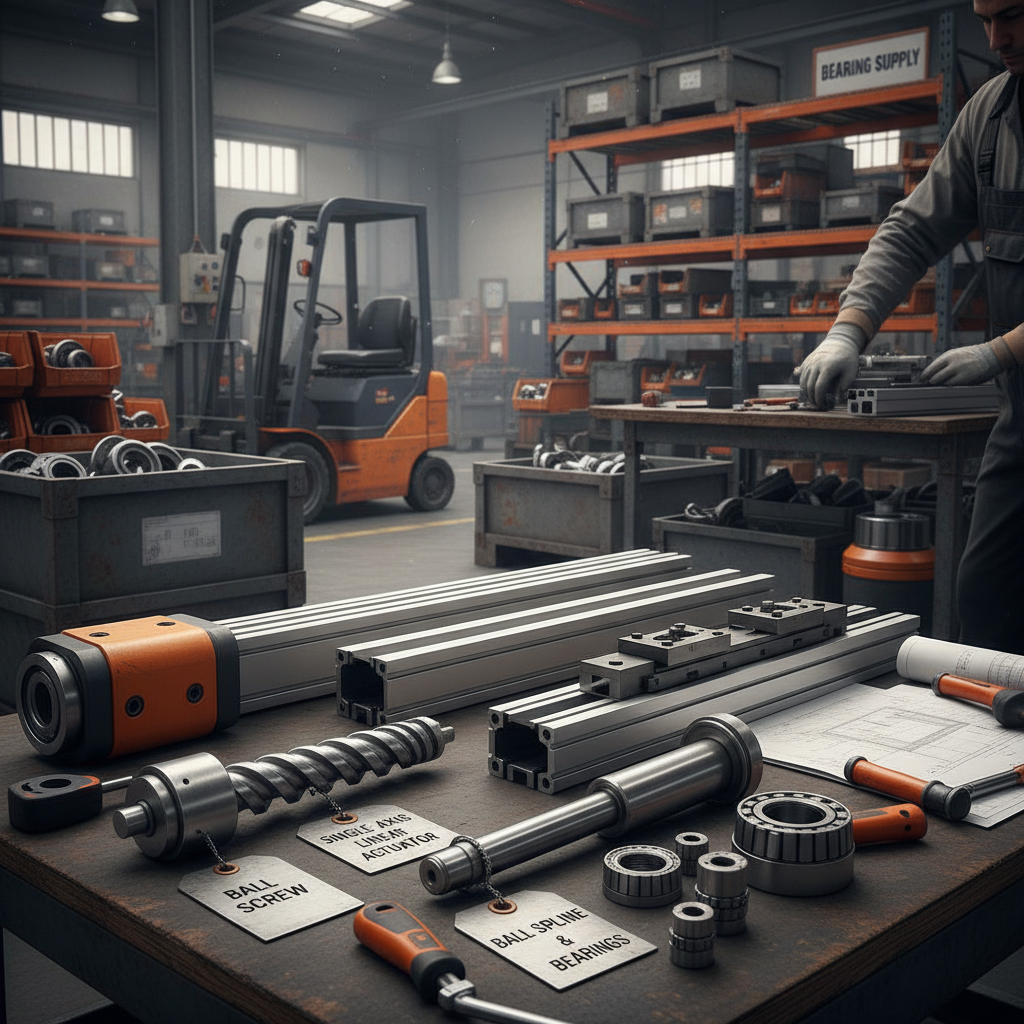
Maintaining a steady bearing supply is vital for preventing "bottleneck" scenarios in manufacturing. When a bearing wears out, the friction increases, leading to heat generation and potential seizure of the equipment. By partnering with a reliable source, companies can implement Predictive Maintenance (PdM) strategies rather than reacting to failures. This shift from reactive to proactive maintenance reduces emergency shipping costs and eliminates the stress of searching for rare parts during a crisis. A professional bearing supply partner ensures that the correct tolerances and material grades are always available, regardless of market fluctuations.
Industry Insight: Strategic inventory management of bearings can reduce unplanned downtime by up to 30%, directly impacting the overall equipment effectiveness (OEE) of a production line.
Evaluating Bearing Types for Your Supply Chain
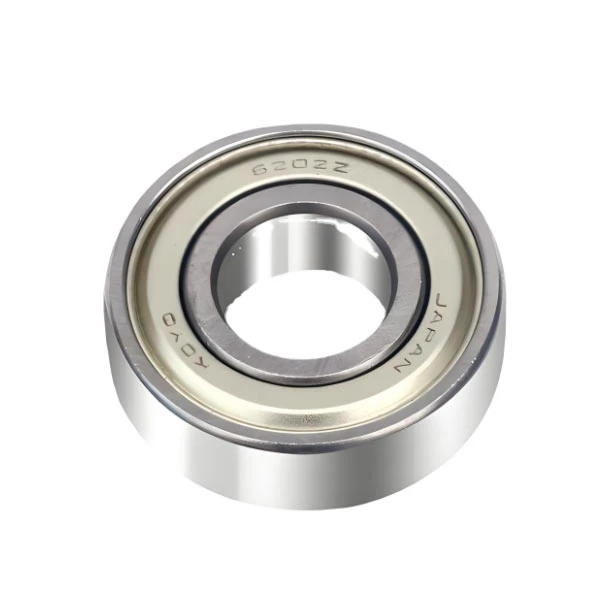
Not all bearings are created equal. Depending on the load direction—radial or axial—and the speed of operation, the type of bearing required will vary. A comprehensive bearing supply strategy must account for the diverse needs of different machinery. Deep groove ball bearings are ideal for high speeds and low loads, while tapered roller bearings are essential for heavy-duty combined loads. Understanding these distinctions allows procurement managers to optimize their stock levels and avoid over-ordering unnecessary variants.
Comparing Premium vs. Standard Bearing Supply Options
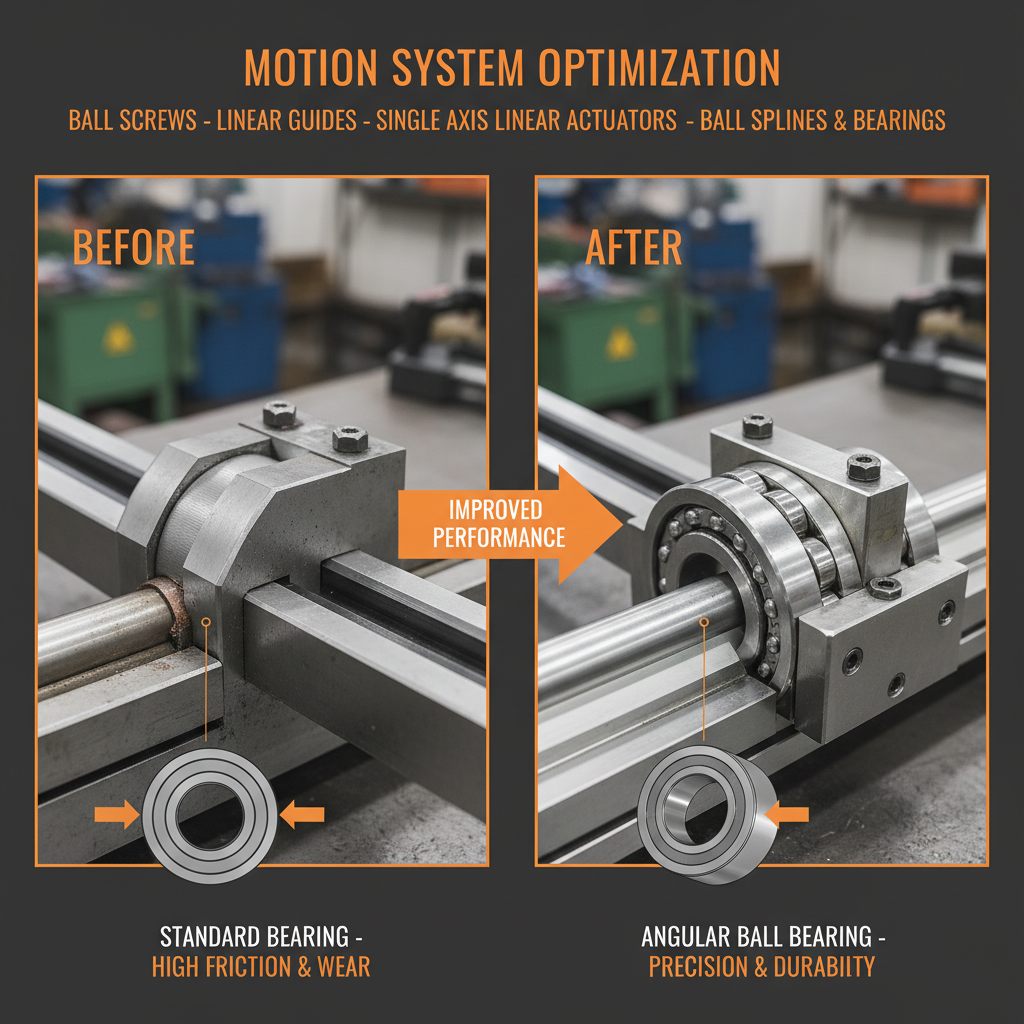
When managing your bearing supply, you will often face a choice between premium-grade and standard-grade components. While the initial cost of premium bearings is higher, their Total Cost of Ownership (TCO) is typically lower due to extended service life and reduced lubrication requirements. Premium bearings often utilize superior steel purity and advanced heat treatment processes, which drastically reduce internal friction. For critical assets, the investment in high-end supply is an insurance policy against catastrophic failure.
Technical Specifications for Global Bearing Supply
When sourcing from a global bearing supply network, technical precision is non-negotiable. Dimensions must be exact to the micron to avoid installation stress, which can lead to premature failure. Furthermore, the material composition—whether it be chrome steel, stainless steel, or ceramic—must align with the environmental conditions of the application, such as corrosive atmospheres or extreme temperatures. Below is a typical specification matrix for industrial-grade bearings supplied to high-precision sectors.
Logistics and Quality Control in Bearing Supply
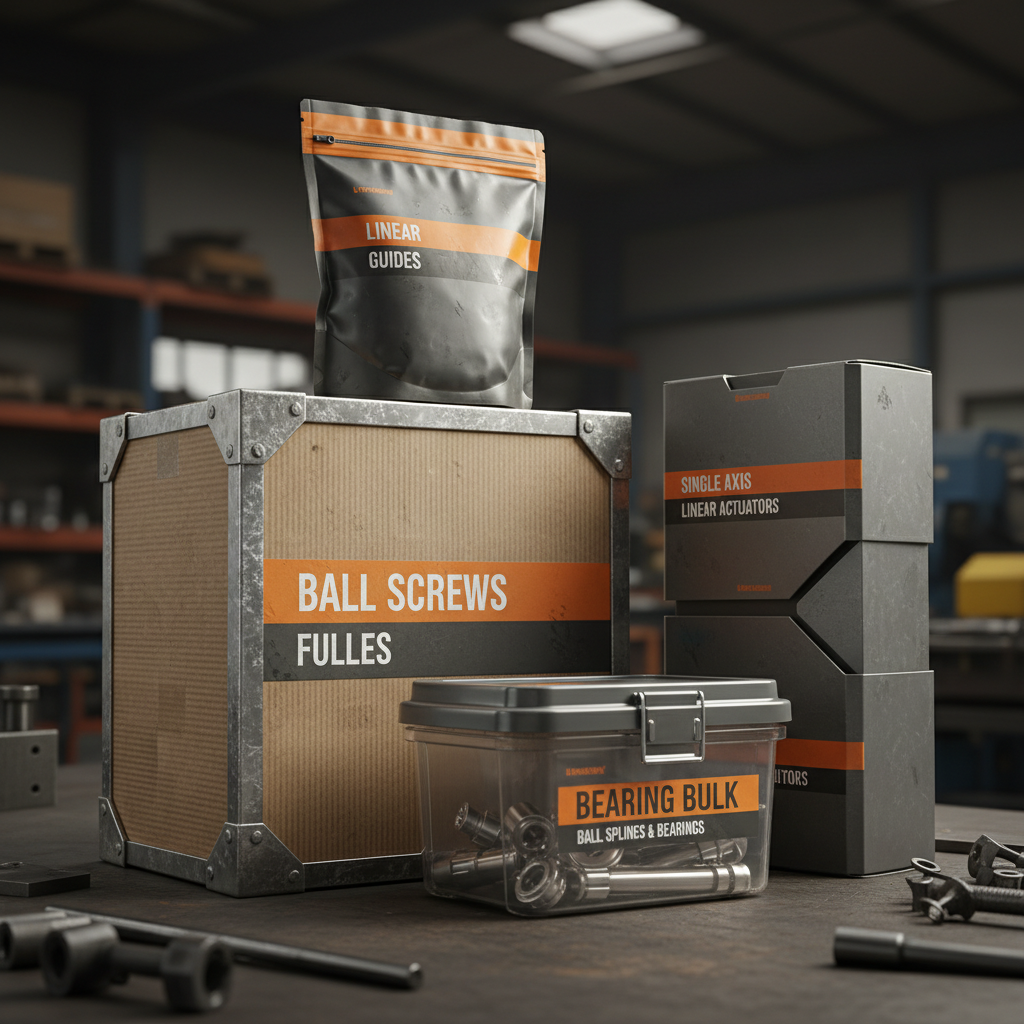
The journey of a bearing from the factory to the machine is fraught with risks. Improper handling or storage can introduce contaminants or cause microscopic dents in the raceways, which will inevitably lead to noise and early failure. A sophisticated bearing supply chain includes vacuum packaging and climate-controlled storage to prevent oxidation. Quality control (QC) is the final line of defense; every batch should be accompanied by a material certification and a dimensional inspection report. By prioritizing these logistics, a supplier ensures that the product's performance in the field matches its theoretical specifications.
Supply Chain Quality Checklist:
• Verification of original manufacturer certification
• Anti-corrosive coating check for long-term storage
• Secure, shock-absorbent packaging to prevent transit damage
• Traceability via batch numbers and QR codes
Sustainability and the Future of Bearing Supply
As industries move toward "Industry 4.0," the nature of bearing supply is evolving. We are seeing the rise of "Smart Bearings"—components equipped with sensors that monitor temperature and vibration in real-time. This allows for a "just-in-time" supply model, where a replacement bearing is ordered automatically before the current one fails. Furthermore, there is a growing emphasis on the circular economy, with more suppliers offering refurbishment services to reduce the environmental impact of steel production. Embracing these innovations allows companies to maintain a leaner, greener, and more resilient operational model.
Conclusion: Securing Your Operational Future
In conclusion, a robust bearing supply is far more than a transaction; it is a strategic partnership that safeguards your industrial productivity. By understanding the technical requirements, choosing between premium and standard options, and ensuring rigorous quality control, you can minimize downtime and maximize equipment life. Whether you are upgrading a single machine or managing a global fleet of assets, the quality of your bearings determines the quality of your output. Invest in reliability, invest in precision.
Frequently Asked Questions (FAQs)
How do I choose the right bearing supply partner?
Choosing the right partner involves evaluating three main pillars: technical expertise, supply chain reliability, and quality assurance. A professional supplier should not only provide a catalog of products but also offer technical consultation to help you select the correct bearing for your specific load and speed requirements. Check for certifications (such as ISO), read client testimonials regarding delivery lead times, and ensure they have a transparent return and warranty policy. A partner who understands your operational challenges is far more valuable than one who simply offers the lowest price.
What are the signs that my bearing supply needs updating?
The most obvious signs are increased noise levels (such as grinding or squealing), excessive vibration, and rising operating temperatures in your machinery. If you find that you are replacing bearings more frequently than the manufacturer's recommended service interval, it may indicate that your current supply is of inferior quality or that you are using the wrong type of bearing for the application. Frequent "emergency orders" are also a sign that your supply chain strategy is reactive rather than proactive, suggesting a need for a more reliable and structured supply partner.
Can a specialized bearing supply reduce overall operational costs?
Absolutely. While premium bearings may have a higher upfront cost, they significantly reduce the "cost per hour" of operation. This is achieved through longer intervals between replacements, lower energy consumption due to reduced friction, and the prevention of catastrophic failures that can stop an entire production line. Additionally, a specialized supplier can help you optimize your inventory, reducing the capital tied up in overstocked parts while ensuring that critical components are always available when needed, thus balancing cost and risk effectively.
How does material choice affect the bearing's lifespan?
Material choice is fundamental to performance. Chrome steel is the industry standard for strength and wear resistance. However, in environments with high moisture or chemicals, stainless steel is required to prevent corrosion. For extreme speeds or applications where lubrication is difficult, ceramic bearings are used because they are harder, lighter, and generate less heat. Choosing the wrong material from your bearing supply—such as using standard steel in a corrosive environment—will lead to rapid pitting and failure, regardless of how well the bearing is installed.