The Ultimate Guide to Choosing the Right Bearing Cover
In the world of industrial machinery, the longevity of your equipment depends heavily on the protection of its most critical components. A high-quality bearing cover serves as the first line of defense against contaminants, moisture, and debris that can lead to premature bearing failure. Whether you are operating in a dusty factory or a humid outdoor environment, understanding the nuances of bearing protection is essential for reducing downtime and maintenance costs. In this comprehensive guide, we will explore the different types of covers, their technical specifications, and how to select the perfect fit for your specific industrial application.
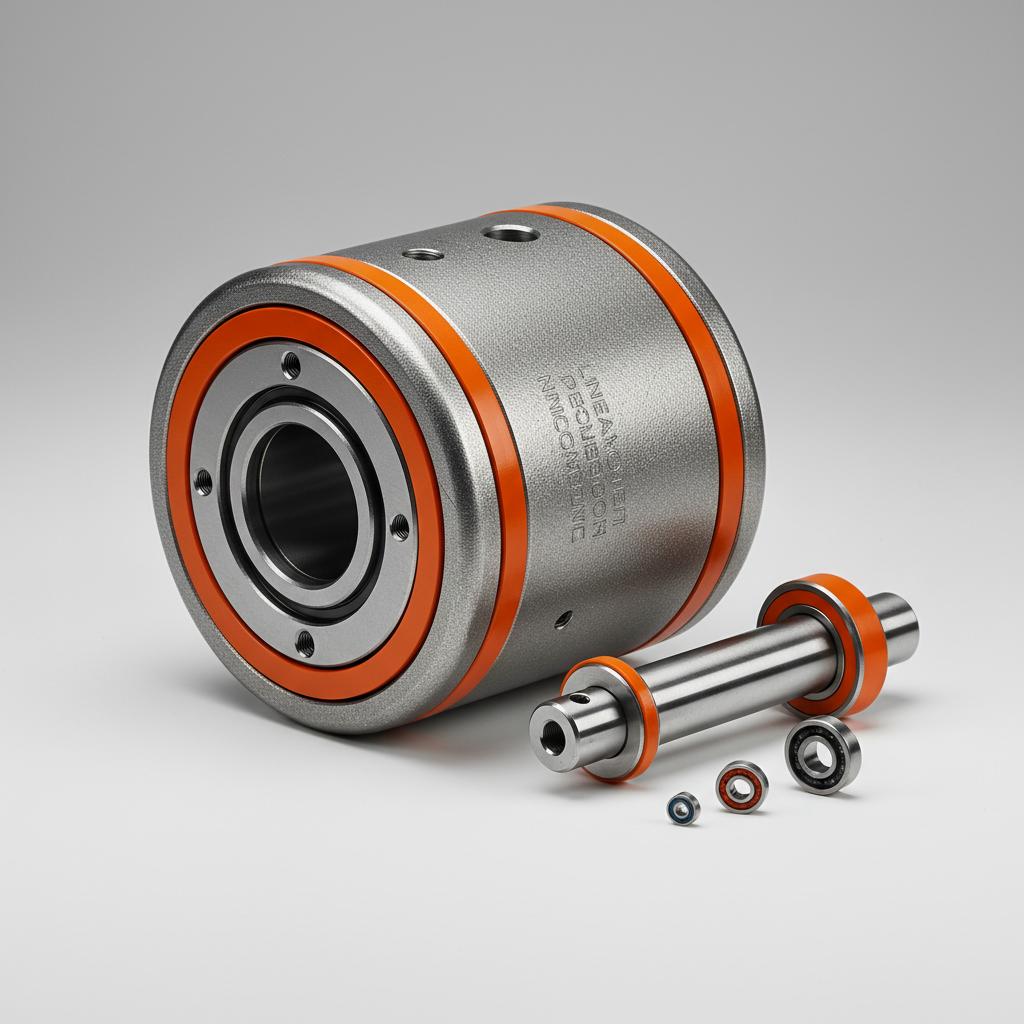
Why Your Machinery Needs a Durable Bearing Cover
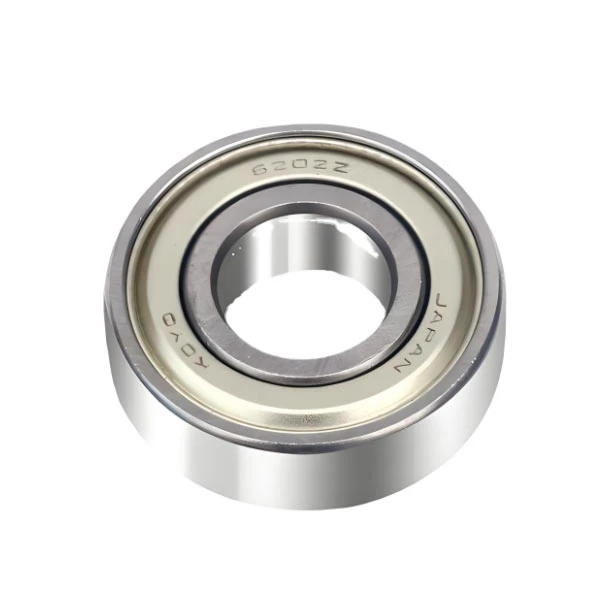
Bearings are precision-engineered components that rely on a thin film of lubrication to operate smoothly. However, the entry of a single grain of sand or a drop of water can cause abrasive wear or corrosion, leading to catastrophic failure. A professional bearing cover effectively seals the bearing housing, ensuring that lubricant stays inside while external pollutants stay outside. By maintaining a clean internal environment, these covers significantly extend the service life of the bearing and reduce the frequency of lubrication cycles, thereby increasing overall operational efficiency.
Key Benefits: Prevents contamination from dust and liquids, retains essential lubricants, reduces friction-induced heat loss, and protects operators from rotating parts.
Material Selection for Different Bearing Cover Types
Not all environments are created equal, which is why the material of your bearing cover must be matched to the application. For high-temperature environments, steel or specialized alloys are preferred due to their thermal stability. In contrast, food processing or pharmaceutical plants often require stainless steel or high-grade polymers to prevent corrosion and meet hygiene standards. Rubber and synthetic seals are ideal for environments where vibration dampening and airtight sealing are the primary goals. Selecting the wrong material can lead to rapid degradation of the cover itself, leaving the bearing vulnerable.
Bearing Cover Comparison: Metal vs. Polymer Solutions
When deciding between a metal or polymer bearing cover, engineers must weigh the trade-offs between strength, weight, and chemical resistance. Metal covers offer unmatched structural integrity and heat resistance, making them the gold standard for heavy industrial gearboxes. On the other hand, polymer covers are lightweight, cost-effective, and naturally resistant to many corrosive chemicals, making them perfect for light-duty conveyors or chemical processing lines.
Installation and Maintenance of the Bearing Cover
Even the highest quality bearing cover can fail if not installed correctly. Precision alignment is key; any gap in the seal can allow contaminants to enter. During installation, ensure the housing surface is clean and free of burrs. Once in place, the cover should be checked periodically for signs of wear, such as cracks in polymer seals or rust on metal edges. Implementing a scheduled inspection routine prevents the "small leak" from becoming a "major failure," ensuring your machinery continues to operate at peak performance without unexpected interruptions.
Technical Specifications for Industrial Bearing Cover
When ordering a replacement bearing cover, having the exact technical specifications is non-negotiable. Dimensions must be precise to the millimeter to ensure a tight seal. Additionally, consider the operating pressure and the type of lubricant used, as certain chemicals can degrade specific seal materials. Below is a general specification table for our standard industrial range to help you identify the right fit for your equipment.
Conclusion: Secure Your Future with the Right Bearing Cover
Investing in a high-quality bearing cover is not just about protecting a part; it is about safeguarding your entire production line. By selecting the appropriate material and ensuring precise installation, you can drastically reduce the risk of unexpected mechanical failure and lower your long-term maintenance overhead. Whether your needs are basic dust protection or advanced chemical sealing, choosing a trusted supplier ensures that your bearings remain efficient and durable for years to come.
Frequently Asked Questions (FAQs)
How often should I replace my bearing cover?
The replacement interval for a bearing cover depends entirely on the operating environment. In clean, climate-controlled environments, a cover may last for the entire life of the bearing. However, in harsh industrial settings—such as mining or chemical plants—covers should be inspected every 3 to 6 months. If you notice visible cracks, warping, or lubricant leaking from the edges, it is time for an immediate replacement to prevent internal bearing damage.
Can I use a generic bearing cover for any machine?
It is highly discouraged to use generic covers. Because bearings operate with extremely tight tolerances, even a slight mismatch in the size or shape of the cover can lead to "gap leaks," which allow contaminants to enter. Furthermore, a generic material might not withstand the specific temperatures or chemicals present in your machine. Always use a cover specifically designed for your bearing model to ensure a perfect seal and maximum protection.
What is the difference between a seal and a bearing cover?
While often used interchangeably, they serve slightly different roles. A seal is typically a component (like a rubber O-ring) that creates a tight barrier between two surfaces. A bearing cover is the structural housing or cap that holds the seal in place and provides physical protection against impact and large debris. A complete protection system usually involves a bearing cover integrated with a high-performance seal. You can explore various combinations on the Yidi Bearings website.
Which material is best for high-moisture environments?
For high-moisture or saltwater environments, stainless steel (such as 316 grade) or high-density polymers are the best choices. Stainless steel provides the strength of metal without the risk of rust, while polymers are completely impervious to water. Combining these materials with a synthetic rubber gasket ensures that the bearing is completely isolated from the external moisture, preventing oxidation and corrosion of the rolling elements.