The global market for precision motion control components, including ball screws, is experiencing substantial growth, directly impacting the ball screw price landscape. This growth is fueled by increasing automation across various industries—manufacturing, robotics, medical equipment, and aerospace—all requiring accurate and reliable linear motion. Understanding the dynamics influencing ball screw pricing is crucial for businesses to optimize their operational costs and maintain competitiveness in these rapidly evolving markets.
Fluctuations in raw material costs, particularly steel and specialized alloys, significantly contribute to shifts in ball screw price. Supply chain disruptions, geopolitical factors, and energy prices further complicate the equation. Businesses must proactively monitor these variables to mitigate risks and secure favorable pricing terms. A deep understanding of these influences allows for better budget forecasting and inventory management related to these essential components.
Ultimately, mastering the nuances of ball screw price empowers informed decision-making, fostering innovation and efficiency across a wide spectrum of industrial applications. Whether a small-scale machine shop or a multinational corporation, understanding these economic forces is paramount to success.
The Significance of Ball Screw Price
The ball screw price isn’t simply a number; it's an indicator of the overall health of the manufacturing sector and the accessibility of advanced automation technologies. Fluctuations in price can directly impact the feasibility of new projects, product development cycles, and the competitiveness of businesses reliant on precise linear motion. Understanding the factors that drive these prices is therefore paramount for effective business planning.
Accurate ball screw pricing also reflects the level of innovation and material science advancements within the industry. Premium materials, tighter tolerances, and specialized coatings contribute to higher costs but often translate into increased durability, performance, and longevity – creating long-term value for end users.
Global Market Overview & Pricing Trends
The global ball screw market is estimated to reach billions of dollars in the coming years, with Asia-Pacific dominating both production and consumption. This region benefits from lower labor costs and a thriving manufacturing base. However, geopolitical events, trade tariffs, and global economic downturns can create volatility in the ball screw price across different regions.
Recent trends show a steady increase in demand for high-precision ball screws used in robotics, CNC machines, and electric vehicles. This demand, coupled with supply chain disruptions and rising raw material costs, has led to moderate price increases over the past few years. Data from the ISO and industry reports indicate a projected 3-5% annual price escalation for standard ball screws.
North America and Europe represent significant markets characterized by a preference for high-quality, customized ball screws, often commanding a premium price. These regions are also driving the adoption of advanced technologies like coated ball screws for enhanced corrosion resistance and longer service life, further influencing pricing structures.
Defining Ball Screw Price & Its Components
The ball screw price is the total cost associated with acquiring a ball screw assembly, encompassing not just the core components but also manufacturing, testing, and logistical expenses. This price can vary dramatically based on several key attributes.
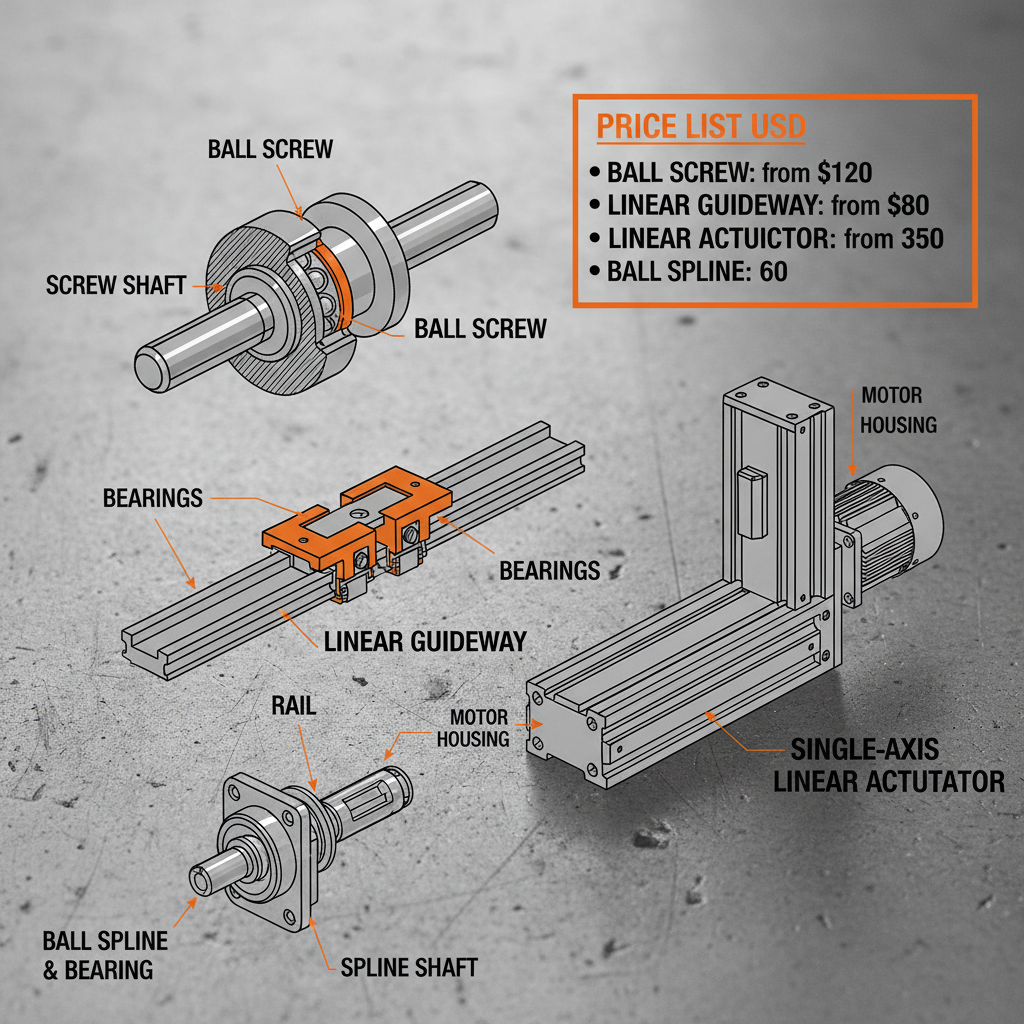
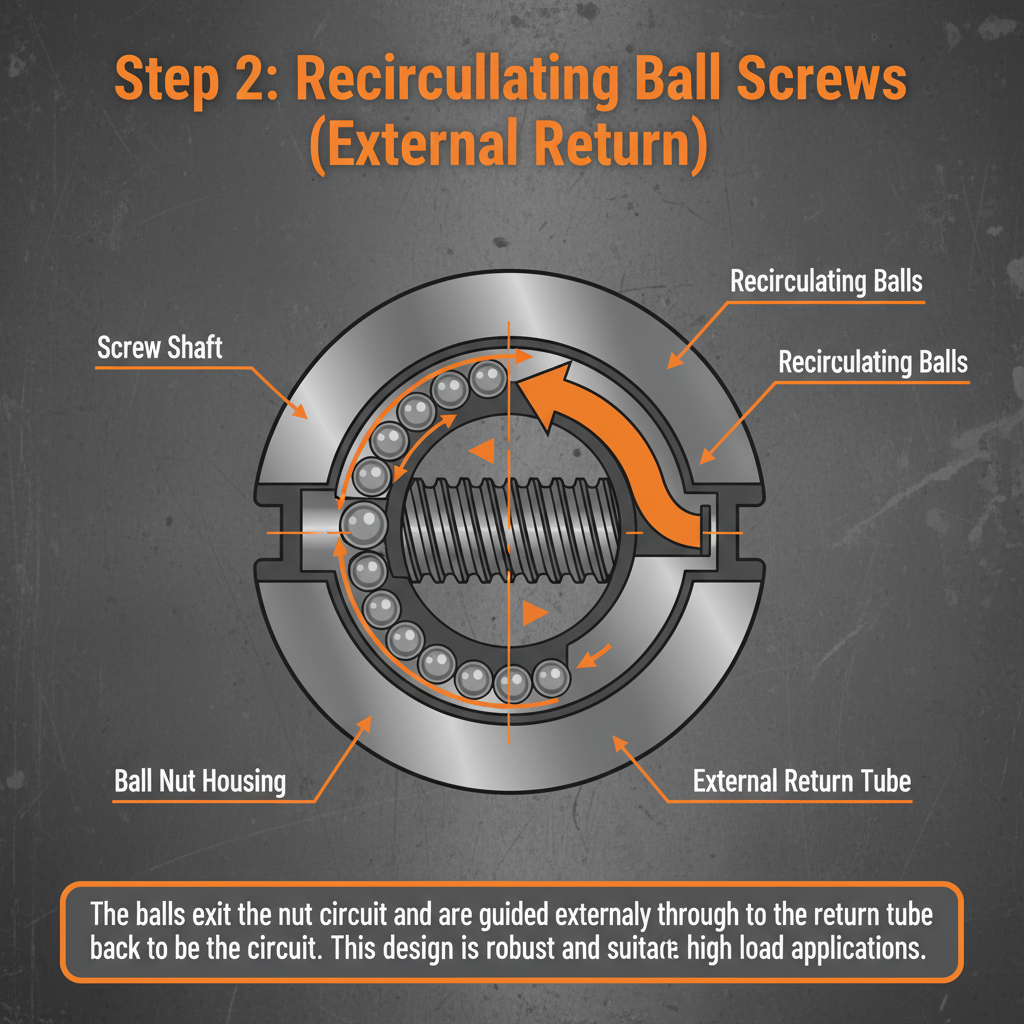
The main components contributing to the price include the screw shaft itself (typically made of high-carbon steel or alloy steel), the ball nut, recirculating ball bearings, and end supports. Customization, such as length, diameter, lead, and preloading, significantly impacts the final cost. Precision grinding and surface treatments (like black oxide or chrome plating) also add to the price.
Furthermore, the complexity of the manufacturing process—including machining, heat treatment, and quality control—plays a critical role. Suppliers offering comprehensive engineering support and after-sales service will generally price their products higher than those focusing solely on volume production.
Key Factors Influencing Ball Screw Price
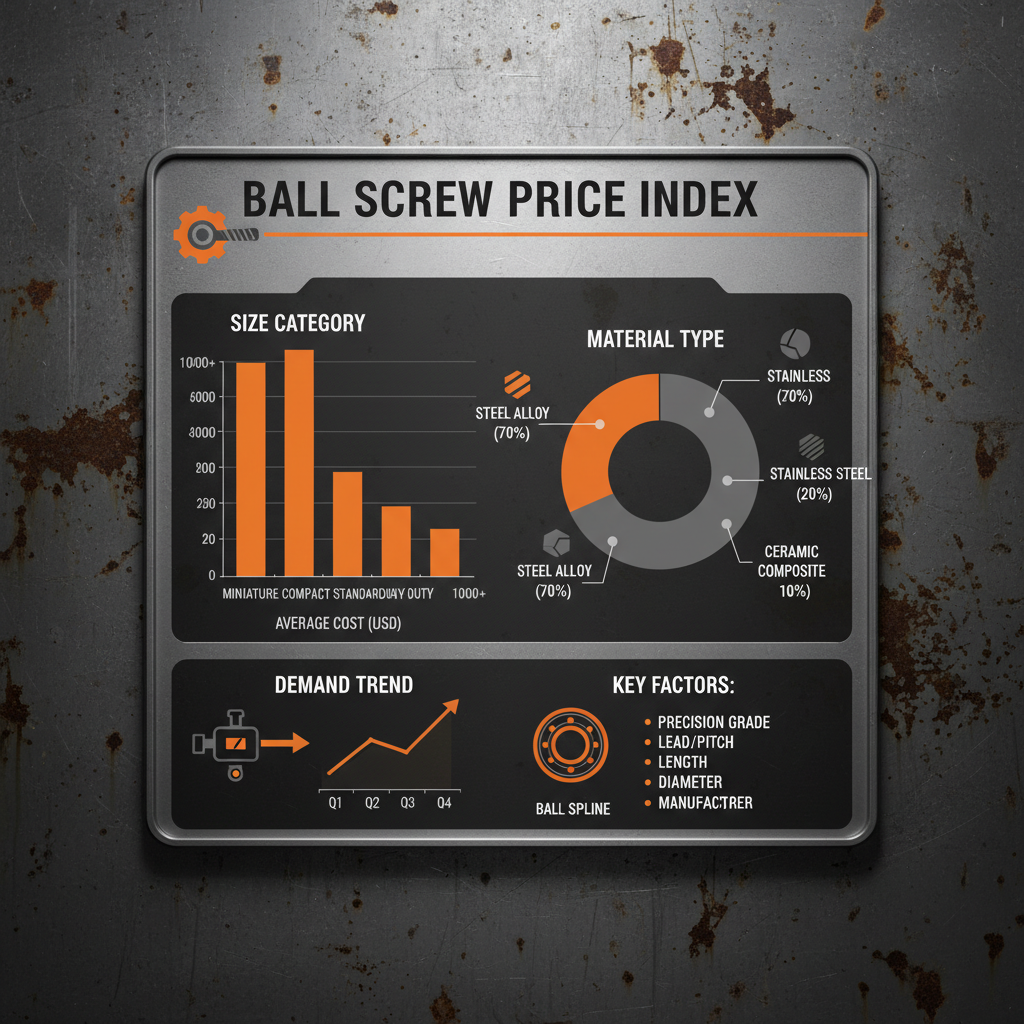
Several factors combine to determine the final ball screw price. Raw material costs, especially the price of steel alloys, constitute a significant portion. Fluctuations in these costs directly impact manufacturing expenses.
Precision and tolerance requirements are also major price drivers. Tighter tolerances necessitate more sophisticated machining processes and stringent quality control measures, thus increasing production costs. The complexity of the ball screw design—including its length, diameter, and lead—also influences price, with longer and larger screws generally being more expensive.
Ball Screw Price Breakdown by Factor
Applications & Regional Variations in Ball Screw Price
The ball screw price varies significantly depending on the application. High-demand industries like robotics and aerospace often require superior precision and materials, leading to higher costs. Industries focused on general manufacturing may prioritize cost-effectiveness, opting for standard ball screws with more relaxed tolerances.
Regional pricing differences also exist. North American and European suppliers typically charge premiums due to higher labor costs and stricter quality control standards. Asian suppliers, particularly in China and India, offer more competitive pricing, but quality can vary.
Long-Term Value & Cost Considerations
While initial ball screw price is important, focusing solely on the lowest upfront cost can be shortsighted. Considering the total cost of ownership—including maintenance, replacement, and downtime—is crucial. Investing in higher-quality ball screws with longer lifespans and reduced maintenance requirements can ultimately result in significant cost savings.
Furthermore, the reliability and precision of ball screws directly impact the overall performance of the machinery they are integrated into. Lower-quality ball screws can lead to inaccuracies, increased wear and tear on other components, and costly repairs.
Ultimately, the value proposition extends beyond mere price. Factors like supplier reputation, technical support, and delivery timelines contribute significantly to the overall return on investment.
Future Trends and Pricing Forecasts
Several trends are poised to shape the future of ball screw price. Advancements in materials science, such as the development of lighter and stronger alloys, will likely lead to both performance improvements and potential cost reductions.
The increasing adoption of Industry 4.0 and smart manufacturing technologies will drive demand for precision ball screws with integrated sensors for condition monitoring and predictive maintenance. This will likely result in a price premium for these advanced solutions.
Sustainability concerns are also influencing the industry, with a growing demand for eco-friendly manufacturing processes and materials. This may lead to increased costs initially but could translate into long-term benefits through reduced waste and lower environmental impact.
Summary of Future Trends Impacting Ball Screw Pricing
| Trend |
Impact on Price |
Time Horizon |
Likelihood of Impact |
| Advanced Materials |
Potential for both price reduction and premium pricing based on performance |
2-5 Years |
High |
| Smart Manufacturing Integration |
Price premium due to integrated sensors and data analytics |
1-3 Years |
Medium-High |
| Sustainable Manufacturing |
Initial price increase, potential long-term cost savings |
3-7 Years |
Medium |
| Increased Demand (Robotics/EV) |
Price increase due to higher demand and potential supply constraints |
Ongoing |
Very High |
| Automation of Manufacturing |
Potential for lower labor costs, leading to reduced prices |
5+ Years |
Medium |
| Geopolitical Instability |
Price volatility due to supply chain disruptions |
Ongoing |
Medium-High |
FAQS
Raw material costs (especially steel), manufacturing precision requirements, design complexity, and order volume are the primary drivers of ball screw price. Geopolitical events and supply chain disruptions can also cause significant fluctuations. Demand from growth industries, like robotics and EV manufacturing, also impacts pricing.
Customization almost always increases the ball screw price. Modifying length, diameter, lead, end supports, or materials from standard specifications requires additional engineering, machining, and quality control, all of which add to the manufacturing cost. Specialized coatings or surface treatments also contribute to higher prices.
Lead times for custom ball screws can vary widely, from a few weeks to several months, depending on the complexity and supplier capacity. Expedited lead times often come at a premium, as they require prioritizing the order and potentially incurring overtime costs. Planning ahead and providing accurate specifications can help minimize lead times and potentially lower costs.
Generally, Asian suppliers (particularly in China and India) offer more competitive ball screw price due to lower labor costs. However, North American and European suppliers often focus on higher quality, tighter tolerances, and better customer support, which can justify a higher price point. Quality control and reliability should be carefully considered.
Consider standardizing on a limited range of ball screw sizes and configurations whenever possible. Negotiate long-term contracts with suppliers to secure favorable pricing. Accurately forecast demand to avoid rush orders. Evaluate the total cost of ownership, not just the initial price. Look for suppliers offering value-added services, such as engineering support.
Material selection significantly impacts ball screw price. High-carbon steel is the most common and cost-effective material. Alloy steels, stainless steel, and specialized materials like ceramic offer improved performance characteristics—higher load capacity, corrosion resistance—but come at a premium. Choose the material that best suits the application's requirements.
Conclusion
Understanding the factors influencing ball screw price is critical for making informed purchasing decisions and optimizing operational efficiency. From raw material costs and manufacturing precision to customization options and regional variations, a comprehensive understanding of these dynamics empowers businesses to navigate the complexities of the market and secure the best value.
Looking ahead, advancements in materials science, the increasing adoption of smart manufacturing technologies, and a growing emphasis on sustainability will continue to shape the ball screw landscape. Proactive monitoring of these trends and a strategic approach to sourcing will be essential for maintaining competitiveness in the evolving world of precision motion control. For reliable ball screws at competitive prices, visit our website: www.yidibearings.com