0%

Table of Contents

Ball screws are precision mechanical components used to convert rotational motion into linear motion, and vice versa. They are found in a vast array of applications, from simple lifting mechanisms to complex industrial machinery. Understanding what is a ball screw used for is crucial for engineers, manufacturers, and anyone involved in designing or maintaining systems requiring accurate and efficient linear movement. Their ability to provide high precision, efficiency, and load capacity makes them a cornerstone of modern automation and manufacturing processes.

The global market for ball screws is substantial and steadily growing, driven by increasing demand for automated systems across diverse industries. According to recent reports, the global ball screw market was valued at over $6 billion in 2023 and is projected to reach nearly $9 billion by 2030, exhibiting a CAGR of approximately 5.6%. This growth is fueled by advancements in robotics, machine tools, and automotive manufacturing, particularly in emerging economies like China and India. The need for precise and reliable linear motion in these sectors directly translates to a higher demand for quality ball screws.

The prevalence of what is a ball screw used for directly addresses the challenges of inefficient and imprecise motion control that were common in older mechanical systems. By replacing sliding friction with rolling friction, ball screws significantly reduce wear and energy loss, contributing to increased operational efficiency and reduced maintenance costs. This makes them indispensable in applications where accuracy, repeatability, and longevity are paramount.
Understanding Ball Screws and What Is A Ball Screw Used For In Modern Applications

Introduction to what is a ball screw used for

Understanding Ball Screws and What Is A Ball Screw Used For In Modern Applications

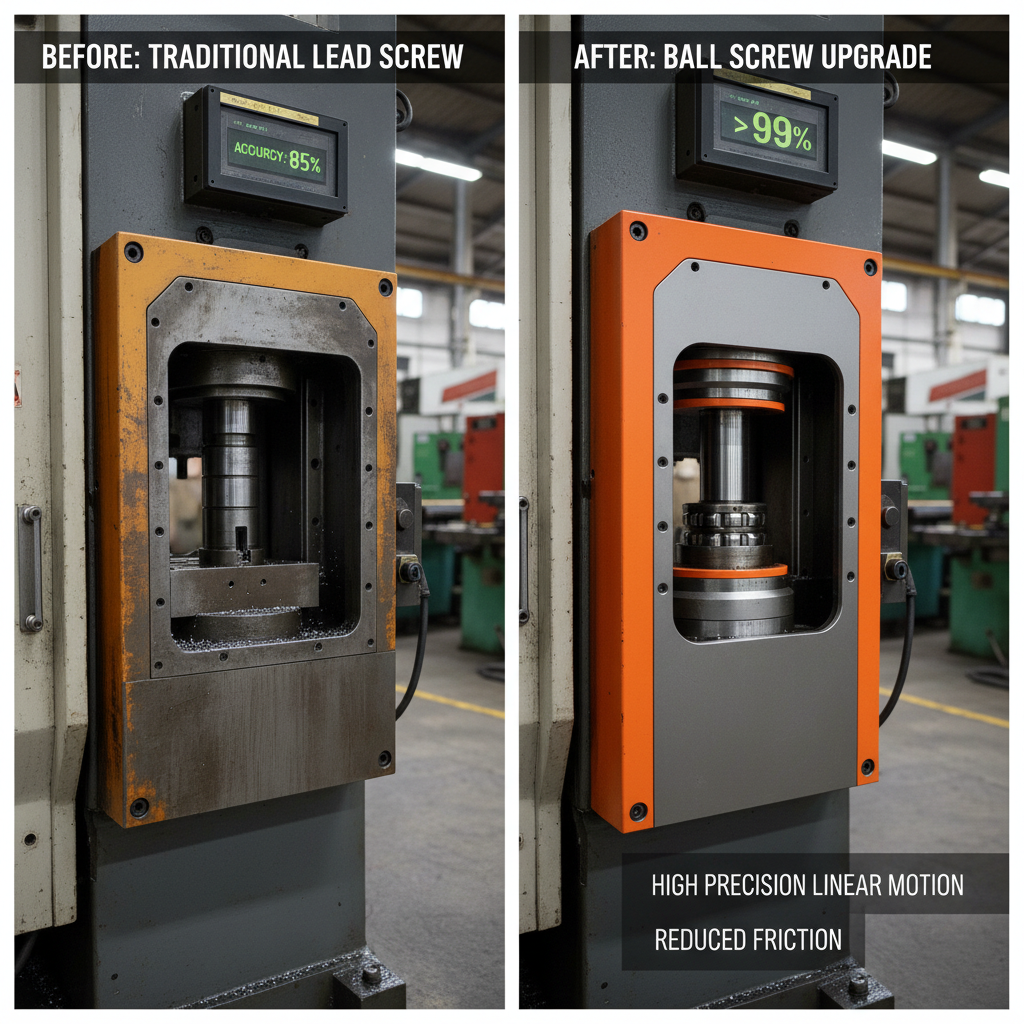
At its core, a ball screw is a mechanical linear actuator that transforms rotational motion into linear motion with exceptional precision and efficiency. It achieves this by utilizing ball bearings between the screw shaft and the nut, minimizing friction and maximizing load-bearing capacity. This unique design distinguishes ball screws from traditional lead screws, making them the preferred choice in applications demanding high accuracy and reliability. what is a ball screw used for in many systems.

The widespread adoption of ball screws is a direct result of their superior performance characteristics, which translate into tangible benefits for various industries. Their high efficiency reduces energy consumption, their minimal backlash ensures precise positioning, and their long lifespan minimizes downtime and maintenance costs. These advantages are particularly crucial in automated systems where consistent and accurate performance is paramount.

Defining Ball Screw Functionality

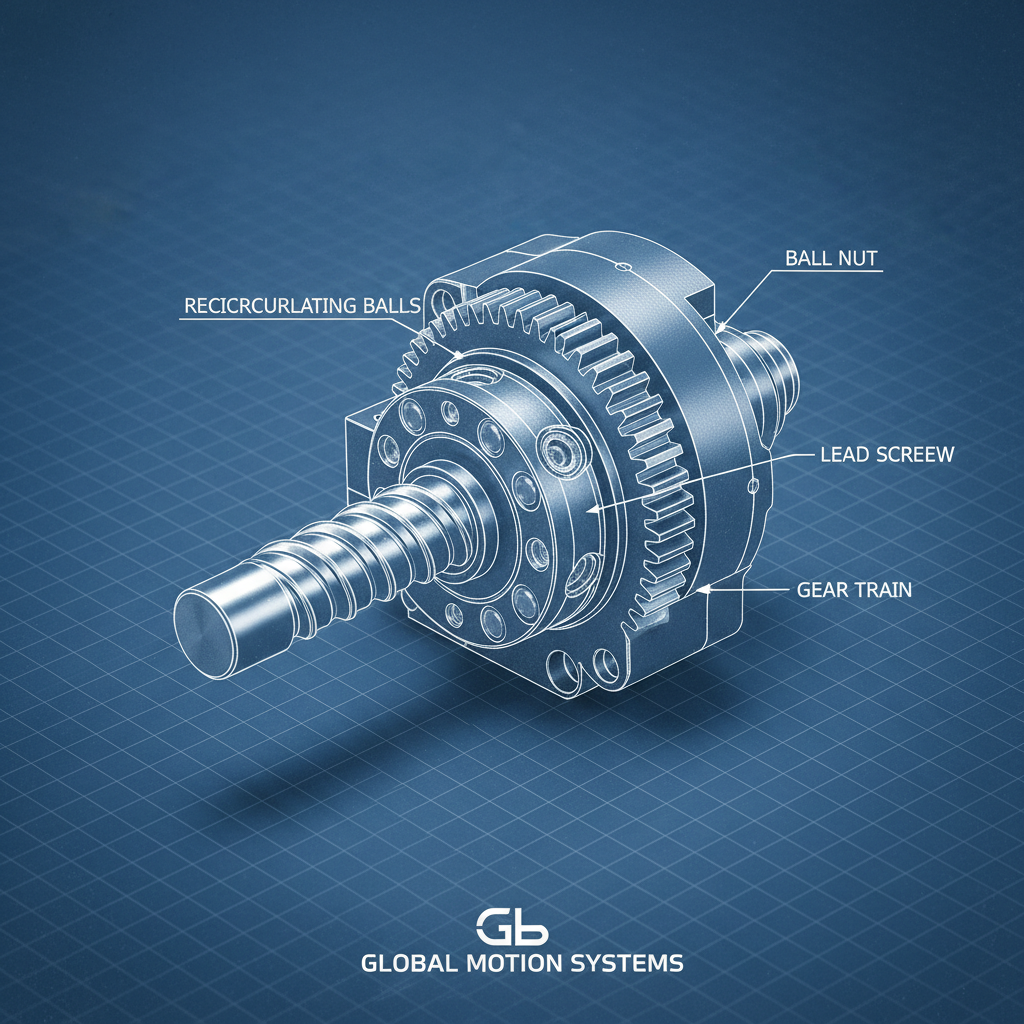
A ball screw operates on the principle of rolling friction. Instead of direct sliding contact between the screw shaft and the nut, hardened steel balls are recirculated within a raceway formed by both components. This rolling action dramatically reduces friction, resulting in higher efficiency and lower wear rates compared to conventional lead screws. The balls are typically loaded into the raceway through return tubes or deflectors, ensuring continuous circulation during operation.

The fundamental components of a ball screw assembly include the screw shaft, the nut (or ball nut), ball bearings, raceways, and return mechanisms. The screw shaft is precisely machined with a helical groove, while the nut contains raceways that house the ball bearings. The precision of these components is critical to the overall performance and accuracy of the ball screw.

Ultimately, what is a ball screw used for comes down to its superior ability to convert power and motion effectively. Its design not only minimizes energy loss but also enables smoother, more predictable movements, making it an essential component in a wide range of automated processes.

Core Characteristics of Ball Screws

Durability is a defining characteristic of ball screws. The use of hardened steel ball bearings and precision-machined raceways significantly reduces wear and extends the lifespan of the component. This durability translates into lower maintenance costs and reduced downtime, making ball screws a cost-effective solution in the long run.

Precision is another key attribute. Ball screws exhibit minimal backlash, ensuring accurate and repeatable positioning. This is particularly crucial in applications where tight tolerances and precise movements are required, such as CNC machining and robotics.

Efficiency is significantly higher in ball screws compared to traditional lead screws. The rolling friction minimizes energy loss, resulting in greater power transmission efficiency and reduced heat generation. This efficiency contributes to lower operating costs and improved system performance.

Key Performance Indicators for what is a ball screw used for

Evaluating the performance of a ball screw requires considering several key indicators. Load capacity, representing the maximum force the screw can handle, is a primary factor. Alongside this, positioning accuracy defines the precision of linear movement, crucial for applications demanding tight tolerances.

Another vital metric is speed, indicating the maximum linear velocity achievable without compromising performance. Furthermore, efficiency, measured by the power transmission ratio, directly impacts energy consumption and operational costs. Understanding these KPIs allows for optimal selection of what is a ball screw used for a specific application.

Comparative Performance of Ball Screw Types


Global Applications and Industries Utilizing Ball Screws

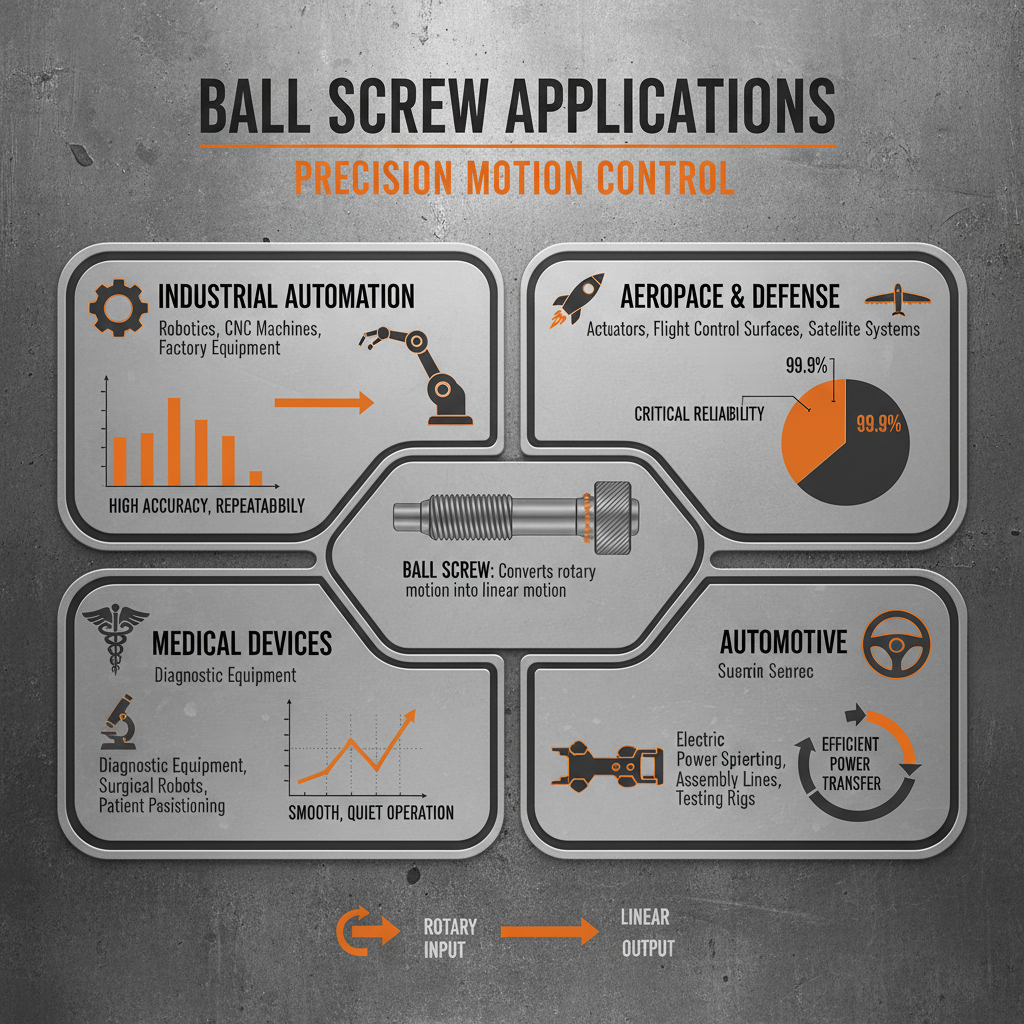
The applications of what is a ball screw used for are incredibly diverse, spanning across numerous industries. In manufacturing, they are integral to CNC machine tools, enabling precise cutting, milling, and drilling operations. Robotics heavily relies on ball screws for accurate joint movements and positioning.

Aerospace benefits from their use in flight control systems and actuation mechanisms, where reliability and precision are critical. The automotive industry utilizes ball screws in steering systems, throttle controls, and automated assembly lines. In medical equipment, they are found in imaging devices and surgical robots, demanding exceptional precision and smoothness.

Long-Term Advantages and Value Proposition

The long-term advantages of employing ball screws extend beyond initial performance benefits. Reduced maintenance requirements, due to their durability and minimal wear, translate into significant cost savings over the lifespan of the equipment. Increased operational efficiency, stemming from their low friction, lowers energy consumption and boosts productivity.

Furthermore, the reliability of ball screws enhances system uptime and minimizes the risk of costly breakdowns. These factors collectively contribute to a strong return on investment, making ball screws a valuable asset for businesses seeking long-term operational efficiency and cost-effectiveness.

Future Trends and Innovations in Ball Screw Technology

The future of ball screw technology is focused on enhancing performance, reducing size, and integrating smart features. Developments in materials science are leading to the creation of lighter, stronger, and more corrosion-resistant ball screws. Advancements in lubrication techniques are further minimizing friction and extending lifespan.

The integration of sensors and data analytics is enabling predictive maintenance and optimized performance monitoring, contributing to increased efficiency and reduced downtime. Furthermore, miniaturization efforts are expanding the application of ball screws to smaller, more compact devices, such as micro-robots and precision instruments.

Summary of Ball Screw Material Properties

Material Type Hardness (HRC) Tensile Strength (MPa) Corrosion Resistance
AISI 52100 Steel 60-65 2000 Moderate
SUJ2 Steel 62-68 2100 Good
Chrome Steel 58-62 1800 Fair
Stainless Steel 440C 55-60 1700 Excellent
Carbon Steel 45-55 1500 Poor
Ceramic (Silicon Nitride) 75+ 3000+ Exceptional

FAQS

What is the typical lifespan of a ball screw?

The lifespan of a ball screw varies significantly based on factors like load, speed, lubrication, and environmental conditions. However, with proper maintenance and operating within specified parameters, a well-made ball screw can last for millions of cycles, often exceeding 10,000 hours of continuous operation. Regular inspection and relubrication are crucial for maximizing lifespan. Understanding what is a ball screw used for helps in assessing its longevity.

How does lubrication affect ball screw performance?

Lubrication is absolutely critical for ball screw performance. It reduces friction, minimizes wear, prevents corrosion, and dissipates heat. Choosing the correct lubricant – grease or oil – depends on the application and operating conditions. Proper lubrication ensures smooth operation, extended lifespan, and consistent accuracy of what is a ball screw used for.

What are the common causes of ball screw failure?

Common causes of ball screw failure include improper lubrication, overloading, contamination (dust, debris), misalignment, and corrosion. Regular inspections can identify these issues early on. Overloading beyond the screw’s capacity, or allowing contaminants to enter the system, are primary culprits in reduced performance and eventual failure. Considering what is a ball screw used for in your design helps prevent these issues.

What is the difference between a ball screw and a lead screw?

The key difference lies in the method of motion transfer. Ball screws utilize ball bearings to minimize friction, resulting in higher efficiency and lower wear compared to lead screws, which rely on direct sliding contact. Ball screws are more precise and can handle higher loads, but are generally more expensive. Understanding what is a ball screw used for clarifies when to choose it over a lead screw.

Can ball screws be used in harsh environments?

Yes, ball screws can be adapted for harsh environments, but require specific considerations. Stainless steel ball screws are resistant to corrosion in wet or corrosive environments. Protective coatings and seals can prevent contamination from dust or debris. Selecting the right materials and features is crucial when implementing what is a ball screw used for in challenging conditions.

What maintenance is required for ball screws?

Regular maintenance includes relubrication, inspection for wear or damage, cleaning to remove contaminants, and checking for proper alignment. Following the manufacturer's recommendations for lubrication intervals and maintenance procedures is essential. Proactive maintenance ensures the continued optimal performance of what is a ball screw used for.

Conclusion

In conclusion, understanding what is a ball screw used for is vital for anyone involved in designing, manufacturing, or maintaining systems requiring precise linear motion. These components offer a compelling combination of efficiency, accuracy, durability, and reliability, making them essential across diverse industries. Their ability to convert rotational motion into linear motion with minimal friction continues to drive innovation and improve performance in countless applications.

Looking ahead, advancements in materials science, lubrication techniques, and smart technologies will further enhance the capabilities of ball screws. By embracing these innovations and prioritizing proactive maintenance, businesses can unlock the full potential of ball screws and achieve long-term operational excellence. To learn more about our range of ball screws and how they can benefit your application, visit our website: www.yidibearings.com.

Robert Thompson

Robert Thompson

Robert Thompson is the Regional Sales Manager for YIDI in the Eastern US. He's responsible for developing and maintaining relationships with key accounts in manufacturing, automation, and robotics. Robert brings a robust understanding of the industrial sector, honed over 10 years of experience in technical sales. He's known for his
Previous Exploring the World of Linear Guide Manufacturers and Their Applications
Next Understanding Ball Screw Price Dynamics for Optimal Industrial Applications

If you are interested in our products, you can choose to leave your information here, and we will be in touch with you shortly.


3_3ricon1-webp17404468391174113810811 819_2025032815201169958.png

If you are interested in our products, you can choose to leave your information here, and we will be in touch with you shortly.