Understanding AC Compressor Bearing Performance and Selection
The ac compressor bearing is a critical component within an air conditioning system, directly impacting its efficiency, longevity, and overall performance. This seemingly small part bears a significant load and demands careful consideration during selection and maintenance. Choosing the right bearing type and understanding its specifications are vital for preventing costly repairs and ensuring reliable operation. At Yidi Bearings, we specialize in providing high-quality ac compressor bearings engineered for optimal performance. This article will delve into the essential aspects of ac compressor bearings, covering types, applications, selection criteria, and maintenance tips.
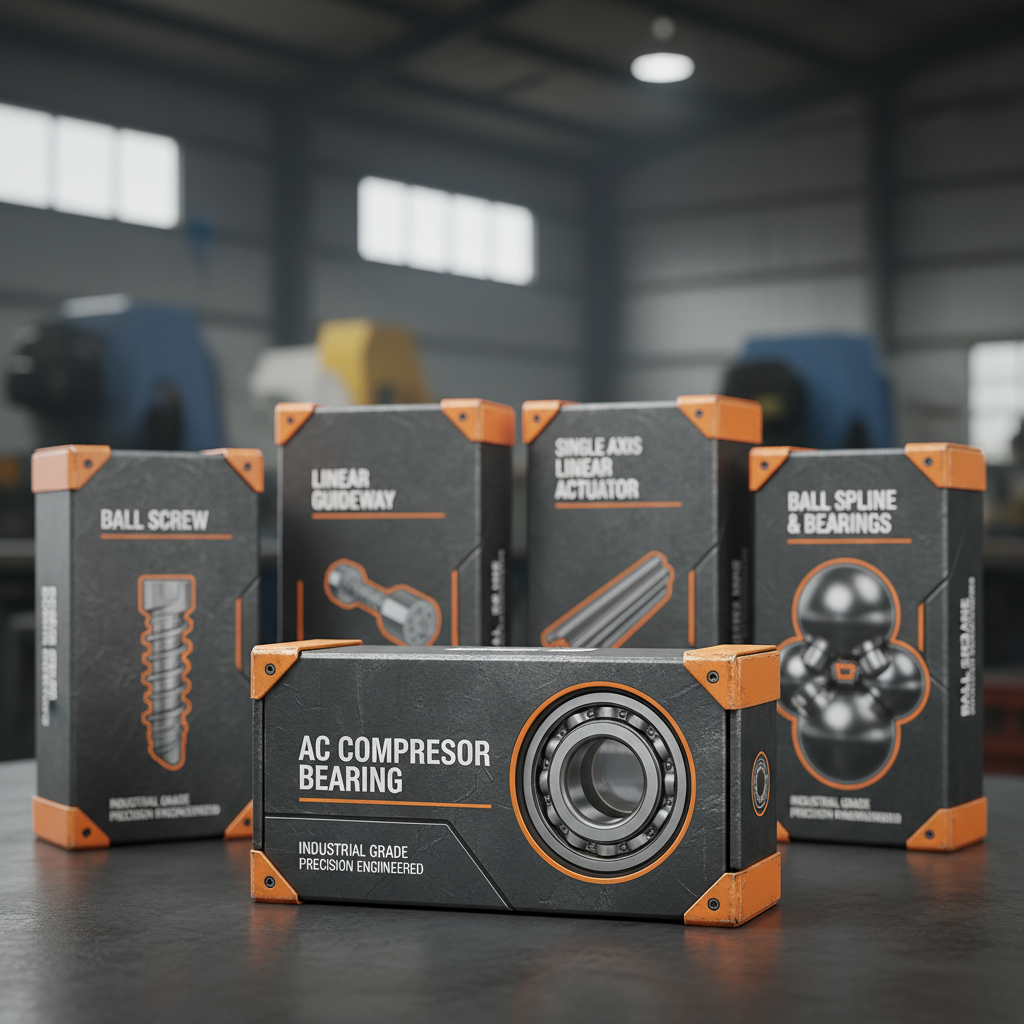
Types of AC Compressor Bearings
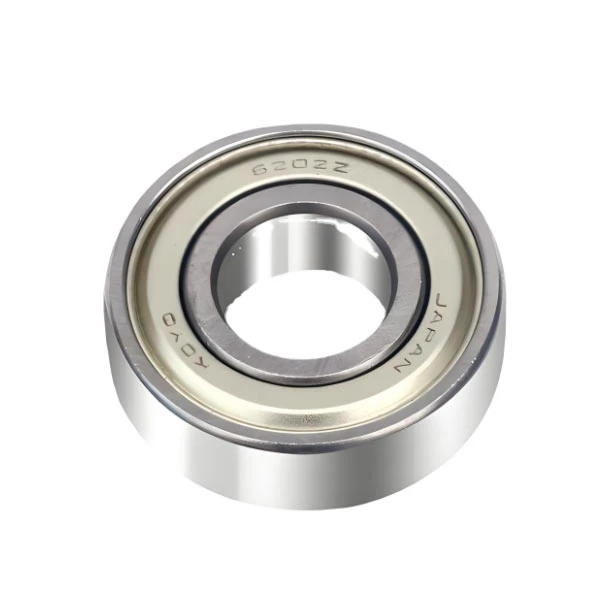
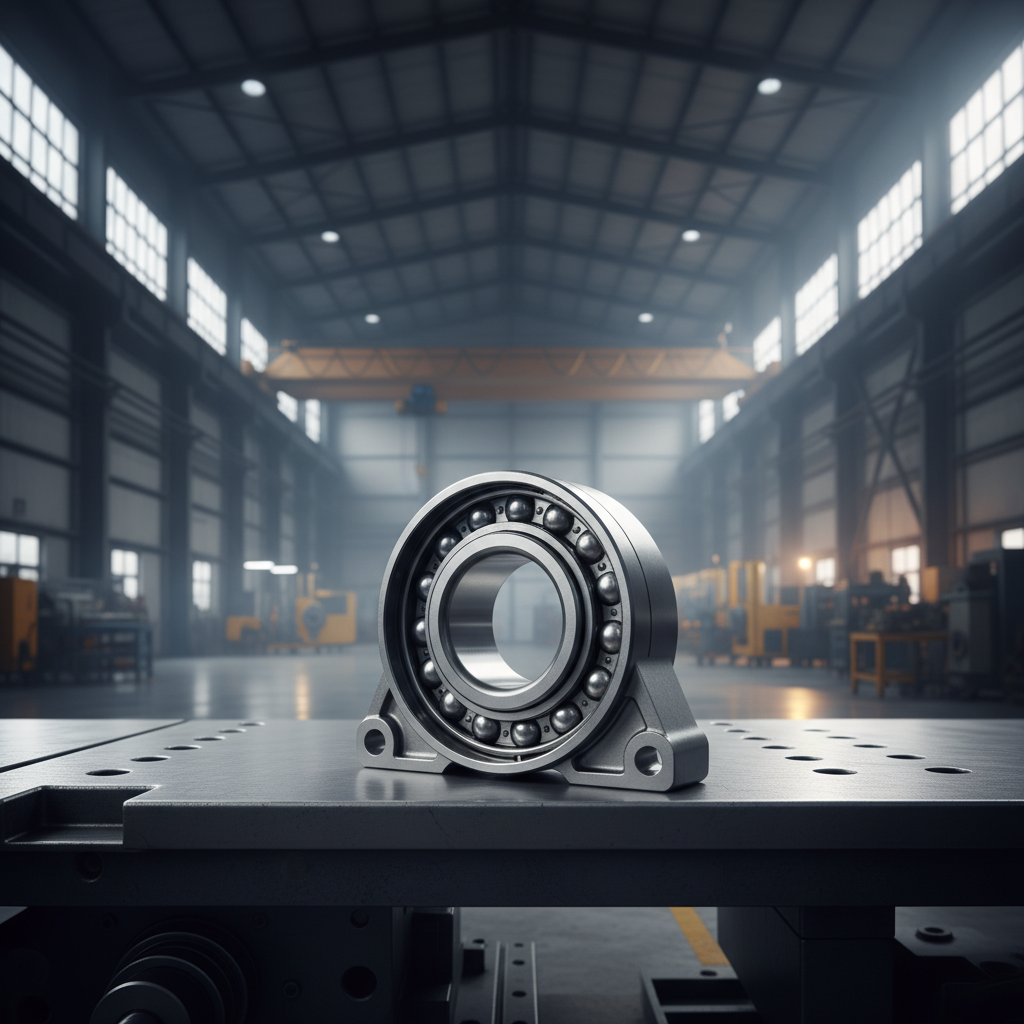
AC compressor bearings primarily fall into two categories: ball bearings and roller bearings. Ball bearings are widely used due to their lower cost and suitability for high-speed applications. They excel at handling radial loads and moderate axial loads. However, they have a smaller contact area, which can limit their load-carrying capacity compared to roller bearings. Roller bearings, specifically cylindrical roller bearings, offer superior load-carrying capacity, making them ideal for compressors handling heavier loads and experiencing significant shock. These are often preferred in larger, more demanding AC systems. The choice depends on the specific compressor design and operating conditions.
Key Differences: Ball bearings are cost-effective and suited for high-speed, lighter loads. Roller bearings provide higher load capacity and are ideal for heavy-duty compressors.
Selecting the Right AC Compressor Bearing: Key Considerations
Choosing the correct ac compressor bearing is crucial for optimal performance and longevity. Several factors need careful evaluation. First, consider the compressor type (rotary, scroll, reciprocating) and its load requirements. Next, assess the operating speed and temperature range. The bearing’s material (steel, ceramic) should also be selected based on these conditions. Furthermore, the bearing's precision class (ABEC rating) impacts its smoothness and efficiency. Selecting a bearing with appropriate lubrication and sealing is also critical for preventing premature failure. At Yidi Bearings, our expert team can help you identify the ideal bearing for your specific application.
Selection Criteria:
• Compressor Type & Load
• Operating Speed & Temperature
• Bearing Material & Precision
• Lubrication & Sealing
Comparing AC Compressor Bearing Materials
The material composition of an ac compressor bearing significantly impacts its durability and performance. Chrome steel (SAE 52100) is the most common material due to its high hardness and wear resistance. However, for demanding applications or corrosive environments, stainless steel bearings offer superior corrosion protection. Ceramic bearings, made from materials like silicon nitride, provide exceptional hardness, low friction, and high-temperature resistance, but they come at a higher cost. Here’s a comparison:
Lubrication and Maintenance of AC Compressor Bearings
Proper lubrication is essential for minimizing friction, reducing wear, and extending the life of the ac compressor bearing. The type of lubricant depends on the compressor's refrigerant and operating conditions. Regular lubrication schedules, as recommended by the compressor manufacturer, should be strictly followed. Additionally, periodic inspections for signs of wear, damage, or excessive noise are critical. Early detection of issues allows for timely replacement, preventing more significant and costly failures. Ensure proper sealing to prevent contaminant ingress, which can accelerate bearing degradation.
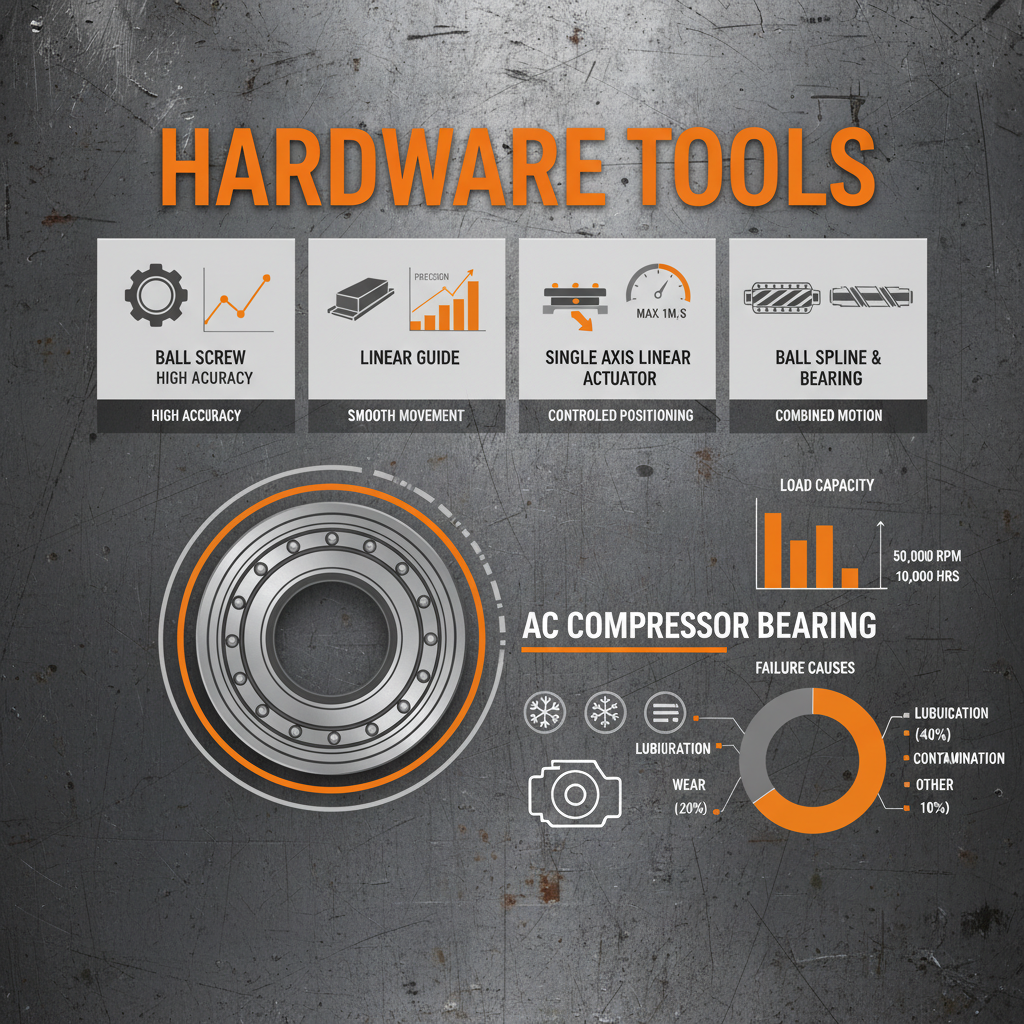
Yidi Bearings: Your Trusted AC Compressor Bearing Supplier
At Yidi Bearings, we provide a comprehensive range of high-quality ac compressor bearings designed to meet the demands of various applications. We offer competitive pricing, reliable performance, and expert technical support. Our commitment to quality and customer satisfaction makes us a leading supplier in the industry. We understand the critical role these bearings play in your system's performance and are dedicated to providing you with the best possible solutions.
Conclusion: Ensuring Optimal Performance with Quality Bearings
Investing in high-quality ac compressor bearings from a reputable supplier like Yidi Bearings is essential for maintaining the efficiency and reliability of your air conditioning system. By understanding the different types of bearings, selecting the right materials, and implementing proper maintenance practices, you can minimize downtime and extend the life of your equipment.
Frequently Asked Questions (FAQs)
What are the common signs of a failing AC compressor bearing?
Several symptoms can indicate a failing ac compressor bearing. These include unusual noises, such as grinding or squealing sounds, coming from the compressor unit. Increased vibration, overheating, and a decline in cooling performance are also common signs. In some cases, you might notice oil leakage around the compressor. If you experience any of these symptoms, it's crucial to inspect the bearing and compressor promptly to prevent further damage. Ignoring these warning signs can lead to a complete compressor failure, resulting in costly repairs.
How often should AC compressor bearings be replaced?
The recommended replacement frequency for ac compressor bearings varies depending on operating conditions and the quality of the bearing. Generally, bearings should be inspected during routine maintenance and replaced every 3-5 years or after 10,000-15,000 operating hours, whichever comes first. However, factors like heavy usage, harsh environments, and inadequate lubrication can shorten the bearing's lifespan. Regularly monitoring the bearing's condition and replacing it proactively can prevent unexpected breakdowns and maintain optimal system performance.
Can I replace an AC compressor bearing myself?
Replacing an ac compressor bearing can be a complex task requiring specialized tools and knowledge. It involves disconnecting refrigerant lines, dismantling the compressor, and precisely installing the new bearing. Incorrect installation can lead to compressor failure or refrigerant leaks. It's generally recommended to hire a qualified HVAC technician to perform this repair. Attempting the repair yourself without proper training and experience can void the compressor's warranty and potentially create a safety hazard.
What type of lubricant should I use for my AC compressor bearing?
The appropriate lubricant for your ac compressor bearing depends on the refrigerant used in the system and the compressor manufacturer's recommendations. Typically, polyolester (POE) oil is used with HFC refrigerants like R-134a and R-410A. For systems using mineral oil refrigerants, mineral oil should be used. It’s crucial to use the correct type of lubricant to ensure proper lubrication and prevent damage to the compressor and bearing. Always consult the compressor's service manual or contact a qualified HVAC technician to determine the appropriate lubricant for your specific system.