Understanding Angular Contact Bearings: A Comprehensive Guide
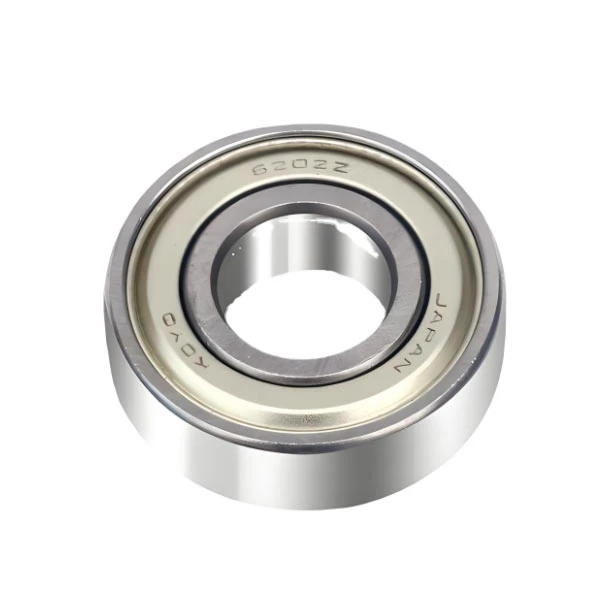
Angular contact bearings are a critical component in many industrial applications, offering a unique combination of load capacity and speed capabilities. Unlike standard ball bearings, these bearings are designed to handle both radial and axial loads simultaneously. This makes them ideal for high-precision applications where consistent performance and reliability are paramount. Yidi Bearings specializes in providing high-quality angular contact bearings tailored to a wide range of industrial needs. Choosing the right angular contact bearing is crucial for optimal machinery performance and longevity.
What are Angular Contact Bearings?
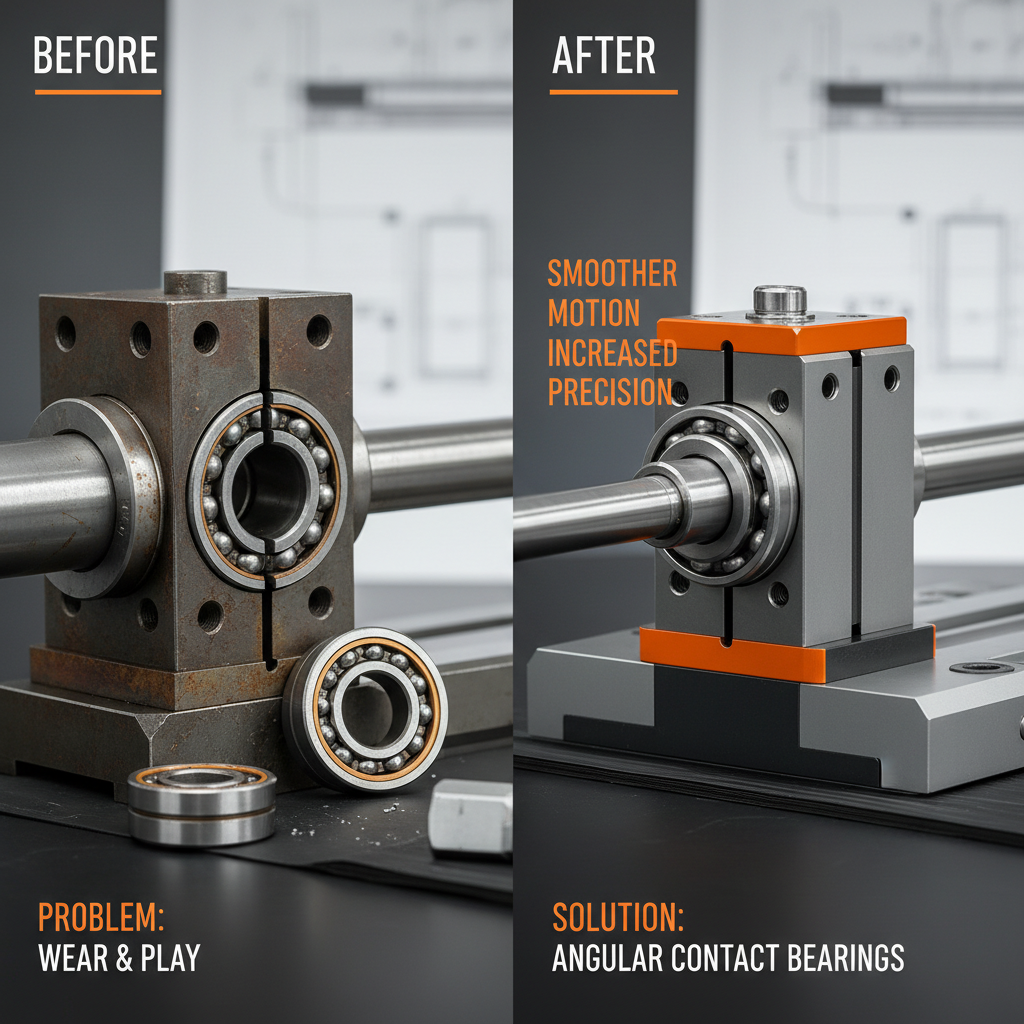
Angular contact bearings are designed with a raceway angle—meaning the inner and outer ring raceways are displaced relative to each other. This design allows the bearing to support axial loads in one direction. Often, they are used in pairs or sets to accommodate axial loads in both directions. The contact angle, typically ranging from 15 to 45 degrees, dictates the bearing’s axial load capacity; a larger angle providing greater capacity. These bearings are commonly used in applications such as machine tool spindles, pumps, compressors, and gearboxes. Yidi Bearings offers a diverse catalog of angular contact bearings to meet specific application requirements.
Key Highlights: Designed to handle combined radial and axial loads, available with different contact angles for tailored performance, and commonly used in high-precision applications.
Types of Angular Contact Bearings
Angular contact bearings come in several configurations, each suited for particular applications. These include:
- Single-Row Angular Contact Bearings: Designed for moderate axial and radial loads.
- Double-Row Angular Contact Bearings: Offer higher axial load capacity than single-row bearings.
- Four-Point Contact Bearings: These bearings can handle axial loads in both directions without the need for a matching pair.
Selecting the appropriate type depends on the specific load conditions and application requirements. Yidi Bearings’ expert team can provide guidance in selecting the best bearing for your application.
Bearing Type Benefits:
• Single-Row: Cost-effective for moderate loads
• Double-Row: Higher axial load capacity
• Four-Point Contact: Bi-directional axial load support
Angular Contact Bearings vs. Other Bearing Types
Compared to other bearing types, angular contact bearings offer unique advantages. While deep groove ball bearings excel at high-speed, radial-load applications, they have limited axial load capacity. Tapered roller bearings also handle axial loads but often exhibit higher friction. Angular contact bearings strike a balance, providing significant axial and radial load capacity with relatively low friction. This makes them an excellent choice for applications demanding both precision and robustness.
Applications of Angular Contact Bearings
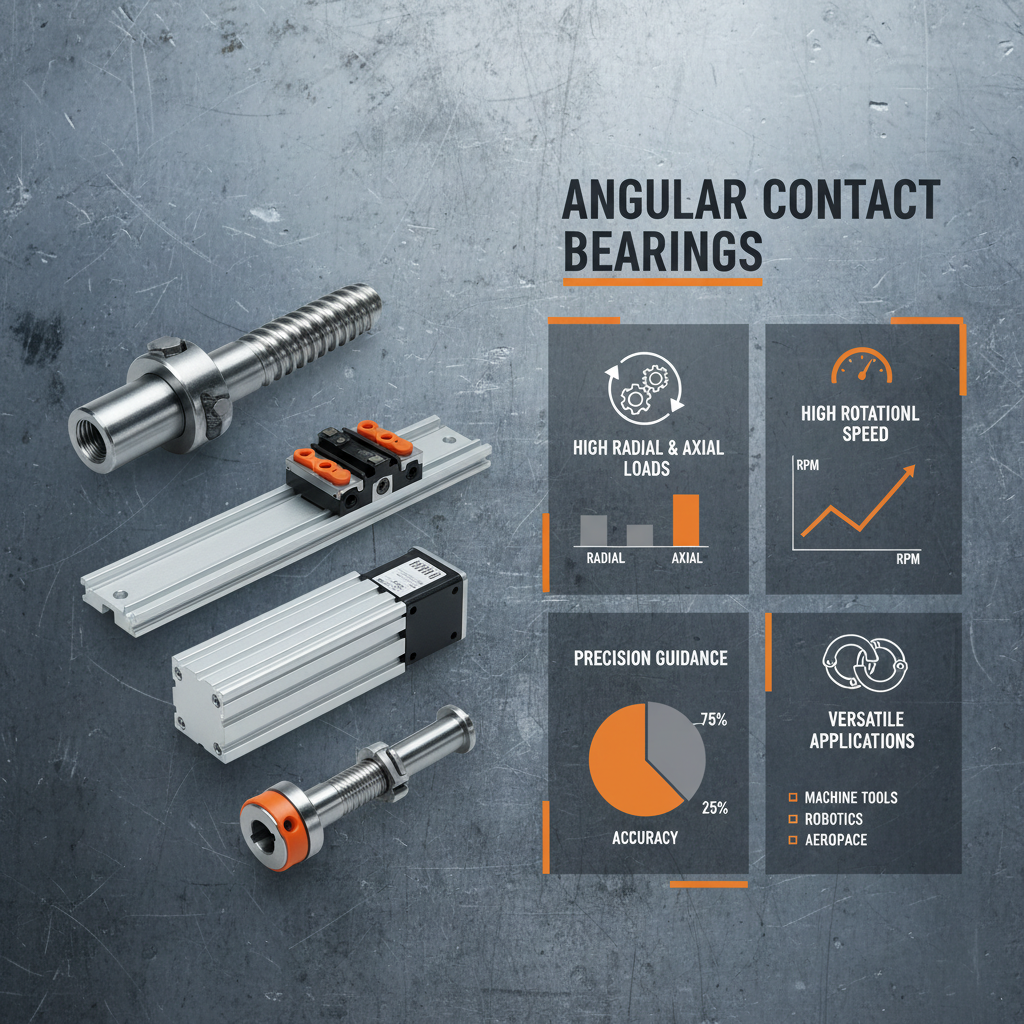
These bearings find applications in a multitude of industries. In machine tools, they ensure precise spindle operation. In pumps and compressors, they handle both radial and axial loads generated by the impeller or piston. They're also commonly used in automotive applications, particularly in wheel hubs and transmissions. Furthermore, they play a vital role in gearboxes, providing smooth and efficient power transmission. Yidi Bearings provides solutions for various industrial applications.
Selecting the Right Angular Contact Bearing
Choosing the correct angular contact bearing requires careful consideration of several factors, including the load direction and magnitude, operating speed, temperature, and lubrication requirements. Key specifications to consider include the contact angle, bore diameter, outer diameter, and the bearing’s material. Yidi Bearings offers technical assistance and a wide range of bearing options to help you select the perfect bearing for your needs.
Conclusion: Optimizing Performance with Angular Contact Bearings
Angular contact bearings are indispensable components in countless industrial applications, offering a unique combination of load capacity, precision, and durability. By understanding the different types and selecting the right bearing for your specific needs, you can optimize machinery performance and ensure long-term reliability. Yidi Bearings is your trusted partner for high-quality angular contact bearings and expert technical support.
Frequently Asked Questions (FAQs)
What is the importance of the contact angle in angular contact bearings?
The contact angle is a crucial parameter defining the bearing’s axial load capacity. A larger contact angle results in a higher axial load capacity but also increases the bearing’s sensitivity to misalignment. Selecting the appropriate contact angle is essential based on the specific application’s load conditions and alignment capabilities. Yidi Bearings provides detailed specifications and guidance to ensure proper bearing selection.
How should angular contact bearings be mounted?
Angular contact bearings typically require careful mounting procedures to ensure proper performance. Since they are designed to handle axial loads in one direction, they are often used in pairs or sets with the contact angles oriented in opposing directions. Proper preloading is crucial to prevent play and ensure stability. Following the manufacturer's recommendations for mounting techniques and preload settings is essential.
What is the typical lifespan of an angular contact bearing?
The lifespan of an angular contact bearing depends on various factors, including load, speed, lubrication, operating temperature, and sealing conditions. With proper lubrication and operation within specified limits, these bearings can have a long service life – often exceeding several years. Regular monitoring and maintenance, including relubrication and visual inspection, can help maximize lifespan. Yidi Bearings offers lubrication solutions and preventative maintenance recommendations.