Understanding Ball Bearings: A Comprehensive Guide
Ball bearings are ubiquitous components in modern machinery, essential for reducing friction and enabling smooth, efficient motion. From simple household appliances to complex industrial equipment, these seemingly small parts play a crucial role. This article delves into the world of ball bearings, covering their types, applications, materials, and how to choose the right bearing for your specific needs. Explore the intricacies of these mechanical marvels and learn why Yidi Bearings offers high-quality solutions for diverse applications.
Types of Ball Bearings
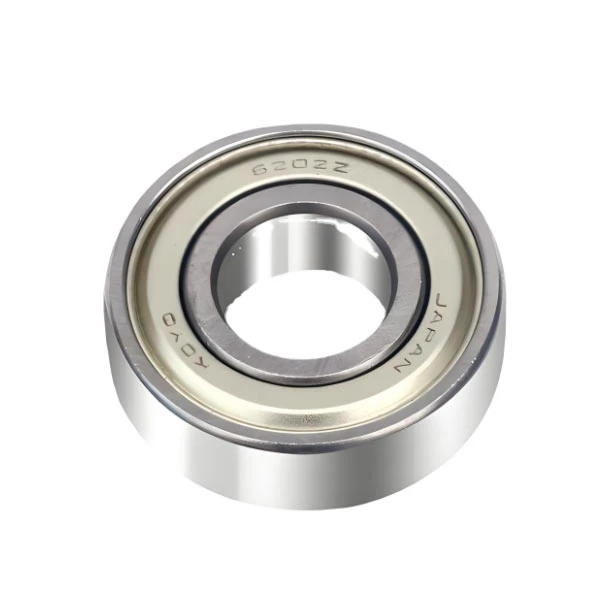
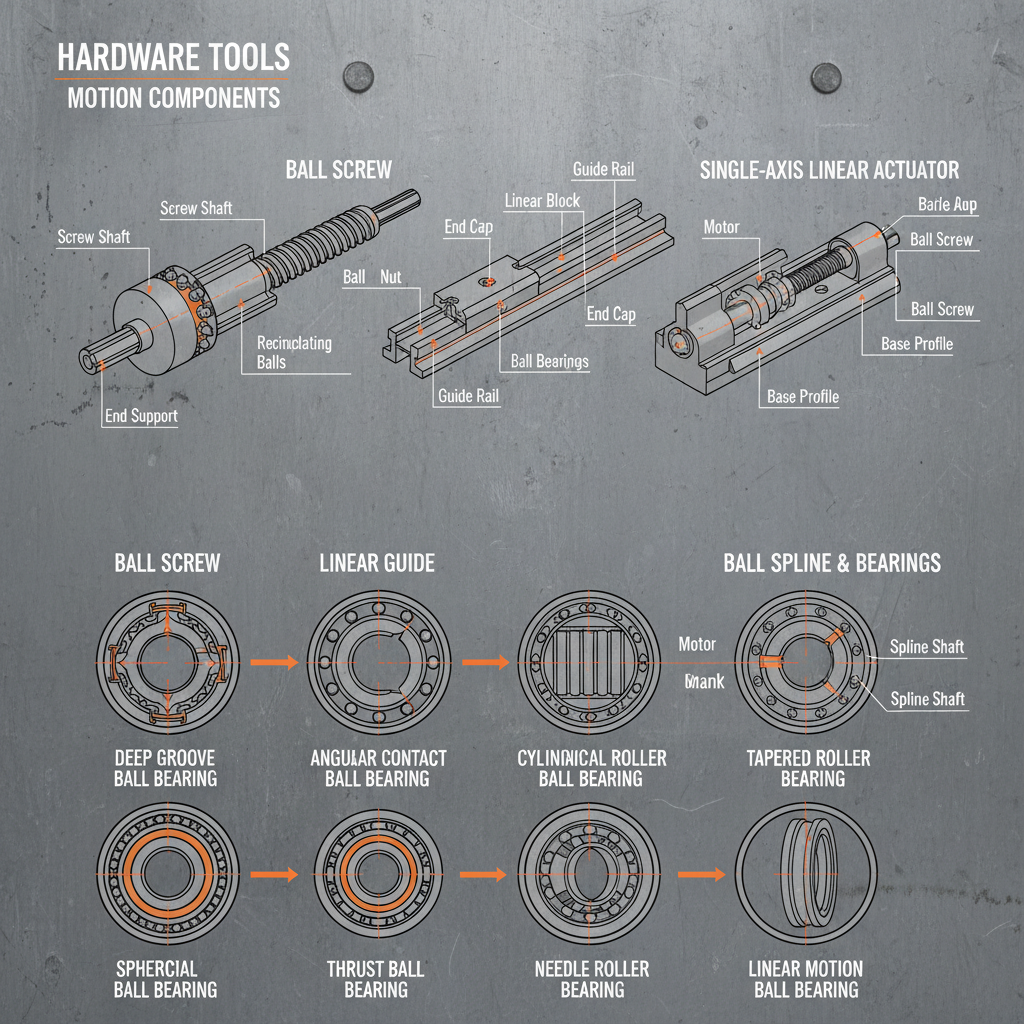
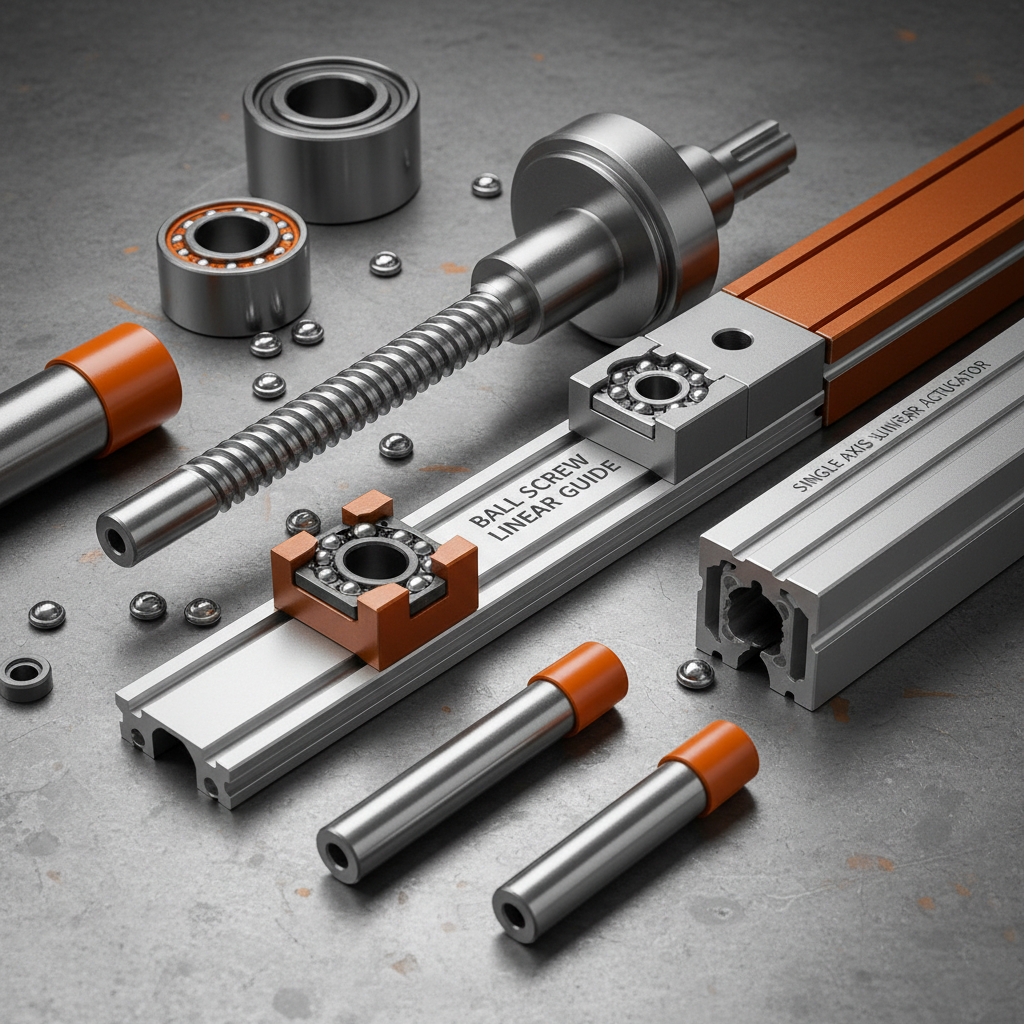
Ball bearings aren't a one-size-fits-all solution. Different designs cater to specific load capacities, speeds, and application requirements. Some common types include: Deep Groove Ball Bearings (the most common type, suitable for radial and axial loads), Angular Contact Ball Bearings (designed to handle combined radial and axial loads in one direction), Self-Aligning Ball Bearings (ideal for applications with shaft misalignment), and Thrust Ball Bearings (specifically designed for axial loads). Understanding the nuances of each type is crucial for optimal performance and longevity. Yidi Bearings provides a wide selection of these types to meet your specific needs.
Key Takeaway: The correct ball bearing type drastically impacts performance, efficiency, and the lifespan of your machinery.
Materials Used in Ball Bearing Construction
The material composition of a ball bearing significantly influences its performance characteristics. Common materials include bearing steel (typically SAE 52100), known for its high hardness and wear resistance; stainless steel, providing corrosion resistance for demanding environments; ceramic materials (silicon nitride, zirconia), offering superior speed capabilities and reduced friction; and plastics (nylon, PTFE), suitable for low-load, corrosive applications. The selection of the appropriate material depends heavily on the application's operating conditions and required lifespan. Yidi Bearings offers bearings constructed from a variety of materials to meet diverse requirements.
Material Benefits:
• Bearing Steel: High hardness, wear resistance
• Stainless Steel: Corrosion resistance
• Ceramic: High speed, low friction
• Plastics: Low load, corrosive resistance
Choosing the Right Ball Bearings for Your Application
Selecting the correct ball bearing involves considering several factors: load type and magnitude, operating speed, temperature range, lubrication requirements, and environmental conditions. Incorrect selection can lead to premature failure, reduced efficiency, and costly downtime. Careful analysis of these parameters will guide you towards the optimal bearing for your specific application. Yidi Bearings’ expert team can assist you in making the right choice.
Applications of Ball Bearings Across Industries
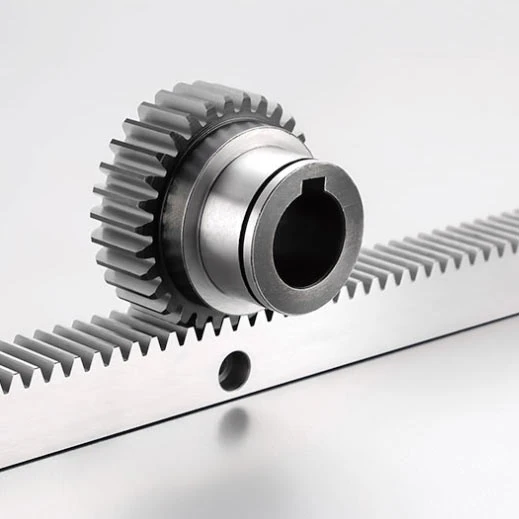
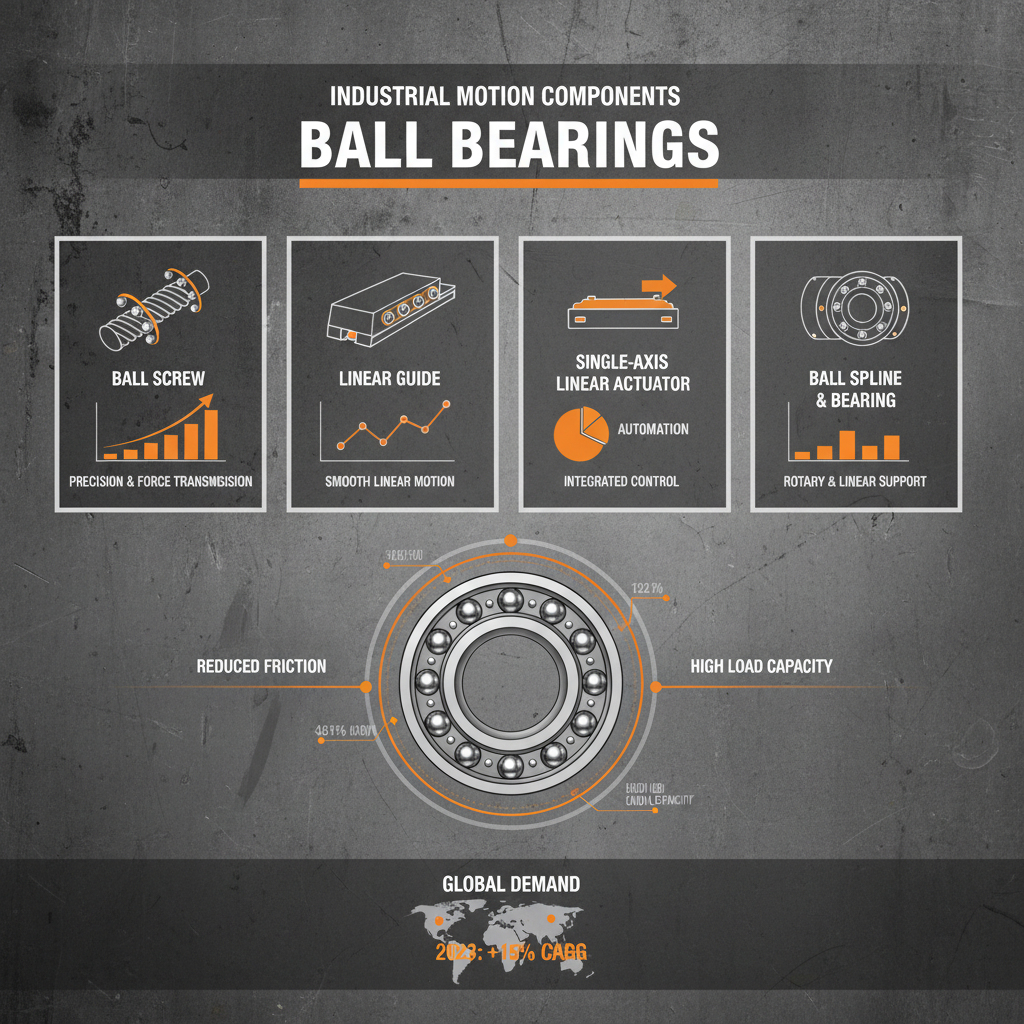
The versatility of ball bearings leads to their widespread use across numerous industries. They are vital in automotive systems (wheel bearings, transmission components), aerospace applications (engines, control systems), medical equipment (surgical instruments, imaging devices), industrial machinery (pumps, motors, gearboxes), and consumer products (electric motors, appliances). Their ability to reduce friction, support loads, and maintain precision makes them indispensable in countless applications. Yidi Bearings serves a diverse clientele across these and many other sectors.
Maintenance and Lubrication for Optimal Performance
Proper maintenance and lubrication are essential for maximizing the lifespan and performance of ball bearings. Regular lubrication reduces friction, dissipates heat, and prevents corrosion. The choice of lubricant depends on the bearing type, operating conditions, and speed. Regular inspection for wear, damage, and contamination is also crucial. Implementing a preventative maintenance program will minimize downtime and ensure reliable operation. Yidi Bearings can provide guidance on appropriate lubrication practices for your specific applications.
Conclusion: Reliable Motion with Quality Ball Bearings
Choosing the right ball bearings and maintaining them properly are crucial for the efficient and reliable operation of your machinery. Yidi Bearings provides a comprehensive range of high-quality bearings, expert advice, and exceptional customer service to meet your specific needs. Invest in quality and experience the difference.
Frequently Asked Questions (FAQs)
What is the difference between a sealed and shielded ball bearing?
Sealed ball bearings feature a rubber seal on one or both sides, providing better protection against contaminants but generally have a lower speed rating. Shielded ball bearings use metal shields, offering less protection but allowing for higher speeds. The choice depends on the application's environment and speed requirements. Sealed bearings are preferred for dusty or harsh conditions, while shielded bearings are better suited for high-speed applications where contamination is minimal.
How do I determine the correct bearing size?
Determining the correct bearing size requires accurate measurements of the shaft diameter and housing bore. You also need to consider the bearing's inner and outer diameter, as well as its width. Refer to bearing catalogs or consult with a bearing specialist to ensure proper fit and performance. Using the wrong size can lead to premature failure and equipment damage. Yidi Bearings can assist with sizing and selection.
What are the signs that a ball bearing needs to be replaced?
Common signs of a failing ball bearing include unusual noise (grinding, rumbling), excessive heat, vibration, and reduced performance. If you notice any of these symptoms, it's crucial to inspect the bearing and replace it if necessary. Ignoring these signs can lead to catastrophic failure and costly repairs. Regular inspections are key to preventing unexpected downtime.