Angular contact ball bearings – you see ‘em everywhere, but most folks don’t give ‘em a second thought. They’re the unsung heroes in a massive range of applications, from the machine tools shaping our world to the medical equipment saving lives. Understanding these bearings isn't just for engineers; it's crucial for anyone involved in designing, maintaining, or operating machinery. Their ability to handle both radial and axial loads, combined with high speed capability, makes them a go-to component in demanding environments.
Globally, the demand for high-precision bearings is booming, driven by advancements in manufacturing, healthcare, and aerospace. According to a recent report by the World Bank, industrial output continues to climb, fueling the need for reliable and efficient components like angular contact ball bearings. The challenge lies in optimizing performance, extending lifespan, and reducing maintenance costs. This isn't about just making things spin; it's about building resilient systems that keep industry moving.
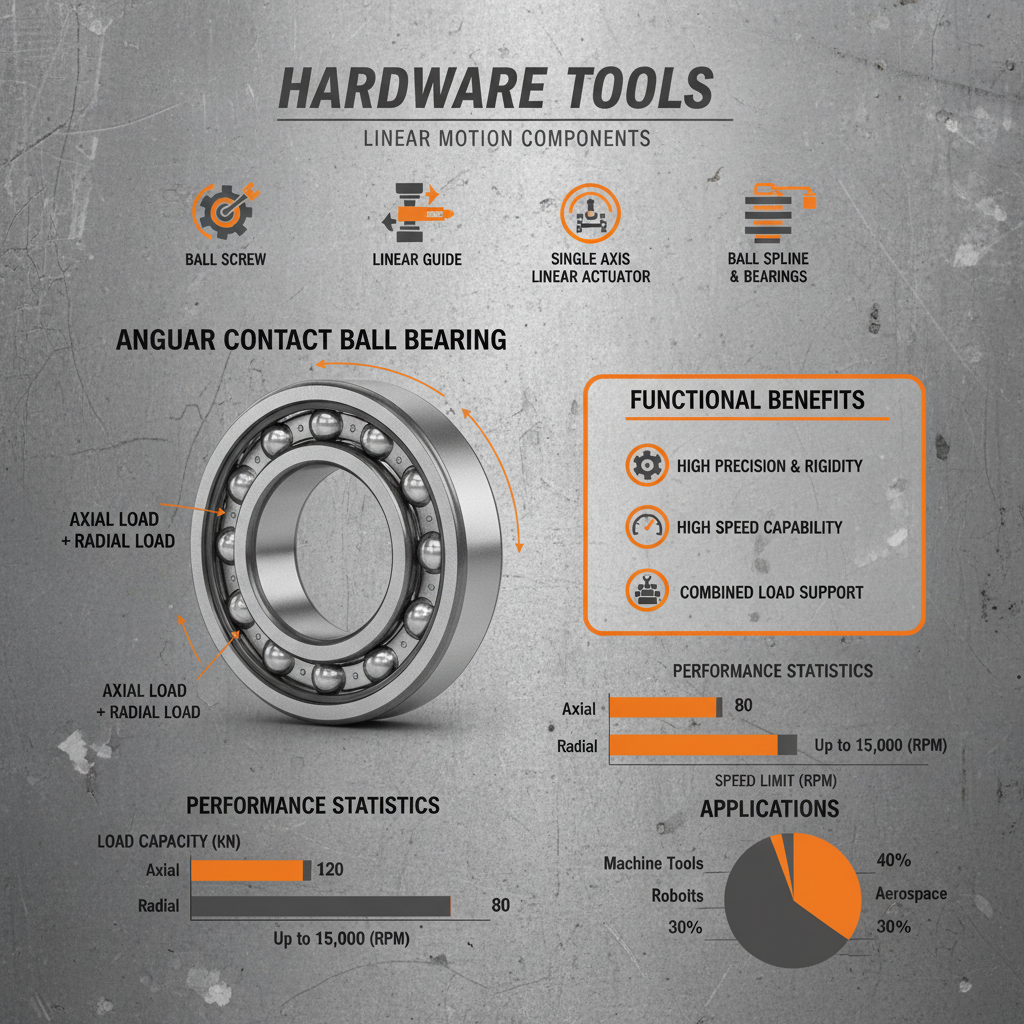
Put simply, an angular contact ball bearing is a type of rolling-element bearing designed to accommodate combined loads – meaning forces acting both radially (perpendicular to the shaft) and axially (along the shaft). Unlike standard ball bearings, the balls in an angular contact bearing are set at an angle to the bearing’s raceways. This design allows it to support axial loads in one direction, making it ideal for applications where thrust forces are present. It’s a fundamental building block of modern machinery, enabling precise motion and reliable performance.
The Basics of Angular Contact Ball Bearing
Now, I've spent years on construction sites and in workshops, and one thing you quickly learn is that a bearing’s job isn't glamorous, but it’s critical. Angular contact ball bearings take that to another level. The angled design isn't just for show; it allows the bearing to handle axial loads, which you'll find in everything from high-speed spindles to vehicle wheel hubs. We’re talking about preventing premature wear and tear and ensuring a smooth, reliable operation.
These bearings aren’t one-size-fits-all. They come in various configurations, including single-row, double-row, and four-point contact designs. Each offers different load capacities and stiffness characteristics, depending on the application. Selecting the right bearing isn’t just about the dimensions; it’s about understanding the forces at play and ensuring the bearing can withstand them for the long haul.
Global Relevance and Industry Impact
The demand for angular contact ball bearings is directly tied to the health of global manufacturing. Think about it: automotive, aerospace, machine tools, robotics…they all rely heavily on these components. China, Germany, the US, and Japan are major manufacturing hubs driving significant demand. A slowdown in any of these regions ripples through the entire supply chain. We’re talking billions of dollars in economic impact.
One of the biggest challenges we face right now is the increasing complexity of machinery. Modern systems require higher precision, faster speeds, and longer lifespans. This necessitates advanced bearing designs and materials. Couple that with the push for greater efficiency and reduced downtime, and you've got a perfect storm demanding constant innovation in bearing technology.
The increasing focus on sustainability is also a major factor. Manufacturers are looking for bearings that can reduce friction, lower energy consumption, and minimize waste. This is driving demand for high-quality angular contact ball bearing solutions and a shift towards more eco-friendly manufacturing processes.
Understanding the Core Design
The key to understanding an angular contact ball bearing is the contact angle. This angle – typically ranging from 15 to 45 degrees – is the angle between the bearing's raceway and the perpendicular line to the bearing’s axis. A larger contact angle provides higher axial load capacity, but also increases friction. It’s a trade-off we constantly evaluate based on the specific application.
Another critical aspect is preloading. Angular contact ball bearings are often preloaded, meaning a small amount of force is applied to the bearing to eliminate internal clearance. This improves stiffness, reduces vibration, and enhances performance, especially in high-speed applications. Proper preloading is crucial for optimal bearing life and reliability.
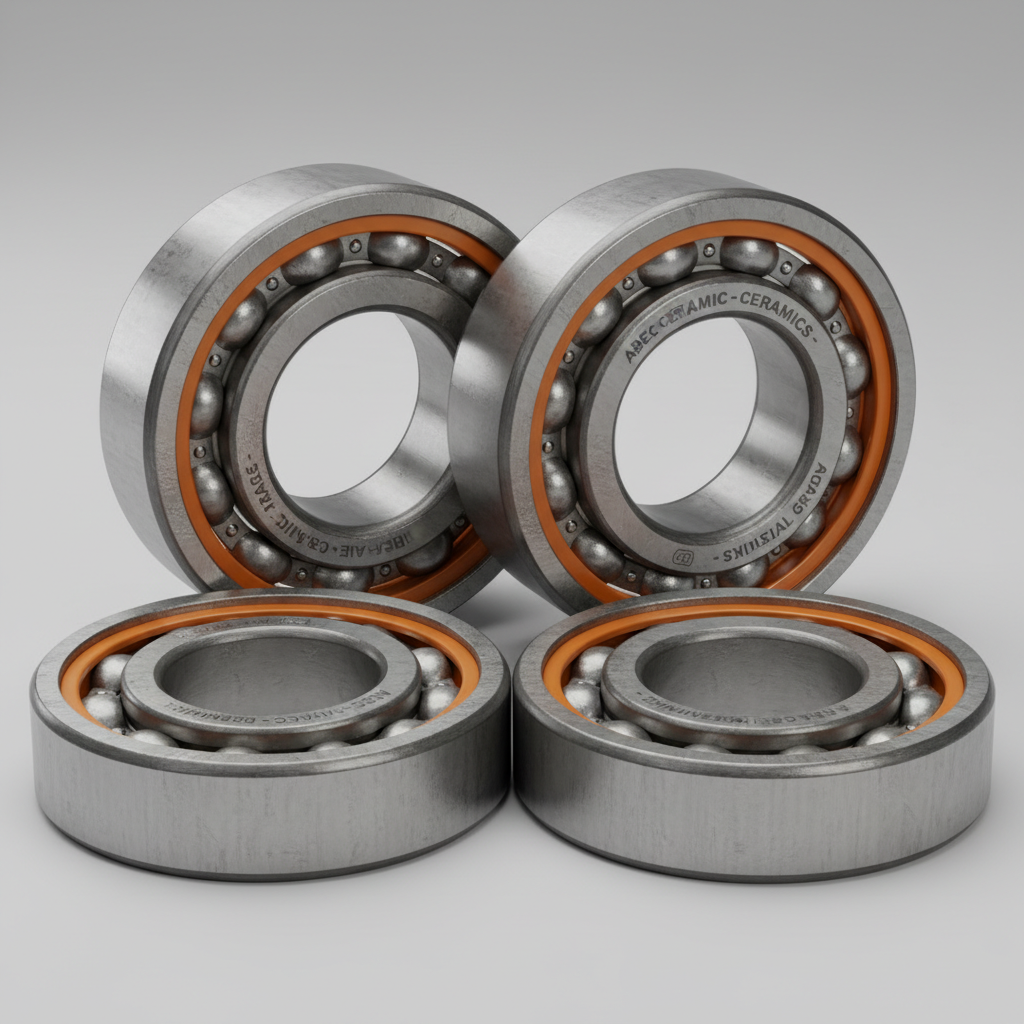
Materials play a huge role too. High-carbon chromium steel is the most common material, but we’re seeing increasing use of ceramic materials like silicon nitride for high-speed, high-temperature applications. The choice depends on the operating conditions and the required performance characteristics. It's all about selecting the right material for the job.
Key Performance Factors
Let’s talk about what really matters on the job site: performance. Durability is paramount. We need bearings that can withstand harsh conditions, heavy loads, and continuous operation. That means selecting bearings with high-quality materials, precise manufacturing tolerances, and effective lubrication. There’s no shortcut here; quality counts.
Speed capability is another critical factor, especially in applications like machine tool spindles and high-speed motors. Angular contact ball bearings are designed to operate at high speeds, but it's important to consider the bearing’s limiting speed and ensure adequate lubrication and cooling. Pushing a bearing beyond its limits is a recipe for disaster.
Angular Contact Ball Bearing Performance Metrics
Real-World Applications
You'll find these bearings everywhere. Machine tool spindles – the heart of any machining operation – rely on angular contact ball bearings for high precision and rigidity. They’re also essential in automotive wheel hubs, where they handle both radial and axial loads. And in the medical field, they’re used in surgical robots and imaging equipment requiring smooth, precise movement.
I’ve seen ‘em in aerospace applications, like jet engine components, where reliability is non-negotiable. Even in everyday appliances like washing machines, they contribute to quiet, efficient operation. It’s a testament to their versatility and reliability.
Advantages and Long-Term Value
Investing in quality angular contact ball bearing isn’t just about preventing breakdowns; it’s about maximizing uptime and reducing long-term costs. A well-maintained bearing can significantly extend the lifespan of expensive machinery. Reduced friction translates to lower energy consumption, and increased precision improves product quality.
There's also a safety aspect. Reliable bearings contribute to safer operation, reducing the risk of accidents and injuries. And in industries like healthcare, precision and reliability are paramount. Choosing the right bearing isn’t just a technical decision; it's a decision that impacts people's lives.
Future Trends and Innovations
We’re seeing a lot of exciting developments in the bearing industry. Additive manufacturing (3D printing) is allowing us to create more complex bearing designs with improved performance characteristics. Smart bearings, equipped with sensors, are providing real-time data on bearing condition, enabling predictive maintenance and reducing downtime.
There’s also a growing focus on sustainable materials and manufacturing processes. Researchers are exploring the use of bio-based lubricants and recycled materials to reduce the environmental impact of bearings. And with the rise of electric vehicles, there's a demand for bearings that can operate quietly and efficiently at high speeds.
Key Factors Influencing Angular Contact Ball Bearing Selection
| Application Type |
Load Capacity Required |
Operating Speed (RPM) |
Environmental Conditions |
| Machine Tool Spindle |
High Axial & Radial |
10,000 – 40,000 RPM |
Controlled, Moderate Temperature |
| Automotive Wheel Hub |
Moderate Axial & Radial |
0 – 1500 RPM |
Harsh, Variable Temperature |
| Surgical Robot Joint |
Low Axial & Radial |
0 – 500 RPM |
Sterile, Controlled |
| High-Speed Pump |
Moderate Axial & Radial |
2,000 – 10,000 RPM |
Variable, Potential Contaminants |
| Aerospace Actuator |
High Axial & Moderate Radial |
500 – 5,000 RPM |
Extreme Temperature & Pressure |
| Textile Machinery |
Low to Moderate Axial & Radial |
100 – 1000 RPM |
Dusty, Moderate Temperature |
FAQS
Deep groove ball bearings are designed primarily for radial loads, while angular contact bearings are designed to handle both radial and axial (thrust) loads. The contact angle in an angular contact bearing allows it to support axial forces in one direction, making it suitable for applications with combined loads. If you need to support thrust loads, an angular contact bearing is usually the better choice.
Determining the correct preload is crucial for optimal performance. Too little preload can lead to noise and reduced stiffness, while too much preload can cause excessive heat and wear. The preload depends on the application, speed, and load conditions. Consult the bearing manufacturer's catalog or an engineering handbook for guidance, and consider performing a preload test to fine-tune the setting.
Proper lubrication is vital. Grease lubrication is common for many applications, offering good sealing and protection. Oil lubrication is preferred for high-speed applications, providing better cooling and reduced friction. The lubricant type should be compatible with the bearing materials and operating temperature. Regular relubrication is essential to maintain optimal performance.
While standard angular contact ball bearings have temperature limitations, specialized bearings with high-temperature lubricants and materials (like ceramic balls) can be used in elevated temperature environments. The maximum operating temperature depends on the specific bearing design and lubricant used. Always consult the manufacturer’s specifications for temperature limits.
Signs of a failing bearing include increased noise or vibration, excessive heat, and reduced speed. Visual inspection may reveal signs of wear, corrosion, or damage to the balls or raceways. Regular monitoring of bearing condition through vibration analysis or temperature measurements can help detect early signs of failure.
Ceramic balls (typically silicon nitride) offer several advantages over steel balls, including lower density (reducing centrifugal forces), higher stiffness, improved wear resistance, and better high-temperature performance. They're ideal for high-speed, high-precision applications where these properties are critical. However, ceramic balls are generally more expensive than steel balls.
Conclusion
Angular contact ball bearings are fundamental components in a vast array of industries, and understanding their design, applications, and performance characteristics is crucial for engineers, technicians, and anyone involved in maintaining complex machinery. They offer a unique combination of load capacity, speed capability, and precision, making them ideal for demanding applications.
As technology continues to advance, we can expect to see even more innovative bearing designs and materials emerge. Investing in quality angular contact ball bearing solutions and embracing predictive maintenance strategies will be key to maximizing uptime, reducing costs, and ensuring the long-term reliability of critical equipment. Visit our website at www.yidibearings.com to learn more about how we can help you find the right bearing for your application.