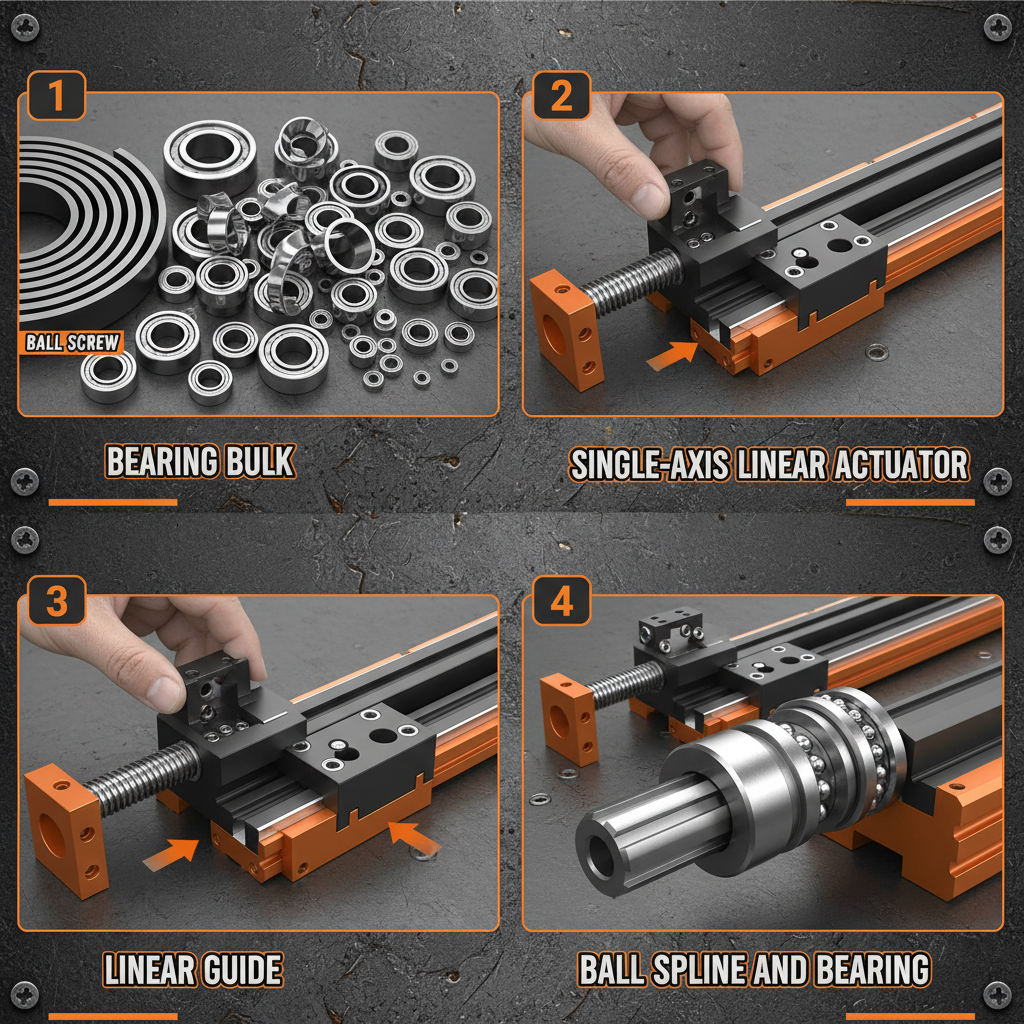
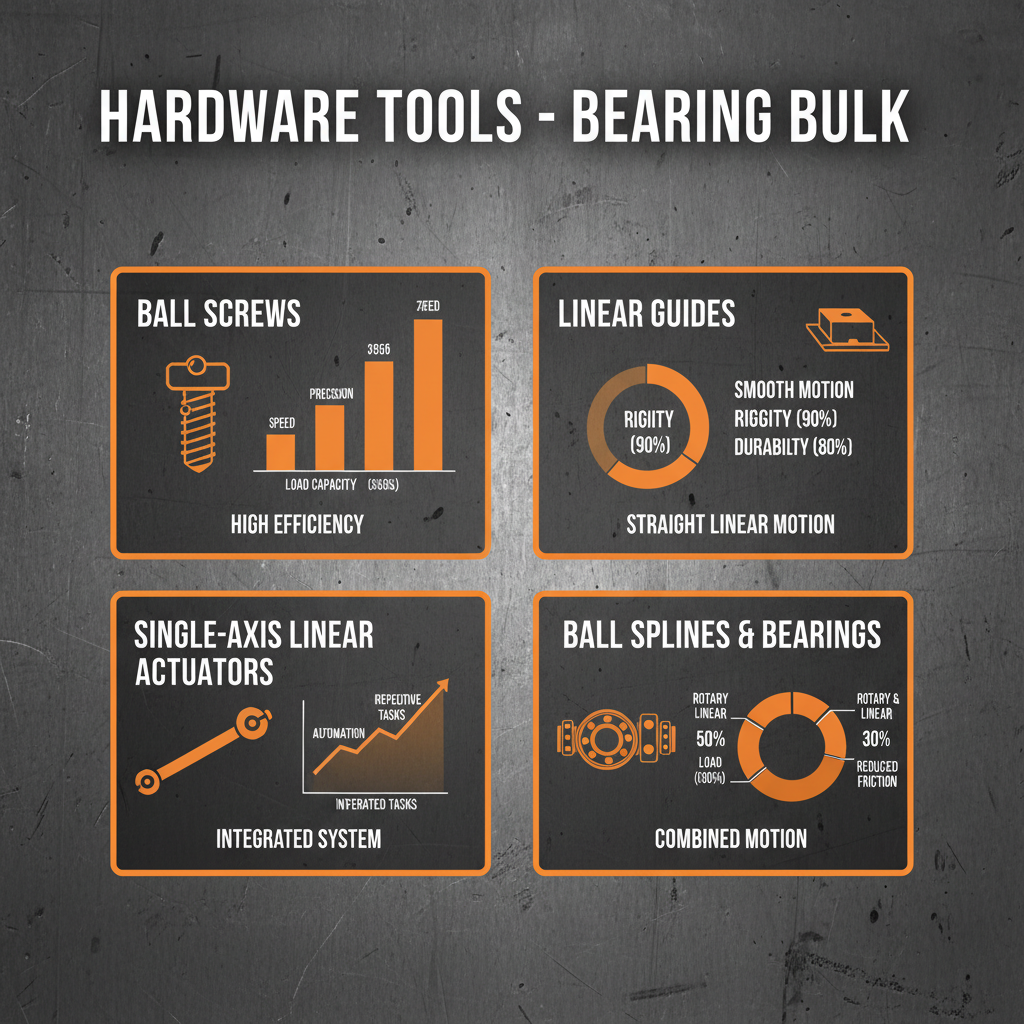
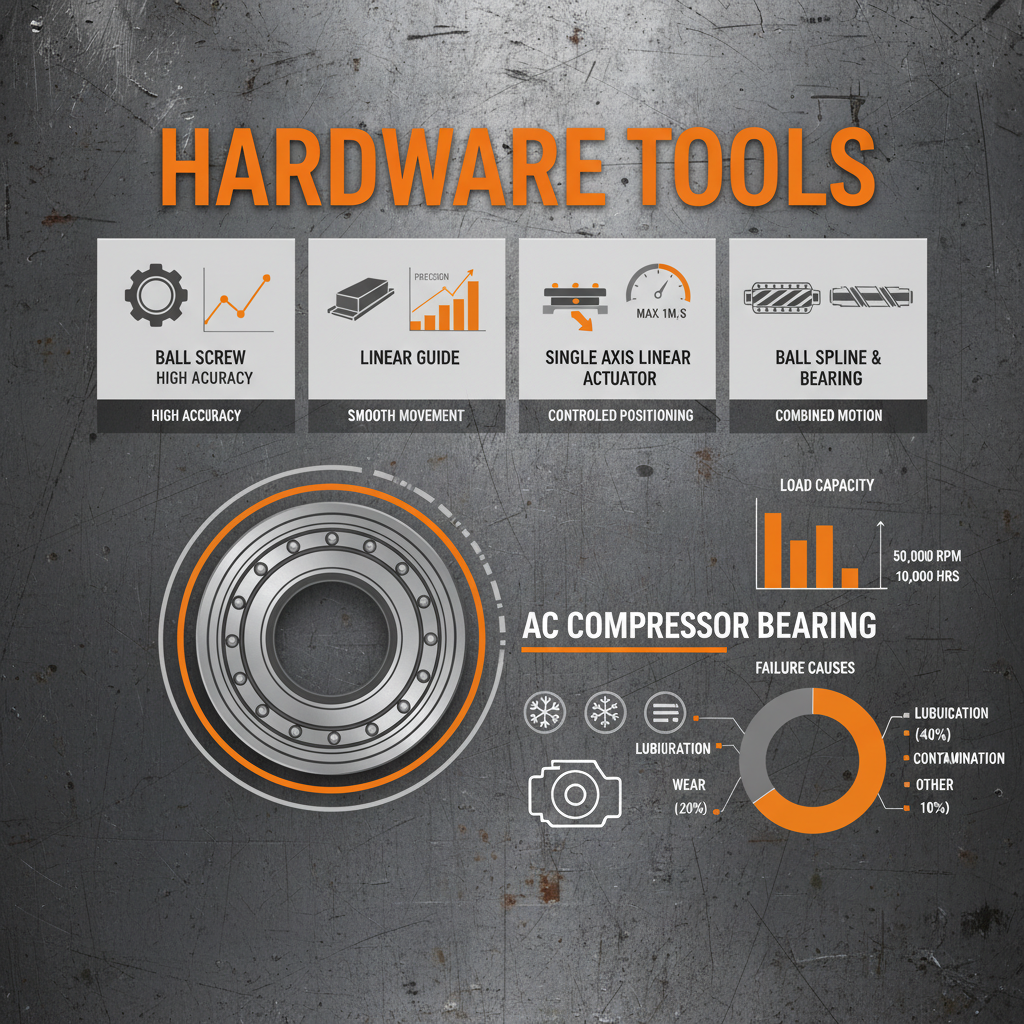
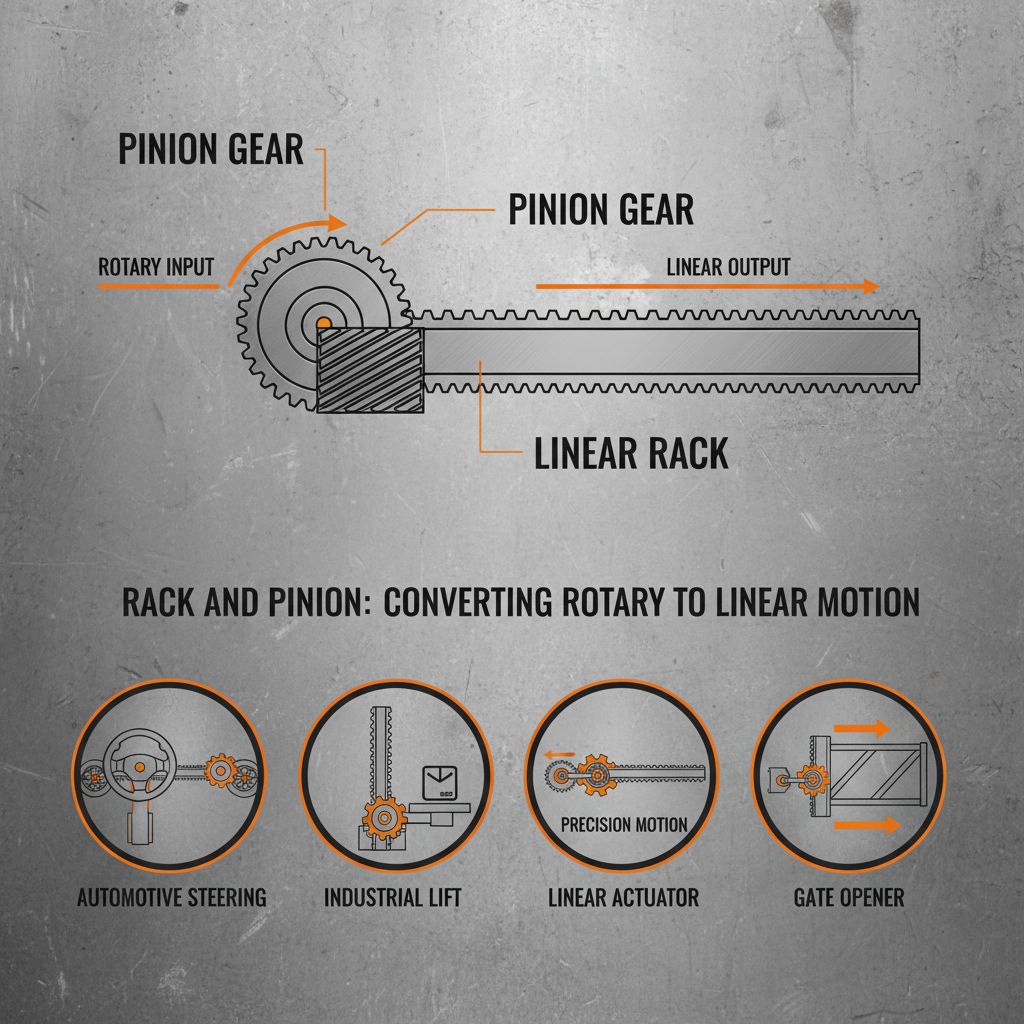
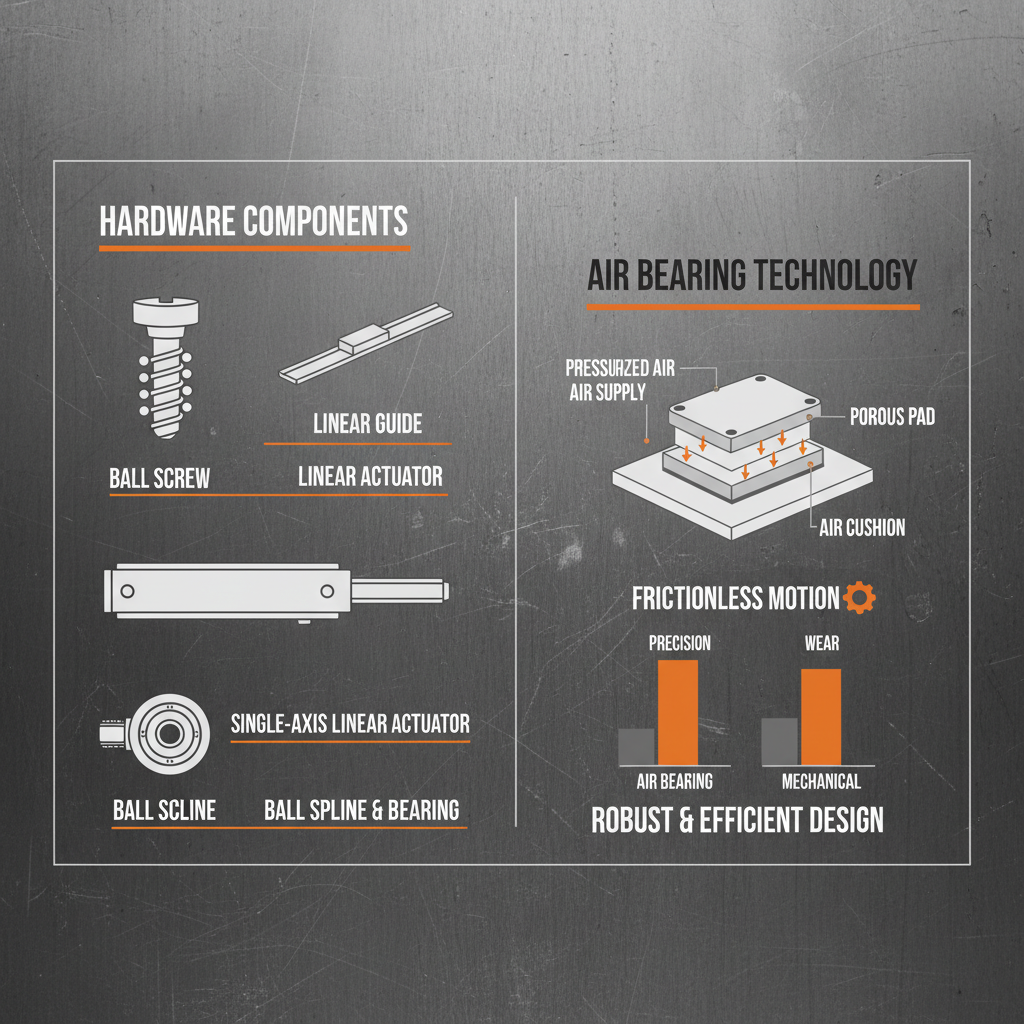
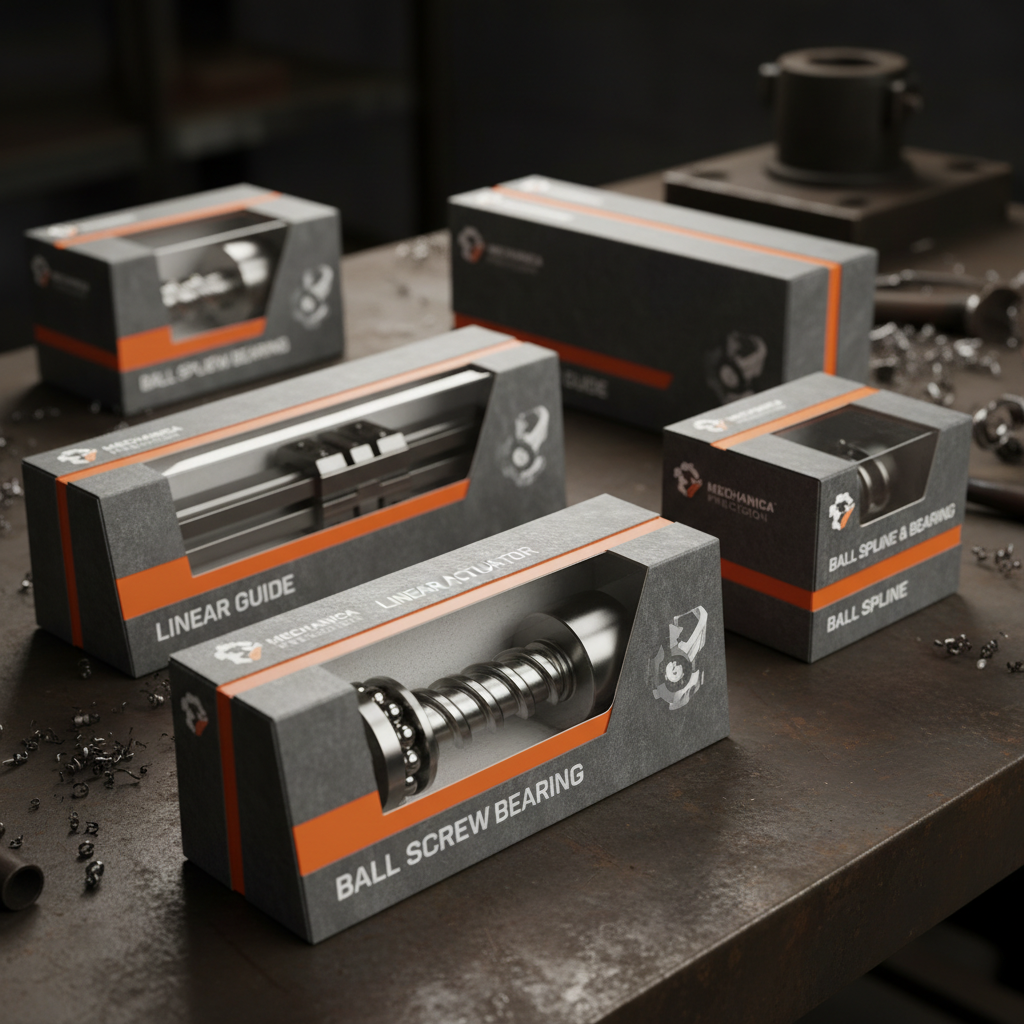
The global demand for efficient and reliable components fuels the need for bearing bulk solutions. Industries worldwide, from automotive and aerospace to manufacturing and energy, rely heavily on bearings for smooth operation and longevity of their equipment. Understanding the dynamics of bearing bulk procurement – encompassing sourcing, quality control, and logistical considerations – is crucial for maintaining competitive advantage and operational efficiency in today’s interconnected world.
The increasing complexity of modern machinery and the push for greater automation necessitate higher-performance bearings. This, in turn, drives the demand for specialized bearing bulk orders capable of meeting precise specifications and volume requirements. Efficient bearing bulk supply chains are no longer just about cost reduction; they are integral to ensuring uninterrupted production and minimizing downtime.
Furthermore, the global focus on sustainability and responsible sourcing is impacting the bearing bulk market. Manufacturers and end-users are increasingly seeking suppliers who can demonstrate commitment to ethical practices and environmentally sound production processes. This evolving landscape demands adaptability and transparency throughout the entire supply chain.
The Importance of Bearing Bulk
Procuring bearings in bearing bulk isn’t simply about buying a large quantity; it’s about establishing a strategic partnership with a reliable supplier. This approach allows businesses to secure favorable pricing, consistent quality, and a guaranteed supply to meet fluctuating demand. Effective bearing bulk management is critical for minimizing production disruptions and optimizing overall operational costs.
Furthermore, a well-planned bearing bulk strategy reduces administrative overhead associated with frequent, smaller orders. Consolidated purchasing streamlines the procurement process, freeing up valuable resources for other essential business functions and allowing for stronger negotiation leverage with suppliers.
Defining Bearing Bulk
Bearing bulk refers to the practice of purchasing bearings in large quantities, typically directly from a manufacturer or a specialized distributor. This differs from purchasing individual bearings or small batches as needed. The threshold for what constitutes 'bulk' varies depending on the type of bearing, the industry, and the specific needs of the buyer.
This approach is intrinsically linked to modern industrial efficiency, where minimizing production downtime and maximizing throughput are paramount. It ensures businesses have a readily available supply of critical components, reducing the risk of costly delays and bottlenecks. Bearing bulk supports not only industrial operations but also humanitarian efforts requiring large-scale equipment maintenance.
The concept also extends beyond simply quantity. It often includes negotiated contracts outlining specific quality standards, delivery schedules, and pricing agreements, fostering a long-term, mutually beneficial relationship between buyer and supplier.
Key Factors in Bearing Bulk Procurement
When considering bearing bulk purchases, several factors must be carefully evaluated. Durability is paramount, as the longevity of the bearings directly impacts maintenance costs and equipment uptime. Selecting bearings constructed from high-quality materials, appropriate for the intended application, is crucial.
Scalability is another key consideration. The supplier should be able to consistently meet your evolving needs, whether they increase or decrease over time. This requires a robust supply chain and the capacity to handle large orders efficiently. A supplier’s ability to scale with your business demonstrates their commitment to a long-term partnership.
Cost-efficiency, while important, shouldn’t be the sole determinant. Focus on the total cost of ownership, factoring in bearing lifespan, maintenance requirements, and potential downtime costs. Investing in higher-quality bearings upfront can often yield significant savings in the long run. Furthermore, consider the logistics and shipping costs associated with bearing bulk orders.
The Impact of Bearing Bulk on Industrial Performance
Strategic bearing bulk purchasing significantly enhances industrial performance by minimizing disruptions to production lines. Having a readily available supply reduces lead times for replacements, preventing costly downtime when bearings fail. This is particularly critical in industries with continuous operation requirements.
Moreover, standardized bearing bulk procurement simplifies inventory management. Streamlined ordering processes and predictable supply chains allow maintenance teams to plan proactively and optimize their schedules, further contributing to increased efficiency.
Bearing Bulk Performance Metrics
Global Applications of Bearing Bulk
The applications of bearing bulk are widespread across numerous industries. The automotive sector relies heavily on bulk bearing orders for vehicle assembly and maintenance. Manufacturing plants, from food processing to heavy machinery production, utilize bearings in countless applications, necessitating reliable bulk sourcing.
In remote industrial zones, ensuring a consistent supply of bearings is especially challenging. Bearing bulk shipments provide a critical lifeline, minimizing downtime and supporting continuous operations. Similarly, in post-disaster relief operations, rapid access to bearings is essential for repairing damaged infrastructure and restoring essential services.
Advantages of Strategic Bearing Bulk Sourcing
Beyond cost savings, strategic bearing bulk sourcing offers significant advantages in terms of supply chain resilience. Establishing strong relationships with multiple suppliers mitigates the risk of disruptions caused by unforeseen events.
Furthermore, long-term contracts often include preferential pricing, priority delivery, and dedicated support, enhancing the overall value proposition. This proactive approach fosters trust and collaboration, leading to continuous improvement in quality and service.
Future Trends in the Bearing Bulk Market
The bearing bulk market is evolving rapidly, driven by technological advancements and a growing emphasis on sustainability. The integration of digital technologies, such as predictive maintenance and real-time inventory tracking, is transforming the way bearings are sourced and managed.
The demand for bearings made from eco-friendly materials and manufactured using sustainable processes is also increasing. Suppliers who can demonstrate a commitment to environmental responsibility will gain a competitive advantage. Furthermore, the rise of automation and Industry 4.0 is driving the need for bearings designed for high-speed, high-precision applications.
We can also expect to see increased adoption of data analytics and machine learning to optimize bearing performance and extend their lifespan, reducing the overall need for replacements and minimizing waste.
Overcoming Challenges in Bearing Bulk Supply Chains
One of the primary challenges in bearing bulk supply chains is ensuring consistent quality across large orders. Implementing rigorous quality control procedures and conducting thorough inspections is essential. Another challenge is managing lead times and coordinating logistics, especially for international shipments.
To address these challenges, businesses should prioritize supplier vetting and establish clear communication channels. Utilizing advanced supply chain management software can also improve visibility and streamline processes. Furthermore, diversification of suppliers can mitigate the risk of disruptions and ensure a reliable supply of bearings.
The complexity of bearing specifications also presents a hurdle. Standardizing bearing requirements where possible and working closely with suppliers to clarify technical details can minimize errors and ensure compatibility.
A Comparative Analysis of Bearing Bulk Supply Chain Factors
| Supplier Reliability |
Lead Time (Days) |
Quality Control Score (1-10) |
Pricing Competitiveness |
| Excellent |
15 |
9 |
High |
| Good |
20 |
8 |
Moderate |
| Average |
25 |
7 |
Low |
| Excellent |
12 |
10 |
High |
| Good |
18 |
8 |
Moderate |
| Average |
22 |
6 |
Low |
FAQS
The minimum order quantity for bearing bulk varies significantly depending on the bearing type, size, and the supplier. Generally, it's much higher than purchasing individual bearings, often starting in the hundreds or even thousands. It’s best to contact a supplier directly to discuss your specific requirements and obtain a tailored quote. Larger quantities typically qualify for greater discounts.
Ensuring quality for bearing bulk requires careful supplier selection and a robust quality control process. Look for suppliers with ISO 9001 certification and a proven track record. Request sample bearings for testing before placing a large order. Specify clear quality standards and inspection criteria in your contract, and consider third-party inspection services for added assurance.
Lead times for bearing bulk orders can range from a few weeks to several months, depending on the bearing type, quantity, and supplier's production capacity. Custom bearings typically have longer lead times. Planning well in advance and maintaining open communication with your supplier are crucial to avoid delays. Discuss realistic delivery schedules during the negotiation phase.
Common payment terms for bearing bulk purchases include Letter of Credit (LC), Telegraphic Transfer (TT), and sometimes Net terms (e.g., Net 30 or Net 60). The specific terms will depend on the supplier, the order value, and your creditworthiness. Negotiating favorable payment terms can help improve your cash flow.
Minimizing shipping costs for bearing bulk involves exploring different shipping methods (sea, air, land) and negotiating rates with freight forwarders. Consolidating shipments with other orders can also reduce costs. Proper packaging to maximize space utilization and minimize weight is important. Consider using Incoterms to clarify shipping responsibilities and costs.
If you receive a defective bearing within a bearing bulk shipment, immediately notify your supplier and provide detailed documentation, including photos and a description of the defect. Most reputable suppliers will offer a replacement or a credit for defective bearings, as outlined in your contract. A clear return policy is essential.
Conclusion
In conclusion, strategically managing bearing bulk procurement is paramount for businesses seeking operational efficiency, cost optimization, and supply chain resilience. By prioritizing quality, scalability, and reliable partnerships, organizations can secure a consistent supply of critical components, minimizing downtime and maximizing productivity. Understanding the nuances of the market and proactively addressing potential challenges are key to long-term success.
Looking ahead, embracing technological advancements, such as predictive maintenance and data analytics, will further enhance the value of bearing bulk management. A commitment to sustainable sourcing and responsible manufacturing will also be increasingly important. Visit our website at www.yidibearings.com to learn more about our comprehensive bearing solutions and how we can help you optimize your supply chain.