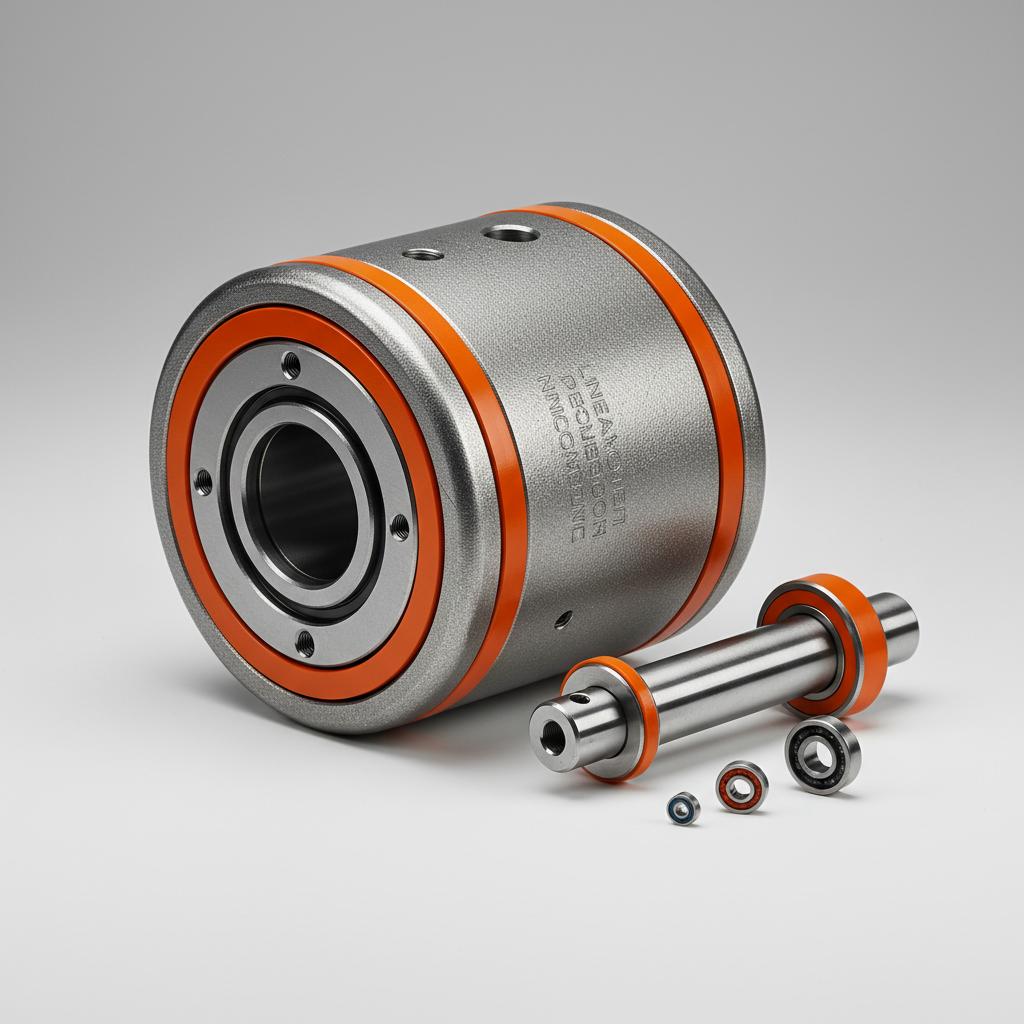
Understanding Antifriction Bearings: A Comprehensive Guide
Antifriction bearings are essential components in countless machines and systems, enabling smooth, efficient rotation. From automotive applications to industrial machinery, these bearings minimize friction between moving parts, reducing wear and tear and maximizing performance. This article provides a deep dive into the world of antifriction bearings, covering different types, applications, selection criteria, and maintenance. We’ll explore how choosing the right bearing can significantly impact the longevity and efficiency of your equipment. Discover the benefits of high-quality antifriction bearings for your specific needs.
Types of Antifriction Bearings
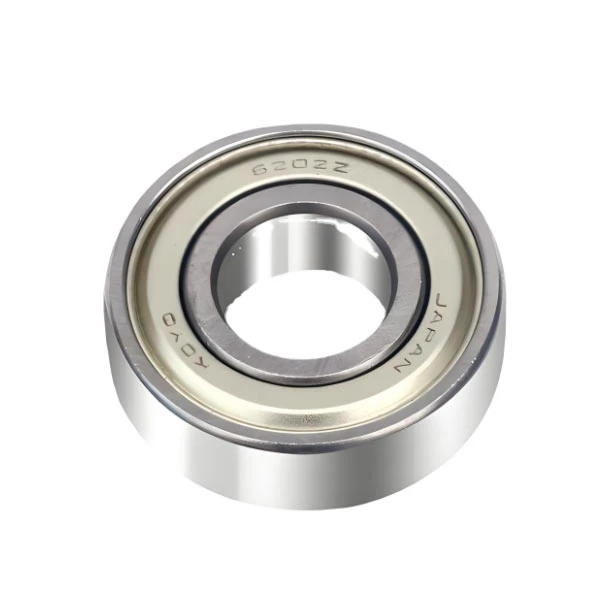
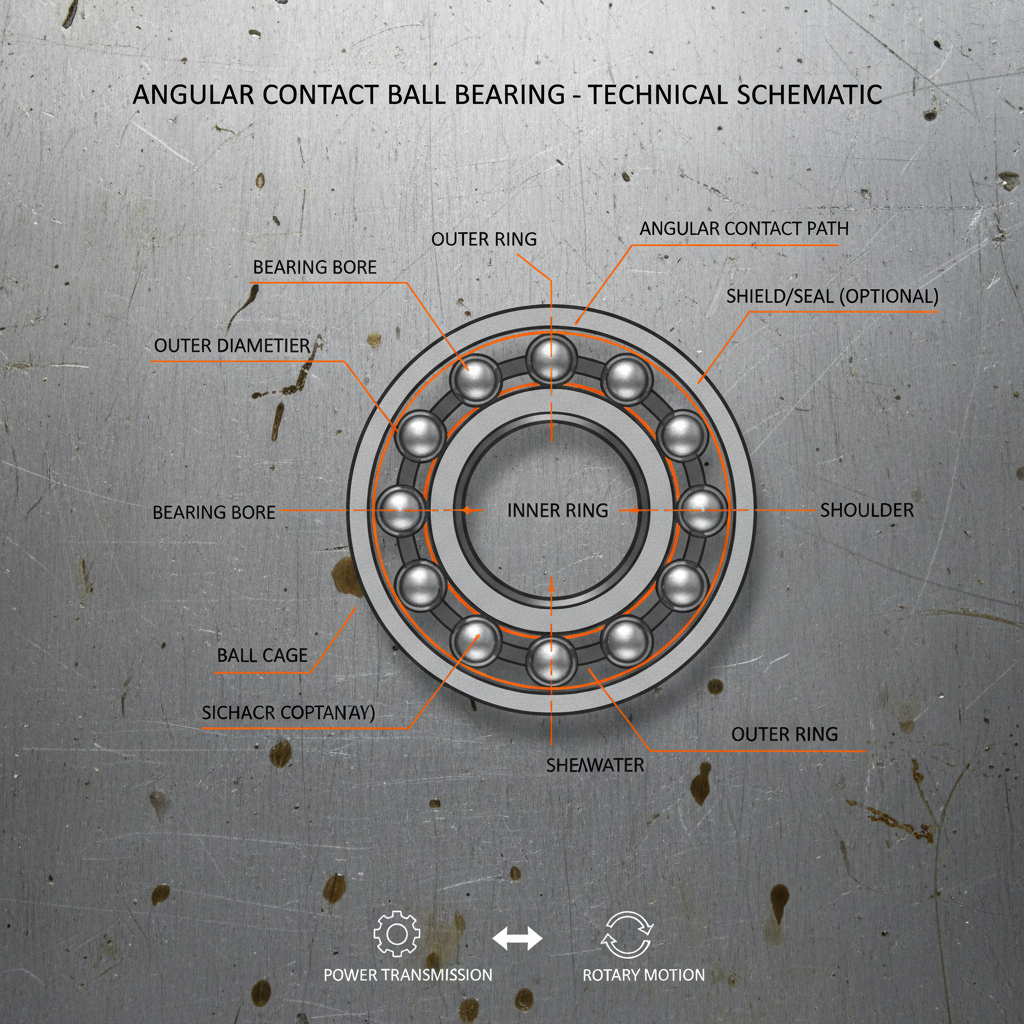
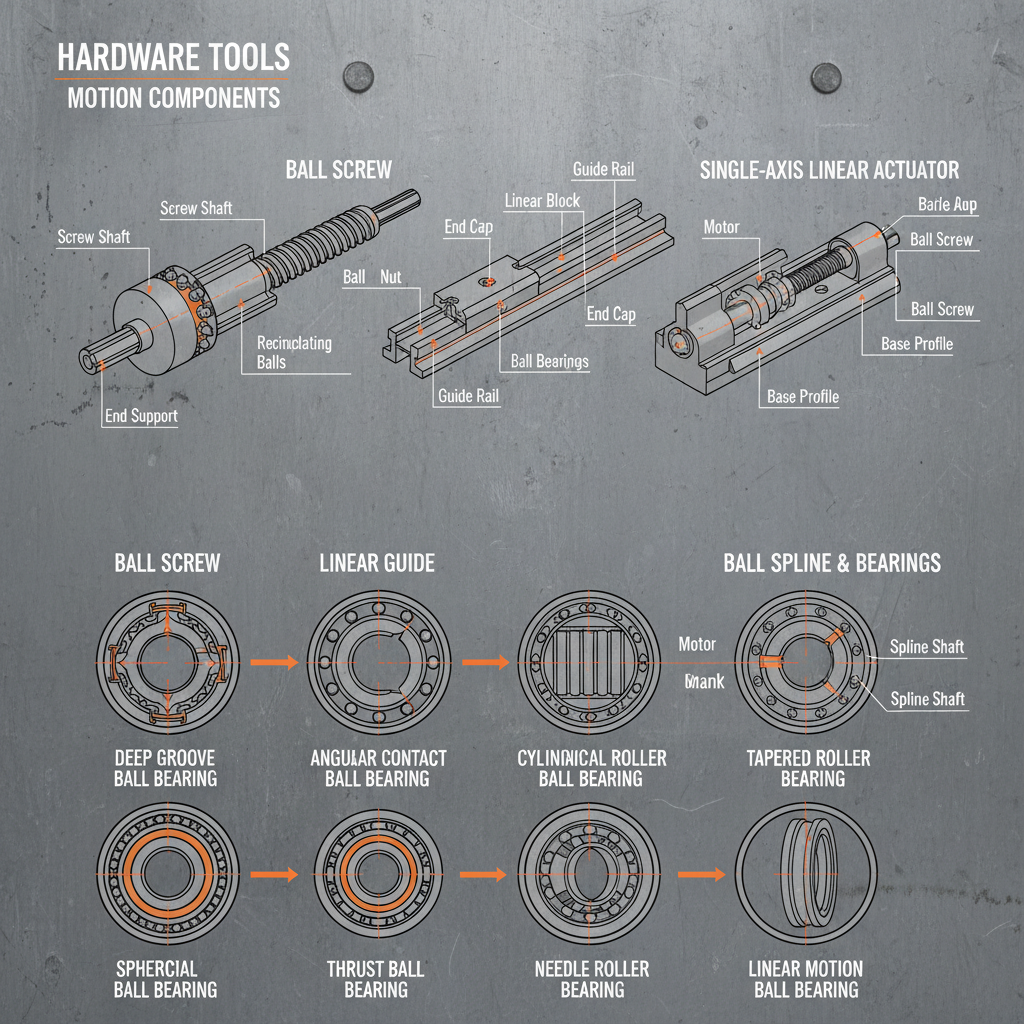
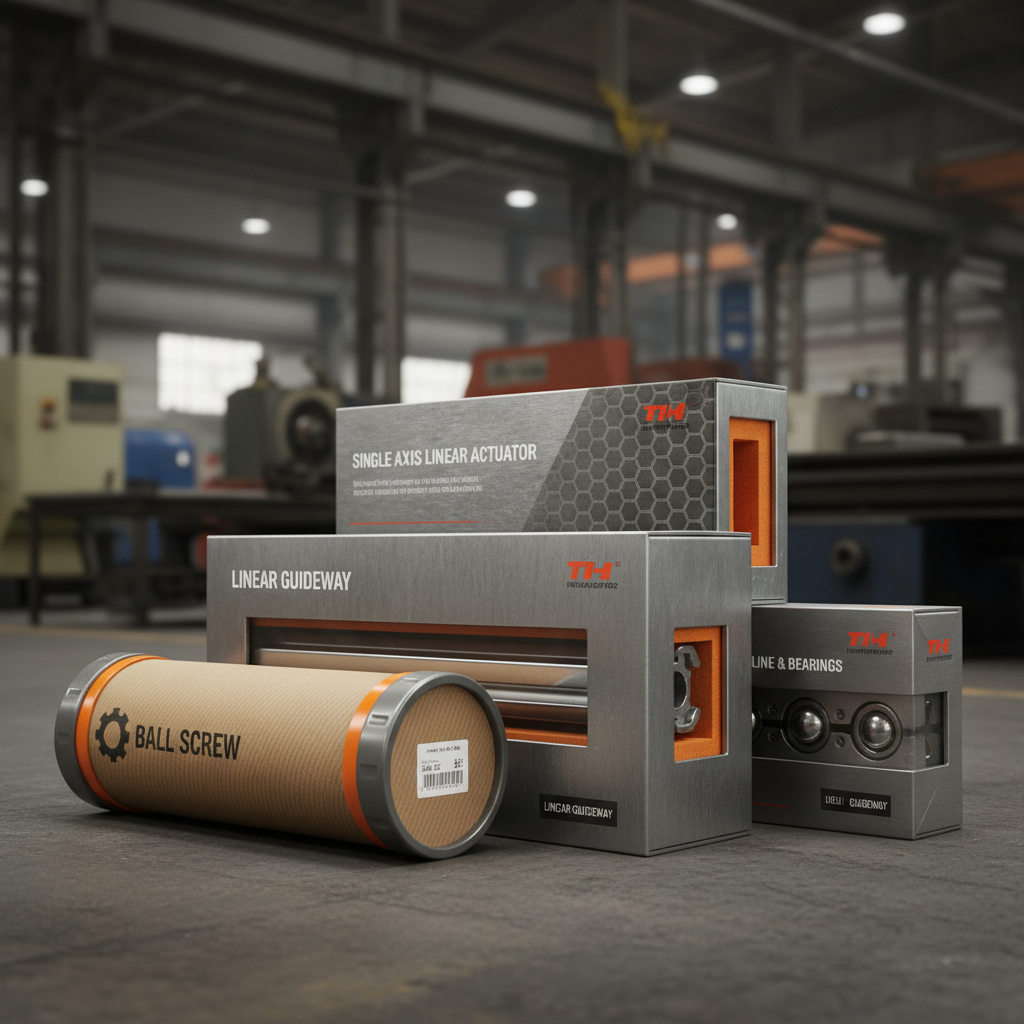
There’s a diverse range of antifriction bearings, each designed for specific applications and load requirements. Common types include ball bearings, roller bearings, needle bearings, and tapered roller bearings. Ball bearings are versatile and suitable for high-speed, light-load applications. Roller bearings, including cylindrical, spherical, and needle roller bearings, excel in handling heavier loads. Tapered roller bearings are designed to support both radial and axial loads. Selecting the appropriate type is crucial for optimal performance and longevity. Understanding the strengths and weaknesses of each type ensures your machinery operates efficiently and reliably. Yidi Bearings provides a wide selection of these bearing types.
Key Consideration: Correct bearing selection directly impacts load capacity, speed limitations, and operational lifespan.
Applications of Antifriction Bearings
Antifriction bearings find application across a remarkably broad spectrum of industries. In the automotive sector, they are critical components in wheels, engines, and transmissions. Industrial machinery, such as pumps, compressors, and conveyors, rely heavily on these bearings for smooth operation. Aerospace applications demand high-precision bearings to withstand extreme conditions. Consumer products, like electric motors and household appliances, also benefit from the efficiency and reliability of antifriction bearings. The diverse demands of these sectors drive continuous innovation in bearing materials and designs.
Industry Applications:
• Automotive
• Industrial Machinery
• Aerospace
• Robotics
• Medical Equipment
Comparing Common Antifriction Bearing Types
Selecting the correct antifriction bearing often involves comparing different types based on their characteristics. Here’s a comparison of the most common types:
Factors Influencing Bearing Selection
Choosing the optimal antifriction bearing requires careful consideration of several key factors. Load type (radial, axial, or combined), operating speed, environmental conditions (temperature, contamination), and required lifespan are all critical. Material selection is also paramount, with options like steel, ceramic, and plastic offering varying levels of performance and durability. A thorough understanding of these factors is essential for ensuring reliable operation and minimizing downtime. Consulting with bearing specialists, such as the team at Yidi Bearings, can provide valuable insights.
Maintenance and Best Practices
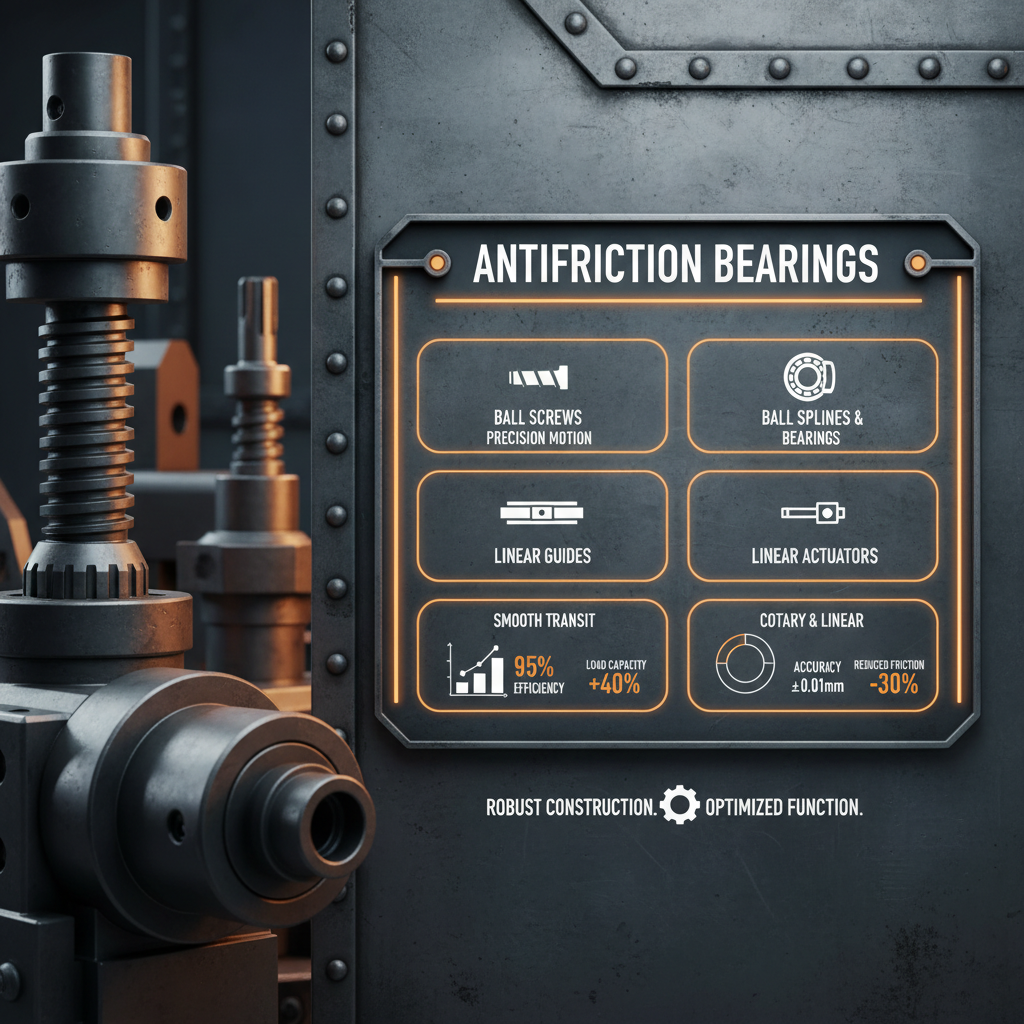
Proper maintenance is vital for extending the lifespan and maximizing the performance of antifriction bearings. Regular lubrication is essential to reduce friction and prevent wear. Monitoring bearing temperature and vibration can help identify potential problems early on. Proper installation techniques are also crucial – misalignment or improper preload can significantly reduce bearing life. Regular inspection and timely replacement of worn bearings are key to preventing catastrophic failures. Following manufacturer's recommendations and adhering to best practices ensures reliable and cost-effective operation.
Conclusion: Investing in Quality and Maintenance
Selecting the right antifriction bearing and implementing a proactive maintenance strategy are crucial for optimal performance and longevity. Yidi Bearings provides high-quality bearings and expert support to ensure your machinery operates reliably and efficiently. Investing in quality and prioritizing maintenance translates to reduced downtime, lower operating costs, and enhanced productivity.
Frequently Asked Questions (FAQs)
What is the primary advantage of using antifriction bearings?
The primary advantage of antifriction bearings is their ability to significantly reduce friction between moving parts. This reduction translates to lower energy consumption, reduced wear and tear on components, and improved overall efficiency of the machinery. Unlike sliding friction bearings, antifriction bearings roll, minimizing energy loss and extending the lifespan of the system. This makes them essential for applications where high performance and reliability are critical.
How do I determine the correct load rating for an antifriction bearing?
Determining the correct load rating involves calculating both static and dynamic loads the bearing will experience during operation. Static load refers to the load the bearing can support when stationary, while dynamic load represents the load it can handle while rotating. Manufacturers provide load ratings in their catalogs. It's crucial to choose a bearing with a load rating that exceeds the calculated loads to ensure a sufficient safety factor and prevent premature failure. Consider the bearing application and its operating conditions.
What is the role of lubrication in antifriction bearing performance?
Lubrication is paramount for optimal antifriction bearing performance. It reduces friction and wear, dissipates heat, and protects bearing surfaces from corrosion. The type of lubricant (grease or oil) and the lubrication method (manual, automatic, oil bath) should be selected based on the bearing type, operating speed, and environmental conditions. Regular relubrication is essential to maintain adequate lubrication levels and prevent bearing failure.