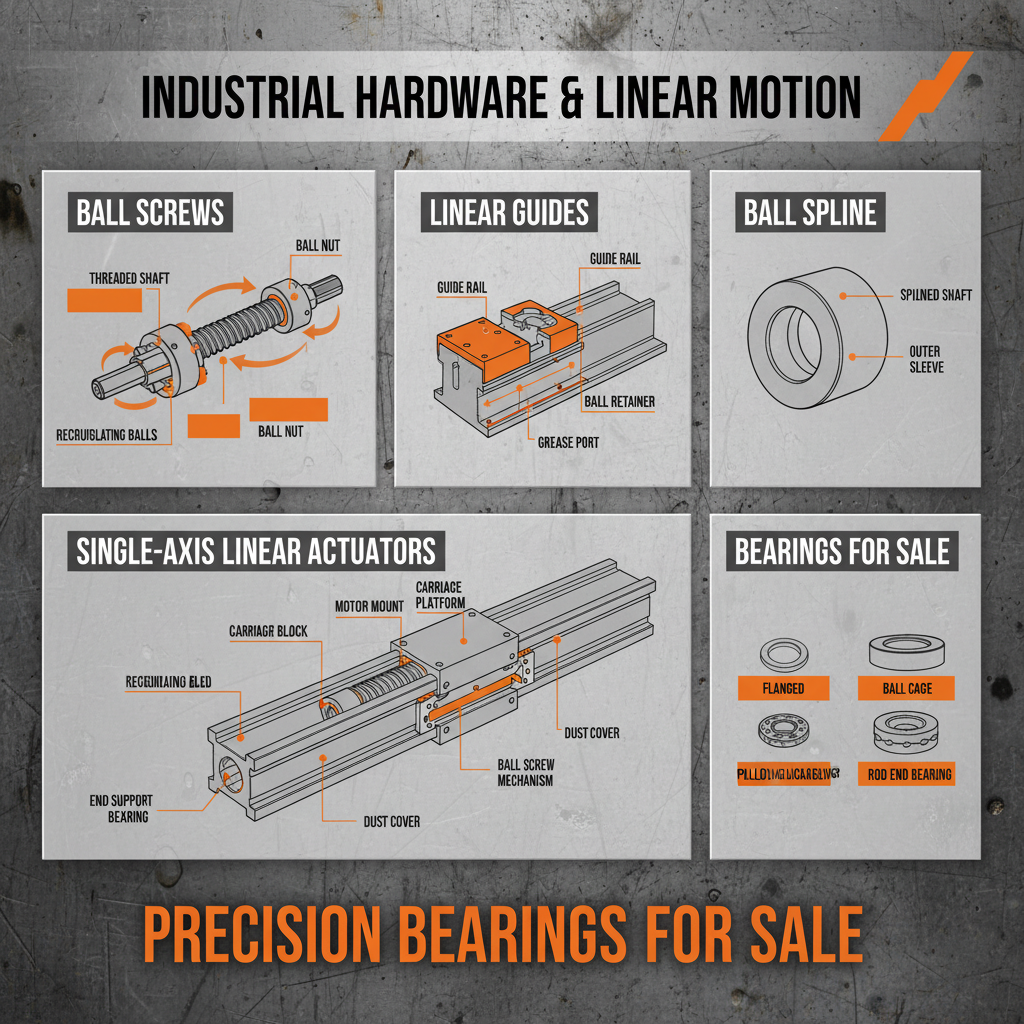
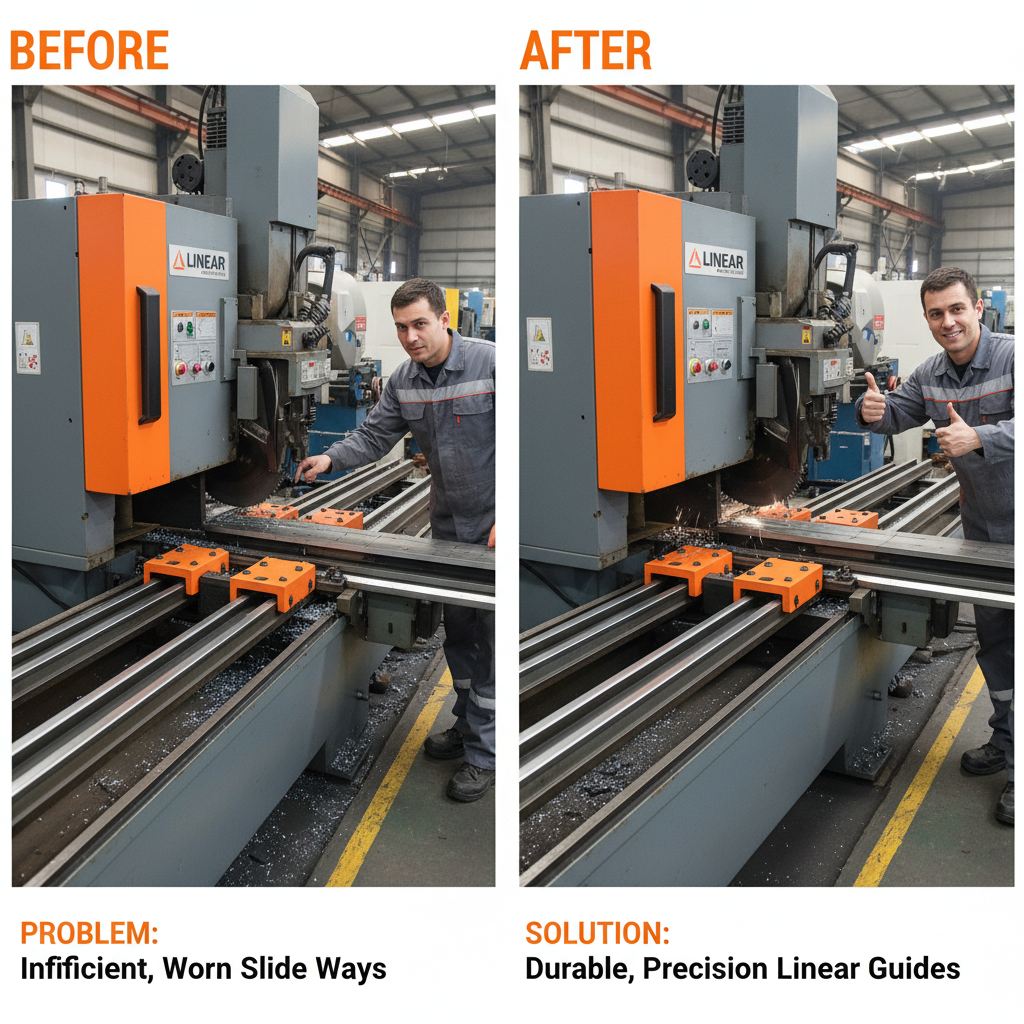
Linear guide price is a crucial consideration across numerous industries, from manufacturing and automation to medical equipment and aerospace. Understanding the factors influencing this price—material costs, precision engineering, manufacturing processes, and demand—is essential for businesses seeking optimal performance and cost-effectiveness. Accurate pricing knowledge allows for informed decision-making, ensuring projects stay within budget and deliver the required level of quality and reliability.
The global linear guide market is experiencing substantial growth, driven by increasing automation in factories, the expanding robotics industry, and the rising demand for high-precision machinery. According to market research reports, the global linear guide market is projected to reach significant values in the coming years, showcasing the increasing reliance on these components. This growth necessitates a thorough understanding of the determinants of linear guide price to navigate the evolving market landscape effectively.
Ultimately, a well-informed understanding of linear guide price isn’t just about acquiring components; it's about optimizing performance, improving efficiency, and driving innovation within a multitude of applications. Choosing the right linear guide at the right price directly impacts the success of projects, influencing everything from production speed and accuracy to long-term operational costs and overall product quality.
The Importance of Understanding Linear Guide Price
Effective budgeting and project planning heavily rely on accurately predicting and understanding the linear guide price. Fluctuations in raw material costs, like steel and specialized alloys, directly impact the final price. Furthermore, the precision grade required – whether for general industrial applications or highly sensitive scientific instruments – plays a significant role in determining the overall cost.
Beyond initial acquisition costs, considering the total cost of ownership is crucial. This includes factors like maintenance requirements, potential downtime, and the lifespan of the linear guide. A seemingly cheaper option might prove more expensive in the long run if it requires frequent replacements or results in production disruptions, demonstrating the need for a holistic view when evaluating linear guide price.
Global Context and Market Dynamics
The global linear guide market is currently valued at billions of dollars and is anticipated to continue its expansion. Key regions driving this growth include Asia-Pacific, particularly China and India, due to rapid industrialization and increasing automation. North America and Europe also represent significant markets, driven by advanced manufacturing and technological innovation. These regional variations in demand contribute to fluctuations in linear guide price.
Global supply chain disruptions, geopolitical events, and currency exchange rates can all exert considerable influence on the linear guide price. For instance, tariffs imposed on imported steel can increase manufacturing costs, which are then passed on to the consumer. Similarly, shortages of critical components or raw materials can lead to price hikes and longer lead times. Understanding these external factors is crucial for anticipating price movements.
The competitive landscape of the linear guide market is also a critical determinant of price. Numerous manufacturers compete for market share, offering a range of products with varying levels of quality and features. This competition can drive down prices, but it also necessitates careful evaluation to ensure the selected linear guide meets the required performance standards and long-term reliability requirements.
Defining Linear Guide Price
Linear guide price isn't simply a fixed number; it represents the total cost associated with acquiring and implementing a linear motion system. This encompasses the cost of the linear guides themselves, as well as any associated components like linear bearings, mounting hardware, and lubrication systems. It's also important to factor in the cost of engineering support, installation, and training.
The pricing model can vary significantly between suppliers. Some offer standardized pricing based on catalogue specifications, while others provide customized quotes tailored to specific application requirements. Understanding these different pricing approaches is vital for accurate cost comparison. Additionally, the level of customization, such as special lengths, materials, or preload settings, will invariably impact the final linear guide price.
Modern applications increasingly demand high-precision, high-speed, and high-load-capacity linear guides, driving up the price due to the more sophisticated manufacturing processes and materials required. This reflects a shift from commodity pricing toward value-based pricing, where the price reflects the performance and benefits delivered by the linear guide.
Core Factors Influencing Linear Guide Price
Several core factors significantly impact the linear guide price. The first is material quality. Linear guides constructed from high-grade steel alloys, often heat-treated for increased durability, command a higher price point than those made from less expensive materials. Secondly, precision and accuracy are paramount. Guides requiring tighter tolerances and smoother motion will inevitably cost more.
Load capacity is another critical factor. Linear guides designed to support heavier loads and withstand greater forces will generally be more expensive due to the increased material requirements and robust construction. Guide length and size also directly correlate with price; longer and larger guides require more material and more complex manufacturing processes. Finally, manufacturer reputation and brand recognition can also influence price, as established brands often charge a premium for their quality and reliability.
Comparison of Linear Guide Price Factors
Applications and Industry Use Cases
Linear guides are integral to a vast array of applications across diverse industries. In the manufacturing sector, they are essential components in CNC machines, automated assembly lines, and robotics systems, enabling precise and efficient movements. The medical device industry utilizes linear guides in surgical robots, diagnostic equipment, and imaging systems, where accuracy and reliability are paramount.
The aerospace industry leverages linear guides in aircraft flight control systems, landing gear mechanisms, and satellite deployment systems, demanding high load capacities and exceptional durability. Even consumer products, like 3D printers and high-end camera sliders, rely on linear guides for smooth and precise operation. These varied applications demonstrate the widespread demand and influence on linear guide price.
The Advantages and Long-Term Value
Investing in high-quality linear guides, even at a higher initial price, often translates to significant long-term benefits. Reduced maintenance requirements and extended lifespan lead to lower operational costs. Improved accuracy and efficiency translate into increased productivity and reduced scrap rates. Furthermore, enhanced reliability minimizes downtime and prevents costly disruptions to production processes.
Beyond purely economic advantages, utilizing reliable linear guides contributes to improved product quality, enhanced worker safety, and a strengthened brand reputation. The peace of mind that comes from knowing your system is built on a robust and dependable foundation is an intangible yet valuable benefit.
Future Trends and Innovations
The future of linear guide technology is focused on enhanced performance, reduced friction, and increased efficiency. Developments in materials science are leading to the creation of lighter, stronger, and more durable linear guides. The integration of smart sensors and predictive maintenance algorithms will enable proactive monitoring and prevent unexpected failures.
Furthermore, advancements in lubrication technology are reducing friction and energy consumption. The increasing adoption of Industry 4.0 principles and the Industrial Internet of Things (IIoT) will drive demand for linear guides with integrated connectivity and data analytics capabilities. These innovations will likely impact the linear guide price landscape, potentially leading to higher initial costs for advanced features but significant long-term savings.
The growing emphasis on sustainability is also driving the development of eco-friendly linear guides, utilizing recyclable materials and energy-efficient designs. This shift towards green manufacturing practices will likely become a significant factor influencing consumer preferences and ultimately, the linear guide price.
FAQS
The primary drivers of linear guide price are material quality (high-grade steel alloys), precision level (tighter tolerances), load capacity (heavy-duty applications), guide length and size, and the manufacturer's brand reputation. Customizations, such as special coatings or preload settings, also increase costs.
Linear guides made from premium materials like hardened steel alloys or ceramic composites are significantly more expensive than those made from standard carbon steel. These materials offer superior durability, load capacity, and corrosion resistance, justifying the higher price for demanding applications.
Higher precision levels – meaning tighter tolerances and smoother motion – require more sophisticated manufacturing processes and quality control measures. This translates directly into a higher linear guide price. Applications requiring extreme accuracy, like semiconductor manufacturing, demand the most precise (and expensive) guides.
Consider optimizing your application's requirements. Do you truly need the highest precision level or load capacity? Explore alternative materials or standardized sizes. Also, comparing quotes from multiple reputable suppliers can reveal potential cost savings. Finally, consider the total cost of ownership, not just the initial purchase price.
Lead times for custom linear guides can vary widely, from several weeks to several months, depending on the complexity of the design and the supplier’s workload. Expedited production often incurs a premium cost. Planning ahead and allowing ample lead time can help avoid rush charges and potentially secure a better linear guide price.
Advancements in materials science, such as the development of novel alloys and composite materials, could lead to lighter and stronger linear guides at lower costs. Furthermore, the integration of smart sensors and AI-powered predictive maintenance systems could reduce downtime and extend lifespan, impacting the total cost of ownership and potentially influencing initial pricing strategies.
Conclusion
Understanding linear guide price is not merely about finding the cheapest option, but rather about making informed decisions based on a holistic assessment of performance, reliability, and long-term value. Factors such as material quality, precision levels, load capacity, and manufacturer reputation all play critical roles in determining the final cost. By considering these elements and recognizing the broader market dynamics, businesses can optimize their investments and ensure they receive the best possible solution for their specific needs.
As technology continues to evolve, we can expect further innovations in linear guide design and manufacturing, potentially impacting both price and performance. Staying abreast of these trends—including advancements in materials science, smart sensors, and sustainable practices—will be crucial for navigating the future landscape and maximizing the benefits of this essential component. For superior linear guides and competitive linear guide price, visit our website today.