Rack and pinion suppliers are fundamental components in a vast array of industrial and commercial applications, ranging from automotive steering systems to complex robotic arms. The global demand for reliable and high-precision rack and pinion systems continues to grow, driven by advancements in manufacturing, automation, and infrastructure development. Understanding the capabilities and nuances of different rack and pinion suppliers is crucial for engineers, designers, and procurement professionals seeking optimal performance and cost-effectiveness.
The significance of these suppliers extends beyond simply providing parts; they often offer expertise in design optimization, material selection, and quality control. This expertise is vital in industries where precision and durability are paramount. Furthermore, supply chain resilience and the ability of rack and pinion suppliers to meet fluctuating demand are becoming increasingly critical in a globalized and interconnected economy.
Investing in quality rack and pinion components and establishing strong relationships with reputable suppliers translates directly to improved product reliability, reduced downtime, and enhanced operational efficiency across numerous sectors. A robust supply chain for these components underpins innovation and competitiveness in modern manufacturing.
The Global Importance of Rack and Pinion Suppliers
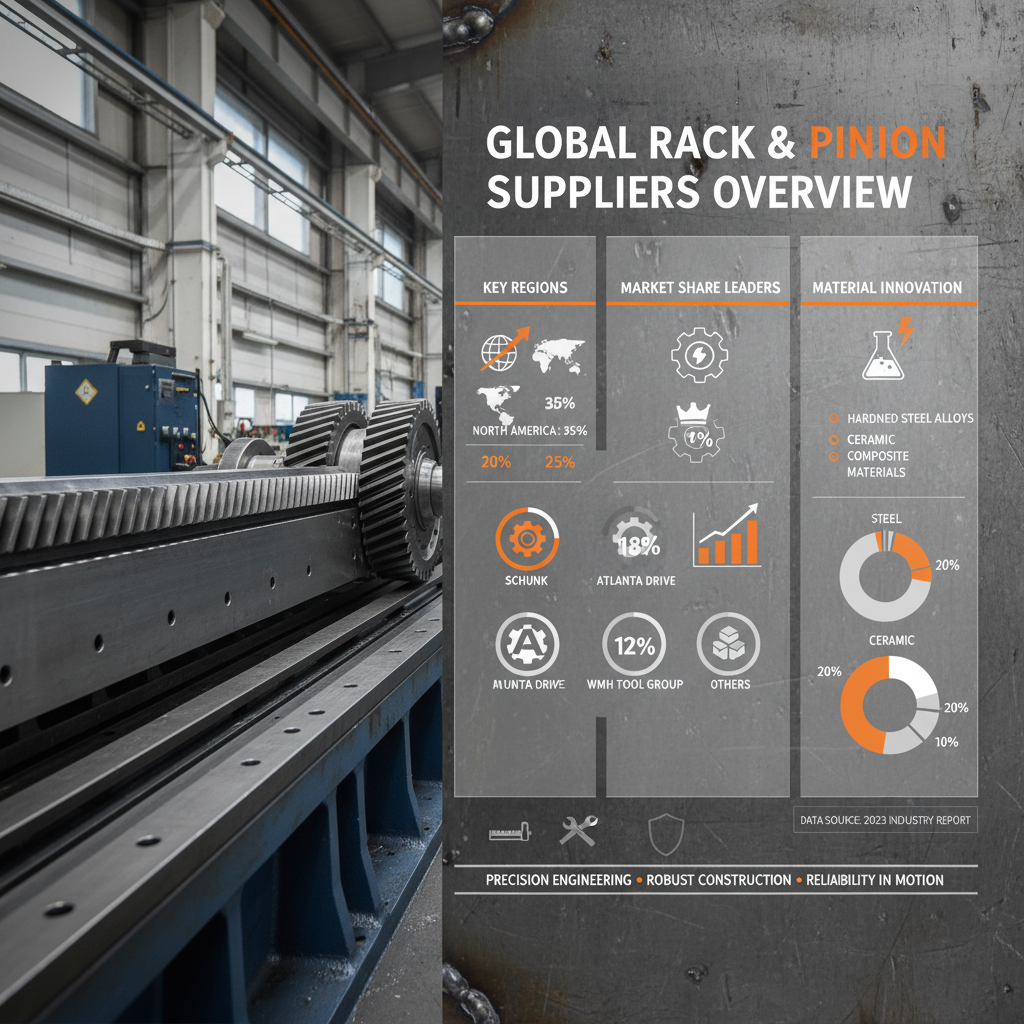
The global market for rack and pinion systems is experiencing consistent growth, estimated at USD 8.5 billion in 2023 and projected to reach USD 12.2 billion by 2030, according to a report by IndustryARC. This growth is fueled by increased automation in manufacturing, expanding automotive production, and rising demand for robotics across various sectors. Rack and pinion suppliers play a crucial role in this global supply chain.
A significant challenge facing industries reliant on these systems is ensuring the consistent quality and timely delivery of components, particularly amid geopolitical instability and supply chain disruptions. Effective collaboration with dependable rack and pinion suppliers is therefore paramount for mitigating these risks and maintaining operational continuity.
Defining Rack and Pinion Suppliers
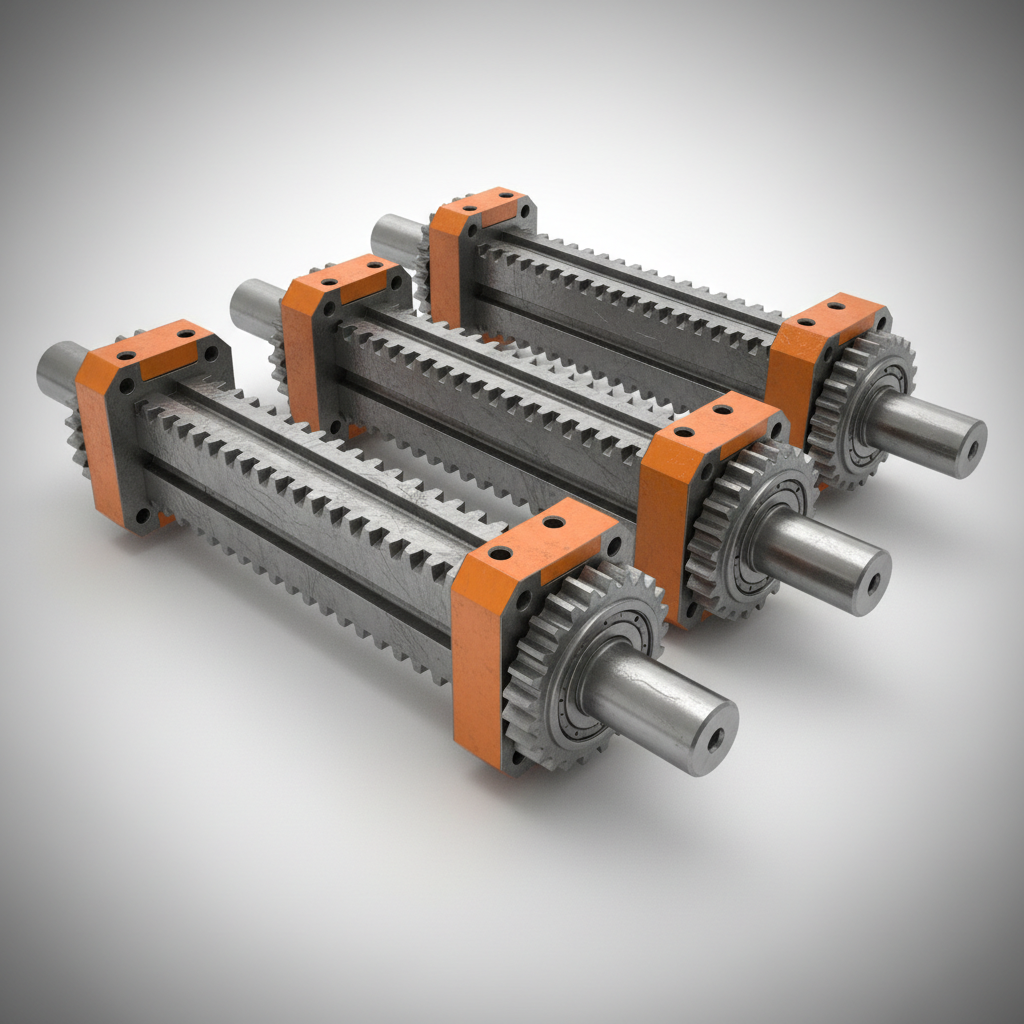
Rack and pinion suppliers are companies specializing in the design, manufacturing, and distribution of rack and pinion mechanisms. A rack and pinion is a type of linear actuator that comprises a circular pinion engaging teeth along a linear rack. This configuration converts rotational motion into linear motion, or vice-versa.
These suppliers cater to a diverse clientele, including automotive manufacturers, robotics companies, industrial machinery producers, and even specialized engineering firms. They provide both standard, off-the-shelf components and custom-engineered solutions tailored to specific application requirements. Selecting the right rack and pinion supplier demands careful evaluation of their capabilities.
The connection to modern industry is undeniable. From the steering systems in our cars to the precision positioning in automated manufacturing lines, rack and pinion mechanisms are integral to countless processes. Their reliability and efficiency directly impact the performance and safety of these systems.
Key Characteristics of Excellent Suppliers
Excellent rack and pinion suppliers distinguish themselves through several key characteristics. First, they maintain rigorous quality control standards, employing advanced inspection techniques and adhering to industry certifications like ISO 9001. This ensures consistent product performance and minimizes the risk of failures.
Secondly, they offer a broad range of materials and customization options to meet diverse application needs. This includes various steel alloys, plastics, and coatings, as well as the ability to modify gear ratios, tooth profiles, and mounting configurations. A responsive and technically proficient engineering team is vital for this customization process.
Finally, leading suppliers prioritize responsive customer service, providing timely quotes, technical support, and efficient order fulfillment. They understand the importance of minimizing downtime for their clients and strive to provide proactive communication throughout the entire process.
Core Components and Their Impact
The quality of a rack and pinion system relies heavily on the individual components and their precise integration. Key elements include the pinion gear, the rack, bearings, and housing. The pinion’s material and heat treatment directly influence its strength and wear resistance.
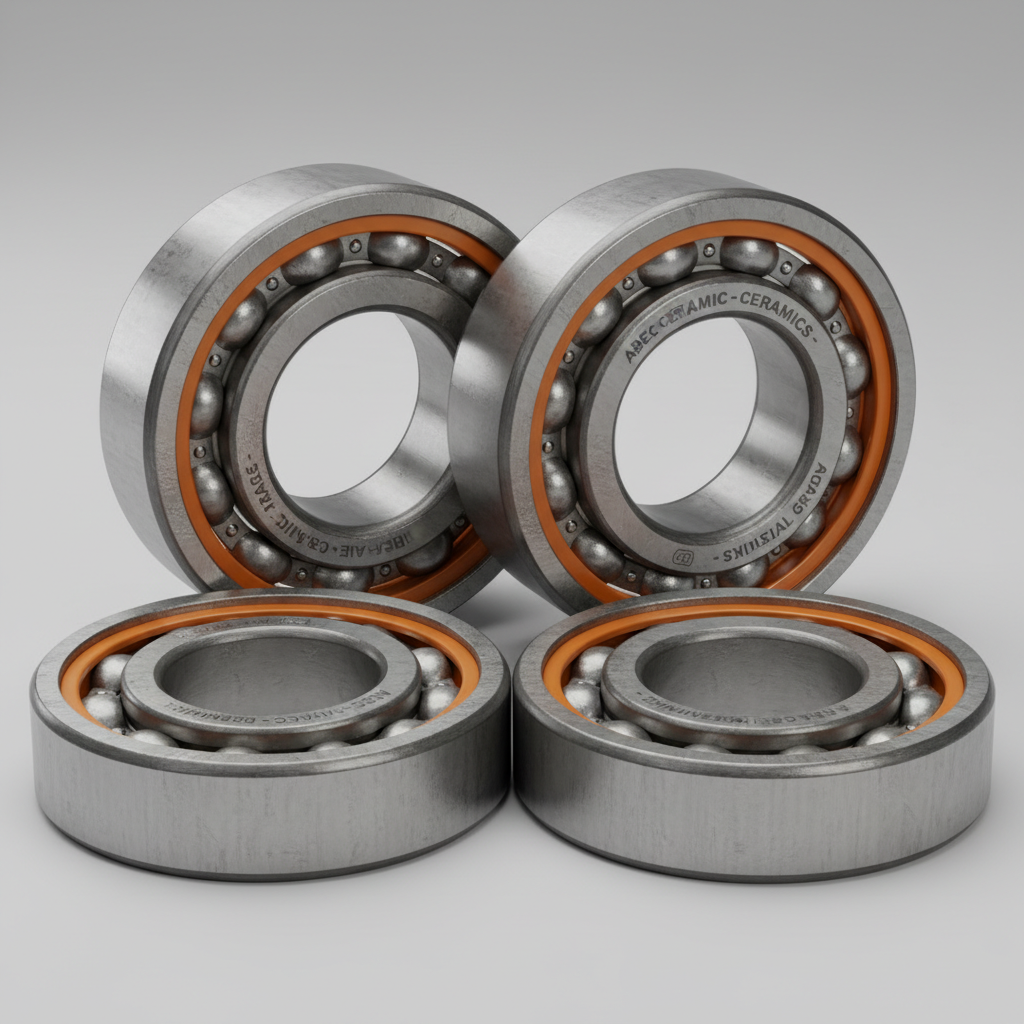
The rack’s accuracy and surface finish affect the smoothness and precision of linear motion. High-quality bearings are essential for reducing friction and ensuring efficient power transmission. Choosing a rack and pinion supplier capable of delivering consistently high-quality components across all these areas is critical for long-term system performance.
Component Impact on System Performance
Applications Across Industries
Rack and pinion systems find widespread use in numerous industries. In the automotive sector, they are fundamental to steering mechanisms, providing precise control and responsiveness. In industrial automation, they are employed in CNC machines, robotic arms, and conveyor systems for accurate positioning and movement.
Aerospace applications utilize rack and pinion systems in flight control surfaces and landing gear actuators. Furthermore, they are increasingly integrated into medical equipment, such as surgical robots and diagnostic imaging systems, demanding the highest levels of precision and reliability from rack and pinion suppliers.
Long-Term Benefits and Value Proposition
Investing in high-quality rack and pinion systems from reputable suppliers delivers substantial long-term benefits. Reduced maintenance costs, extended operational lifespan, and improved system performance contribute to significant cost savings over time. These systems offer a compelling return on investment.
Beyond financial gains, reliable rack and pinion mechanisms enhance safety, minimize downtime, and contribute to greater efficiency across various applications. A trusted rack and pinion supplier provides peace of mind and supports continuous operational improvement.
The value proposition extends to sustainability as durable, long-lasting components reduce the need for frequent replacements, minimizing waste and environmental impact.
Future Trends and Innovation in the Sector
The future of rack and pinion technology is focused on several key trends. Advancements in materials science are leading to lighter, stronger, and more wear-resistant components. Integration with smart sensors and IoT technologies is enabling predictive maintenance and remote monitoring of system performance.
Additive manufacturing (3D printing) is opening up new possibilities for customized designs and rapid prototyping. Furthermore, research into more efficient lubrication systems and advanced gear geometries is aimed at reducing friction and improving energy efficiency. Rack and pinion suppliers are at the forefront of these innovations.
The industry is also responding to the growing demand for sustainable solutions, exploring the use of bio-based materials and environmentally friendly manufacturing processes.
Key Performance Indicators for Rack and Pinion Suppliers
| Component Quality |
Lead Time Reliability |
Customization Capabilities |
Technical Support Quality |
| Material Composition Accuracy |
On-Time Delivery Rate |
Design Modification Flexibility |
Responsiveness to Technical Queries |
| Dimensional Precision |
Order Fulfillment Speed |
Tolerance Adherence |
Engineering Expertise Availability |
| Surface Finish Quality |
Communication Effectiveness |
Material Selection Guidance |
Problem Solving Proficiency |
| Heat Treatment Consistency |
Inventory Management |
Prototyping Services |
Documentation Quality |
| Corrosion Resistance |
Shipping & Handling Efficiency |
Cost-Effectiveness of Customization |
Post-Sales Support |
| Wear Resistance |
Supply Chain Transparency |
Compliance with Industry Standards |
Training & Education Resources |
FAQS
Choosing the right rack and pinion supplier requires careful consideration of several factors. Quality control certifications (like ISO 9001), material options, customization capabilities, lead times, and responsive technical support are crucial. Evaluate their experience in your specific industry and their ability to meet your precise application requirements. Don't hesitate to request samples and thoroughly assess their quality before committing to a large order.
Ensuring quality starts with selecting a supplier with a proven track record and robust quality control processes. Request documentation of material certifications, dimensional inspections, and performance testing. Consider conducting your own independent quality checks upon receipt of components. Look for suppliers who utilize advanced inspection techniques, such as coordinate measuring machines (CMMs).
Common materials include various steel alloys (e.g., carbon steel, alloy steel, stainless steel) for their strength and durability. Plastics, such as nylon and Delrin, are used in applications requiring lower friction and weight. The optimal material depends on factors like load capacity, operating environment, and desired lifespan. Rack and pinion suppliers can provide guidance on material selection.
Lead times for custom components vary significantly based on complexity, material availability, and the supplier’s workload. Generally, expect lead times ranging from 4 to 12 weeks. Clear communication with the supplier regarding your specific requirements and anticipated volume is essential for accurate lead time estimates. Suppliers offering rapid prototyping services can expedite the process.
Regular lubrication is paramount. Use the lubricant recommended by the rack and pinion supplier and follow a consistent lubrication schedule. Protect the system from contaminants, such as dust and debris. Conduct periodic inspections to identify and address any signs of wear or damage. Properly aligning the components is also crucial for minimizing friction and extending lifespan.
Rack and pinion systems offer several advantages, including high accuracy, high load capacity, and relatively simple construction. They provide a direct and efficient conversion of rotational motion to linear motion, making them well-suited for applications demanding precise positioning. They are also often more compact and cost-effective than alternative linear actuators like ball screws or linear motors.
Conclusion
In conclusion, rack and pinion suppliers are vital to the functioning of numerous industries, underpinning automation, precision engineering, and efficient manufacturing processes. The selection of a reliable and capable supplier is paramount for ensuring optimal system performance, minimizing downtime, and achieving long-term cost savings. Focusing on quality, customization, and responsive support will yield significant benefits.
Looking ahead, advancements in materials, manufacturing techniques, and smart technologies will continue to shape the future of rack and pinion systems. By embracing these innovations and fostering strong partnerships with forward-thinking suppliers, businesses can unlock new levels of efficiency, reliability, and sustainability. Visit our website at www.yidibearings.com to learn more about how we can help you meet your rack and pinion needs.