The Essential Guide to Industrial Bearings in Modern Manufacturing
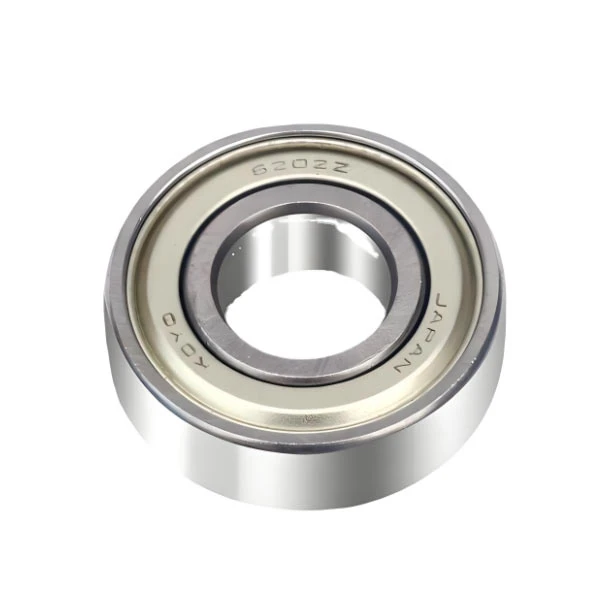
In the heart of every automated machine, from precision robotic arms to heavy-duty conveyor systems, lies a critical component: industrial bearings. These components are designed to reduce friction between moving parts, supporting radial and axial loads while ensuring smooth rotational or linear motion. For manufacturers in the general equipment sector, selecting the right bearing is not just about functionality—it is about maximizing equipment lifespan and minimizing costly downtime. In this guide, we explore how high-performance bearings drive efficiency in today's competitive industrial landscape.

Core Functions of High-Precision Industrial Bearings
The primary purpose of industrial bearings is to manage friction and support loads. By replacing sliding friction with rolling friction, these components significantly reduce energy consumption and heat generation. In high-precision scenarios, such as PCB cutting or laser processing, the bearing's ability to maintain tight tolerances is what determines the final product quality. Precision linear motion, achieved through the integration of ball screws and linear guides, allows for micron-level positioning accuracy, which is indispensable in the automation equipment industry.
Key Insight: Reducing friction doesn't just save energy; it prevents premature wear and tear on motor drives and transmission parts, extending the overall ROI of the machinery.
Types of Industrial Bearings and Their Applications
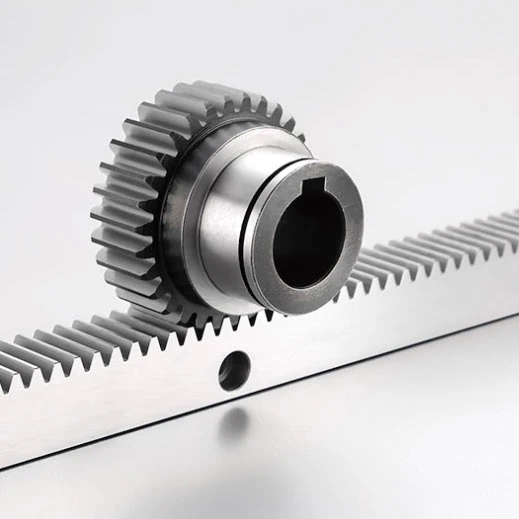
Depending on the load direction and speed requirements, different types of industrial bearings are employed. Ball bearings are ideal for high-speed, low-load applications, whereas roller bearings are designed for heavy-duty capacities. For modular motion units like the LDG16 screw linear module, a combination of linear guides and ball screws is used to achieve a balance between rigidity and lightweight design. This versatility allows them to be used across various sectors, including precision inspection and automated handling.
Common Application Scenarios:
• PCB Cutting: Requires extreme stability and low vibration.
• Laser Processing: Demands high-speed precision and rapid positioning.
• Precision Inspection: Needs consistent repeatability over millions of cycles.
Comparing Linear Modules with Standard Industrial Bearings
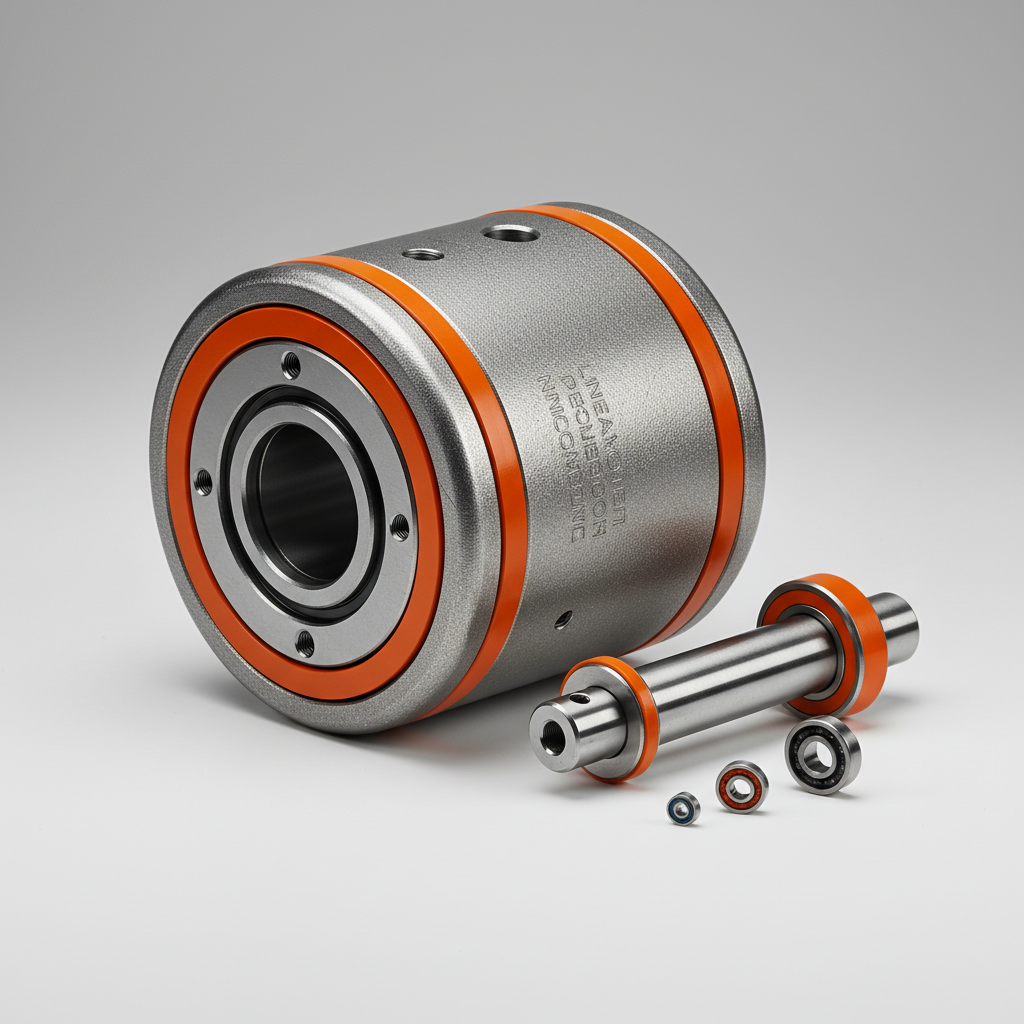
While standard industrial bearings provide the foundation for motion, modular units like the LDG16 take it a step further by integrating the bearing with a drive mechanism. This integration reduces assembly time and ensures that the components are perfectly aligned from the factory. For engineers, choosing between a custom-built bearing assembly and a pre-integrated module often comes down to a trade-off between absolute customization and rapid deployment efficiency.
Optimizing Performance with Industrial Bearings
To get the most out of industrial bearings, proper lubrication and maintenance are non-negotiable. Contamination from dust or metal shavings can lead to pitting and premature failure. Using high-grade synthetic lubricants and implementing a scheduled cleaning cycle can extend the operational life of a bearing by up to 50%. Additionally, ensuring that the mounting surfaces are perfectly flat prevents uneven load distribution, which is the leading cause of bearing noise and vibration in manufacturing equipment.

Technical Specifications for Bearing Modules
When sourcing industrial bearings within a modular unit like the LDG16, it is essential to review the technical specifications to ensure compatibility with your motor drive and load requirements. The balance between rigidity and weight is critical for high-acceleration movements. Below are the typical specifications found in medium-sized screw linear modules:
Future Trends in Bearing Manufacturing
The future of industrial bearings is leaning toward "smart" components. Integrating sensors directly into the bearing housing allows for real-time monitoring of vibration and temperature. This enables predictive maintenance, where the system alerts the operator before a failure occurs. Furthermore, the development of new ceramic hybrids is reducing weight while increasing heat resistance, allowing machines to run faster and longer without compromising on precision.
Conclusion: Enhancing Efficiency with Quality Bearings
Choosing the right industrial bearings is a fundamental decision that impacts every aspect of manufacturing productivity. From the precision of a laser cutter to the durability of heavy machinery, the quality of motion components defines the quality of the output. By prioritizing high-precision modules and rigorous maintenance, manufacturers can achieve a seamless blend of rigidity, speed, and longevity. Invest in quality today to ensure an uninterrupted tomorrow.
Frequently Asked Questions (FAQs)
How do I choose the right industrial bearing for my application?
Choosing the right bearing requires an analysis of three main factors: the load type (radial vs. axial), the operating speed, and the environmental conditions. For high-load, low-speed tasks, roller bearings are generally preferred. For high-speed, precision movements—such as those in PCB cutting—ball bearings or integrated linear modules like the LDG16 are superior. Always consider the available space and the required precision tolerance before making a final selection to ensure the bearing integrates perfectly with your motor drive.
What are the signs that a bearing needs replacement?
The most common indicators of bearing failure are increased noise (grinding or squealing), excessive vibration, and an increase in operating temperature. If you notice a drop in positioning accuracy or an increase in motor current (indicating higher friction), it is likely that the industrial bearings are worn out. Regular lubrication can delay these signs, but once physical wear occurs, immediate replacement is necessary to prevent catastrophic machine failure.
What is the advantage of a screw linear module over a simple guide rail?
A screw linear module integrates the bearing, the guide rail, and the drive screw into a single unit. The primary advantage is the elimination of alignment errors that occur when assembling these parts separately. It provides higher rigidity and more precise control over the linear motion, which is essential for handling and processing scenarios in automation. This integration significantly reduces the time from design to operation and ensures a more stable performance under varying loads.
How does lubrication impact the life of industrial bearings?
Lubrication is the lifeblood of any bearing. It creates a thin film between the rolling elements and the races, preventing metal-to-metal contact. Without proper lubrication, friction increases rapidly, leading to overheating and "spalling" (surface peeling). Using the correct lubricant for your specific environment—whether it is high-temperature grease or low-friction oil—can double the lifespan of your industrial bearings and ensure smooth operation.