Ball Screw vs Acme Screw: Which Linear Motion Solution Fits Your Operation?
Sourcing the right lead screw for your machinery isn't just about specs on paper. It's about matching real-world performance to your production line demands. Whether you're retrofitting CNC equipment or specifying new automation setups, the ball screw versus Acme screw debate comes up often. We've seen procurement teams wrestle with this in factories from Ohio to Ontario.
Table of Contents
The Stakes in Ball Screw vs Acme Screw Selection
In linear motion systems, the choice between a ball screw and an Acme screw boils down to precision needs, load capacity, and duty cycle. Ball screws recirculate steel balls between the screw and nut, slashing friction to under 1% in high-speed ops. Acme screws, with their trapezoidal threads, handle heavier axial loads but wear faster under continuous use.
We've shipped both types to assembly lines in the US Midwest. Procurement managers often ask: will a ball screw justify the upfront cost in a packaging machine running 24/7? Or does an Acme screw suffice for intermittent positioning in a woodworking router?
Consider lifecycle. A typical 20mm dia ball screw might log 50,000+ hours before noticeable backlash creeps in. Acme versions? Closer to 10,000 in similar setups, based on field reports from our OEM partners. That's downtime you can't ignore when output targets loom.
But it's not black-and-white. Budget constraints hit hard. An Acme screw setup can run 40-60% less initial outlay. For low-precision apps like manual adjustments on test benches, it's plenty. The trick is knowing your envelope.
Global supply chains add layers. Lead times from China factories hover at 4-6 weeks for custom ball screws, versus 2-4 for stock Acme. Container loads pack tighter with standardized Acme profiles, easing freight from Hebei ports to Long Beach.
Our team at YIDI Motion deals with this daily. Established in 2020, we've scaled to exporting ball screws and linear guides to over 50 countries. German and Japanese CNC machines in our shop floor ensure tolerances hold to DIN standards. Talking specifics? Reach out for a no-obligation spec sheet tailored to your CAD drawings.
Technical Deep Dive: Ball Screws Unpacked
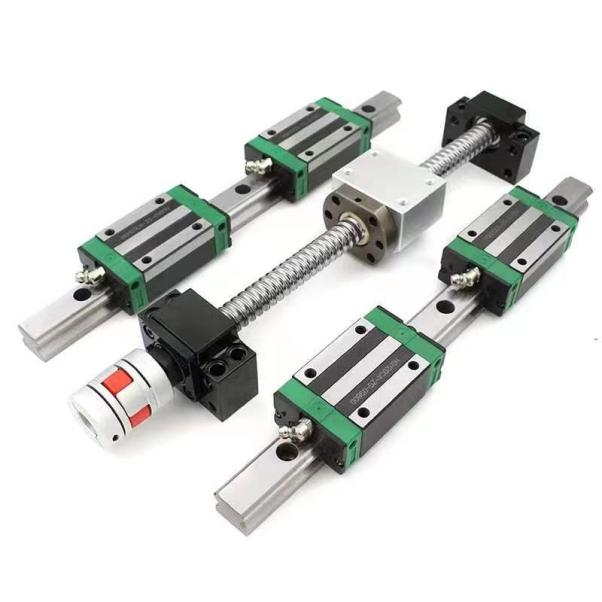
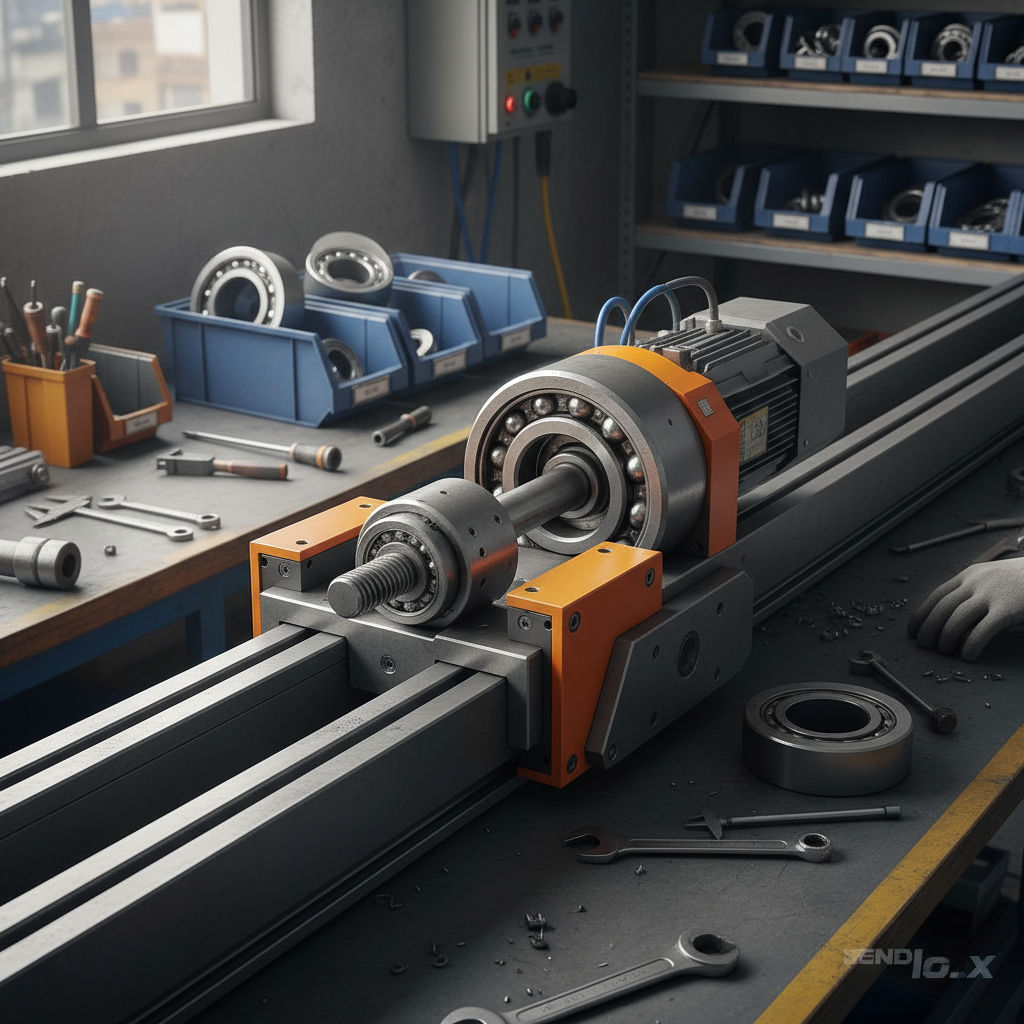
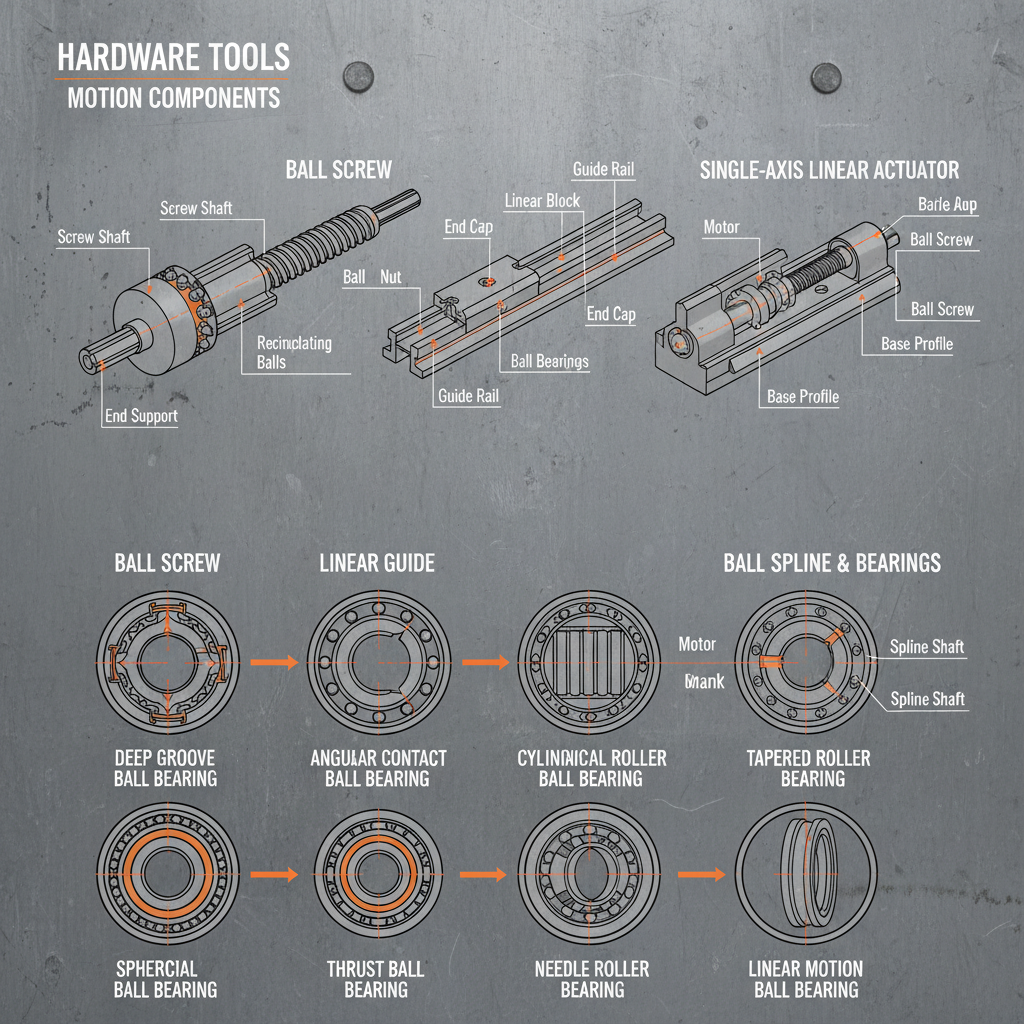
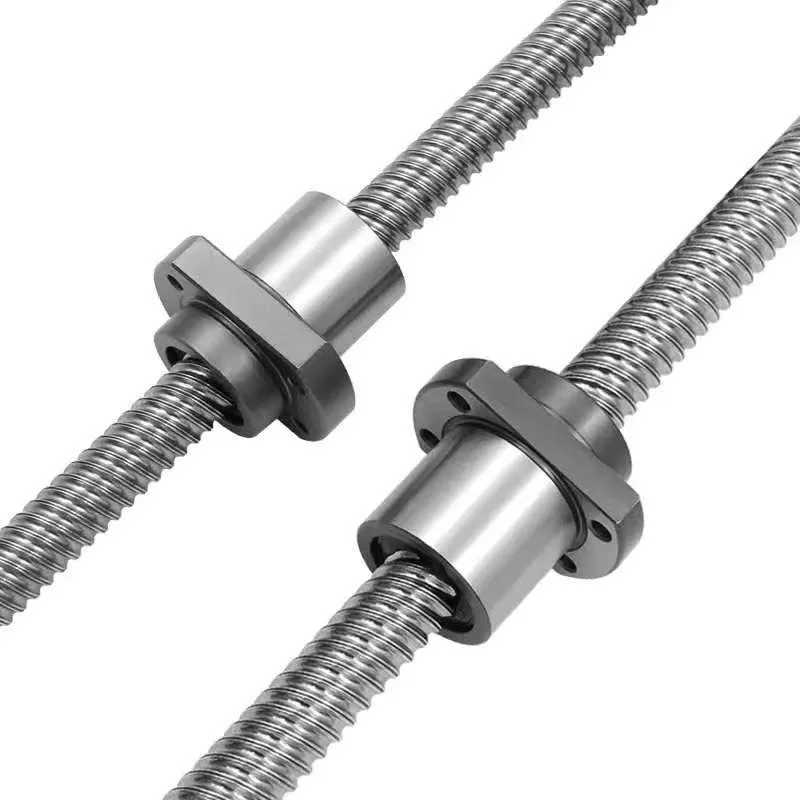
A ball screw assembly starts with a ground or rolled shaft, precision-honed grooves carrying chrome steel balls. The nut houses return channels, keeping balls looping without escape. Efficiency hits 90-95%, meaning less motor strain and heat buildup.
Materials matter. Ground ball screws use SCM415 alloy steel, hardened to 58-62 HRC for wear resistance. Rolled versions cut costs for medium-duty, still yielding C5-C7 accuracy grades.
Backlash? Minimal, often preloaded to zero via dual nuts or spring systems. That's why they dominate in 5-axis mills where micron-level repeatability rules.
Short note on limits. High-acceleration apps demand dynamic load ratings above 5,000N. Exceed that, and ball skidding erodes life.
Acme Screws: The Workhorse Profile
Acme threads trace to 1870s American lathes—30-degree trapezoid for better load distribution than square threads. Nuts bronze or plastic for self-lubrication, efficiency around 20-40%.
Strength shines in clamping vices or hydraulic jacks. Static loads to 100kN no sweat. Friction generates heat, so graphite-infused nuts extend runs in dirty shops.
Custom threading's straightforward. Shops roll Acme on multi-start leads up to 20mm/pitch. Cost? A 25mm x 1m Acme might invoice at $150-250 FOB, ballscrew counterpart $500+.
Watch for whip in long spans over 2m. Supports every 1-1.5m prevent deflection under thrust.
Ball Screw vs Acme Screw: Side-by-Side
No fluff—here's how they stack in key metrics. Pulled from ISO 3408 testing and our production data.
| Factor | Ball Screw | Acme Screw |
|---|---|---|
| Efficiency | 90-95% | 20-40% |
| Precision (Backlash) | <3 microns (C5 grade) | 50-200 microns |
| Load Capacity | High dynamic, med static | High static |
| Speed | Up to 150m/min | 30-60m/min |
| Cost (per meter, 20mm dia) | $300-800 | $100-300 |
| Lifecycle Hours | 20,000-100,000 | 5,000-20,000 |
Ball screws win speed and precision races. Acme takes budget and brute force. Hybrid setups? Some rigs pair Acme for coarse moves, ball for fine.
Where Each Excels in Industry
- Ball Screws: CNC machining centers, semiconductor wafer handlers, medical imaging beds. Precision injection molders swear by them for Z-axis repeatability.
- Acme Screws: Manual mills, scissor lifts, packaging fillers. Great in agricultural seeders where dust clogs ball returns.
Automotive press lines mix both—Acme for heavy slides, ballscrews for servo axes. Saw a Tier 1 supplier in Michigan shave cycle times 15% swapping Acme to ball on transfer robots.
Environmental fit. Ball screws need clean-ish environs; bellows covers mandatory in chip fabs. Acme shrugs off grit better.
Procurement Guide: Avoid Common Pitfalls
Step 1: Map your duty cycle. Under 50%? Acme saves cash. Continuous? Ball recirc pays back in energy savings.
Step 2: Calc critical speed. Formula's straightforward: sqrt(EI/L^4) factors. Undersize, vibration kills bearings.
Step 3: Verify supplier creds. Look for ISO 9001, in-house CMM reports. We run Renishaw gauging here.
Warehouse stock illusion. Many "US distributors" drop-ship from Asia. Direct from YIDI? 4-week lead, full traceability.
Proc tip: Request preload data. Zero-backlash claims often fluff; real tests reveal.
Logistics angle. 20ft container holds 200-300 3m ball screws. Duty? US importers note 2.5% on linear motion parts.
Ready to spec? Email adam@yidimotion.com for CAD models and pricing.
Standard Specifications from YIDI Motion
| Type | Dia (mm) | Lead (mm) | Accuracy | Load Rating (kN) |
|---|---|---|---|---|
| Ball Screw SFU1605 | 16 | 5 | C7 | Dynamic 3.2 |
| Ball Screw SFU2005 | 20 | 5 | C5 | Dynamic 6.2 |
| Acme TR16x4 | 16 | 4 | ±0.1mm/300mm | Static 25 |
| Acme TR20x5 | 20 | 5 | ±0.15mm/300mm | Static 40 |
ball screw vs lead screw ball screw and lead screw ball and screw
Custom lengths to 6m. Nuts flanged or cylindrical. Ends machined per DIN 69051.
Installation and Maintenance Realities
Alignment's king. Misalign by 0.1mm/100mm, bearings fail fast. Use dial indicators on fixed ends.
Ball screws: Grease every 500 hours, lithium-based NLGI 2. Wipe nuts weekly in mills.
Acme: Oil baths for vertical mounts. Plastic nuts dry-run ok.
Common error: Over-torquing end supports. Follow manufacturer Nm specs.
Our kits include wipers, couplers. Ships palletized, ready for forklift unload.
Buyer FAQs
Can I mix ball and Acme in one machine?
Yes, for coarse/fine axes. Ensure servo tuning accounts for backlash diffs.
What's the MOQ for custom ball screws?
Typically 10 units. Samples available at higher per-piece.
Lead times to USA?
4-6 weeks sea freight. Air for prototypes, 7-10 days.
ISO certified?
ISO 9001:2015. Full certs on request.
Feedback from Procurement Teams
Mike R., Operations Mgr, Detroit Auto Supplier: Switched to YIDI ball screws on our weld robots. Backlash halved, no more hourly tweaks. Delivery hit ETA despite port delays.
Sarah L., Procurement Lead, Toronto CNC Shop: Acme for vices, ballscrews for spindles. Competitive pricing, engineer chat clarified preload options. Solid partner.
John K., Texas Fabricator: Needed quick Acme replacements. 3-week turnaround beat domestic quotes. Quality held up in dusty shop.
Emily T., California Automation: OEM run of 50 ball screw sets. Traceability docs perfect for our ISO audit. Will reorder.
Why Partner with YIDI Motion?
Hebei YIDI Import & Export Trading Co., Ltd. runs a 100-person factory with 30% senior techs. Imported DMG Mori and Okuma gear from Germany/Japan for C3 ball grinding. OEM/ODM full-service: from prototype to 10k runs.
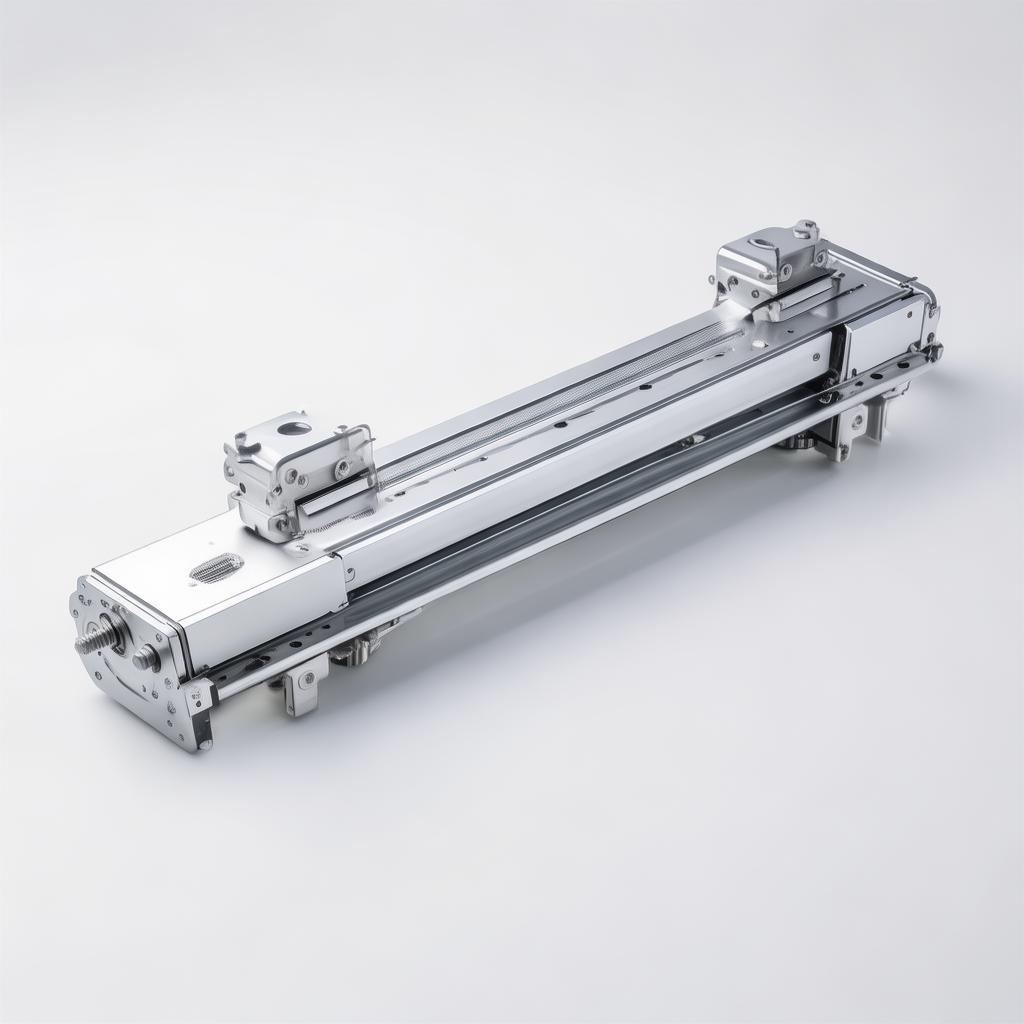
Exports to USA, Canada, Germany—50+ markets. One-stop linear motion: ball screws, guides, actuators, splines, bearings.
Contact: +86 18134111662 | adam@yidimotion.com | 16-1-1601 Aobeigongyuan, Chang'an District, Shijiazhuang, Hebei, China.
Next Steps for Your Project
Talk to our engineers. Get pricing, samples, or shipping plans customized to your needs.
- Request OEM Quote – Bulk savings start here.
- Download Specs – Full PDF catalog.
- Schedule Call – Discuss your drawings live.
Contact Us Now | No risk, factory-direct.
By Adam Li, Export Director, YIDI Motion. 15+ years in precision linear components.