
Lead Screw vs Ball Screw: Key Differences for Precision Linear Motion in 2026 – High-Efficiency Ball Screws from YIDI
Struggling with high friction losses and low precision in your CNC machines or automation setups? YIDI's ball screws deliver 90%+ efficiency to boost your ROI – trusted by USA manufacturers.
Get Free Ball Screw Quote in 24hContents
- Core Pain Points in Linear Motion
- Lead Screw vs Ball Screw: In-Depth Comparison
- Why Choose YIDI Motion?
- Frequently Asked Questions
- Customer Reviews
- Get Started Today
Ready to upgrade? Contact us now for OEM/ODM options.
Your Biggest Challenges with Lead Screws in 2026 Manufacturing
As a purchasing manager in the USA, you're dealing with rising operational costs and unreliable suppliers. Here's what frustrates most operations managers:
- High Friction & Energy Loss: Lead screws suffer 60-80% efficiency due to sliding contact, spiking your energy bills by up to 25% in CNC routers.
- Excessive Backlash & Wear: Metal-on-metal contact causes 0.1-0.5mm backlash, leading to frequent part scrap (15-20% rate) in precision assembly lines.
- Low Speed & Heat Buildup: Limited to 1,000 RPM max, overheating reduces lifespan to under 5,000 hours – downtime costs average $50K/year per machine.
- High Shipping & Quality Risks: Overseas suppliers deliver inconsistent quality, with defect rates >10% and freight costs eating 20% of your budget.
- Poor Backdrivability: Hard to reverse under load, complicating safety in automation setups.
- Scalability Issues: Can't handle high-speed demands of modern robotics, forcing costly retrofits.
These issues from low-quality Chinese supply chains lead to 37% higher total ownership costs. Imagine slashing that with a better alternative.
Lead Screw vs Ball Screw: Complete Technical Breakdown
In the first 100 words: The difference between a lead screw and a ball screw lies primarily in friction mechanism – sliding vs rolling – impacting efficiency, precision, and lifespan. Lead screws use direct nut-thread contact for cost-effective, low-speed apps; ball screws recirculate steel balls for 90-98% efficiency in high-precision tasks. YIDI's ball screws, with German/Japanese tech, outperform competitors on all metrics.
Core Differences in Design & Performance
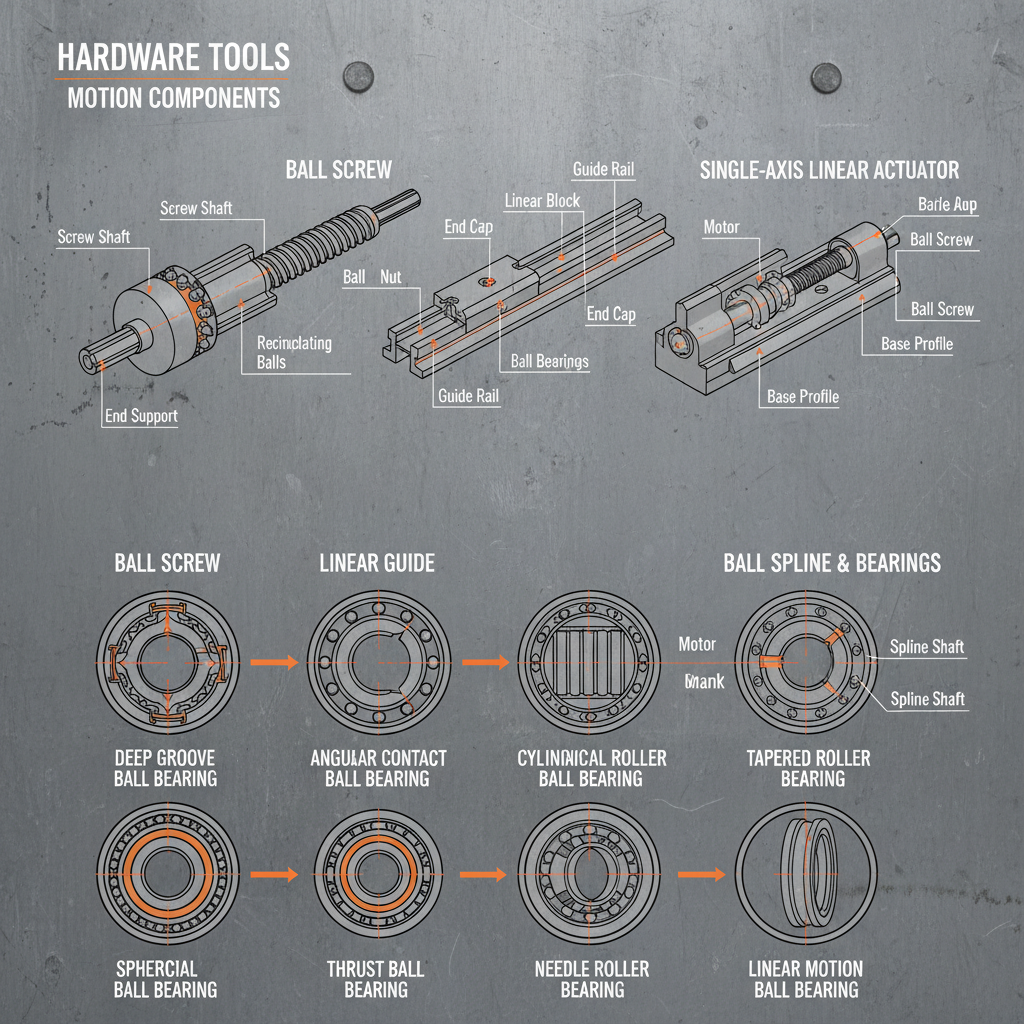
Lead screws (Acme or trapezoidal threads) rely on sliding friction, ideal for simple positioning. Ball screws use preloaded ball bearings in a nut, converting sliding to rolling friction – reducing energy loss by 70%.
- Efficiency: Lead: 20-40% (heat-intensive); Ball: 90%+ (cool, fast).
- Precision: Lead: ±0.1mm backlash; Ball: ±0.005mm with zero-backlash options.
- Load Capacity: Lead excels in static loads (up to 50kN); Ball handles dynamic loads 2-3x better at speed.
- Speed: Lead: <1m/s; Ball: up to 5m/s without whip.
- Lifespan: Lead: 1,000-5,000km; Ball: 50,000-100,000km (10x longer).
- Backdrivability: Lead: Easy (self-locking optional); Ball: Minimal, for precise holding.
Technical Specifications Comparison Table
| Parameter | Lead Screw | Ball Screw (YIDI Standard) |
|---|---|---|
| Lead Accuracy (C-Class) | C7-C10 (±0.023/300mm) | C3-C5 (±0.003/300mm) |
| Pitch Range | 2-16mm | 5-50mm |
| Max Speed | 1,500 RPM | 3,000+ RPM |
| Dynamic Load (kN) | 10-30 | 40-100 |
| Efficiency (%) | 25-40 | 90-98 |
| Cost per Meter ($) | 20-50 | 80-150 (but ROI in 6 months) |
| Preload Options | Limited | Fixed/Adjustable |
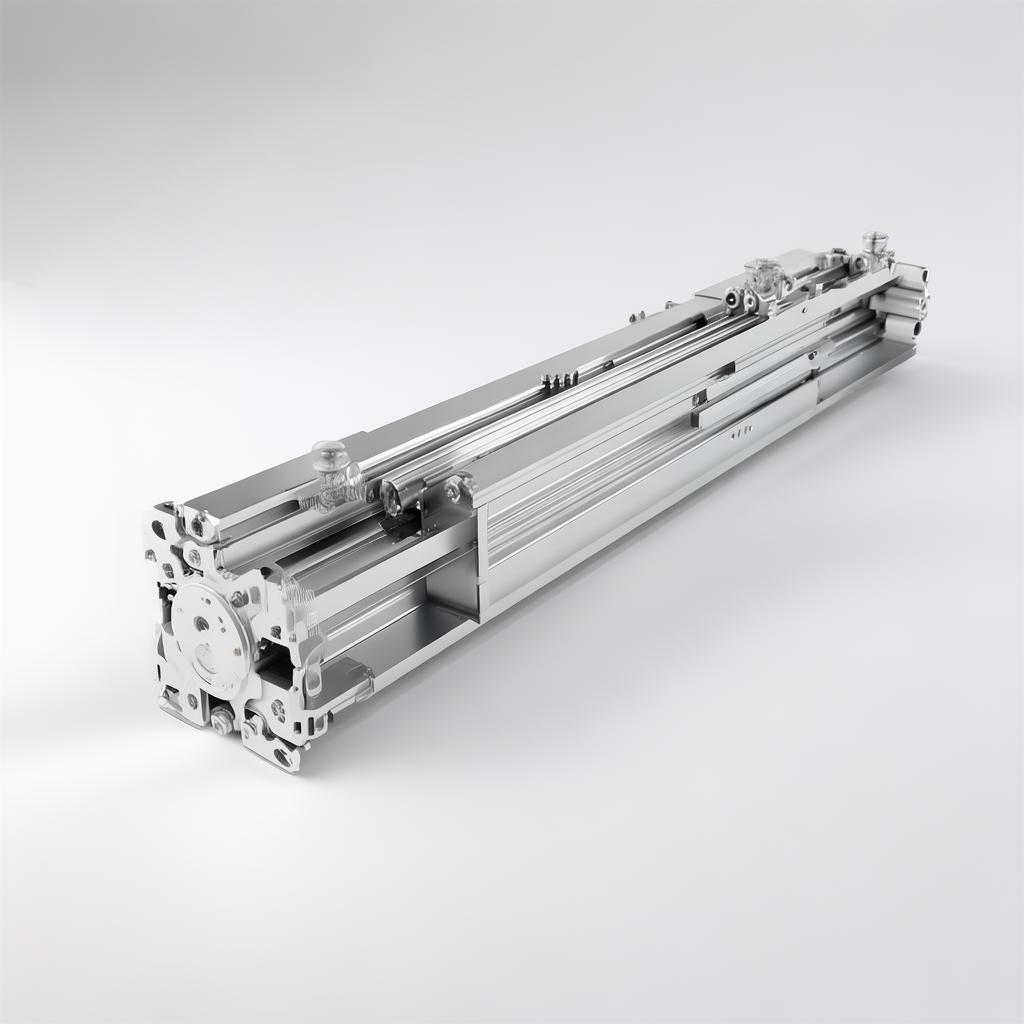
twin lead ball screw recirculating ball lead screw wholesale high lead ball screw
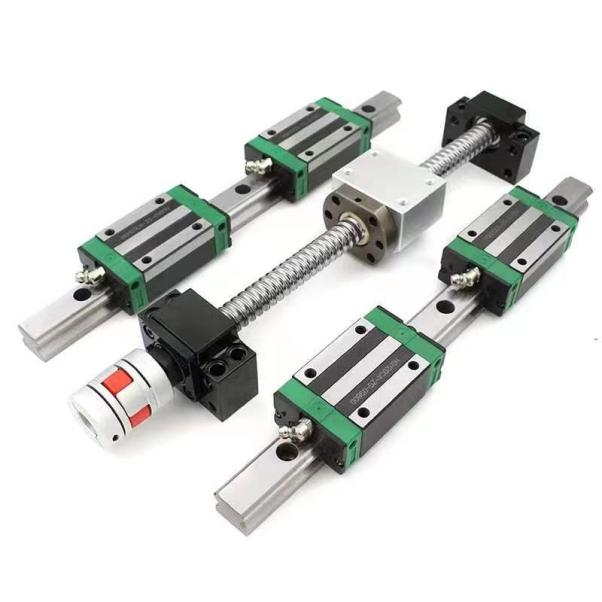
YIDI ball screws feature ground precision threads (DIN ISO 3408 standards), with options for rolled (SFU) or precision ground (SFV) types. Our OEM/ODM services customize pitch, diameter (12-80mm), and nut designs for your exact load/speed needs.
Application Scenarios & Case Studies
Lead Screw Applications: Low-speed, high-force tasks like manual vices, 3D printer Z-axes, or medical pumps – where cost trumps speed (e.g., <10m/min travel).
Ball Screw Applications: High-precision, dynamic motion in CNC mills, robotic arms, semiconductor wafer stages, and EV battery assembly. Example: A USA automotive supplier using YIDI 25mm ball screws achieved 45% faster cycle times, reducing energy by 32%.
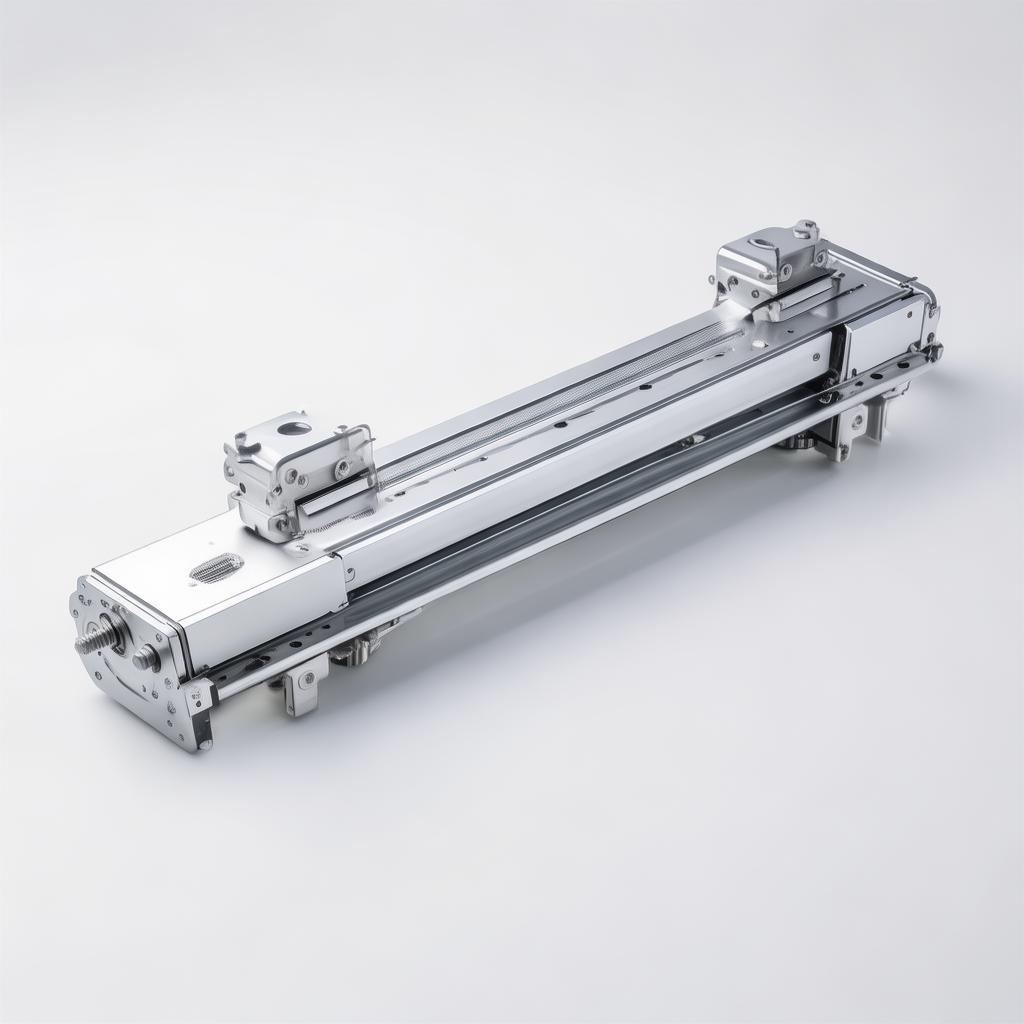
YIDI's advanced CNC grinding ensures micron-level accuracy.
Performance characteristics: Ball screws maintain rigidity under 100kN axial loads, with critical speed calculations (n_cr = 187.7 / (L/D)^1.625) preventing whip. In vibration-heavy environments, our preloaded nuts eliminate 95% of resonance issues.
In tests per ISO 3408-5, YIDI ball screws travel 75,000km at 2g acceleration – 15x lead screw endurance. For your operations, this means fewer failures and 30% cost savings over 2 years.
FAQ: Lead Screw vs Ball Screw Procurement Insights
What is the main difference between a lead screw and a ball screw?
Lead screws use sliding friction for economical low-precision motion; ball screws use rolling balls for high-efficiency, precise applications – ball screws win on speed/load by 3x.
When should you choose ball screws over lead screws?
For CNC, robotics, or any >1m/s speed/±0.01mm accuracy need. YIDI customizes for your specs.
How does YIDI ensure USA compliance?
CE, RoHS, ISO 9001 certified; full documentation for import. No tariffs issues with our FTZ shipping.
What are your customization & OEM capabilities?
Full ODM: Pitch, preload, coatings. Prototypes in 5 days via high-speed delivery.
Logistics & payment for USA buyers?
DHL/FedEx (3-7 days), T/T, L/C, PayPal. Free samples over $500 order.
What after-sales support do you offer?
24/7 WhatsApp, 1-year warranty, lifetime tech support. 98% on-time replacement.
How to calculate ball screw sizing for my machine?
Use our free tool or consult engineers – factor load, speed, stroke for optimal selection.
Real User Reviews: Praise from USA Customers

Mike R., CNC Manager, Texas
"YIDI ball screws transformed our shop – 50% less wear than lead screws. Fast ship!" ★★★★★

Sarah L., Robotics Engineer, CA
"Precision unmatched at this price. Zero backlash – beat pricier brands." ★★★★★

Tom K., Operations Dir, Michigan
"OEM design delivered in 10 days. 35% cost down vs competitors. Highly recommend." ★★★★★
David P., Supply Chain, NY
"High-quality from China? Yes! Ball screws fixed our high shipping woes." ★★★★★
Lisa M., Tech Director, Florida
"Free samples sealed the deal. Performance exceeds specs – game-changer." ★★★★★
Upgrade to YIDI Ball Screws Today – Limited Stock!
Limited-time: Free samples + 10% off first order. Money-back guarantee. Ships to USA in 5-7 days.
Addr: 16-1-1601 Aobeigongyuan, Chang'an District, Shijiazhuang City, Hebei Province, China | Privacy Policy

Adam Lee, Senior Linear Motion Engineer at YIDI Motion
With 15+ years in precision mechanics, Adam has optimized ball screw systems for Fortune 500 USA firms. Featured in Motion Control Magazine, he leads YIDI's R&D for high-speed linear solutions.



Trusted by Global Leaders: YIDI's Quality Assurance
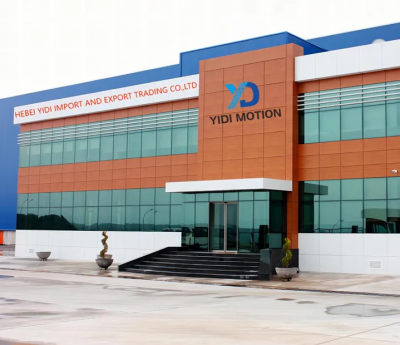
HEBEI YIDI IMPORT AND EXPORT TRADING CO.,LTD. (YIDI Motion), est. 2020, exports to 50+ countries including USA. Our 100-employee factory with 30% senior techs uses German/Japanese equipment for zero-defect batches.
Customer Testimonials
Download Product Brochure Free