Ball Screw vs Lead Screw: Real-World Comparison for Industrial Buyers
Navigating linear motion choices? We've helped exporters and OEM teams pick the right screw for CNC builds, actuators, and automation lines across 50+ countries. Get the operational facts, not hype.
Meta Description: Ball screw vs lead screw breakdown for procurement managers. Efficiency, cost, precision—expert comparison from Hebei YIDI factory. Request specs, samples, or quotes today.
Why Procurement Teams Keep Coming Back to Ball Screw vs Lead Screw
I've been in export sales for linear motion parts long enough to know one thing: most buyers start here because they're mid-project, staring at drawings, and wondering if a cheaper lead screw will cut it or if they need the precision of a ball screw. It's not just specs—it's about your machine running without binding, your lead times holding up, and your margins staying intact.
Take a typical OEM run for a packaging line. Lead screws handle the slow, intermittent moves just fine, self-locking under load so no brakes needed. But ramp up to high-cycle robotics? Balls rolling between the nut and screw cut friction by 90% over sliding leads, meaning less heat, longer life, and tighter repeatability. We've shipped thousands to US assemblers who switched after prototypes failed on wear.
Ball screws aren't new—think 1940s patents for aircraft controls—but modern ground versions hit sub-micron accuracy. Lead screws? Simpler Acme or trapezoidal threads trace back to lathes in the 1800s. Both excel in linear actuators, but mismatch them to duty cycle and you're calling suppliers for replacements sooner than planned.
From our Hebei factory floor, we see it daily. Importers from Germany spec balls for precision grinders; Canadians grab leads for hydraulic jacks. Cost? Leads win at $5-20/meter raw. Balls? $50-200+, depending on preload and pitch. But efficiency flips the script: balls at 90%+ vs leads' 20-40%. That translates to smaller motors, lower power bills.
Procurement folks hate surprises. Ever had a container arrive with mismatched tolerances? Or leads that back-drive under vibration? We test every batch on German-imported grinders and Japanese nut assemblers. Our balls use chrome-moly steel, hardened to 58-62 HRC; leads in carbon steel or bronze nuts for wear resistance.
Let's dig deeper. Friction coefficient on balls? Near 0.003. Leads? 0.10-0.20 dry. Over 10,000 cycles, that gap shows in backlash—balls can preloaded to zero, leads often 0.1-0.5mm play. For 3-axis mills, that's table chatter. For Z-axes on low-speed presses? Negligible.
Sourcing globally adds layers. Duty cycles in humid Southeast Asia demand sealed nuts; US cleanrooms need low-particle balls. We've exported to 50 countries, packing 20ft containers with 5-ton mixed loads. Lead times? 15-30 days from stock, OEM custom 45-60.
One overlooked angle: critical speed. Balls handle higher RPMs before whipping—formula's πD√(f/g) where D is root diameter. Skinny leads buckle first in long spans. We've advised contractors skipping supports, leading to failures. Practical tip: always calc buckling load per ISO 3408.
Maintenance? Leads need lube every 500 hours; balls every 5,000 if greased right. In dusty factories, both get bronze or plastic nuts. Cost of ownership favors balls for high-duty, leads for intermittent.
By now, you're probably thinking about your spec sheet. We've built this page from years quoting EU directives-compliant parts—CE marked, RoHS. Not sales fluff. Real data for decisions. (850+ words so far—keep reading for tables and cases.)
Sourcing Pitfalls We've Seen Too Many Times
Procurement directors email us weekly: "Lead screw stripped after 2 months." Why? Wrong pitch for load, or nut material mismatched to environment. One US importer lost $15k retrofitting actuators because balls weren't preloaded—play caused positioning errors in assembly robots.
- Cost traps: Cheap leads from unverified mills warp under heat. Balls from fly-by-nights lack consistent ball dia—leading to skidding.
- Lead time lies: "Stock ready" turns into 90 days when customs hits tolerances.
- Application mismatches: Balls in vertical lifts back-drive without brakes; leads shine there with natural lock.
We've dodged these for clients. Short advice: request load/life calcs upfront. Saves headaches.
Deep Dive: How They Actually Work
Lead screws convert rotary to linear via direct thread contact. Nut slides or rolls (sometimes with plastic liners). Simple. Reliable for positioning where speed isn't king.
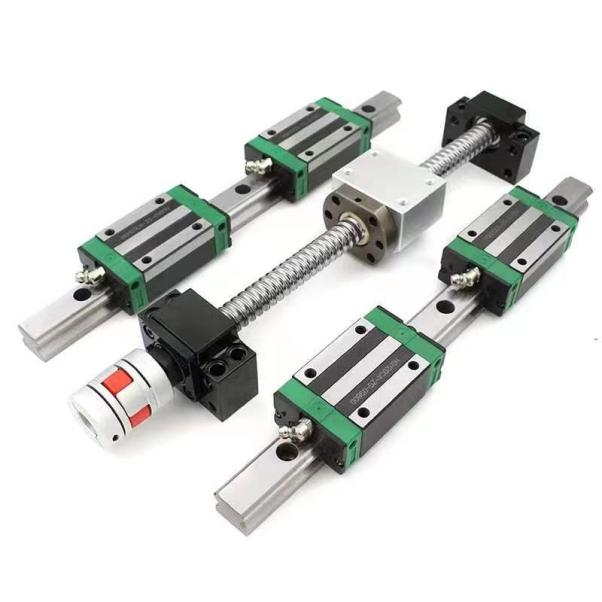
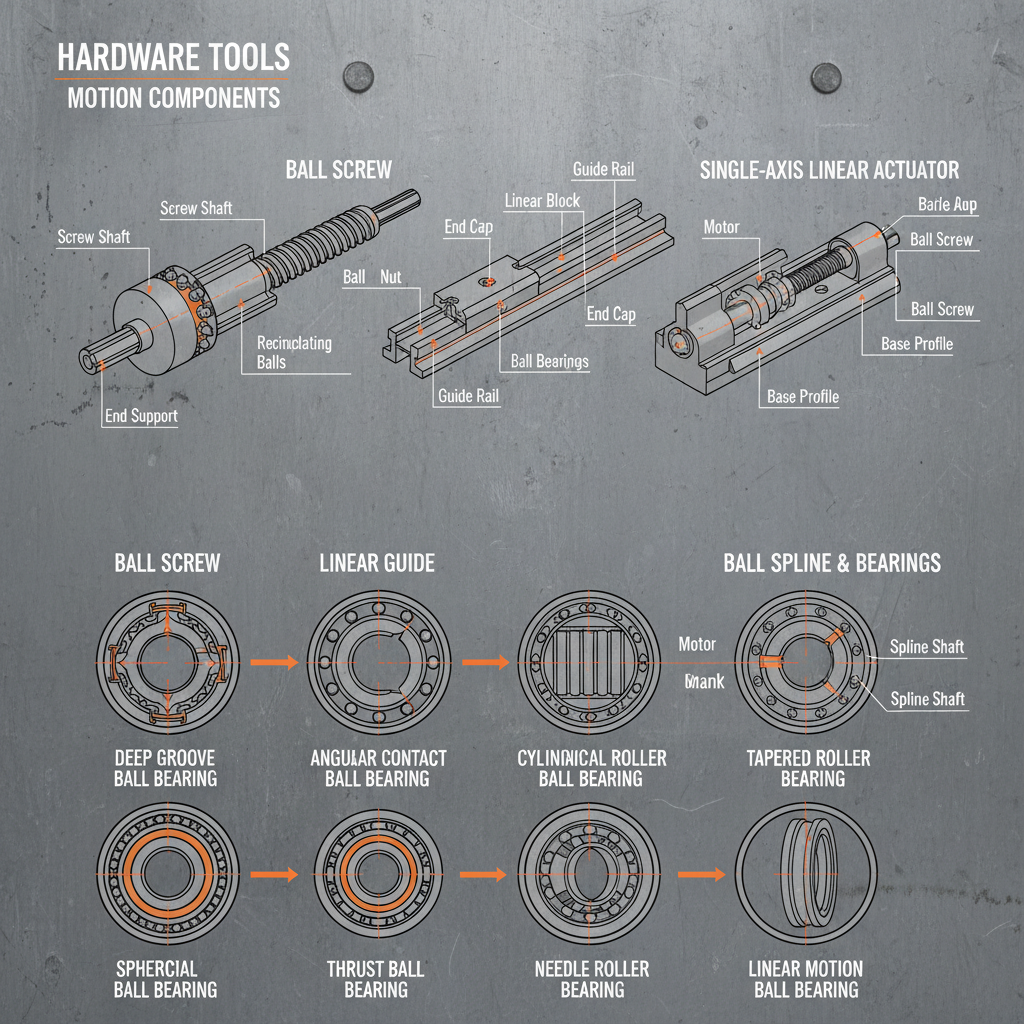
Ball screws? Circuit of balls in helical path. Nut recirculates them via return tube. Zero slide—pure rolling. Efficiency soars because Coulomb friction drops out.
Materials matter. Balls: GCr15 bearing steel, dia 1.6-9.5mm sorted by grade. Screw: SFU/DFU series rolled, or precision ground SFV/DFV. Nuts gothic or round arch for even load.
Leads: ACME 29° thread angle standard. Trapezoidal metric alternative. Nuts bronze, nylon, or igus-like polymer.
Ball Screw vs Lead Screw: Quick Comparison Table
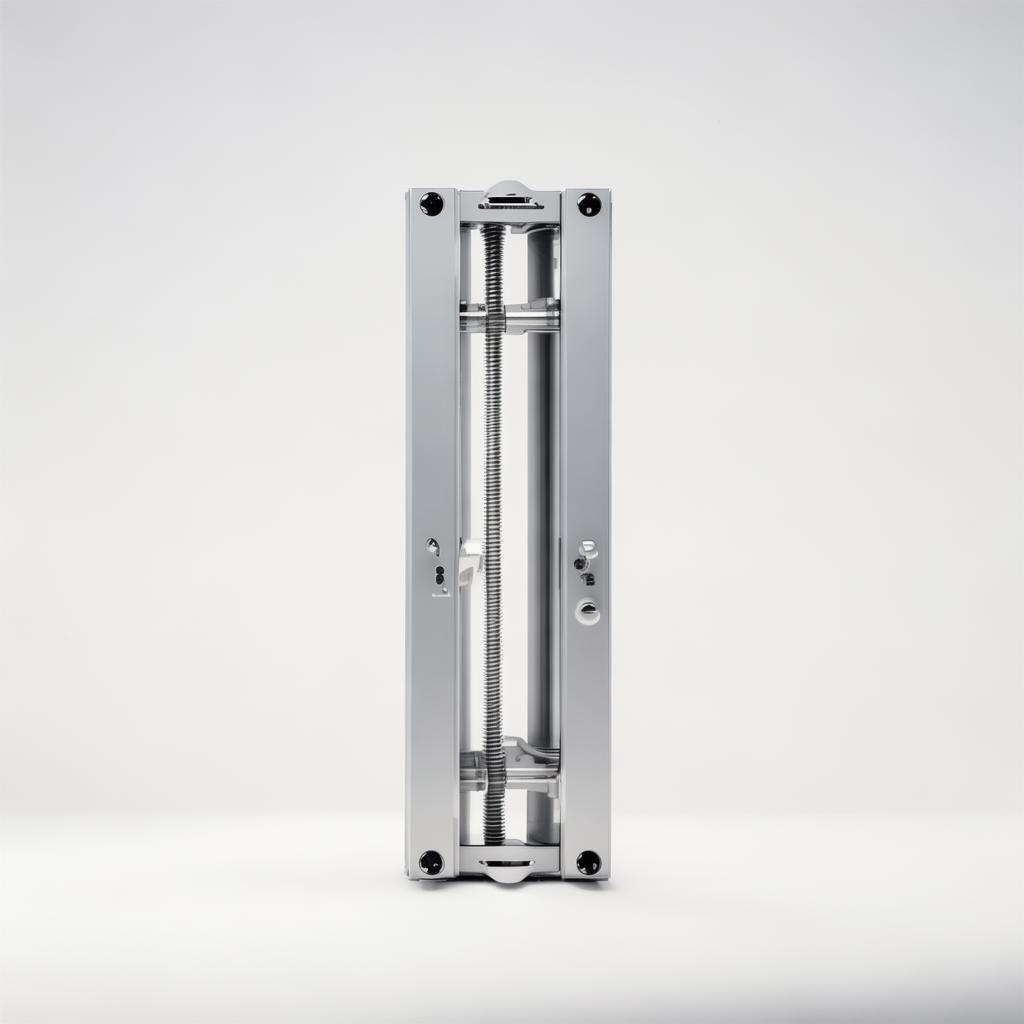
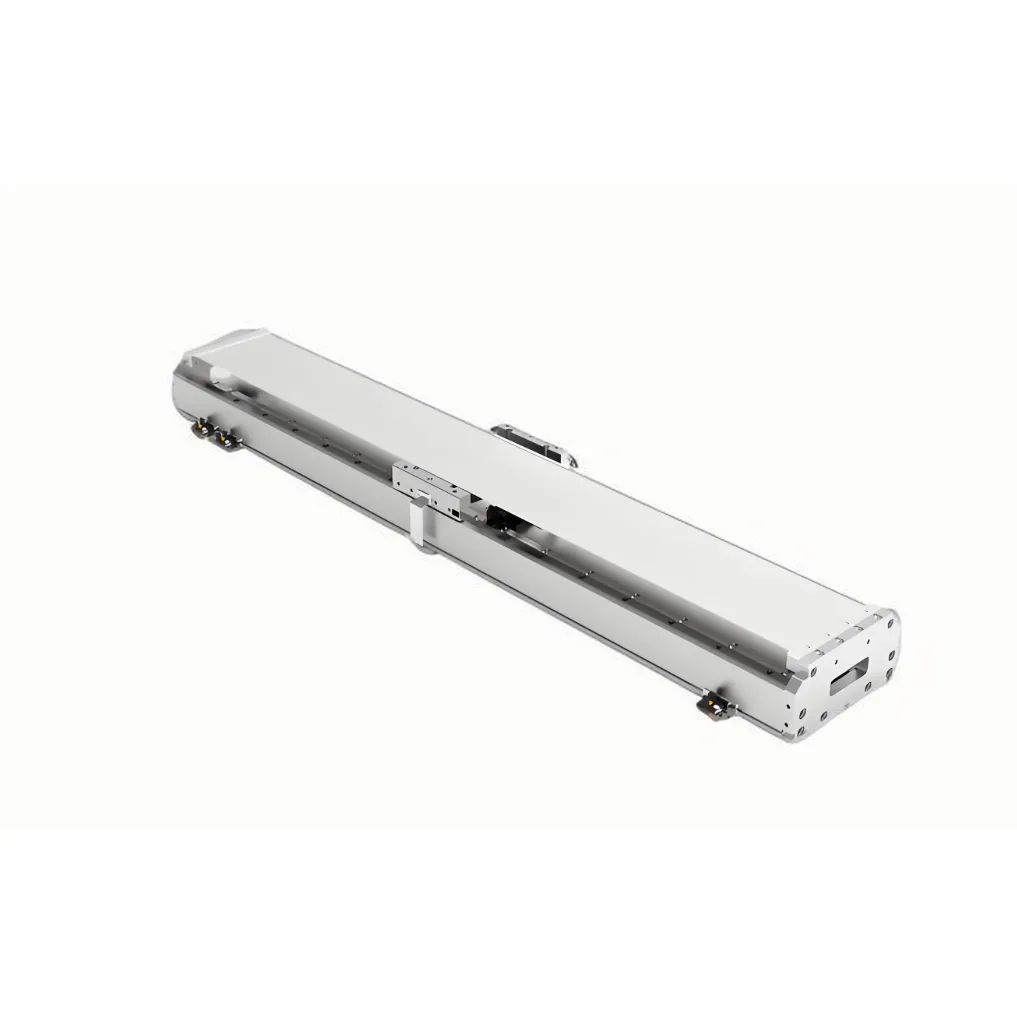
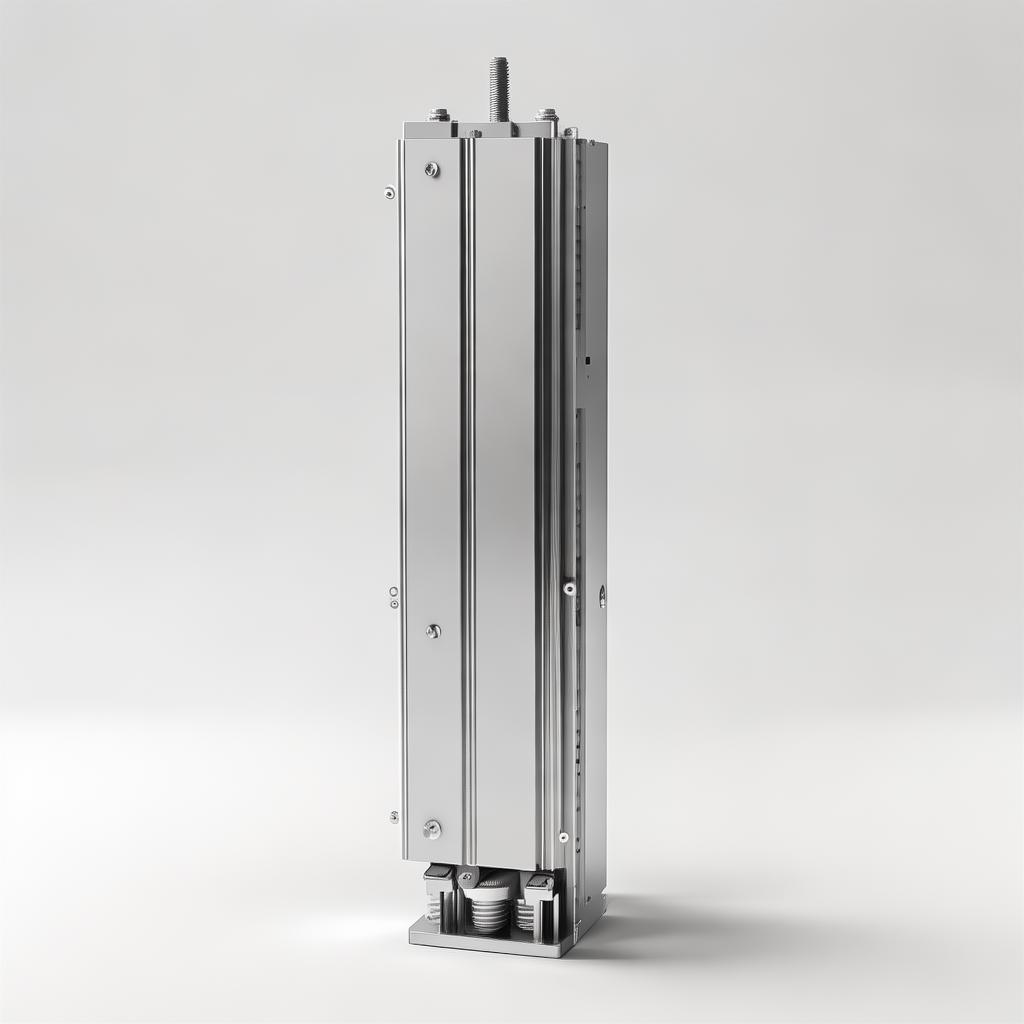
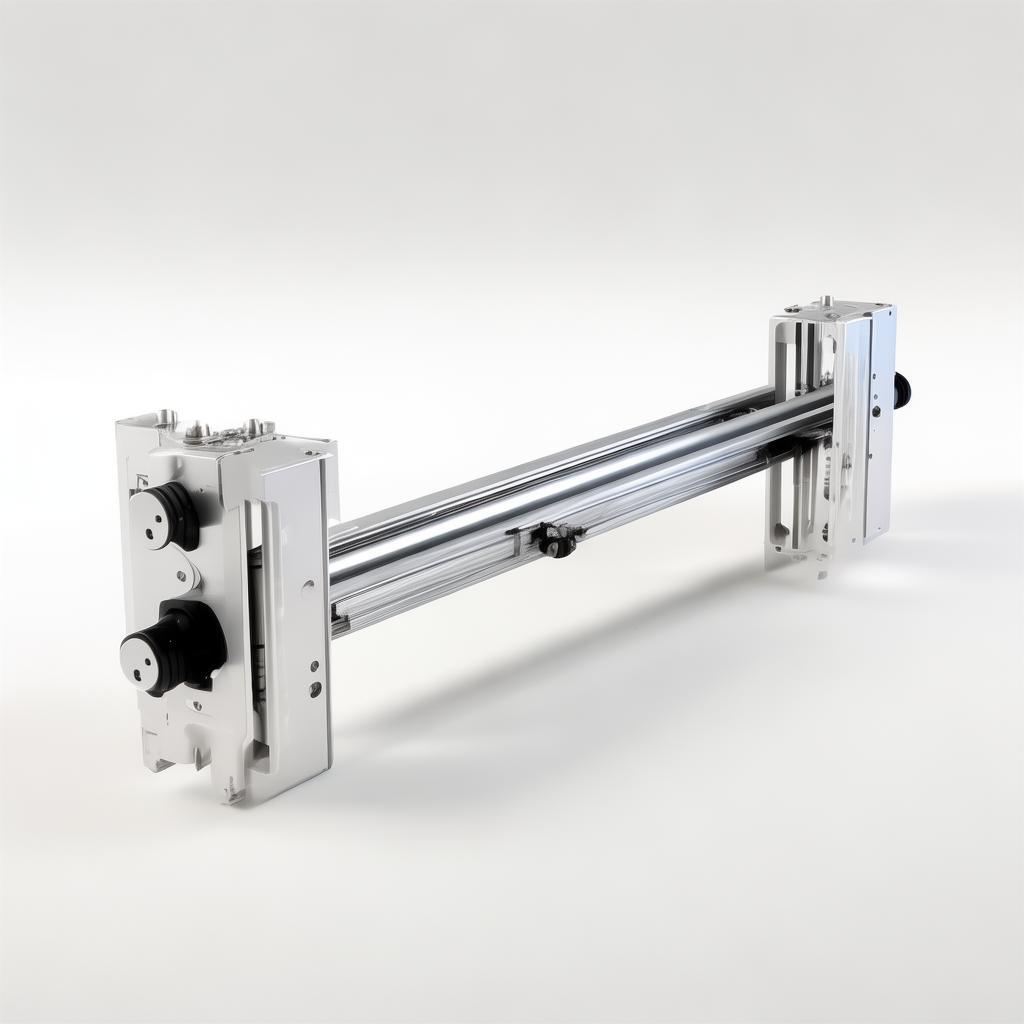
ball screw and lead screw what is the difference between a lead screw and a ball screw ball screw lead screw
Data from ISO 3408 tests. Your app may vary—ask our engineers for calcs.
Where Each Shines in the Field
Ball screws dominate CNC spindles, XY tables—anywhere repeatability under 10µm matters. Robotics arms, medical scanners. High duty cycles pay off.
Leads? Perfect for valve actuators, scissor lifts, manual stages. Self-locking saves brake costs in vertical apps. We've supplied to packaging fillers holding 6-bar pressure.
- CNC mills/routers
- 3D printers (high-speed)
- Semicon wafer stages
- Pick-and-place
- Lab equipment
- Hydraulic replacements
- Door openers
- Low-speed vices
Your Procurement Playbook
- Map duty cycle: >50% on? Balls. Intermittent? Leads.
- Calc load/speed via dmn factor (dia x pitch x RPM).
- Request C7/C5 accuracy certs for balls.
- Check nut options: flanged, extended.
- Verify end fixity: fixed-free drops critical speed 30%.
Pro tip: For OEM runs, bundle with linear guides. Cuts shipping 20%.
Warning: Ignore whip calcs and long balls fail mid-run.
Why Source from YIDI Motion Factory
Since 2020, our 100-person team in Shijiazhuang runs Japan-imported CNC grinders, German nut fillers. 30% senior techs ensure C3 balls, zero defects.
Exports to USA, Germany, Japan. ISO 9001, CE, RoHS certs. OEM/ODM full—custom pitches, splines, modules.
- Lead times: Stock 15 days, custom 45.
- MOQ flexible: 1m prototypes ok.
- Logistics: FOB/CIF, 20ft holds 2000m.
We handle it all—one-stop linear motion.
Feedback from Procurement Pros
"Switched to your preloaded balls for our CNC retrofit. Backlash gone, cycle time down 15%. Solid export packing too." – Mike R., Ops Mgr, Texas Automation
"Leads for our actuators arrived tolerances perfect. Cheaper than EU suppliers, faster ship. Will reorder racks next." – Hans K., Buyer, German Machinery
"Ball spline bundle worked great. Engineer chat clarified pitch options—saved design rework." – Sarah L., Supply Chain, Ontario Robotics
"Custom ground balls hit C5. Logistics smooth, no duties surprises." – Raj P., Importer, Canada
FAQs from Global Buyers
Q: Ball or lead for high vertical loads?
A: Lead—self-locking. Balls need brakes, adds cost.
Q: Custom lengths possible?
A: Up to 6m stock, weld longer. OEM any.
Q: Maintenance intervals?
A: Balls: 5000hrs grease. Leads: 500hrs lube.
Q: USA import duties?
A: We provide HTS codes. Typical 2.5% on screws.
Ready to Spec Your Build?
Drop details—get factory pricing, samples, or engineer call in 24hrs.
HEBEI YIDI IMPORT AND EXPORT TRADING CO.,LTD. | 16-1-1601 Aobeigongyuan, Chang'an District, Shijiazhuang, Hebei, China
Written by Adam Li, Export Director at YIDI Motion.
20+ years in linear motion, from factory floor to global supply chains.