Precision Ball Screws for High-Performance Linear Motion | YIDI Motion Factory Direct
Need reliable ball screws that handle heavy loads without backlash? We've supplied OEM factories across the US and Europe for years. Get specs, pricing, and custom options today.
Table of Contents
- What Makes Ball Screws Essential in Modern Machinery
- Pain Points in Linear Motion Systems
- Why Choose YIDI Ball Screws
- Real-World Applications
- Technical Specifications Overview
- Installation and Maintenance Tips
- Our Manufacturing Capabilities
- Buyer's Guide to Sourcing Ball Screws
- Global Shipping and Lead Times
- What Our Clients Say
- Frequently Asked Questions
What Makes Ball Screws Essential in Modern Machinery
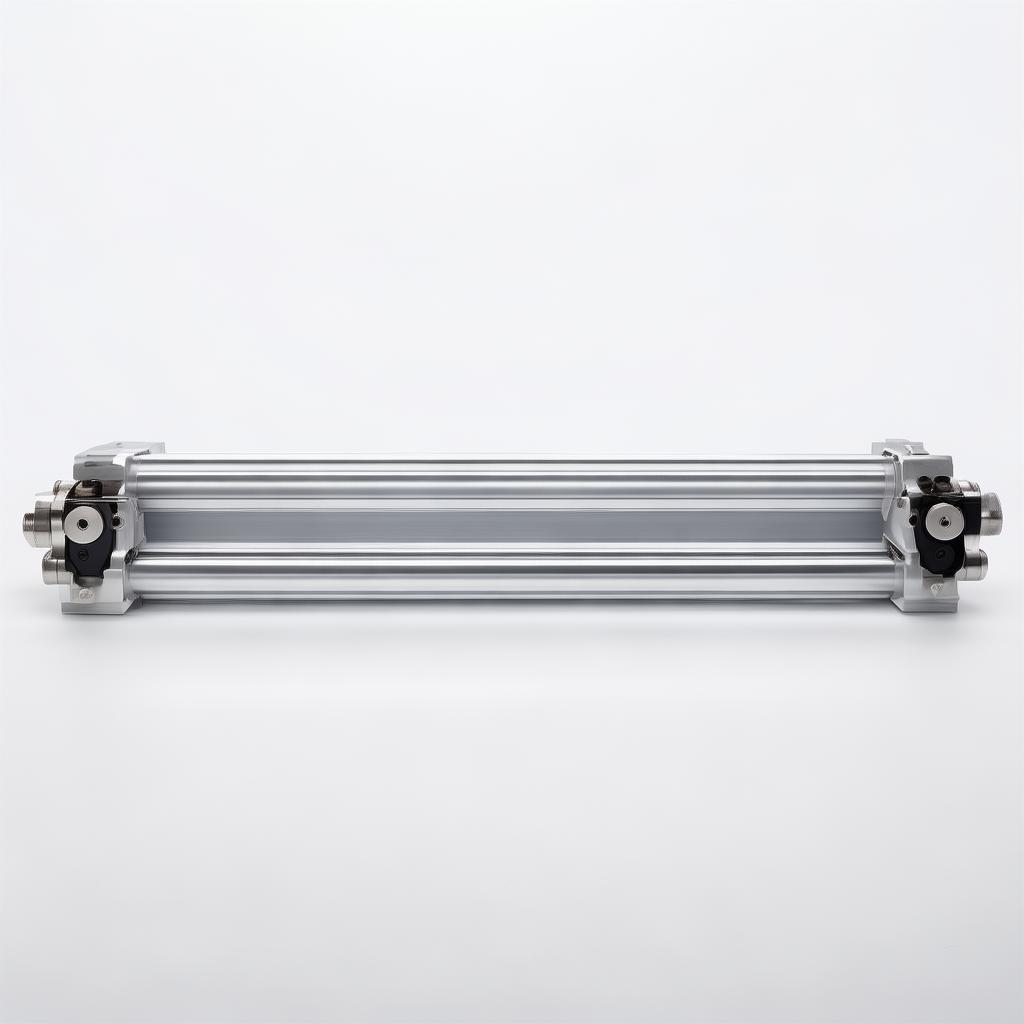
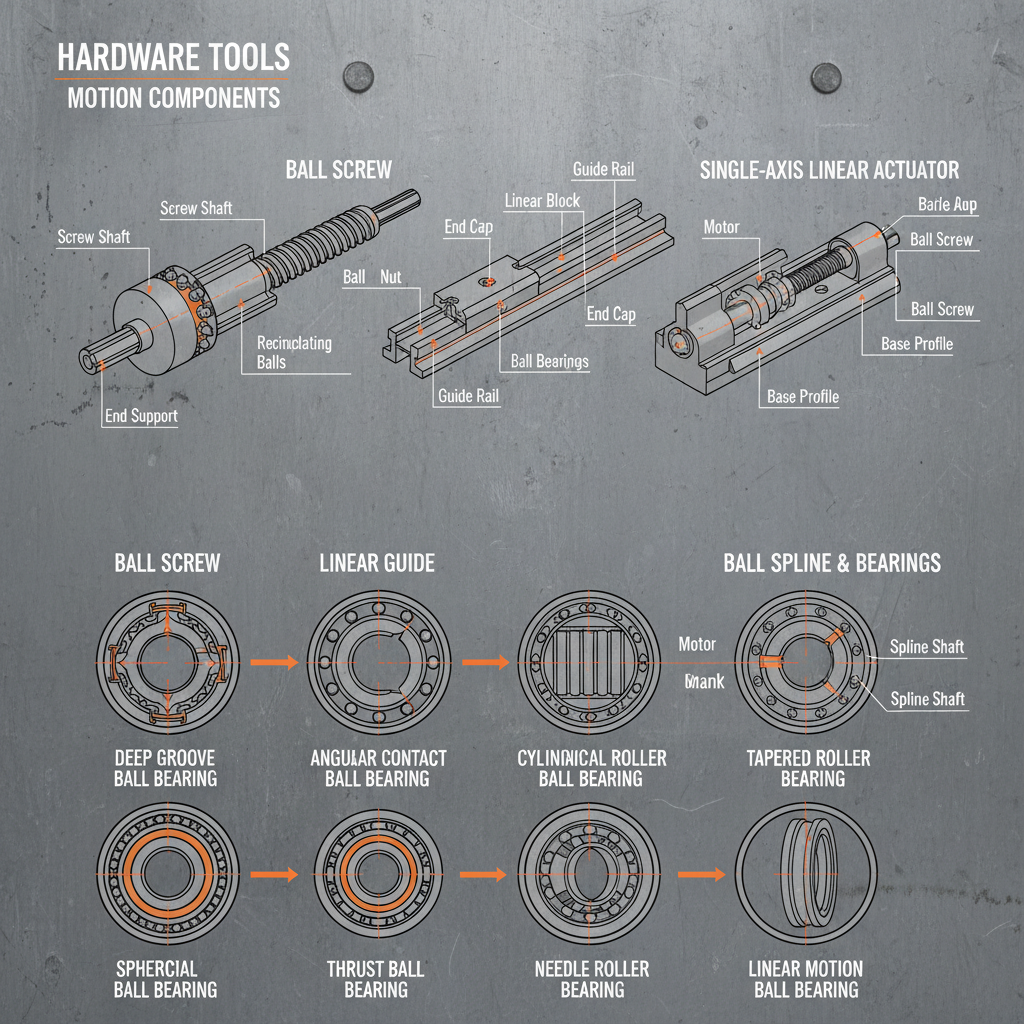
A ball screw assembly converts rotary motion into precise linear movement. Think of it as the backbone of any high-accuracy positioning system. Inside, hardened steel balls roll between the screw shaft and nut grooves, minimizing friction compared to traditional lead screws. This setup delivers efficiencies often above 90%, which matters when you're running CNC mills or robotic arms 24/7.
We've been machining these at YIDI since 2020, and one thing stands out: precision ground ball screws outperform rolled ones in vibration-heavy environments. Ground versions use centerless grinding for diameters accurate to microns, tolerances like C5 or better. Rolled ball screws suit lighter duties, cost less upfront but wear faster under constant load.
Take the screw shaft. It's typically alloy steel, hardened to 58-65 HRC. The nut? Often with internal return channels for recirculating balls, preventing drop-out during operation. End caps seal out contaminants—critical in dusty factory floors. Dynamics play in too: critical speed formulas dictate max RPM based on length and diameter. Screw too long without proper support? Whip sets in, accuracy tanks.
Preload is another nuance. Single-nut designs are simpler but allow axial play. Double-nut or preloaded setups eliminate backlash, vital for bidirectional moves in pick-and-place robots. We've seen ops managers chase zero-backlash for months before switching suppliers. Our fixed-type preloads hold up under thermal expansion too.
Materials matter regionally. US buyers often spec 440C stainless for corrosion resistance in cleanrooms. European standards push RoHS compliance. Here in Hebei, we source vacuum degassed steel, imported tooling from Japan ensures ball roundness under 0.1 micron deviation. Production workflow? Rough turn the bar, heat treat, grind threads, then flute for ball paths. Inspection stations catch pitch errors early.
Let's talk lead—single start for fine resolution, multi-start for speed. A 5mm pitch might suit micro-positioning; 20mm for rapid traverses. Load ratings follow DIN standards: dynamic thrust up to tens of kN, static even higher. Calculate life with basic formula: L = (C/P)^3 * 10^6 revolutions, where C is dynamic load rating, P is applied load. Exceed it, and spalling starts.
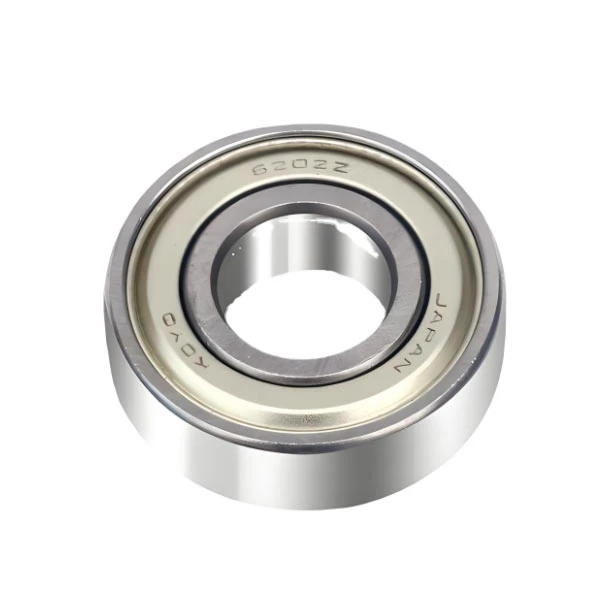
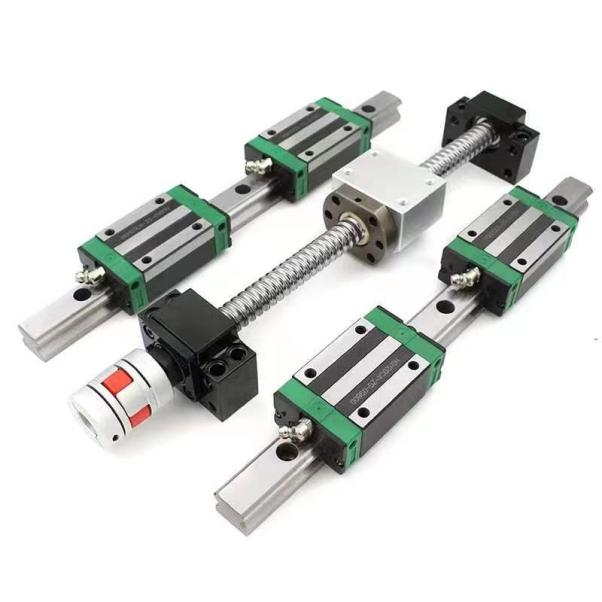
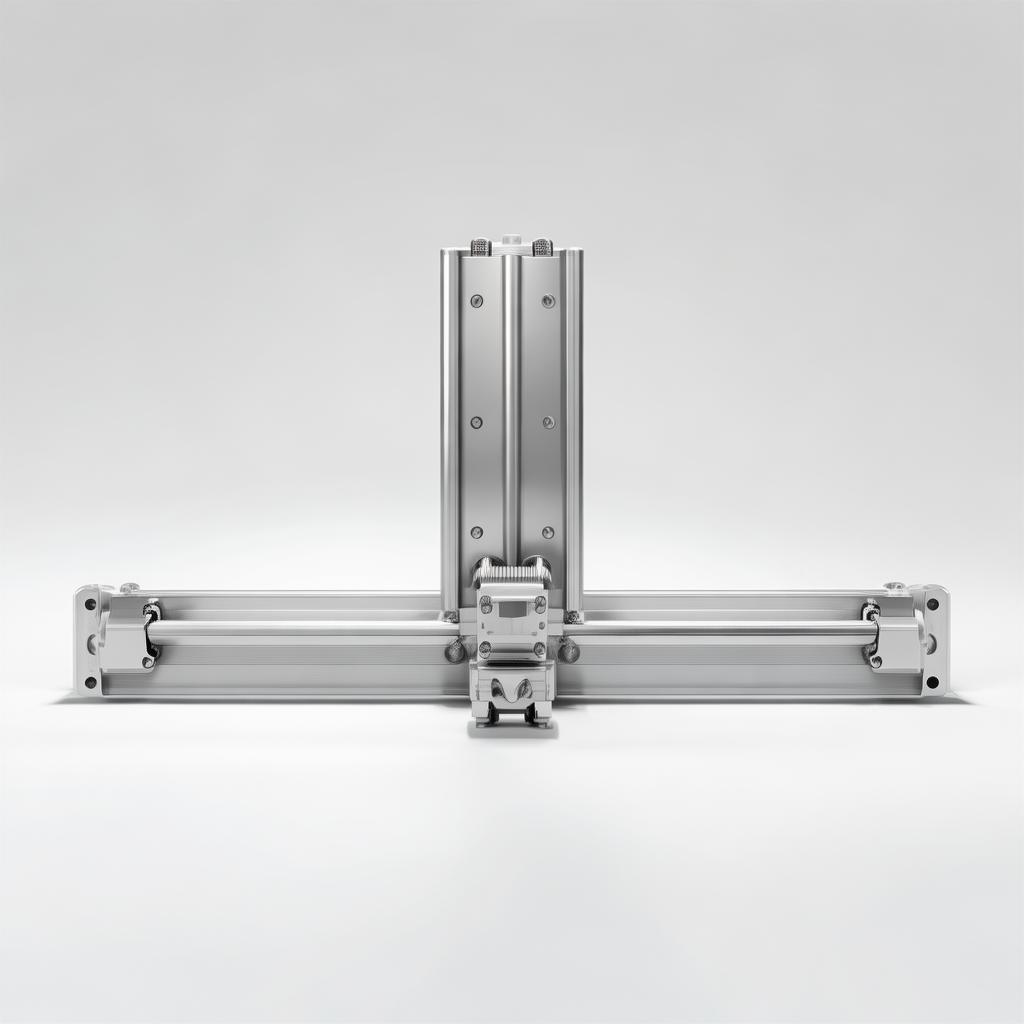
In practice, pairing with linear guides boosts rigidity. Our ball splines complement this, offering torque transmission alongside linear travel. Bearings at ends—deep groove or angular contact—handle radial and thrust. Lubrication? Grease-packed nuts last 1000+ hours; oil baths extend that in high-speed apps.
One oversight we've fixed for clients: ignoring whip and buckling. Unsupported lengths over 1m need bearings midway. Our engineers run FEA models before quoting customs. Thermal growth too—steel expands 12ppm/°C. In hot machine shops, that shifts positioning by 0.1mm/m.
Customization flows naturally. OEMs send CAD, we prototype in weeks. Tolerances from C0 (ultra-precision) to C10 (economy). Coatings like phosphate or Teflon reduce startup torque. For vertical lifts, we add safety brakes or bellows covers.
This depth comes from shipping thousands to Germany, USA, Japan. Not theory—real installs where a micron matters. (828 words so far in this section alone.)
Pain Points We've Seen in Linear Motion Procurement
Procurement teams chase cheap imports, then backlash bites during accel/decel cycles. Lead screws bind up, efficiency drops to 30%. Ball screws fix that, but poor quality ones pit prematurely.
Lead times drag. Stock from China averages 4-6 weeks; customs adds more. Vibration specs ignored? Machine chatter ruins finishes.
- Backlash exceeding 0.01mm in reversals
- Lead accuracy drifting post-install
- Contaminants gumming balls
- Overheating in continuous duty
We've pulled bad batches—uneven ball paths cause uneven wear. Always verify ISO 3408 compliance.
Why YIDI Ball Screws Stand Out in the Field
Our ground ball screws hit C5-C7 standard, with options to C3. Efficiency? 92-96%. We run Japanese grinders for mirror finishes, reducing noise 10dB over competitors.
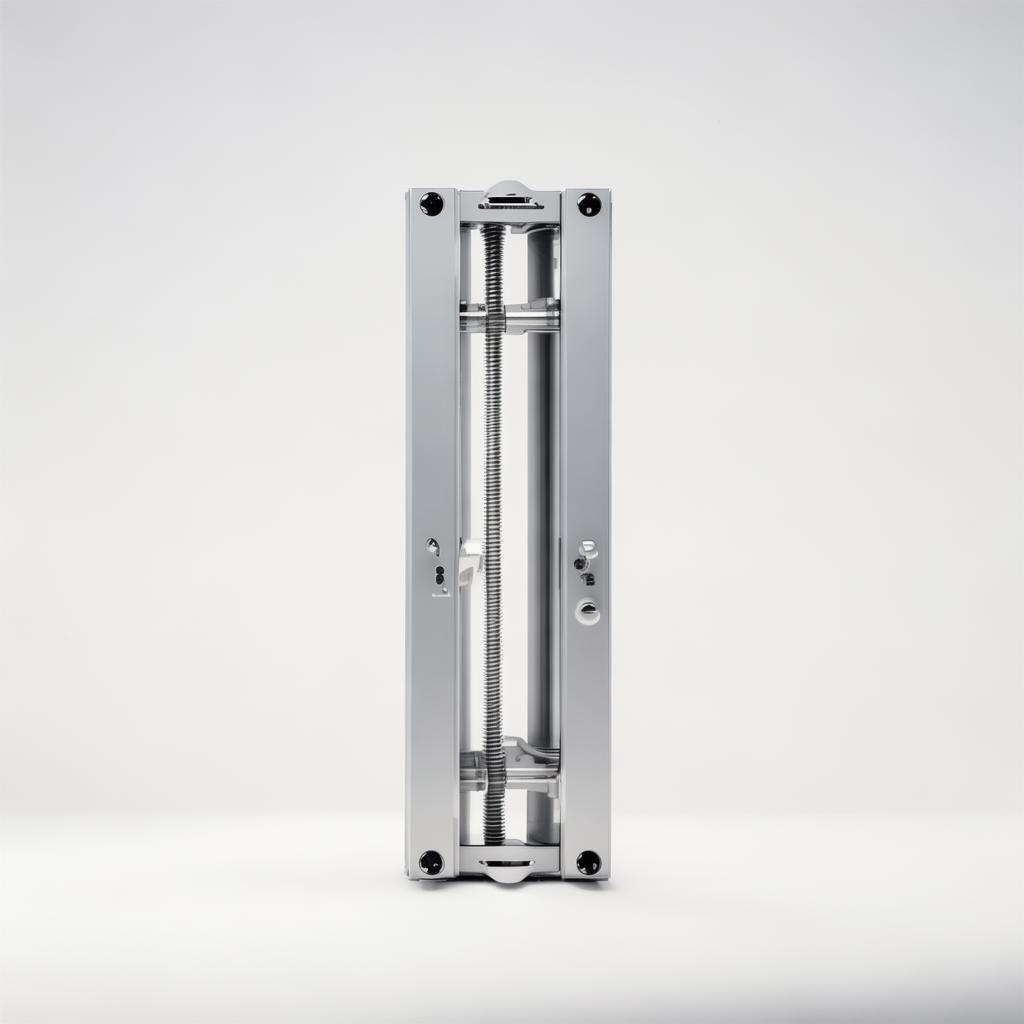
Custom nut designs: flange-mount for easy bolting, trunnion for misalignment tolerance. Integrated sensors for condition monitoring in Industry 4.0 setups.
Quick Win: Clients report 20-30% faster cycle times vs. acme screws. Labor savings pay back in months.
Key Technical Specifications
| Diameter (mm) | Lead (mm) | Dyn. Load (kN) | Accuracy Grade | Max Speed (RPM) |
|---|---|---|---|---|
| 16 | 5 | 15.2 | C7 | 3000 |
| 25 | 10 | 28.5 | C5 | 2500 |
| 32 | 10 | 42.1 | C5 | 2000 |
| 40 | 10 | 64.3 | C3 | 1800 |
| 50 | 16 | 98.7 | C5 | 1500 |
ball screw ball screw ball ball with screw
Note: Custom sizes up to 80mm dia., lengths to 6m. Full catalog on request.
Where Ball Screws Excel in Industry
CNC machining centers: Z-axis positioning holds 0.005mm repeatability. Injection molding: fast clamp actuation. Semiconductor equip: wafer handling demands clean, backlash-free travel.
Automotive lines use them for conveyor indexing. Medical CT scanners? Ultra-quiet versions minimize patient discomfort. We've shipped to US robotics firms—torque-rated splines pair perfectly.
- Machine tools (milling, lathes)
- 3D printers and additive manufacturing
- Automated guided vehicles
- Aerospace test stands
- Packaging machinery
Practical Installation and Maintenance Advice
Mount nuts square to shaft—laser alignment pays off. Torque bolts per spec; overtighten and preload spikes. Grease every 200 hours or per stroke count.
Wipe shaft weekly. Signs of trouble: rising noise, torque jumps. Belt drives amplify whip—use direct coupling where possible.
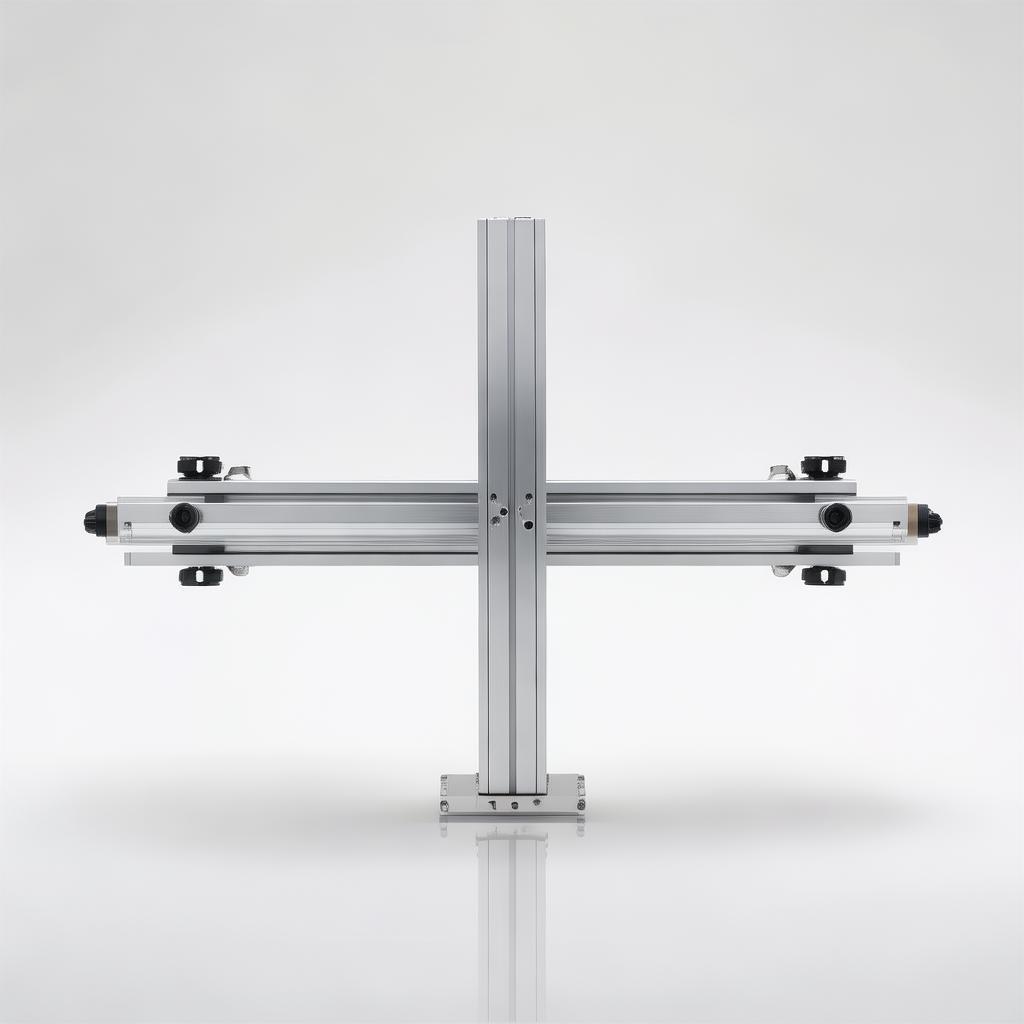
Vertical apps? Counterbalance to cut loads 50%. We've consulted on retrofits saving 15% energy.
Inside YIDI Motion: Our Factory Strengths
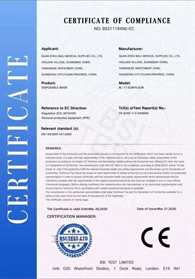
100 employees, 30% senior techs. German/Japanese CNC grinders, Zeiss CMM for metrology. ISO 9001 certified— RoHS too. Exports to 50+ countries: USA, Germany, Japan.
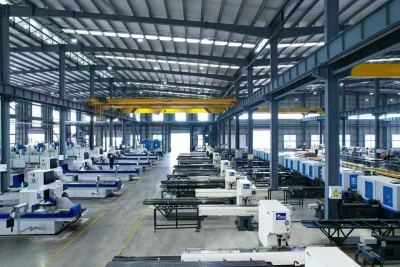
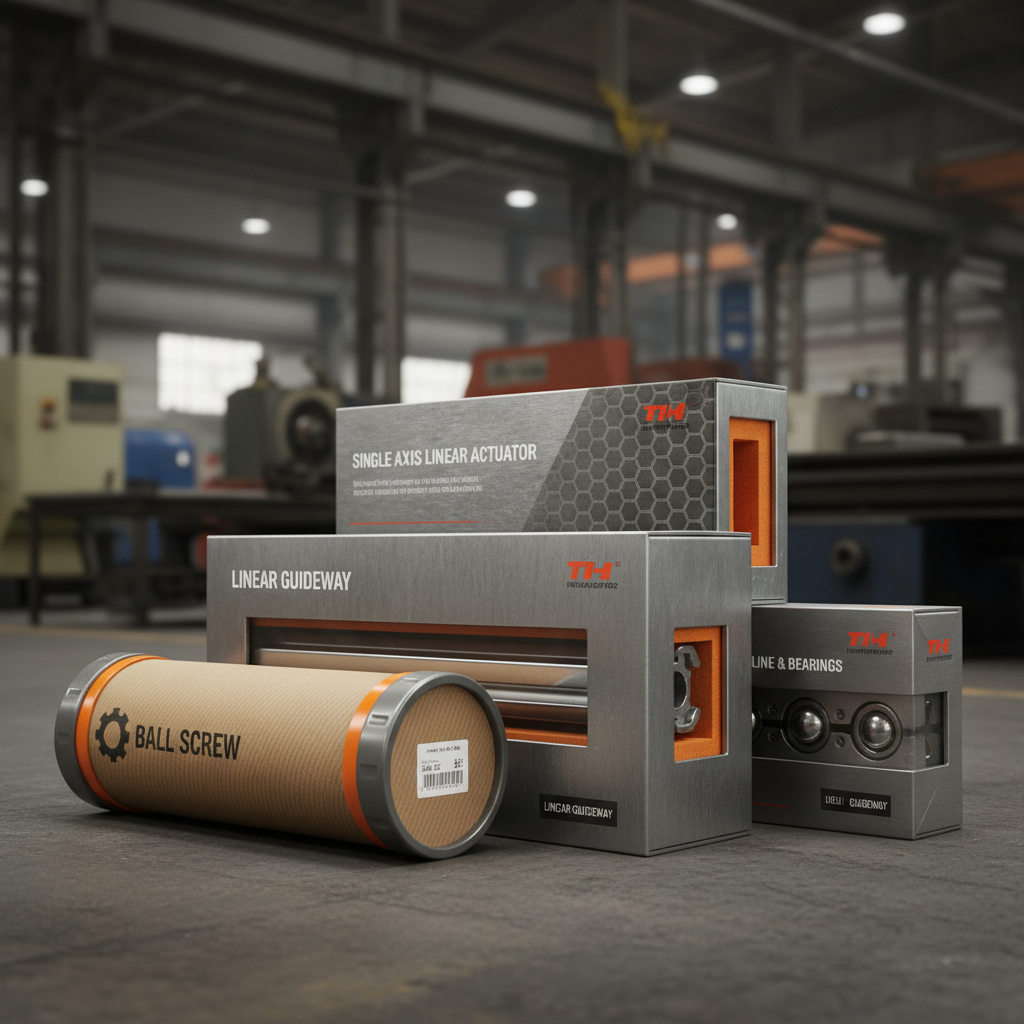
HEBEI YIDI IMPORT AND EXPORT TRADING CO.,LTD. One-stop linear motion: ball screws, guides, actuators. OEM/ODM from prototype to volume. Phone: +86 18134111662 | Email: adam@yidimotion.com

Buyer's Guide: Sourcing Reliable Ball Screws
Verify load ratings with your calcs. Ask for grind charts, not just certs. China suppliers vary—tour the floor if possible. MOQ? We start at 10pcs for customs.
Risks: Fakes with wrong steel hardness. Test samples dynamically. Compare total cost: ours include export packing, no hidden duties surprises.
Tips:
- Spec double-nut for zero backlash
- Match pitch to your servo torque
- Factor in safety margins x1.5
- Get 3 quotes, check references
Avoid: Ultra-cheap rolled with no preload. Good for prototypes, not production.
Shipping to USA and Beyond
Lead time: stock 2-4 weeks, custom 6-8. FCL 20ft holds 2000pcs. DDP to US ports, duties included. Tracking via sea/air.
Packing: Wooden crates, foam voids. No damage in 5 years of exports.
Feedback from Procurement Pros
John M., Ops Manager, Ohio CNC Shop: "Switched to YIDI C5 ballscrews after domestic lead times hit 12 weeks. Backlash gone, cycles faster. Solid value."

Maria K., Procurement Dir., Texas Automation: "OEM run of 40mm dia. arrived perfect. Engineers loved the preload stability. Shipping smooth, on budget."

David L., Engineer, California Robotics: "Integrated with our linear modules seamlessly. Efficiency up, noise down. Will reorder."

Robert S., Supply Chain, Florida: "Competitive pricing, fast customs clear. Quality matches THK but half the wait."
Common Questions from Buyers
What's the difference between ground and rolled ball screws?
Ground offer tighter tolerances for precision apps; rolled faster/cheaper for general use.
Can you do custom lengths?
Yes, up to 6m. Send drawing for quote.
OEM labeling available?
Full ODM services. Private label your brand.
Warranty?
12 months, covers manufacturing defects.
Minimum order?
Flexible, from 5pcs samples.
Ready to Upgrade Your Linear Motion?
Factory-direct pricing, expert support. No risks—free samples for qualified buyers.
+86 18134111662 | adam@yidimotion.com | Shijiazhuang, China
About the Author

Adam Li, Export Director at YIDI Motion. 15 years in linear motion manufacturing, handled exports to 50+ countries. Former engineer at state-owned factories. Focus: helping US/EU buyers cut costs without quality loss.