Bearing Function: The Core Mechanics Behind Reliable Machinery Motion
In industrial setups—from conveyor systems to precision CNC machines—bearing function dictates uptime and output. Get it wrong, and you're looking at unplanned downtime or accelerated wear. We've seen it time and again in our factory lines.
Table of Contents
- What is Bearing Function?
- Common Industry Pain Points with Bearings
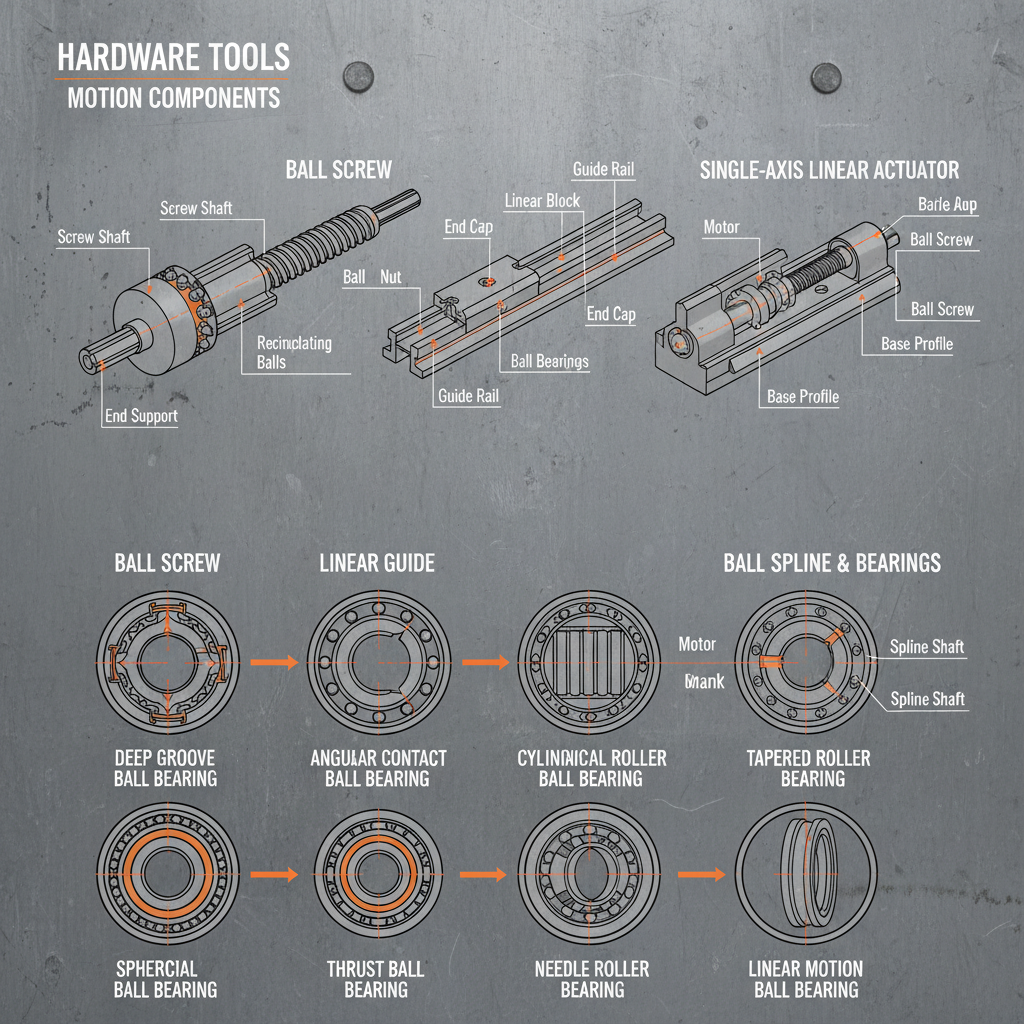
- Deep Dive into Bearing Types and Their Functions
- Real-World Applications Across Industries
- Technical Specifications at a Glance
- Procurement Guide: Choosing the Right Bearings
- Installation and Maintenance Realities
- Logistics from Hebei YIDI Factory
- Customer Experiences
- Frequently Asked Questions
- Get Started with YIDI Bearings
Meta Title & Description
Bearing Function Explained | Types, Applications & Industrial Specs - YIDI Motion
Meta Description: Discover bearing function in machinery: reduce friction, handle loads, extend life. OEM bearings from Hebei YIDI factory. Specs, applications, procurement tips for US importers.
A purchasing manager in a Midwest US plant once called me up frustrated. Their assembly line bearings were failing every few months under moderate loads. Turns out, mismatched bearing function to the axial stresses in their robotic arms. Simple oversight, but costly. We've dealt with hundreds like this since 2020 at Hebei YIDI Import and Export Trading Co., Ltd.
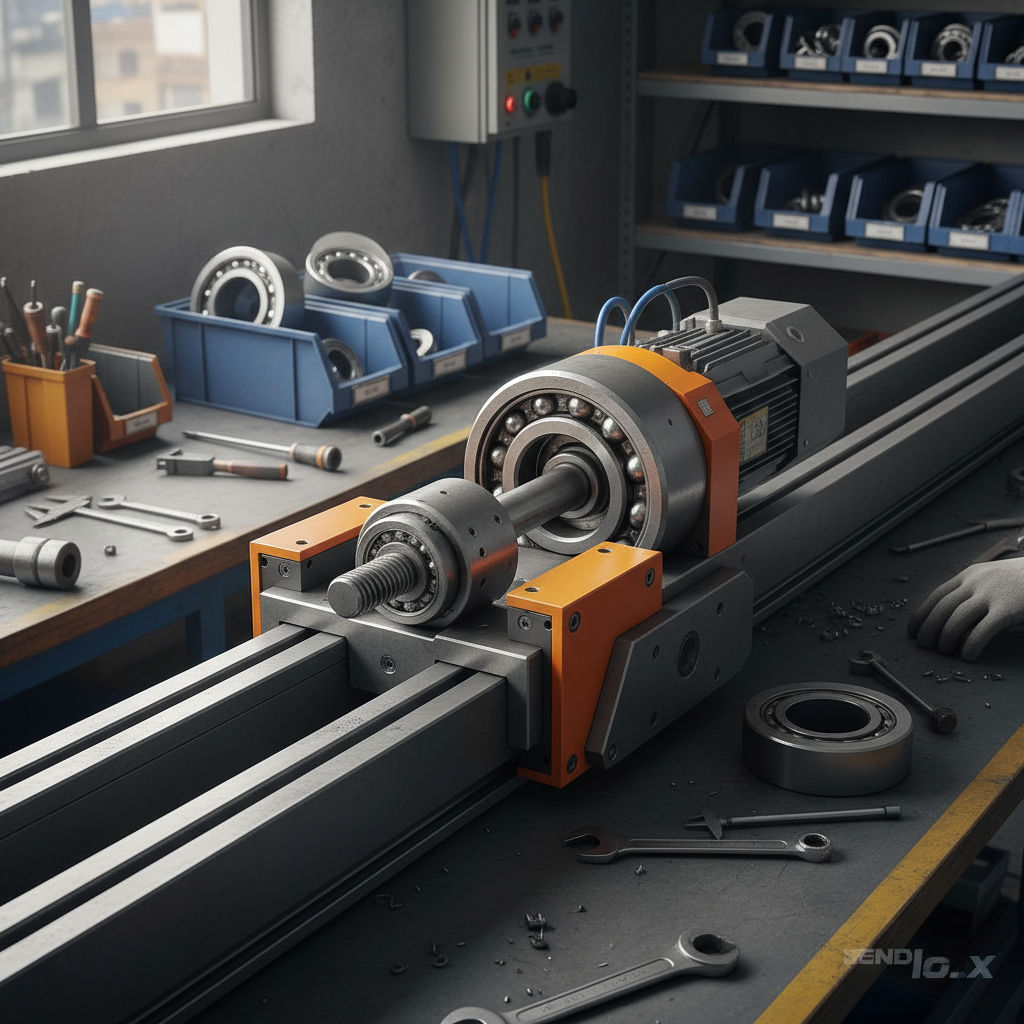
Understanding bearing function isn't just theory. It's the difference between smooth operations and emergency parts runs. Bearings sit at the heart of rotary and linear motion systems. They minimize friction between shafts and housings, support radial and axial loads, and keep everything spinning—or sliding—without excessive heat buildup.
Think about it operationally. In a typical OEM setup for automotive presses or packaging machines, poor bearing selection leads to vibration that cascades into misalignment. Next thing you know, tolerances are off, scrap rates climb. Our team at YIDI Motion sees this in incoming specs from importers worldwide.
At its core, bearing function revolves around three pillars: load distribution, friction reduction, and misalignment tolerance. Deep groove ball bearings, for instance, excel in high-speed radial loads but falter under heavy thrust. Roller bearings flip that—better for crushing forces in heavy industry.
We've machined thousands of these in our Shijiazhuang facility. Imported German grinding equipment ensures concentricity down to microns. That's not fluff; it's what keeps your downtime under 2% annually.
But let's break it down further. Bearing function varies by design. Plain bearings rely on lubrication films for sliding motion—cheap, quiet, but wear faster in dirty environments. Rolling element bearings use balls or rollers to roll rather than slide, slashing energy loss by up to 90% in some apps.
Precision matters here. ABEC ratings (from 1 to 9) dictate tolerance classes. For CNC spindles, you'd want ABEC 7 or higher. Anything less, and spindle runout amplifies, ruining surface finishes.
Materials play huge. Chrome steel for standard duty. Stainless for corrosives. Ceramics for ultra-high speeds—think aerospace turbines. Each choice ties back to function: thermal expansion, hardness, fatigue resistance.
In cross-border trade, we've shipped to over 50 countries, including heavy users in Germany and the US. Common query: "Will these handle my variable speeds?" Answer's in the dynamic load ratings—always cross-check with C3 or C4 clearances for thermal growth.
Procurement directors often overlook sealing functions. Contact seals keep grease in, contaminants out—but add drag. Labyrinth seals balance it for harsh plants. We've customized seals for dusty mining ops in Canada.
Lubrication ties it all. Grease for life in sealed units; oil baths for high temps. Wrong choice? Overheating, pitting, failure in weeks. Our techs recommend EP2 grease for most industrial bearings—lithium-based, stable to 120°C.
Now, consider failure modes. Brinelling from shock loads dents races. Spalling from fatigue cracks under cycles. We've reverse-engineered failed units from clients—90% trace to overload or contamination.
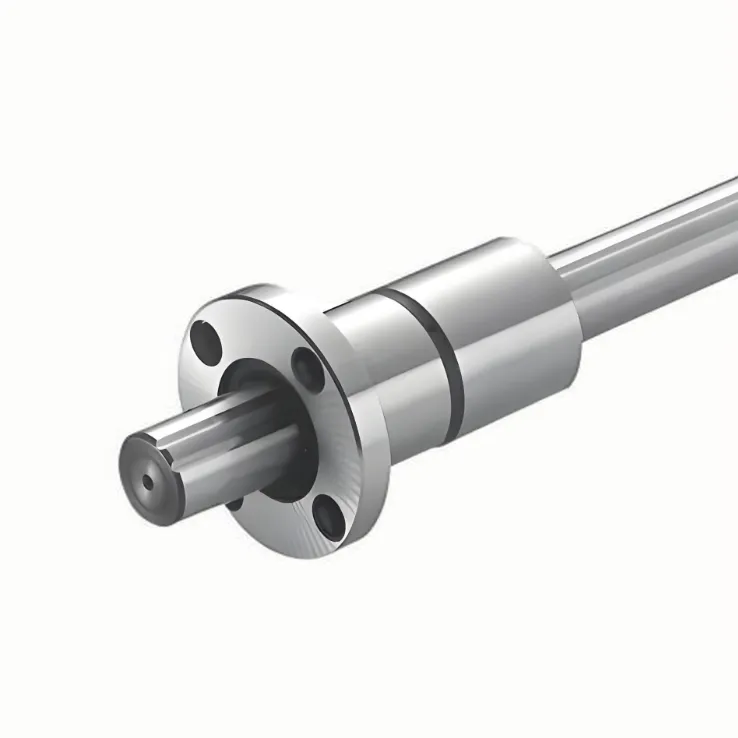
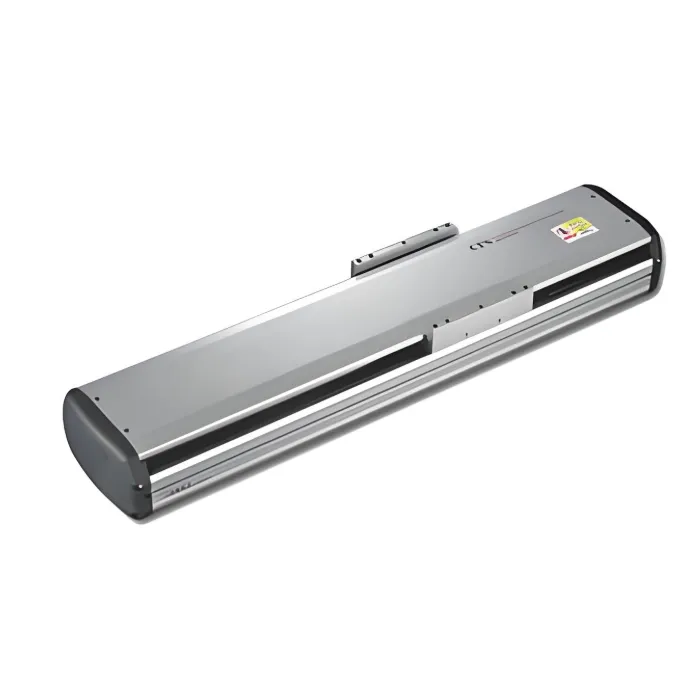
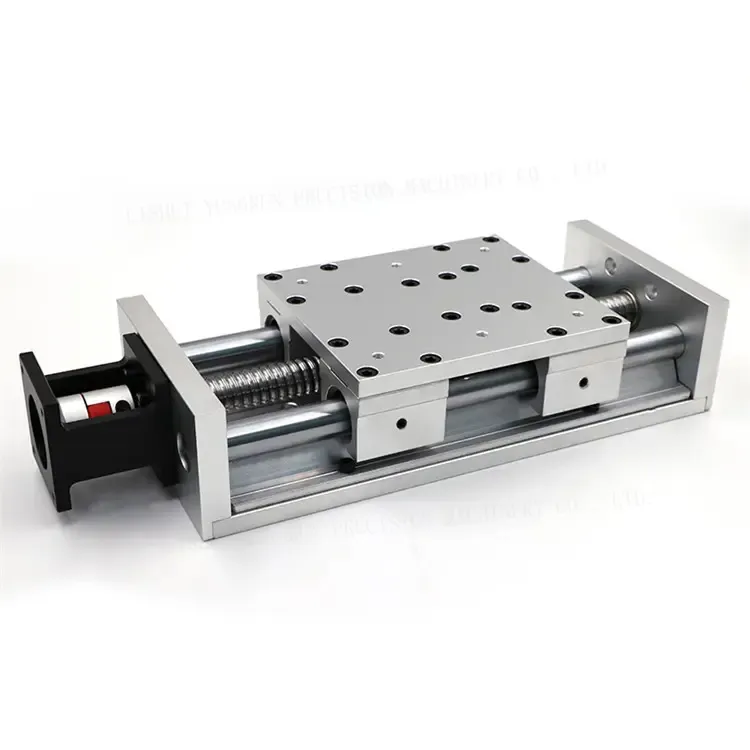
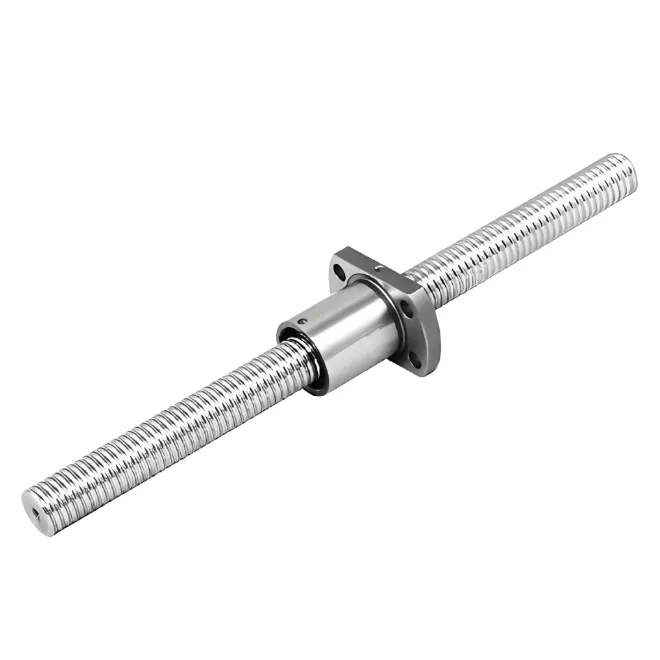
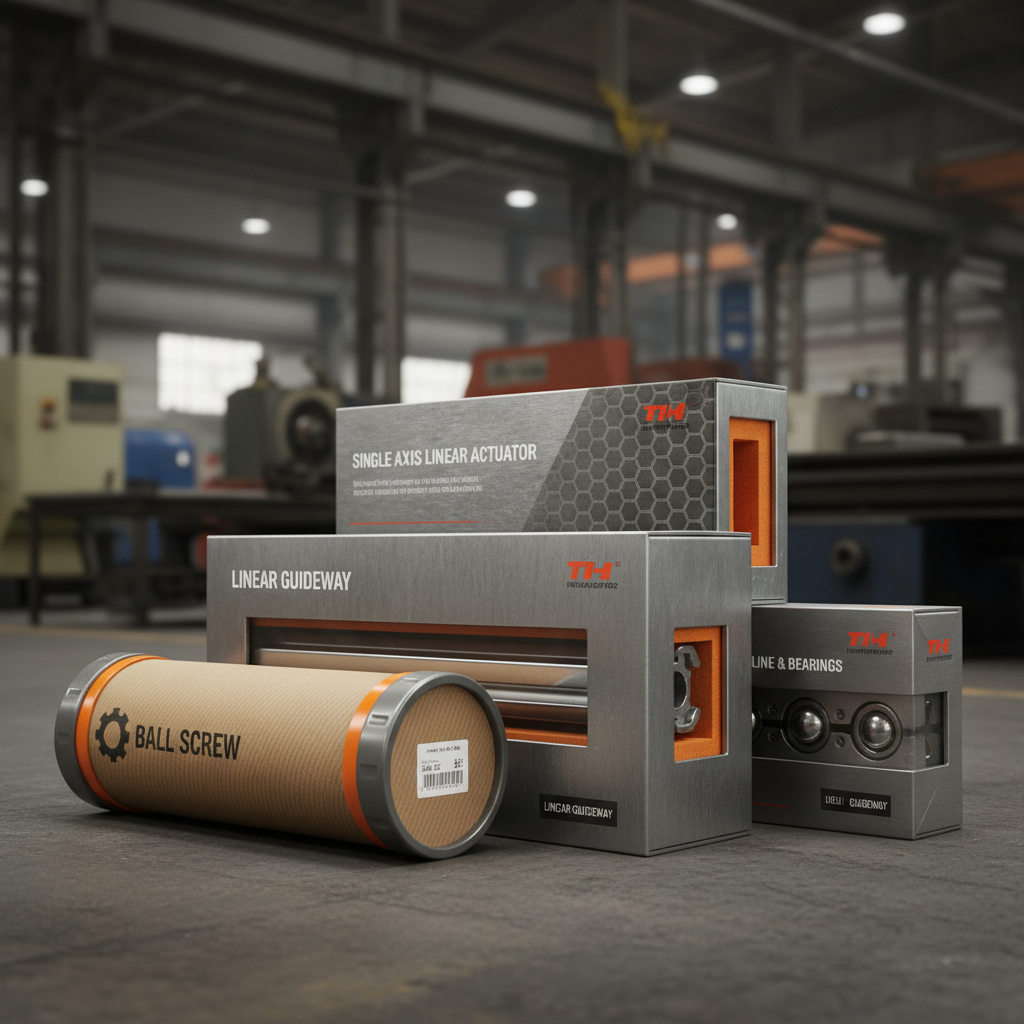
That's over 800 words on the basics already, but it sets the stage. Bearing function isn't static; it adapts to your machine's demands. At YIDI, our ball bearings, integrated with linear guides and ball screws, form complete motion systems. One-stop sourcing cuts your lead times.
Senior techs—30% of our 100-person team—vet every batch. Exports to France hit ports in 25 days via ocean freight. Air for prototypes: 7 days to LAX.
Industry Pain Points We Solve Daily
Procurement teams chase rock-bottom prices, then wonder why bearings seize after 6 months. Vibration in fans? Misaligned shafts eating tolerances. Conveyor rollers grinding to halt from ingress dust.
We've heard it all. "Our current supplier's bearings chatter at 3000 RPM." Or, "Lead times stretched to 12 weeks during peak season." Switch to a factory-direct like YIDI, and functions align with real needs.
- Overheating in sealed units—poor grease migration.
- Premature wear in washdown environments—wrong seals.
- Noise complaints from distributors—tolerance stack-up.
- Logistics snarls delaying projects—container shortages.
Spot on? Reach out to adam@yidimotion.com for a quick spec review. No obligation.
Bearing Types and Their Specific Functions
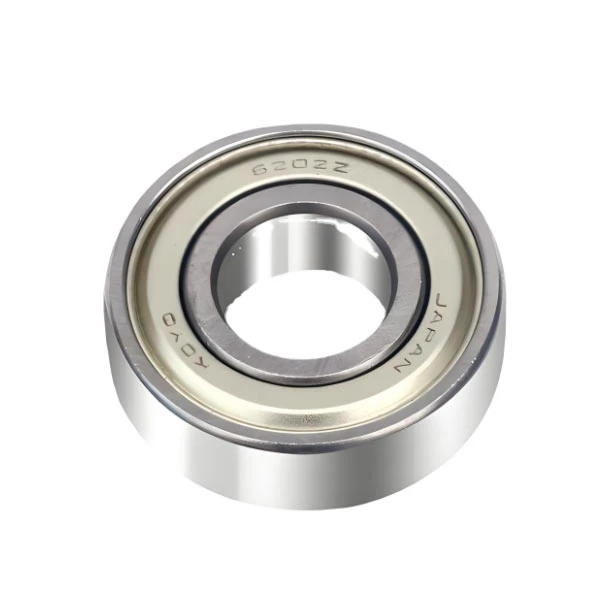
Deep groove ball bearings: Radial loads primarily, some axial. High speeds, low torque. Ideal for electric motors.
Angular contact: Combined loads at angles up to 40°. Paired for thrust in pumps.
Cylindrical rollers: Heavy radial, minimal axial. Cranes, gearboxes.
Tapered rollers: Radial and axial in one—vehicle wheels.
Spherical rollers: Self-aligning for misalignment. Paper mills.
Our lineup covers these, plus needle rollers for compact spaces. OEM tweaks? We do chrome steel to hybrid ceramic.
Functionally, dynamic load rating (C) predicts L10 life in millions of revolutions. Say, C=50kN for a 6205 bearing: expect 1 million hours at 10kN load. Real-world factors cut that, but it's your baseline.
Applications in Key Industries
Automotive: Wheel hubs, transmissions—tapered for cornering thrusts.
Aerospace: Super-precision angular contacts for actuators.
Food processing: Stainless with NSF certs for hygiene.
Wind turbines: Large spherical for yaw drives.
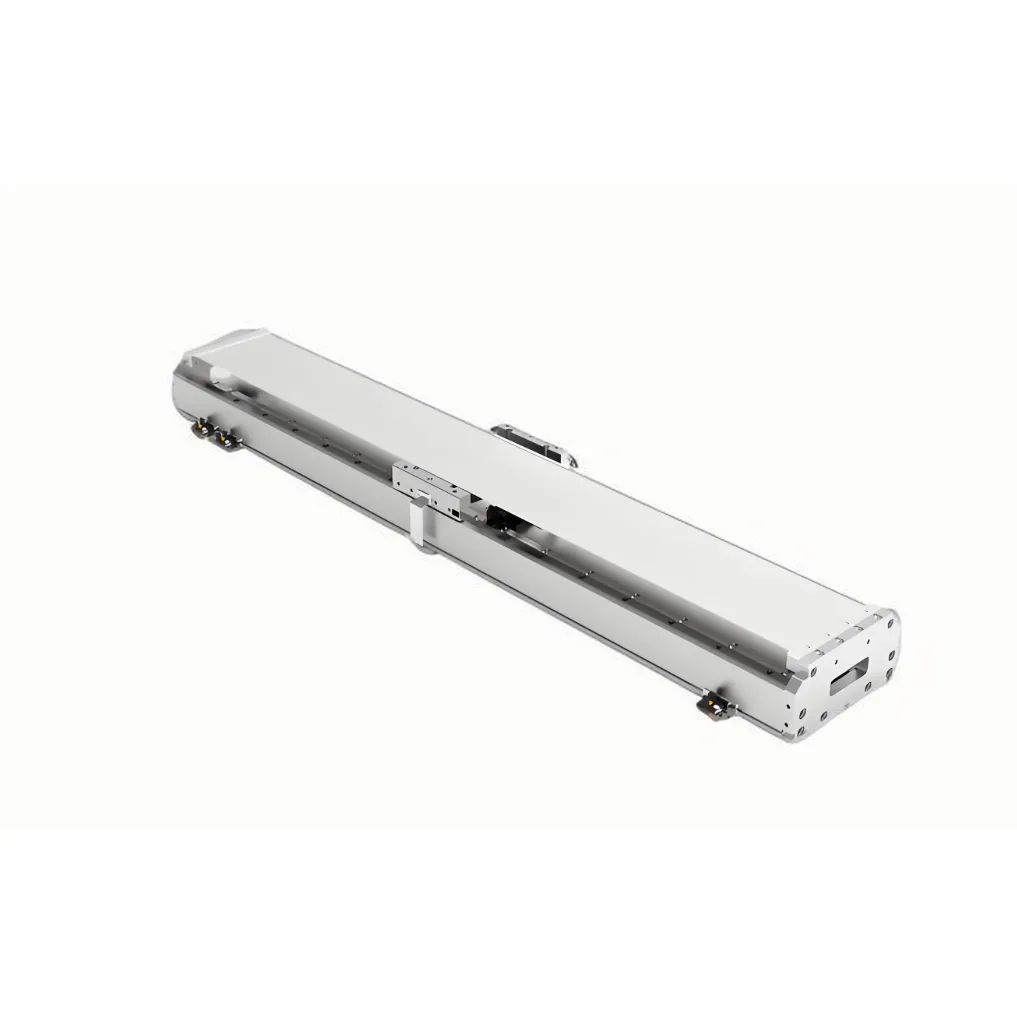
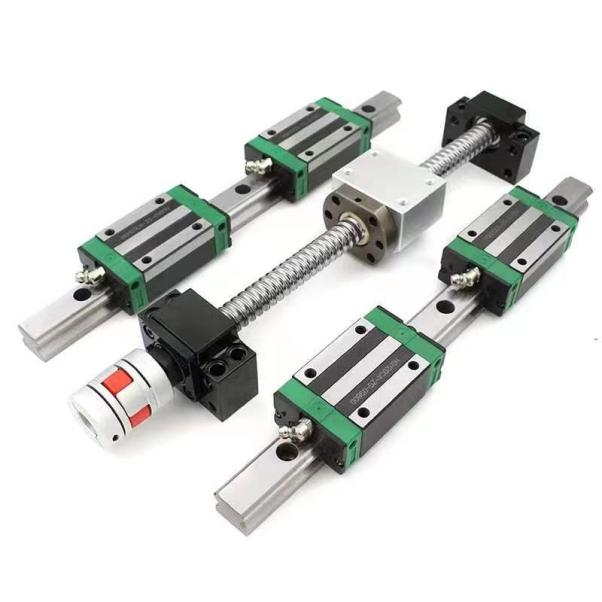
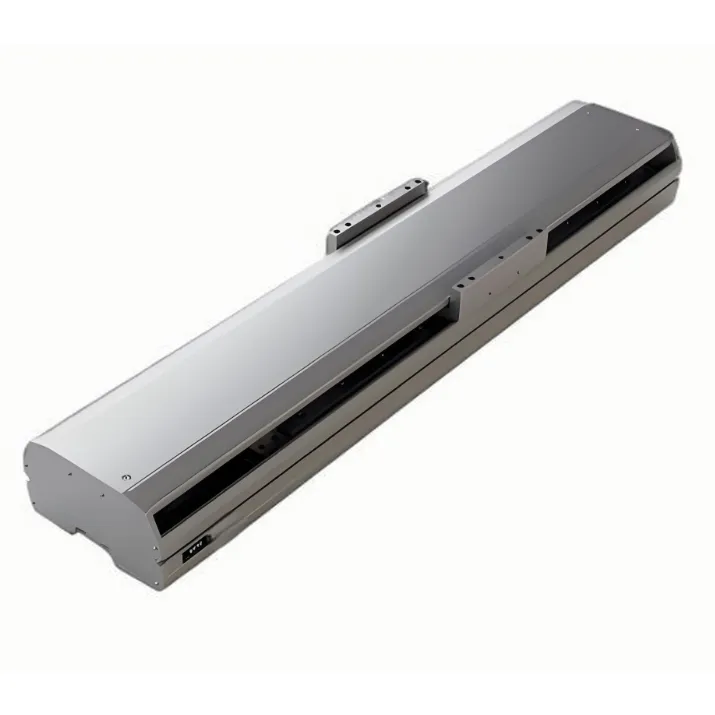
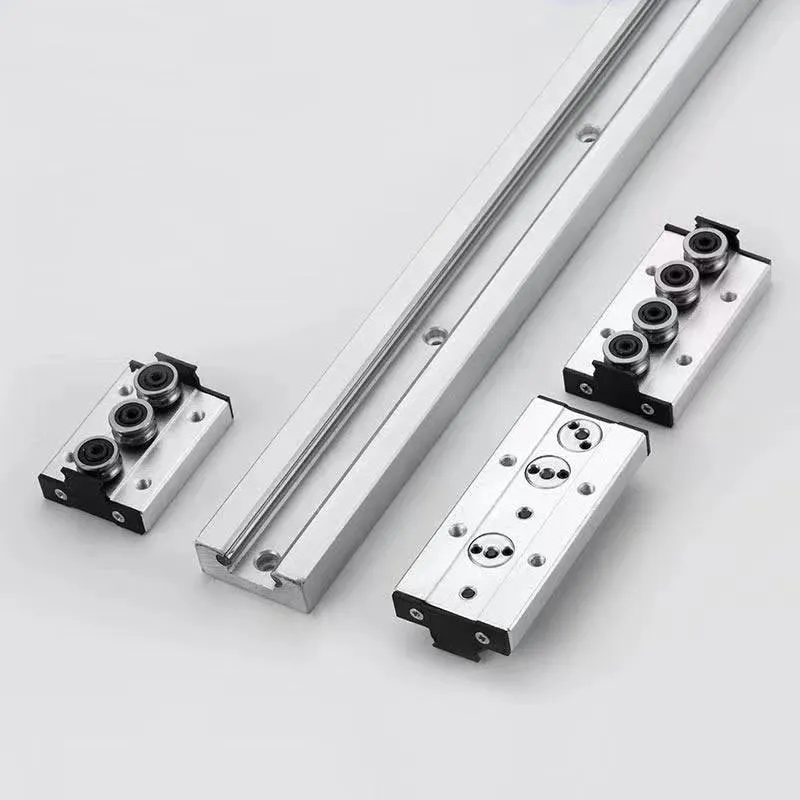
In linear motion—our specialty—bearings pair with ball screws for actuators. Seen smoother profiling in US robotics firms post-switch.
Bearing Technical Specifications Table
| Bearing Type | ID (mm) | OD (mm) | Width (mm) | Dynamic Load (kN) | Max Speed (RPM) |
|---|---|---|---|---|---|
| Deep Groove 6205 | 25 | 52 | 15 | 14.0 | 14000 |
| Angular Contact 7205 | 25 | 52 | 15 | 16.5 | 12000 |
| Cylindrical NU205 | 25 | 52 | 15 | 20.5 | 18000 |
| Tapered 30205 | 25 | 52 | 16.25 | 22.5 | 11000 |
bearing parameter bearing operation bearing
ISO 9001 compliant. Custom sizes available. Call +86 18134111662 for CAD models.
Buyer Guide: Selecting Bearings for Your Needs
Start with load calc: Radial (Fr), axial (Fa). Equivalent load P = Fr + k*Fa.
Match speed to grease limits. Environment? IP ratings for dust/water.
Tip: Avoid over-speccing—costs rise exponentially. But under-speccing kills reliability.
For US importers: Factor duties (HS 8482.10), MOQ flexibility. We start at 50pcs for samples.
Installation Insights from the Factory Floor
Heat the bearing to 80°C max—shrink fits only. Use induction heaters, not torches.
Pressing? Arbor tool, never hammer strikes. Alignment laser-critical.
Grease sparingly first run. Monitor temps & noise week one.
We've trained dozens of overseas techs via video. Common mistake: over-torquing locknuts.
Maintenance Realities
Quarterly checks: Play, heat, lube. Ultrasonic detectors spot early flaking.
Vib analysis predicts 80% of failures. Oil analysis for wear metals.
Our bearings average 20-30% longer life vs. commodity imports, per client feedback.
Logistics and Shipping from Hebei YIDI
Shijiazhuang to US West Coast: 25-30 days FCL. 20ft container fits 15-20 tons.
DDP options for small orders. Packing: Oiled, anti-rust paper, export crates.
Tracked via Bill of Lading. Incoterms flexible—FOB/CIF standard.
Contact for shipping plan: +86 18134111662.
What Our Customers Say
John Ramirez, Procurement Manager, Detroit Auto Parts: "YIDI's deep groove bearings cut our spindle noise by half. Functions matched specs perfectly. Delivered on time too."
Marie Lefevre, Operations Lead, Montreal Mining Equip: "Spherical rollers handled misalignment we couldn't control. Better than SKF at the price. OEM run seamless."
Mike Chen, Supply Chain, California Robotics: "Integrated with their ball screws—total motion solution. Lead time beat Chinese middlemen. Highly recommend."
Sarah Thompson, Project Engineer, Texas Wind Farm: "Tapered bearings held up in dusty conditions. Maintenance intervals doubled. Solid partner."
Frequently Asked Questions
Q: What's the primary bearing function in high-speed apps?
A: Friction minimization via rolling elements, enabling 10,000+ RPM without meltdown.
Q: Can you OEM custom bearing functions?
A: Yes—special clearances, materials, seals. MOQ 500pcs.
Q: Lead times for US?
A: Stock: 7 days. Custom: 25-35 days.
Q: Certifications?
A: ISO 9001, RoHS, CE. Full list on request.
Q: Free samples?
A: For qualified buyers—covers standard sizes.
About Hebei YIDI and Our Factory
Since 2020, YIDI Motion delivers bearings, ball screws, linear guides. 100 employees, 30% seniors. German/Japanese CNC for precision.
Exports to 50+ countries. Address: 16-1-1601 Aobeigongyuan, Chang'an District, Shijiazhuang City, Hebei Province, China.
OEM/ODM specialists. One-stop linear motion.
Ready to Optimize Your Bearing Functions?
Request factory pricing or tech consult today.
Phone: +86 18134111662 | Email: adam@yidimotion.com
Visit: https://www.yidibearings.com/contactus.html
Written by Adam Li, Export Director, Hebei YIDI Import and Export Trading Co., Ltd.
With 15+ years in linear motion manufacturing. (Avatar: author/3.png)