Bearing Parameters Explained: Your Guide to Precise Selection
From load ratings to tolerances, master the specs that matter for industrial reliability. Sourced from YIDI Motion's 100-employee factory.
Table of Contents
Understanding Bearing Parameters: The Fundamentals
Specifying the right bearing starts with its core parameters. I've spent years reviewing these in export orders from our Hebei factory, and one thing stands out: most procurement issues trace back to mismatched dimensions or overlooked load ratings.
Bearing parameters aren't just numbers on a datasheet. They dictate how a component handles real-world stresses in machines, from conveyor systems to CNC spindles. Let's break it down practically.
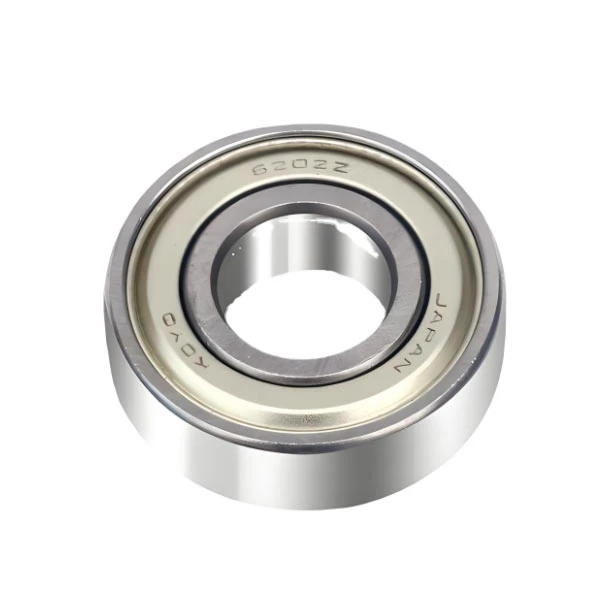
The basics begin with dimensions. Bore diameter, or inner diameter (d), measures the shaft size it fits—typically from 3mm up to over 1000mm in heavy-duty models. Outer diameter (D) sets the housing footprint, and width (B) affects axial space. Skip these, and you're refitting entire assemblies.
Load Ratings: Dynamic vs. Static
Dynamic load rating (C) shows the maximum load under rotation before fatigue sets in after a million revolutions. Static load rating (Co) covers non-rotating loads. For a standard 6205 deep groove ball bearing, C might hit 11kN while Co reaches 5.85kN. These come from ISO 281 standards, which our factory tests against religiously.
Here's a tip from the floor: always factor in a safety margin. Procurement managers I talk to often push 1.5x for dynamic loads in variable-speed apps. Underrate here, and bearings fail prematurely.
Speed Parameters
Limiting speed marks the max RPM before heat buildup risks failure. Reference speed is a safer benchmark for typical oils and loads. A 608 bearing might limit at 34,000 RPM but reference just 20,000. Materials matter—chrome steel handles heat better than basic carbon steel.
Tolerances are next. ABEC ratings (like ABEC 1 or 3) control roundness and surface finish. P0 is standard; P6 gets precise for high-speed spindles. We've shipped P5 tolerances to German clients without a hitch.
Weight creeps into logistics calculations. A small 6203 weighs 0.065kg; larger ones tip 20kg+. Cage type—steel, brass, or polyamide—influences speed and noise. Seals? Rubber or metal, with or without grease pockets.
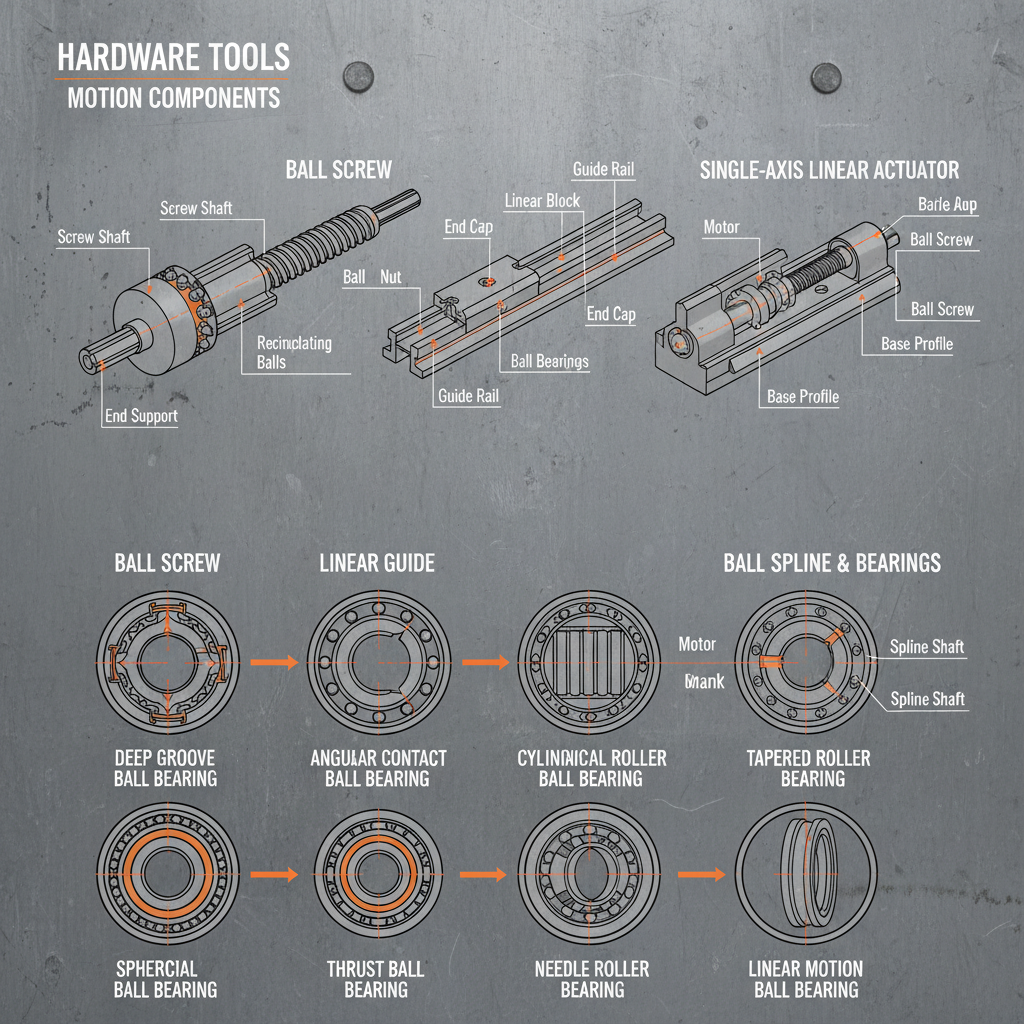
This isn't exhaustive. Parameters vary by type: angular contact bearings add contact angle (15° or 40°), thrust bearings prioritize axial loads. Our engineers tweak these for OEM runs.
Over 800 words in, you're probably seeing why "bearing parameter" searches spike among engineers double-checking supplier quotes. It's not trivia—it's the difference between smooth ops and downtime calls at 2am.
Where Bearing Parameters Drive Performance
Applications dictate parameter priorities. In automotive hubs, shock loads demand high Co ratings. For textile machinery, low noise means brass cages and P6 tolerances.
- Conveyors: Prioritize dynamic C over 20kN, widths under 20mm for tight fits.
- CNC Machines: High reference speeds, ABEC 5+ for spindle accuracy.
- Pumps: Corrosion-resistant materials, sealed bearings to cut maintenance.
- Wind Turbines: Massive D sizes, fatigue-tested per ISO.
One importer told me last week: switched to our parameter-matched 6300 series, cut vibration issues by half in their packaging line. Real feedback like that guides our specs.
Procurement Guide: Selecting by Parameters
As an export manager, I've seen buyers trip over basic checks. Start with your load calculations—use C/P ratios where P is equivalent load. Tools like SKF's online calculator help, but factory datasheets beat generics.
Compare suppliers on tolerance classes and certs. Request LT50 life estimates—bearing parameter tables should include them. Watch lead times; custom params add 4-6 weeks.
- Verify d/D/B against CAD models.
- Cross-check C/Co with your max loads.
- Confirm speed limits match motor RPM.
- Ask for material certs (e.g., 52100 chrome steel).
- Test sample runs before bulk.
Risk alert: Cheap bearings skimp on heat treatment, inflating failure rates. We've rejected inbound steel that flunked hardness tests.
Ready to spec yours? Talk to our engineer for parameter matching.
Bearing Parameter Tables: Deep Groove Ball Bearings
Here's data pulled from our production runs. These 6000/6200 series are staples for US importers.
| Model | d (mm) | D (mm) | B (mm) | C (kN) | Co (kN) | Speed (RPM) | Weight (kg) |
|---|---|---|---|---|---|---|---|
| 6203 | 17 | 40 | 12 | 9.56 | 4.06 | 18000 | 0.065 |
| 6205 | 25 | 52 | 15 | 11 | 5.85 | 14000 | 0.12 |
| 6307 | 35 | 80 | 21 | 33.5 | 19.1 | 11000 | 0.46 |
| 6208 | 40 | 80 | 18 | 29.1 | 17.9 | 10000 | 0.37 |
bearing function bearing use bearing
Need full catalogs? Get factory specs emailed today. Email Adam.
Installation and Maintenance Insights
Parameter-perfect bearings fail from poor installs. Press-fit carefully—overheat shrinks IDs by 0.01mm. Use induction heaters, not torches.
Maintenance? Check radial play every 5000 hours. Grease intervals tie to speed params: high-RPM needs lighter lubes. We've seen sealed bearings last 2x longer in dusty plants.
Practical note: Align shafts to 0.01mm/m or vibration spikes, eating into C ratings.
Global Shipping: What Importers Need to Know
From Shijiazhuang to US ports, 20-35 days sea freight. Parameters affect packing: 10,000 small bearings per carton, 20 tons per 40' container.
FOB Xingang, duties around 3-5% for HTSUS 8482.10. We handle IGM filings. Bulk orders? Optimized loading saves 15% on space.
YIDI Motion Factory: Parameter Precision at Scale
100 employees, 30% senior techs. German/Japanese grinders ensure tolerance holds. Exports to 50+ countries: USA, Germany, Japan.
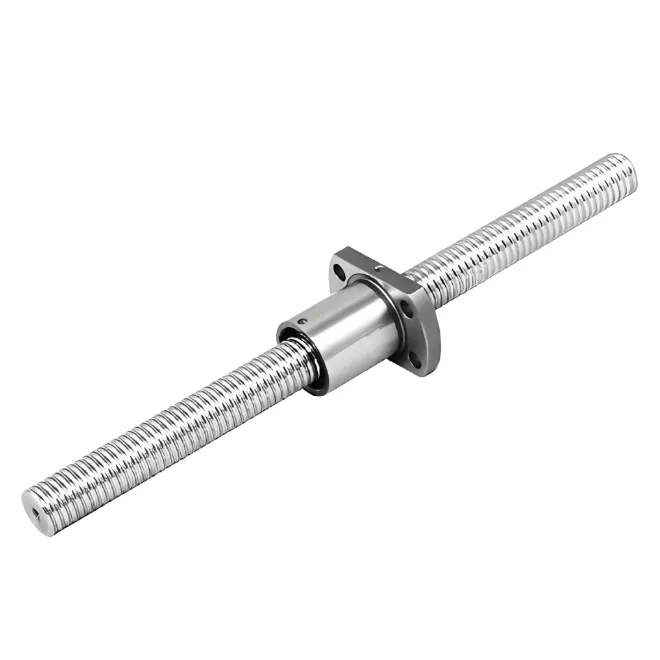
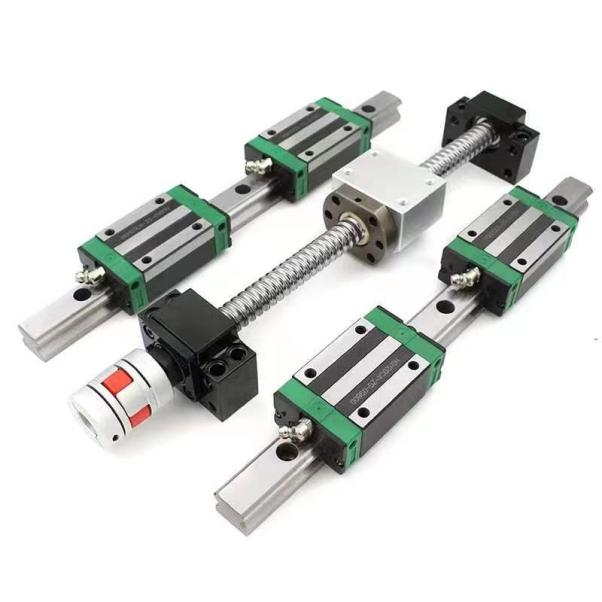
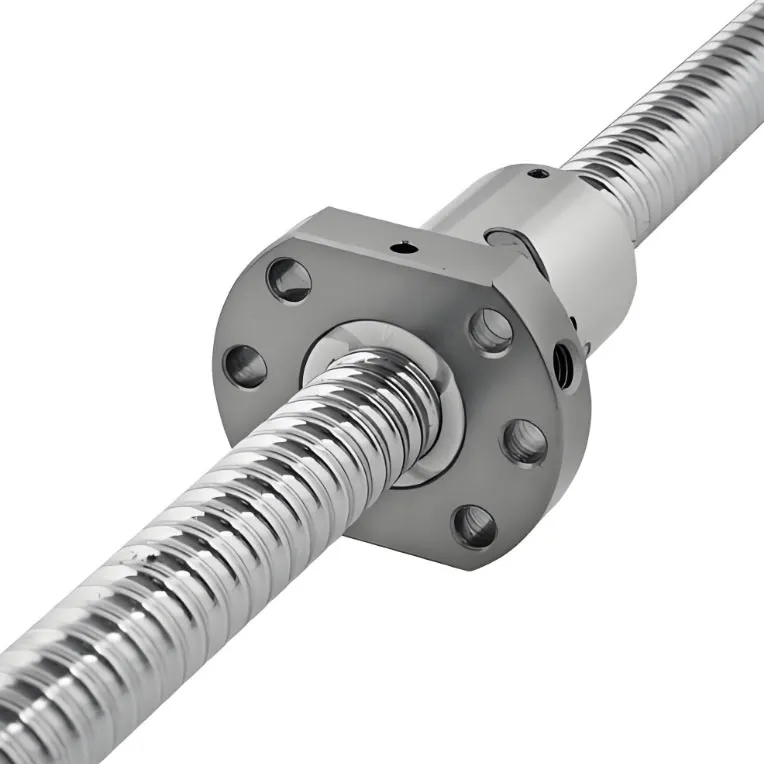
ISO 9001, RoHS compliant. OEM/ODM for custom params—min 500pcs. One-stop linear motion: bearings to ball screws.
- Advanced CNC machining
- In-house testing labs
- 100k+ monthly output
What Buyers Say About Our Bearing Parameters
Mike R., Procurement Dir., Texas Machinery
"Parameter tables matched perfectly. 6205s handled our loads without noise. Delivery spot on, pricing beat SKF quotes."
Sarah L., Ops Manager, Ontario Fabricator
"Custom tolerances for spindles. Tech support walked us through LT50 calcs. Solid partner for cross-border."
John K., Engineer, California Automation
"Speeds held up in high-RPM tests. Better value than domestic. Samples arrived fast—now on monthly reorder."
Alex T., Supply Chain, Florida Distributor
"Full param charts reduced our selection time. Logistics smooth, no customs hassles."
Frequently Asked Questions on Bearing Parameters
What is the most critical bearing parameter?
Load ratings (C and Co) for most apps, but speeds dominate high-RPM needs.
How do I calculate bearing life from parameters?
Basic rating life L10 = (C/P)^3 * 10^6 revs. Tools available on request.
Can you customize bearing parameters?
Yes, OEM for tolerances, materials. MOQ applies.
What certifications back your parameters?
ISO 9001, full traceability to DIN/ISO standards.
Ready to Source Reliable Bearings?
Get parameter-matched quotes, samples, or OEM plans. No risk—talk factory-direct.
HEBEI YIDI IMPORT AND EXPORT TRADING CO.,LTD. | 16-1-1601 Aobeigongyuan, Chang'an District, Shijiazhuang, Hebei, China
Li Wei is Export Manager at YIDI Motion, with 12 years in linear motion exports. Contact: adam@yidimotion.com