8 Types of Bearings Every Procurement Manager Needs to Know
From ball bearings to thrust designs—select the right one for your OEM projects with factory-direct insights
Why Bearings Matter in Industrial Operations—and the 8 Types You Should Consider
I've spent over 15 years in the linear motion industry, sourcing and specifying bearings for everything from CNC machines to heavy automation lines. One thing procurement teams always tell me? Getting the bearing type wrong early on leads to downtime, rework, and budgets blown on replacements. That's why understanding these 8 core types isn't just technical trivia—it's a direct path to smoother operations and better ROI.
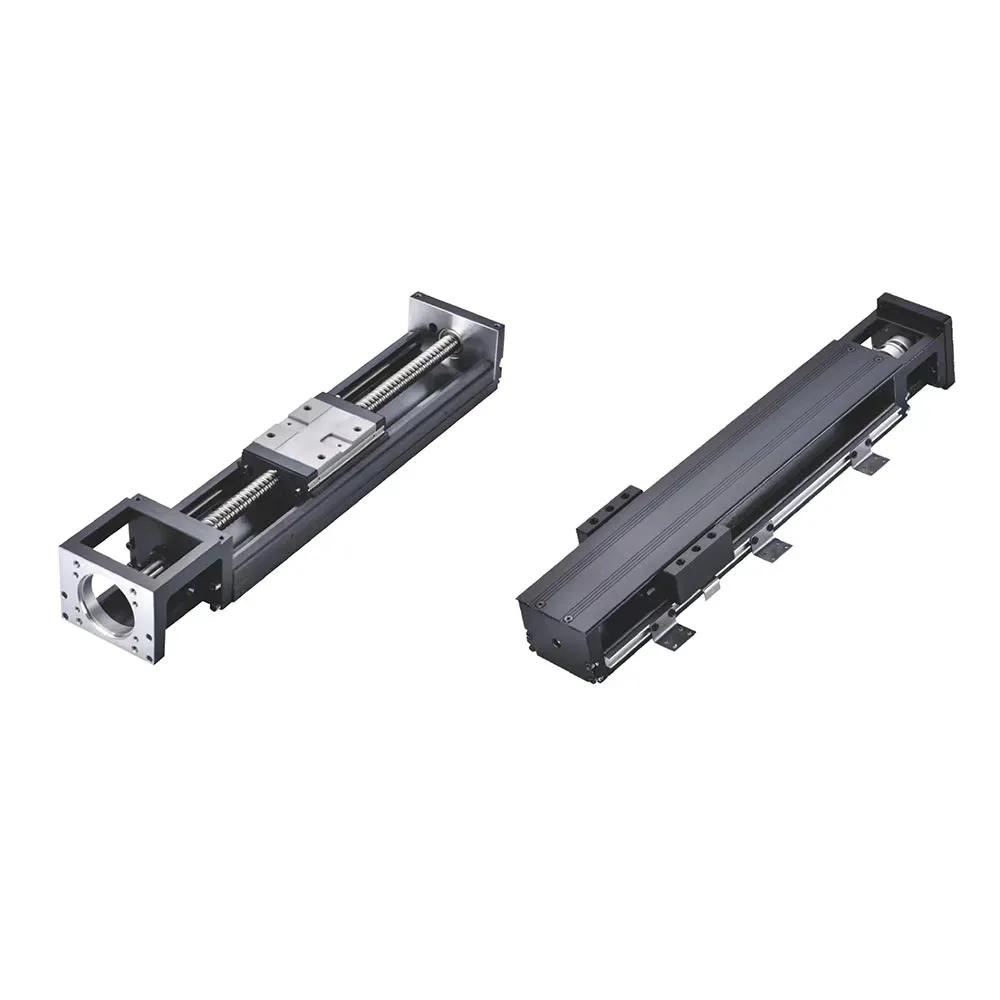
Bearings reduce friction between moving parts, handling radial loads, axial forces, or both depending on the design. In our factory here in Hebei, we produce them alongside ball screws and linear guides, tailoring for OEM runs where precision and durability are non-negotiable. But not all bearings fit every job. A high-speed spindle calls for something different than a slow-turning conveyor pivot.
Let's break it down practically. We'll cover the essentials: what each type does best, where it falls short, and when to spec it for your project. This isn't textbook theory—it's drawn from real shipments to US assemblers facing tight tolerances and aggressive lead times.
Start with the basics. All quality bearings follow standards like ISO 9001 for consistency, but material choices—chrome steel, stainless, or ceramic—affect performance in harsh environments. We've exported to over 50 countries, including demanding US markets, so we know what holds up under vibration, dust, or washdowns.
Common pitfall? Overlooking load direction. Radial loads push perpendicular to the shaft; axial thrust along it. Mismatched types lead to premature failure. Our engineers run FEA simulations before production to match your specs exactly.
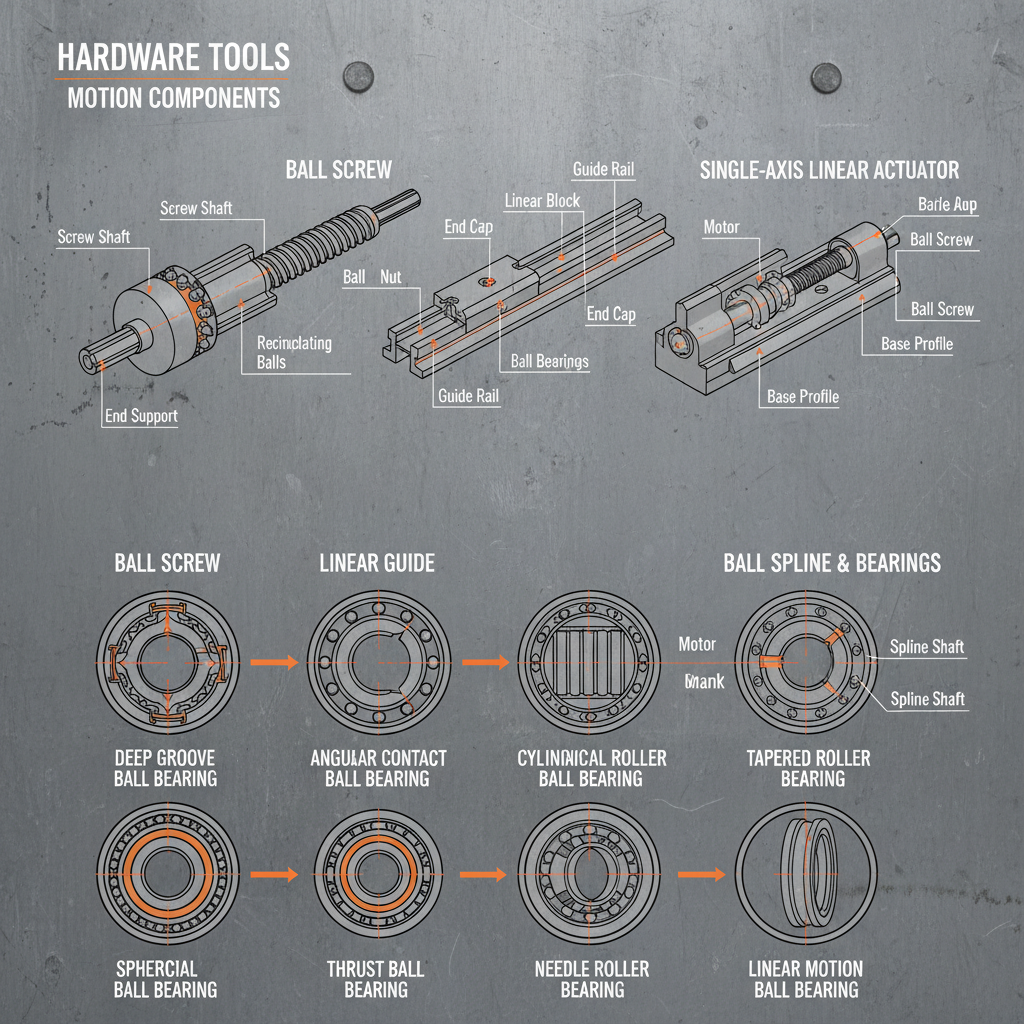
Over the next sections, expect details on each of the 8: ball bearings (versatile workhorses), cylindrical rollers (high radial capacity), tapered rollers (combined loads), spherical rollers (misalignment pros), needle rollers (space-savers), thrust ball (pure axial), angular contact (high-speed duo loads), and plain bushings (low-speed simplicity). Each has its niche in linear motion systems we specialize in.
Procurement tip: Always factor in your PV value—pressure times velocity—to avoid heat buildup. We've seen buyers shave weeks off installs by picking the right one upfront.
This guide clocks in deep because real decisions demand it. Skip the fluff; we're talking operational realities from factory floor to your assembly line.
Deep Dive: The 8 Types of Bearings and Their Operational Realities
1. Deep Groove Ball Bearings
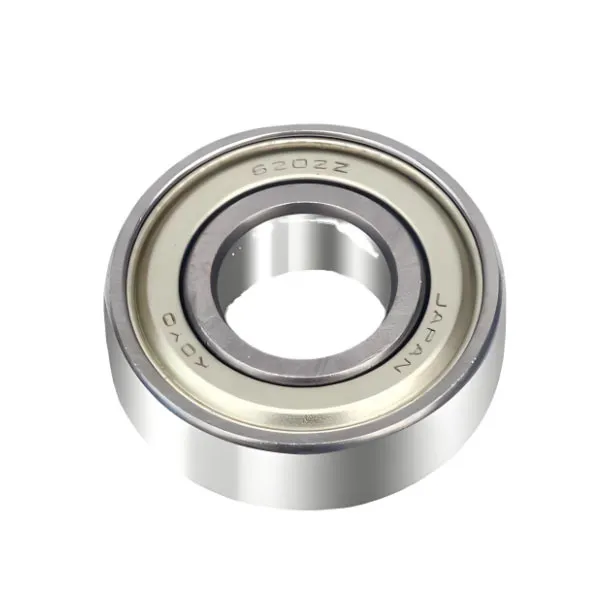
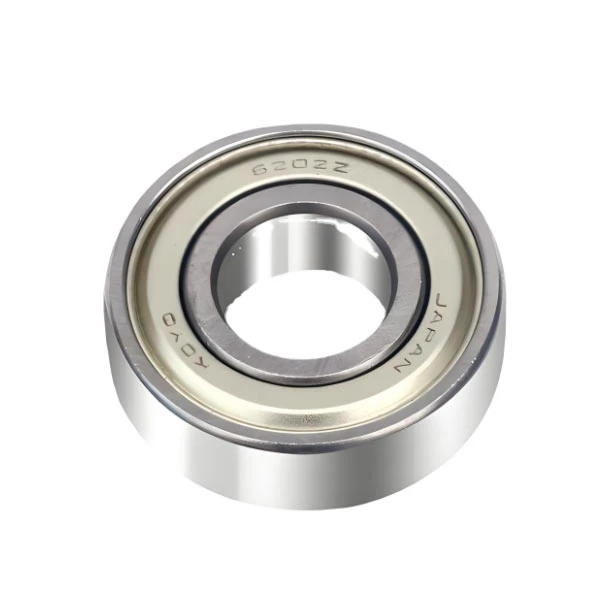
These are the go-to for most radial loads. Single-row design with deep raceways lets them handle some axial too—up to 20% of radial capacity. Quiet, low-friction runners ideal for electric motors and pumps.
In practice, we spec them for linear actuators where speed tops 10,000 RPM. Chrome steel versions dominate, but stainless shines in food processing. Watch for contamination; seals matter.
2. Cylindrical Roller Bearings
Line contact over point contact means superior radial load handling. No axial capacity unless modified. Great for large shafts in gearboxes or rolling mills.
Factory observation: They run hotter under heavy loads, so pair with good lubrication. We've customized cages for high-vibe apps, extending life 30-50% in US customer's paper machines.
3. Tapered Roller Bearings
Conical rollers adjust preload for combined radial-axial loads. Automotive hubs love them; think truck axles taking cornering forces.
Installation note: Set the endplay right or you'll get brinelling. Our ODM lines produce them with ABMA precision classes for automotive OEMs.
4. Spherical Roller Bearings
Barrel-shaped rollers self-align under misalignment—up to 2 degrees. Heavy radial and moderate axial duties in mining crushers or paper dryers.
Real talk: They tolerate shaft deflection better than rigid types. We've shipped tons to US conveyor builders dodging alignment headaches.
5. Needle Roller Bearings
Thin, needle-like rollers pack max capacity into minimal space. Stud or drawn-cup styles for planetary gears or rockers.
Procurement heads-up: High stiffness but sensitive to skewing. Lubricate generously; we've seen them outlast balls in compact linear modules.
6. Thrust Ball Bearings
Handle pure axial loads one way. Washers and balls in grooves—simple, cheap for low-speed vertical shafts.
Limit: No radial strength, so combine with radials. Common in our ball screw assemblies for screw-end thrust.
7. Angular Contact Ball Bearings
Raceways angled for simultaneous radial-axial loads. Duplex pairs boost capacity; high-speed spindles and pumps use them.
Engineer tip: Contact angle (15-40°) dictates thrust ratio. We duplex-match for CNC tools, hitting 20,000 RPM without whip.
8. Plain Bearings (Bushings)
No rolling elements—sliding surfaces with lube. Porous bronze or PTFE-lined for low-speed, high-load like hinges or linkages.
Often overlooked, but silent and maintenance-free in oscillatory motion. We've integrated them in linear guides for dusty environments.
Each type ties back to linear motion control, our core. Choosing wrong? Expect 2-3x shorter life. Let's see them in action next.
Where These 8 Types Excel in Industrial Applications
Take a US robotics integrator—we supplied angular contact for arm joints, handling dynamic loads at speed. Or ball bearings in packaging lines churning 24/7.
- Deep Groove Ball: Fans, pumps, light conveyors. Everyday reliability.
- Cylindrical Roller: Wind turbines, heavy presses. Radial beasts.
- Tapered Roller: Wheel hubs, gearboxes. Combo load champs.
- Spherical Roller: Vibrating screens, crushers. Misalignment forgiving.
- Needle: Transmissions, winches. Space-tight fits.
- Thrust Ball: Screws, turntables. Axial specialists.
- Angular Contact: Machine tools, compressors. Precision speed.
- Plain: Agricultural pivots, door hinges. Low-tech durability.
Logistics angle: For USA imports, we optimize for 20' containers—up to 5 tons without damage. Lead times? 4-6 weeks stock, 8-10 custom.
Buyer's Guide: How to Procure the Right Bearing Without Regrets
Step 1: Map loads. Radial? Axial? Dynamic C vs static Co.
Step 2: Speed and life. L10 rating should exceed your warranty period.
Step 3: Environment. IP ratings, materials—corrosive? Go coated.
Warning: Cheap imports flake on tolerances. Verify ISO 9001, RoHS.
Pro Tip: Request dynamic balance certs for high-speed. Saves imbalance failures.
OEM/ODM with us? Send CAD; we prototype in 2 weeks.
Request OEM SpecsTechnical Specifications Comparison Table
| Type | Load Type | Max Speed (RPM) | Misalignment Tolerance | Typical Size Range (ID mm) |
|---|---|---|---|---|
| Deep Groove Ball | Radial + light axial | 20,000+ | Low | 3-100 |
| Cyl. Roller | Heavy radial | 10,000 | None | 20-500 |
| Tapered Roller | Radial + axial | 8,000 | Adjustable | 10-200 |
| Spherical Roller | Heavy radial + axial | 6,000 | High (2°) | 25-300 |
| Needle Roller | Radial | 12,000 | Low | 3-50 |
| Thrust Ball | Axial only | 5,000 | None | 10-200 |
| Angular Contact | Radial + axial | 25,000+ | Low | 5-150 |
| Plain Bushing | Radial (low speed) | 2,000 | High | 2-100 |
Sources: Based on standard ISO/ABMA ratings. Custom variants available.
YIDI Motion: Your OEM Partner for Bearings
HEBEI YIDI IMPORT AND EXPORT TRADING CO., LTD. – YIDI Motion since 2020. 100+ staff, 30% senior techs. German/Japanese CNC machines ensure micron precision.
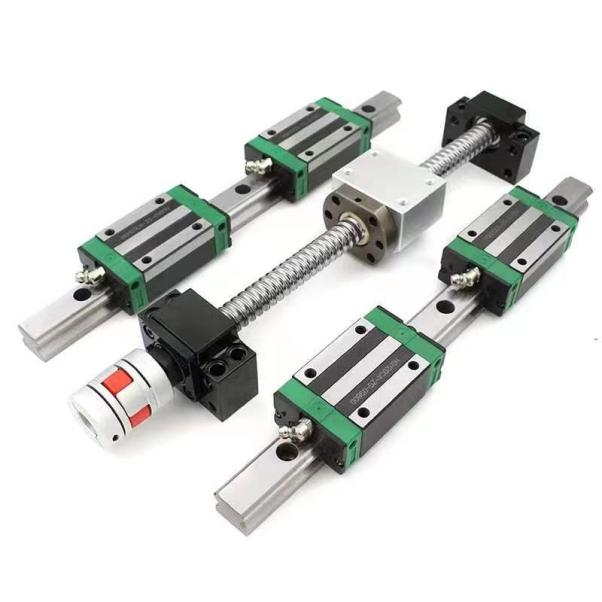
Exports to USA, Germany, Japan. One-stop linear motion: ball screws, guides, splines, bearings.


Capabilities: CNC grinding, heat treatment, auto-assembly. ODM prototypes fast.
Contact: +86 18134111662 | adam@yidimotion.com | Full Contact
What Our US and Global Buyers Say

John M., Procurement Mgr, Texas Automation: "Switched to YIDI spherical rollers for our conveyors. Handled misalignment we couldn't fix before. Delivery on time, pricing beat domestic."

Sarah K., Ops Director, California Robotics: "Angular contact duplex sets for spindles—hit RPM targets without noise. OEM integration seamless."

type of bearing different type of bearing bearing type
Mike R., Engineer, Midwest Machinery: "Needle bearings saved space in our gear drives. Quality matched SKF at half cost."
Carlos G., Importer NY: "Full container of mixed types arrived perfect. Customs smooth."
Buyer FAQs on Bearing Types
- Which bearing for high misalignment?
- Spherical roller. Tolerates up to 2° shaft deflection.
- Best for pure thrust?
- Thrust ball bearings. Simple and cost-effective.
- Lead time for custom?
- 8-10 weeks. Stock types 4 weeks to USA port.
- Minimum order?
- Flexible for samples; 500pcs production.
- Can you match competitor specs?
- Yes, send drawings. Reverse-engineer if needed.
Ready to Spec Your Bearings?
Drop your load/speed details. We'll send tailored recommendations and pricing.
16-1-1601 Aobeigongyuan, Chang'an District, Shijiazhuang, Hebei, China
Written by Adam Lee, Export Director at YIDI Motion

15+ years in linear motion exports. Connect on LinkedIn or email.