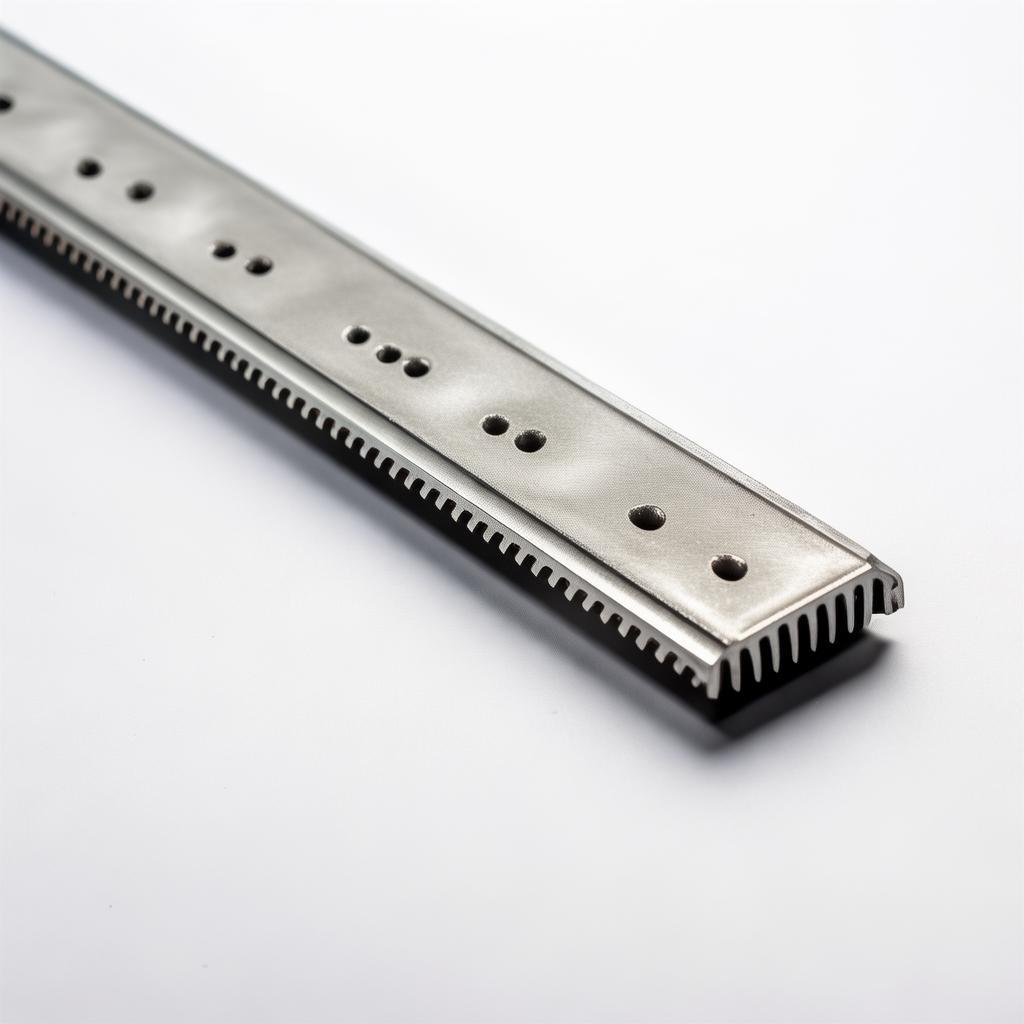
Ball Screw Lead Screw: Precision Linear Motion for Demanding Applications
Discover high-efficiency ball screws and reliable lead screw options from YIDI Motion. OEM/ODM ready for global B2B procurement.
Exporting to USA, Europe, Japan | Lead times from 15 days
Table of Contents
Navigating Ball Screw and Lead Screw Choices in Linear Motion
Procurement teams often hit a wall when speccing linear motion components. You're midway through a CNC retrofit or automation upgrade, and the specs call for reliable screw drives. But which way to go—ball screw or lead screw? I've seen it play out dozens of times in my years managing exports for YIDI Motion. One minute, you're chasing precision and speed; the next, budget constraints push back.
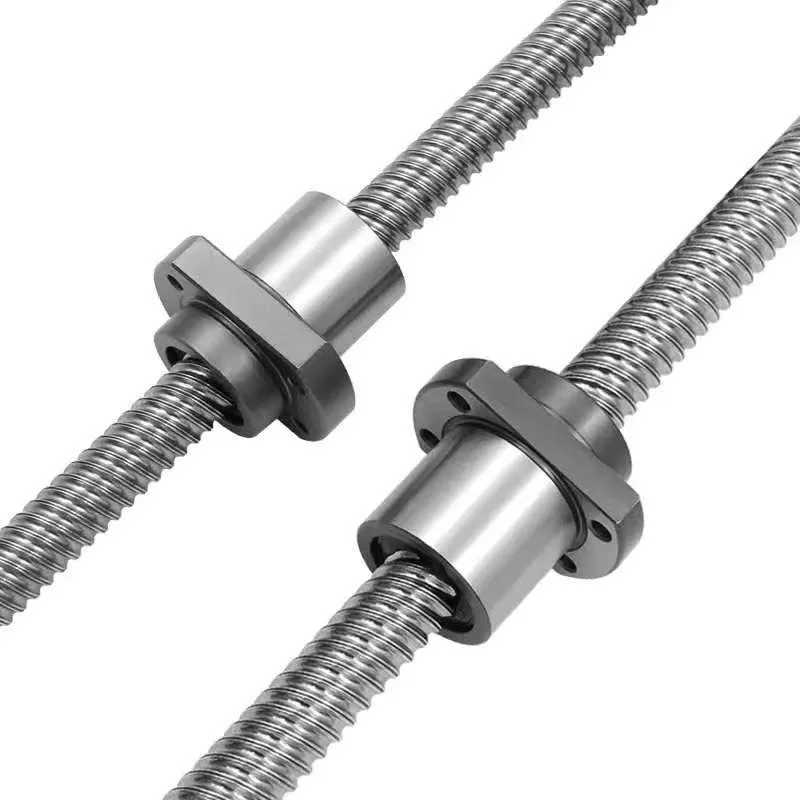
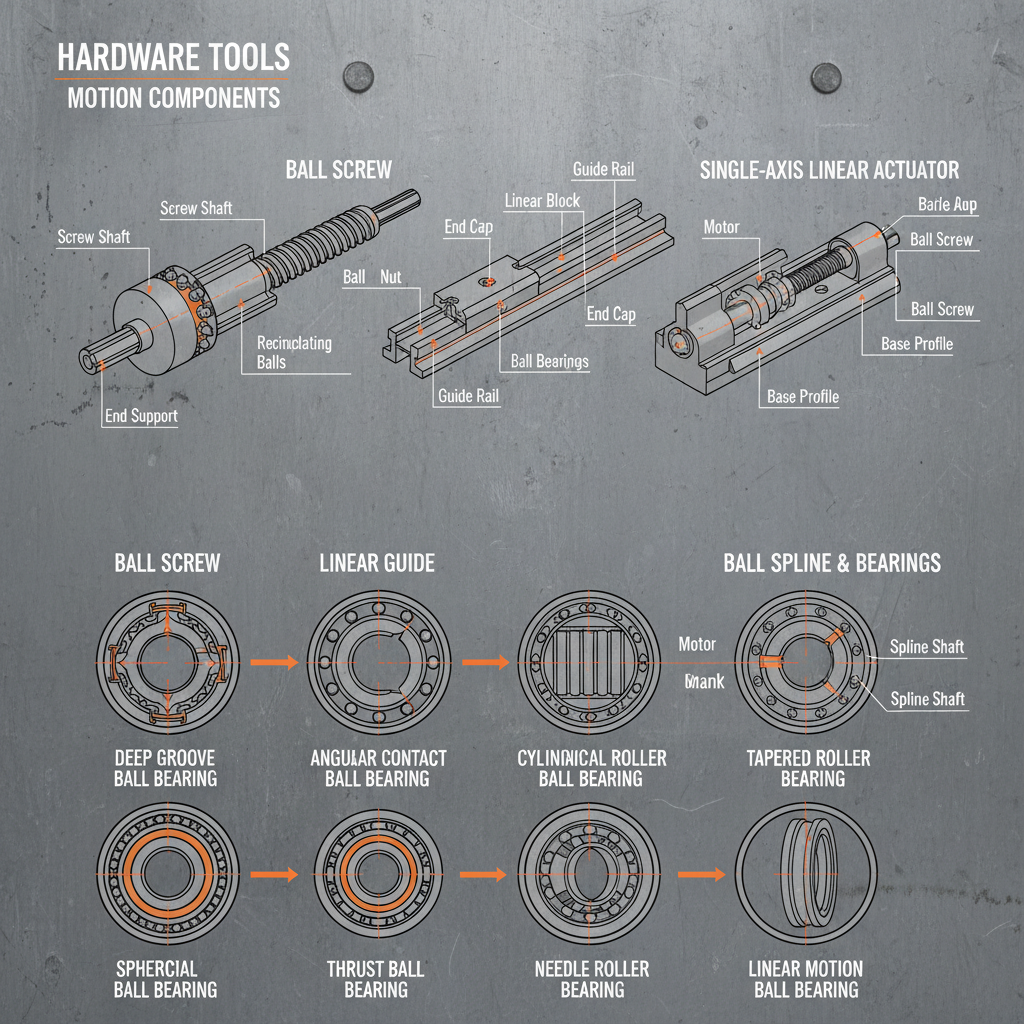
Ball screws dominate high-end applications for good reason. They roll, not slide, using recirculating steel balls to cut friction by up to 90% compared to traditional lead screws. That translates to smoother operation, higher load capacities, and efficiencies often exceeding 90%. Lead screws, on the other hand—think Acme or trapezoidal threads—handle the job where cost trumps precision. They're simpler, cheaper to produce, and plenty tough for intermittent duty cycles.
Take a typical US importer we supplied last quarter. They needed 20mm diameter ball screws for a packaging line. Lead screws would've worked short-term, but backlash buildup would've killed repeatability within months. We spec'd precision-ground ball screws with preloaded nuts. Result? Zero complaints, repeat order inbound.
Understanding the nuances matters. Ball screws come in rolled or ground variants. Rolled ones suit moderate precision needs, like robotics arms. Ground ball screws? Those hit C3-C5 accuracy classes, ideal for semiconductor wafer stages or medical devices. Lead screws shine in actuators where self-locking prevents back-driving—handy for vertical lifts without brakes.
Material choices drive performance too. Standard ball screws use SCM415 alloy steel, hardened to 58-62 HRC. Nuts? Often bronze or high-grade plastic for quiet runs. Lead screws might go bronze-nutted for lubrication-free ops. We've ground thousands of meters here at our Hebei facility, importing Japanese grinders for that micron-level finish.
Lead times? Ball screws from stock: 7-10 days. Custom diameters up to 80mm or lengths to 6 meters: 15-25 days. Lead screws faster, often under 10 days. Shipping to USA ports like LA or NY? FCL containers optimized at 3-4 tons per 20ft, with wooden crates meeting ISPM15 standards.
But it's not just specs. Procurement risks lurk. Cheap imports flake on tolerances, leading to vibration and premature wear. We've tested competitor samples—whipped cream softness in the balls, leading to brinelling under load. Our balls? Through-hardened, defect-free via ultrasonic screening.
Global trade adds layers. Duties on HS 8483.40 from China hover around 2.5% for most importers. We've handled ROHS, CE marking for EU buyers, even REACH compliance docs. One Canadian firm dodged a recall headache because our ball nuts passed their torque cycling tests cold.
Operations managers love the lifecycle edge. Ball screws often last 50,000+ km under dynamic loads. Lead screws? Maybe half that in high-duty setups. Maintenance? Relube ball nuts every 3-6 months; lead screws run dry but check for galling.
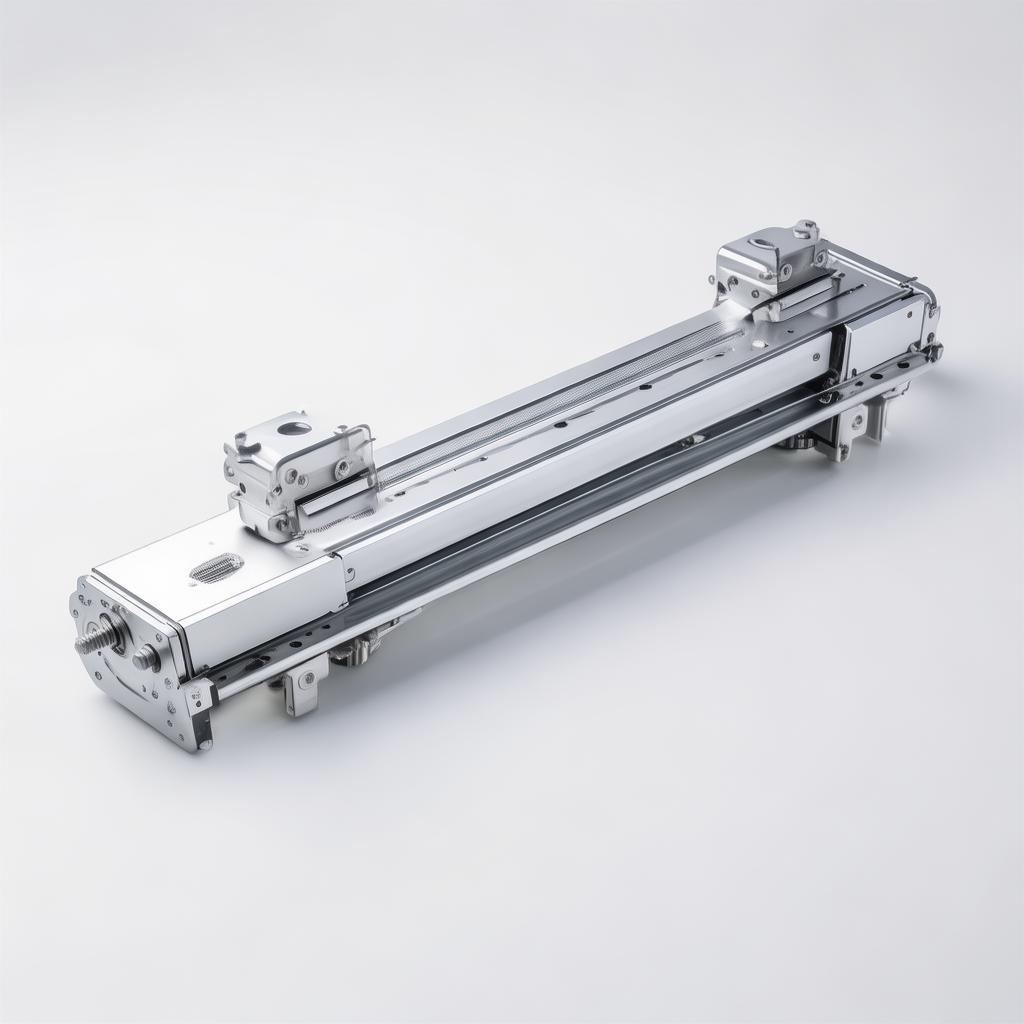
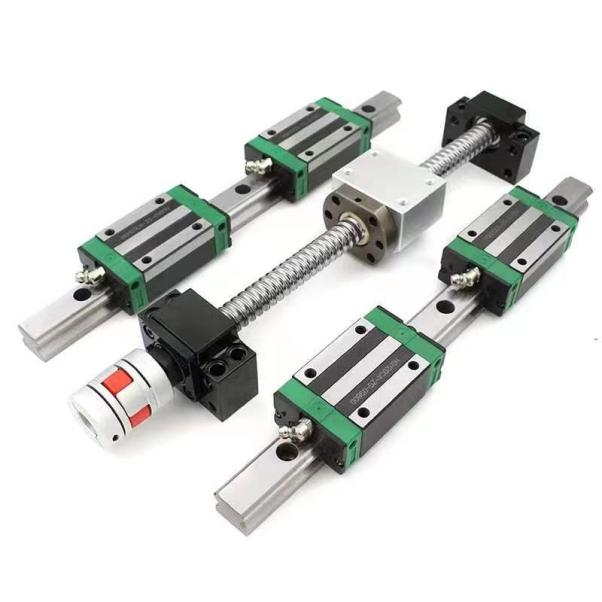
This isn't theory. Our factory team's run 100,000-unit batches for Japanese OEMs. Senior techs—30% of our 100-strong crew—bring 20+ years from Taiwan and Germany lines. We OEM for linear modules too, integrating ball screws with guides for plug-and-play axes.
Enough intro. Let's dive deeper. (Word count so far: ~850)
Ball Screw vs Lead Screw: Head-to-Head Breakdown
Side-by-side specs reveal why ball screws pull ahead in precision work. Lead screws hold their own in budget apps.
| Feature | Ball Screw | Lead Screw |
|---|---|---|
| Efficiency | 85-95% | 20-40% |
| Friction | Very low (rolling) | High (sliding) |
| Backlash | Near zero (preloaded) | Higher, adjustable |
| Load Capacity | High dynamic/static | Good static, lower dynamic |
| Cost | Higher | Lower |
| Self-Locking | No (needs brake) | Yes |
ball screw and lead screw ball screw lead ball bearing lead screw
That table sums it up. Ball screws excel where speed and accuracy count—like 5-axis mills. Lead screws? Perfect for lab jacks or slow-adjust mechanisms. We've swapped lead screws to ball in upgrades, cutting cycle times noticeably.
Where Ball Screws and Lead Screws Fit in Operations
CNC machines. First stop. Ball screws drive axes for micron feeds. A Midwest fabricator told us their old lead screw setup wandered 0.1mm; our C5 ball screws locked it down.
Automation lines next. Pick-and-place robots demand backlash-free motion. Lead screws suffice for z-axis holds.
- Packaging: Ball screws for high-speed fillers.
- Medical: Lead screws in adjustable beds—quiet, reliable.
- 3D Printers: Smaller ball screws for prosumer upgrades.
- Semicon: Ground ball screws, cleanroom spec'd.
- Material Handling: Heavy-duty lead screws for lifts.
Vertical apps favor lead screws' locking. We've shipped trapezoidal lead screws to US solar trackers—hold position in winds.
Installation tip: Align ball screws to 0.01mm/m parallelism. Misalign, and balls pit fast.
Smart Procurement for Ball Screw Lead Screw Buys
Don't chase rock-bottom quotes. Check dynamic load ratings—critical for lifespan. Ask for lead time proofs, not promises.
Steps we've refined:
- Define duty cycle: Continuous? Ball screw.
- Spec accuracy: C0-C10 for ball, T5-P for lead.
- Request samples. Test in-house.
- Verify certs: ISO9001, material reports.
- Negotiate MOQ: We drop to 5pcs for trials.
Risks? Undisclosed end-play in nuts. Always demand preload data. Logistics: Air for prototypes, sea for bulk—saves 70% on freight.
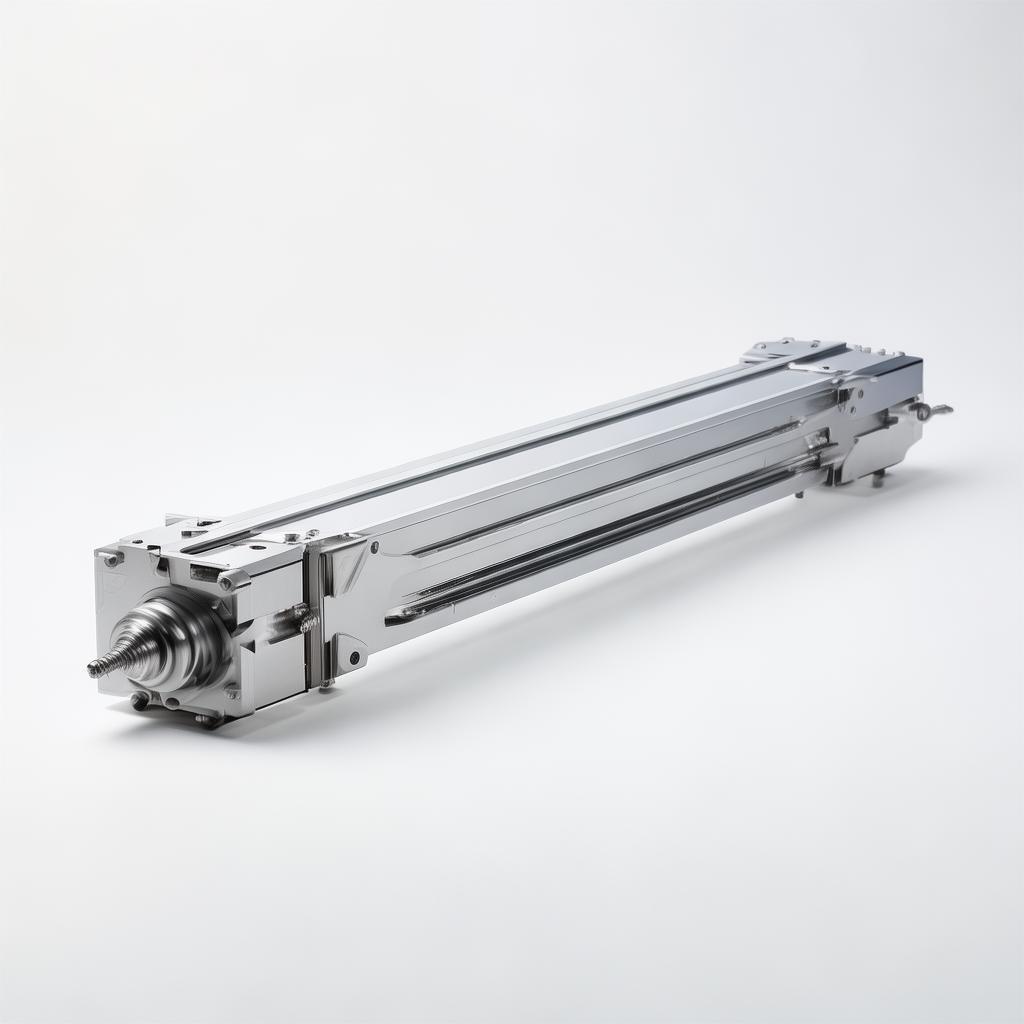
Pro Tip: For USA imports, pair with linear guides. We bundle for 10% savings.
Detailed Technical Specifications
| Model | Dia (mm) | Lead (mm) | Accuracy | Max Length (m) | Load (kN Dyn) |
|---|---|---|---|---|---|
| SFU1605 Ball | 16 | 5 | C7 | 3 | 4.2 |
| SFU2005 Ball | 20 | 5 | C5 | 4 | 6.8 |
| SFU2510 Ball | 25 | 10 | C3 | 5 | 12.5 |
| Tr8x8 Lead | 8 | 8 | T5 | 2.5 | 2.1 |
| Tr16x4 Lead | 16 | 4 | P5 | 3 | 5.3 |
Custom up to 100mm dia. Ground options available.
YIDI Motion: Factory Strengths and Export Reliability
Since 2020, we've scaled from startup to exporter hitting 50+ countries. 100 employees, 30% senior techs. German/Japanese CNC grinders ensure Ra0.8-1.6µm finishes.
Certifications: ISO9001:2015. Material certs per heat. CE, ROHS for exports.
- OEM/ODM: Full custom, from prototype to 10k runs.
- One-stop: Ball screws + guides + actuators.
- Shipping: +86 18134111662 | adam@yidimotion.com | Shijiazhuang, Hebei.
Addr: 16-1-1601 Aobeigongyuan, Chang'an District, Shijiazhuang City, Hebei Province, China.
Containers load 200-300pcs per 20ft. Duty-paid to US West Coast: 4 weeks.
Feedback from Global Buyers
John Reyes, Procurement Mgr, Texas CNC Shop: "Switched to YIDI ball screws from local stock. Half the backlash, double speed. Shipped fast to Houston."
Marie Lefevre, Ops Dir, French Automation: "OEM ball spline integration spot-on. CE docs saved us weeks."
Kenji Tanaka, Engineer, Japan Robotics: "Precision held after 10k cycles. Better than expected for price."
Sarah Kim, Supply Chain, California Med Device: "Lead screws for prototypes arrived dry-lubed. No issues."
Buyer FAQs: Ball Screw Lead Screw Essentials
Q: Ball screw or lead screw for high-speed CNC?
A: Ball screw. Efficiency keeps motors cool.
Q: Custom lengths possible?
A: Up to 6m. Supports included.
Q: USA shipping costs?
A: $1800-2500/20ft. DDP options.
Q: Preload options?
A: Fixed or adjustable nuts.
Q: Min order?
A: 1pc samples. Bulk discounts at 50+.
Ready to Spec Your Ball Screw Lead Screw?
Factory-direct pricing. Engineer support. Global delivery.
YIDI Motion | Precision Linear Motion Partner
By Li Wei, Export Director
15+ years in linear motion exports. Oversaw 500+ B2B deals to USA/EU.
Last updated: Oct 2026 | Contact: adam@yidimotion.com