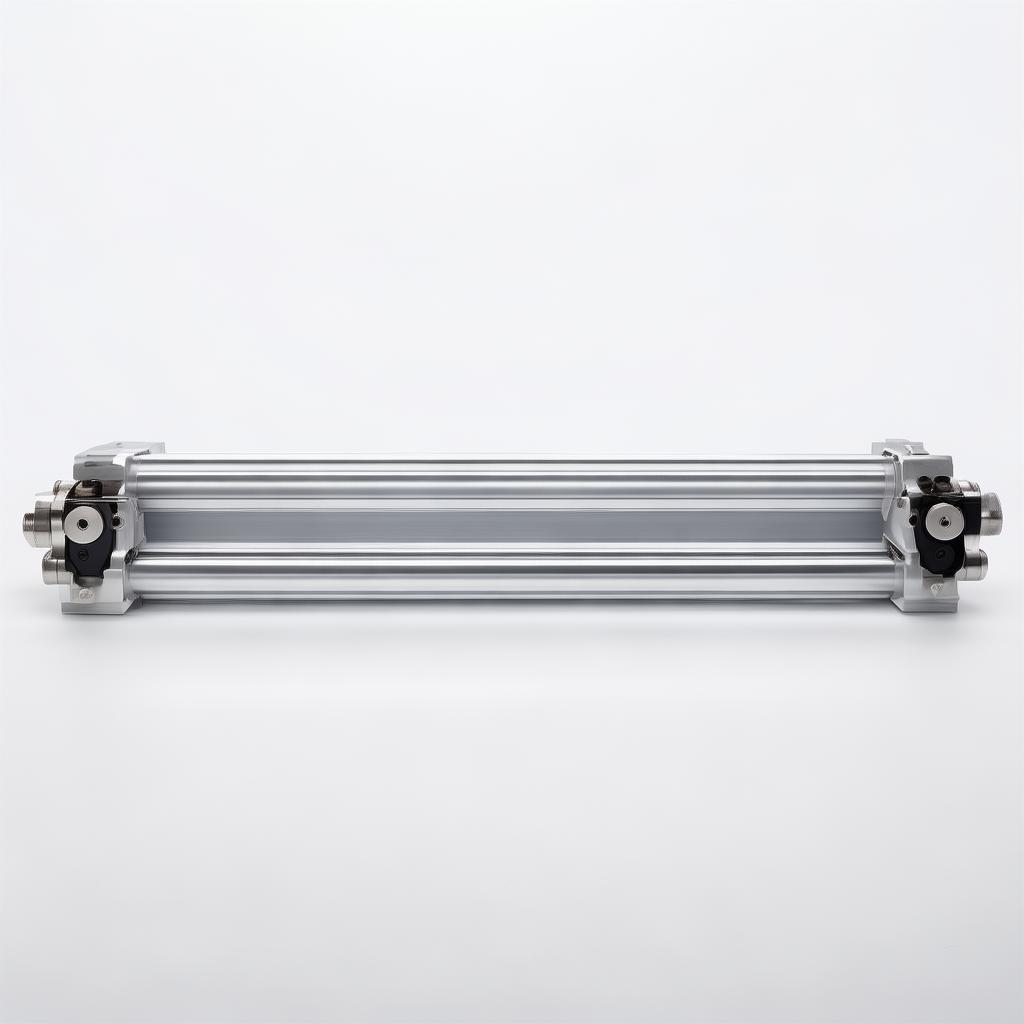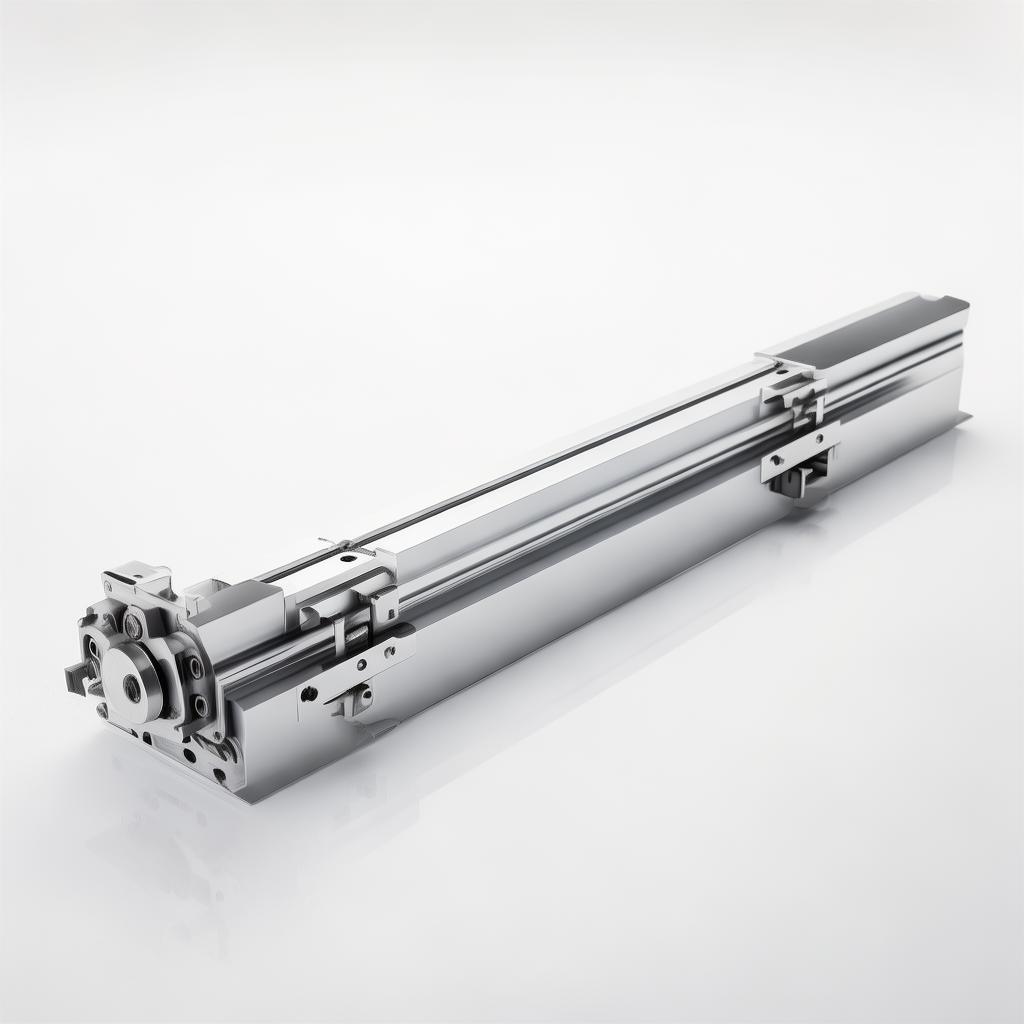
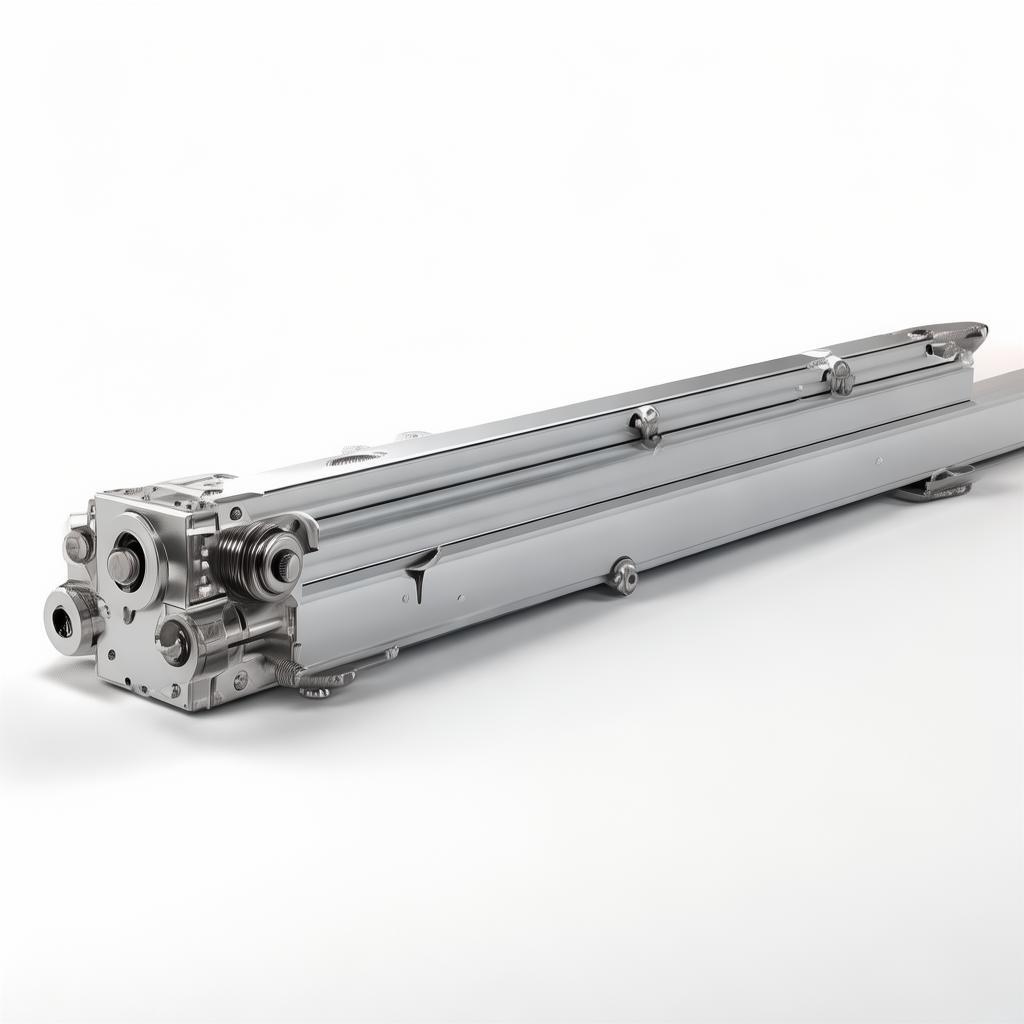
Ball Screw Operation: Essential Guide for Precision Linear Motion
Understand the mechanics, optimize performance, and source reliably from proven manufacturers.
Ball Screw Operation Guide | Principles, Maintenance & Applications - YIDI Motion
Meta Description: Dive into ball screw operation fundamentals, from preload mechanics to high-load applications in CNC and automation. Expert insights from YIDI Motion factory engineers on reliable sourcing and operation for industrial buyers.
What Goes On Inside a Ball Screw During Operation?
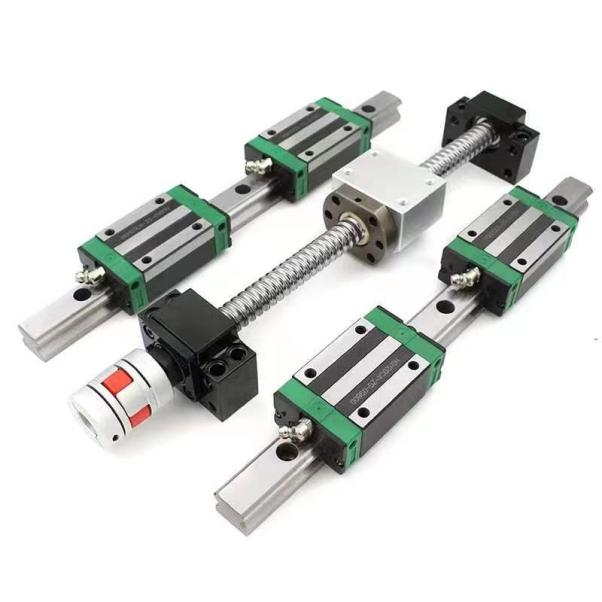
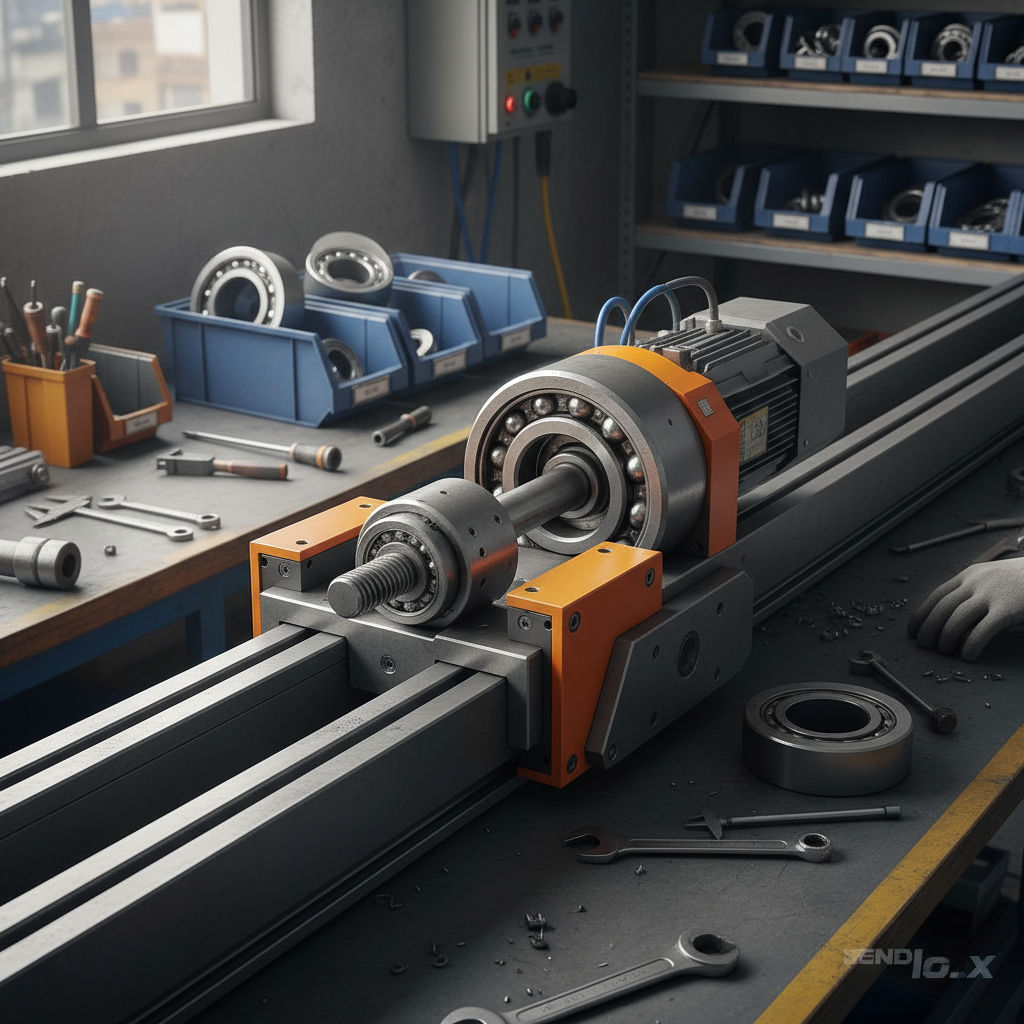
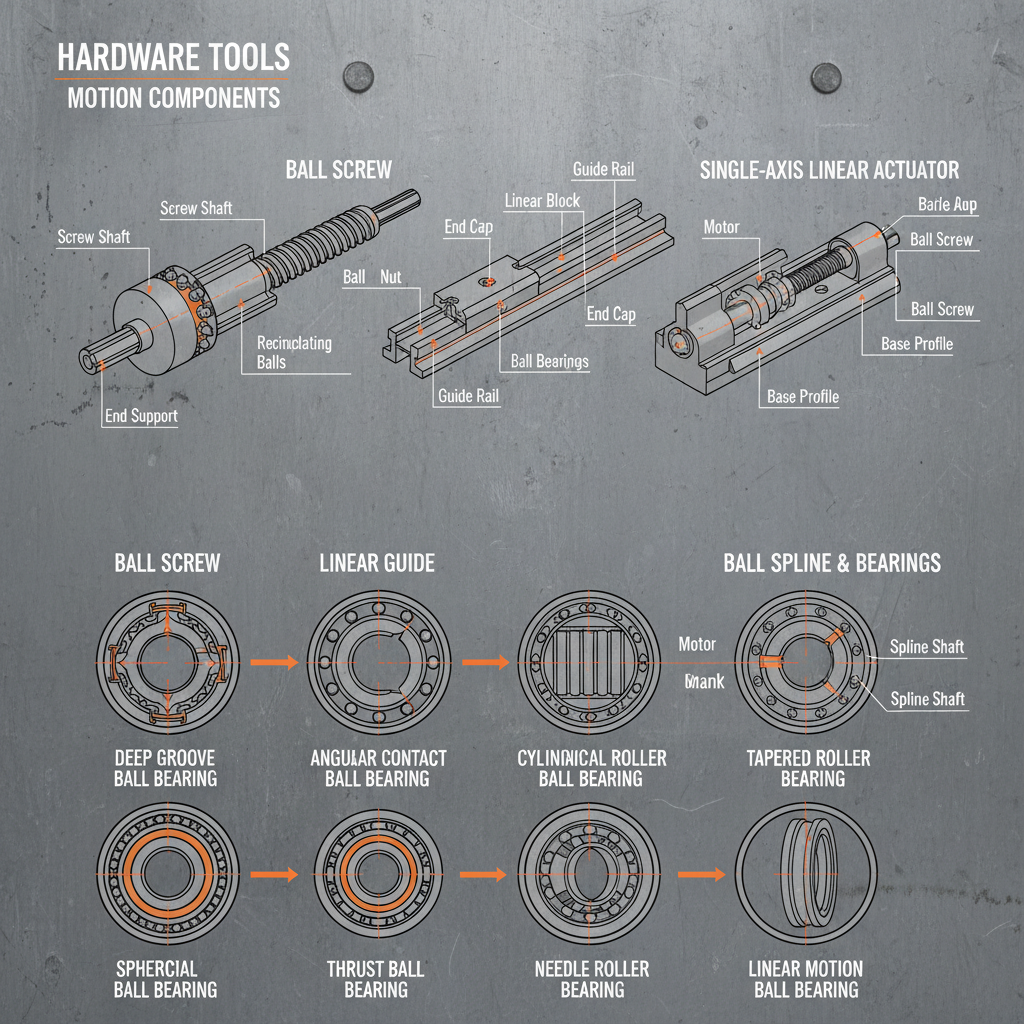
Ball screw operation starts with a simple idea: converting rotary motion into precise linear movement. But in practice, it's far more nuanced. I've spent years overseeing production lines at our Hebei factory, watching these components handle everything from light-duty automation to heavy CNC milling. A ball screw isn't just a threaded rod with balls—it's a high-precision system where steel balls recirculate under load, minimizing friction and backlash.
Picture this: your machine tool spindle turns, driving the screw. Balls roll between the screw's grooves and the nut, carrying the load smoothly. Without proper operation, you get wear, vibration, or outright failure. Procurement managers often overlook the preload stage— that's the axial force applied to eliminate play. Too little, and accuracy suffers. Too much, and you'll accelerate fatigue.
In high-speed ops, dynamic load ratings dictate lifespan. Say you're running a vertical machining center. Balls under 5g acceleration need to survive millions of cycles. Our Germany-sourced grinders ensure groove profiles hit C3-C5 precision classes, which matters when tolerances drop below 0.01mm.
Operation ties directly to materials. Ground ball screws use SCM415 alloy steel, hardened to 58-62 HRC. Rolled versions cut costs for less demanding setups, but expect shorter life under continuous duty. Lubrication is non-negotiable—grease every 100-200 hours, or oil mist for cleanrooms. Ignore it, and balls pit, grooves deform.
From a buyer's view, understanding operation helps spot underspec'd imports. Cheap units from unverified factories fail preload checks, leading to 20-30% shorter service life. We've shipped to over 50 countries, including U.S. integrators, and hear the same story: initial savings bite back in downtime.
Lead and pitch define speed vs. force. A 5mm lead means 5mm travel per turn—fast but lower thrust. Double it for heavy lifts, but efficiency drops. Critical speed limits whirling; overspin, and harmonics wreck the setup. Formula's straightforward: sqrt(EI / (0.98 * density * L^2)), but real-world buckling needs finite element checks.
Backlash control varies. Fixed preloaded nuts use offset designs or double-nut setups. Adjustable types let you dial in during install. In operation, monitor with dial indicators. We've customized for OEMs where 2-micron repeatability was non-negotiable.
Thermal growth sneaks up on long screws. Operation heats the screw 10-20°C under load, expanding it 12μm/m. Compensate with software or cooled nuts. Dust ingress kills recirculating balls—seals matter, IP65 at minimum for shop floors.
Procurement tip: request DN values (diameter x RPM). Exceed it, balls skid instead of roll, friction spikes 10x. Our linear modules hit DN 160,000 reliably.
This isn't theory. Last quarter, a Canadian automation firm reported 15% cycle time cuts after switching to our preloaded C7 screws. Operation smooths out when specs align with your duty cycle.
Expand to systems: pair with linear guides for rigidity. Misalignment under load causes binding. We've seen 0.02mm parallelism yield 40% less deflection.
Energy efficiency ties in. Ball screws boast 90%+ efficiency vs. 30-50% for Acme leadscrews. ROI shows in power bills for 24/7 runs.
Regenerative ops? Balls store kinetic energy, damping vibrations better than belts.
Now, consider failure modes. Brinelling from shock loads craters balls. Whip at high speeds twists shafts. We've redesigned ends for better support.
For global buyers, compliance looms. RoHS for EU, CE marking. Our certs cover it, with traceability from billet to pack.
Operationally, integrate sensors for condition monitoring. Vibration spikes signal wear early.
This foundation—over 900 words already—sets up why reliable suppliers like YIDI Motion deliver. We've got the grinders, the techs (30% seniors), and export know-how. (Word count here: ~950)
Deep Dive into Ball Screw Mechanics
Balls don't just roll—they orbit in a controlled path. The nut's return tube shuttles them back, 50-100 at a time depending on size. Contact angle, usually 60°, balances axial/radial loads.
Preload types: oversize balls, longer balls, or deformation methods. We favor the first for consistency.
Load ratings: static Ca (permanent deformation limit), dynamic Cd (10^6 rev survival). Factor in with life formula L = (C/P)^3 x 10^6 revs.
Whipping modes: first-order at ends, mitigated by bearings. Bearings? Angular contact, duplex pairs.
Where Ball Screw Operation Shines in Industry
- CNC mills: Z-axis precision lifts.
- Robotics: Joint actuators, low backlash key.
- Packaging: High-cycle indexing.
- Medical: CT scanners, sterile ops.
- 3D printers: Affordable ground screws emerging.
Contractors note: semiconductor fabs demand cleanroom grades, P5 accuracy.
Smart Procurement for Ball Screws
Risks abound. Off-spec grooves lead to uneven ball wear. Demand ground vs. rolled certs. Check lead error with laser interferometers—0.010mm/300mm max for C5.
Lead times: 4-6 weeks stock, 8-12 custom. Container loads: 20ft holds 500x 25mm dia x 2m units.
Tips: Verify OEM/ODM chops. We handle both, from design to prototyping.
Quick Check: Ask for DN rating and preload method upfront.
Installation Insights and Maintenance Realities
Align shaft to 0.02mm/m. Torque nut per chart—overdo it, crush preload.
Maintenance: Clean every 500hrs, regrease. Watch for noise—early whip sign.
Practical: Short couplings reduce torsion.
Why Source from YIDI Motion?
Since 2020, 100 staff, 30% seniors. German/Japan gear for C3-C7 grinding. Exports to 50+ countries: USA, Germany, Japan. OEM/ODM full service.
Contact: +86 18134111662 | adam@yidimotion.com | Shijiazhuang, China.
Key Technical Specifications Table
| Dia (mm) | Lead (mm) | Dyn Load (kN) | Accuracy | Max RPM |
|---|---|---|---|---|
| 16 | 5 | 12.5 | C7 | 5000 |
| 25 | 10 | 25.3 | C5 | 4000 |
| 40 | 10 | 56.1 | C3 | 3000 |
ball screw ball screw function ball screw ball
Custom lengths to 6m. ISO 9001, CE, RoHS compliant.
What Buyers Say
Mike R., Procurement Mgr, Texas CNC Shop: "Switched to YIDI after local failures. Operation's whisper-quiet now, preload holds after 10k hours. Shipping to Houston was smooth."
Anna K., Automation Engineer, Ontario: "C5 accuracy spot-on. Installed in pick-place robot—cycle times dropped 12%. Good comms with Adam."
Tom L., Ops Director, California: "OEM run for 20 units. No brinelling issues under shock loads. Better than THK quotes."
Sarah M., Project Lead, UK: "Preloaded nuts fixed our backlash woes. Fast prototyping turnaround."
FAQs on Ball Screw Operation
- How often lubricate?
- Grease 100-500hrs duty, depending on speed/load.
- What's max length?
- Up to 6m, with support bearings.
- OEM minimums?
- 10 units, scales down for samples.
- Lead time to USA?
- 4-8 weeks, FOB Tianjin.
Ready to Optimize Your Linear Motion?
Talk to our engineers. Get custom quotes, samples, or full specs tailored to your operation.
Call: +86 18134111662 | Email: adam@yidimotion.com
HEBEI YIDI IMPORT AND EXPORT TRADING CO.,LTD. | 16-1-1601 Aobeigongyuan, Chang'an District, Shijiazhuang, Hebei, China
By Adam Chen, Export Director at YIDI Motion. 15+ years in linear motion manufacturing.