Ball Screw Pitch: Selecting the Right Lead for Your Linear Motion Needs
Ball Screw Pitch Guide | Precision Leads for CNC, Automation | YIDI Motion
Meta Description: Understand ball screw pitch options from 2mm to 50mm leads. High precision ground ball screws for industrial OEM. Factory direct export pricing, specs, applications. Request quote today.
Procurement teams often overlook pitch when sourcing ball screws. It dictates speed versus load capacity. Get it wrong, and your machine bottlenecks or wears prematurely. We've seen importers chase cheap low-pitch units only to face backlash issues down the line.
At YIDI Motion, we've supplied over 50 countries with ball screws tuned to exact pitches. From our Hebei factory, we handle OEM specs daily. This guide breaks down pitch realities—no fluff, just what buyers need to spec correctly.
Table of Contents
What Exactly Defines Ball Screw Pitch?
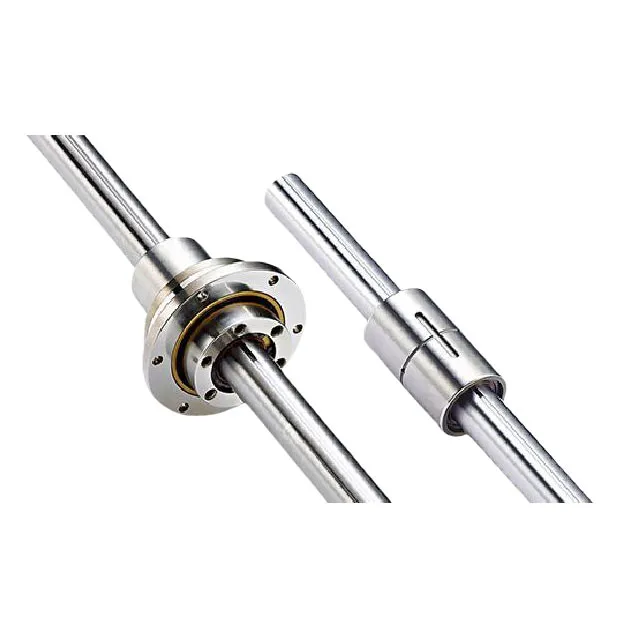
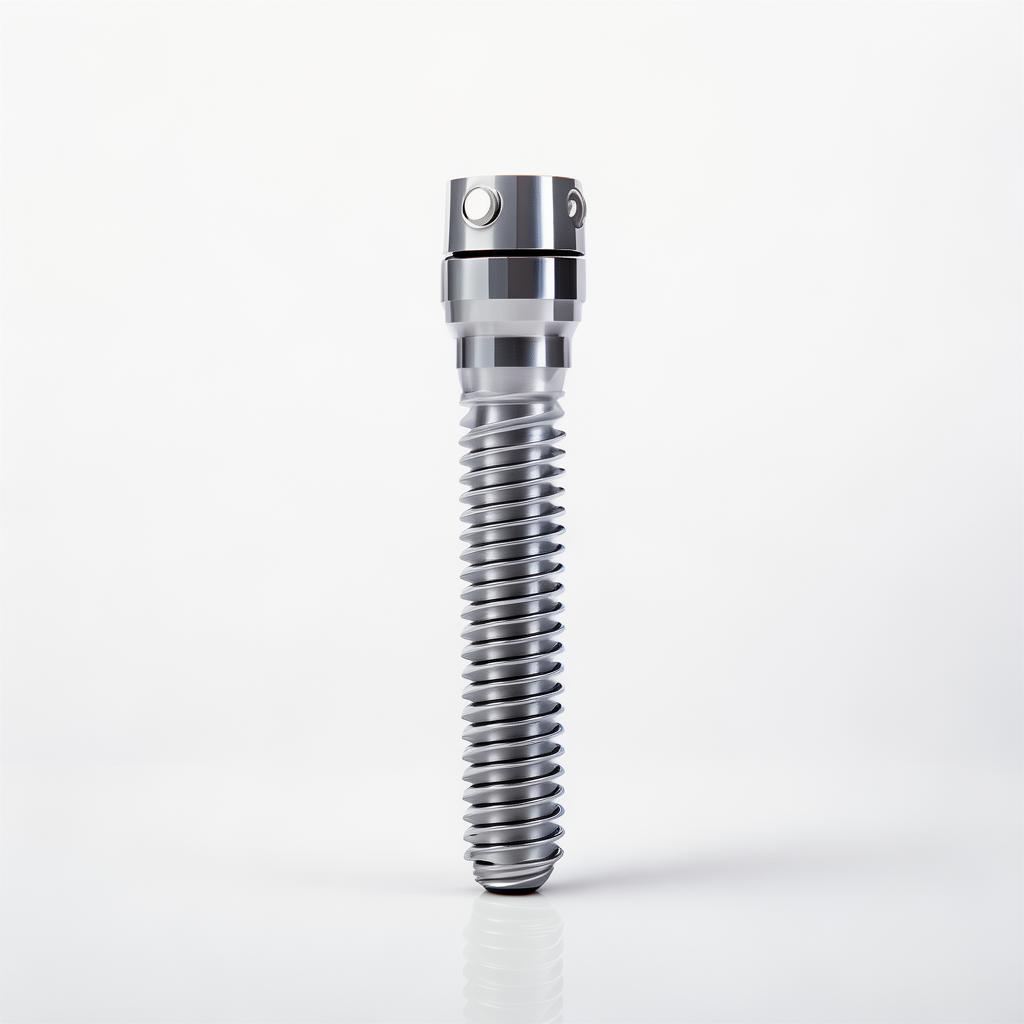
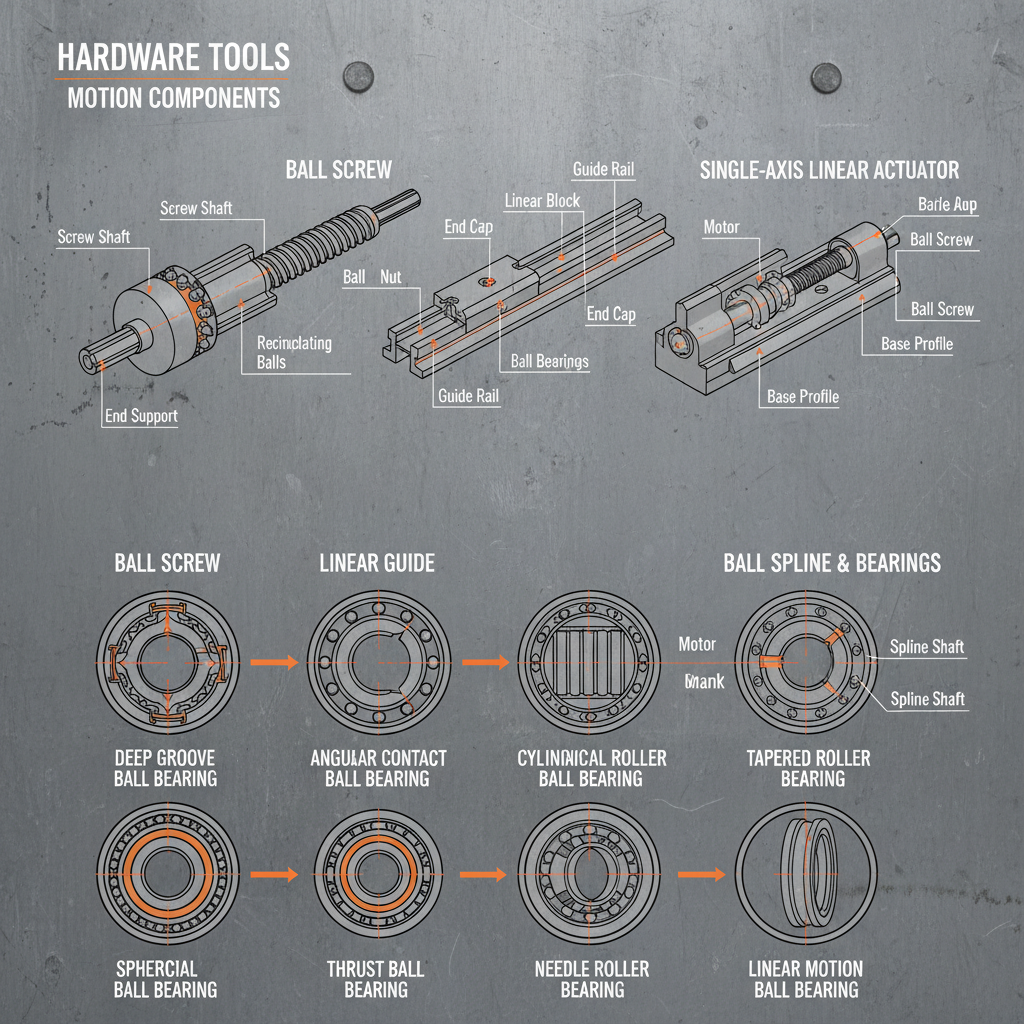
Ball screw pitch—sometimes called lead—is the linear distance the nut travels per full screw rotation. Measured in mm or inches, it ranges from 1mm fine pitches to 50mm+ for high-speed apps. Simple math: pitch = nut advance / 360° turn.
Engineers confuse pitch with something else sometimes. No, it's not thread spacing alone. In multi-start designs, lead (pitch) multiplies by starts. A 5mm pitch single-start gives 5mm/rev; double-start jumps to 10mm/rev. We precision-grind ours to ISO 3408 tolerances, hitting ±0.005mm accuracy on diameter and lead error.
Why care? Pitch balances speed, thrust, and efficiency. Low pitch (2-10mm): high load, precise positioning for CNC mills. High pitch (20-50mm): faster travel but less force—ideal for pick-and-place robots. Mismatch it, and your actuator chatters or heats up.
Our factory runs Japanese-imported grinders from DMG Mori. That lets us hit C3-C5 accuracy classes standard. Rolled ball screws? We do those too for volume OEM, but ground for precision. Pitch consistency matters most in dynamic loads—cumulative lead error under 52μm/300mm is our baseline.
Real talk from the shop floor: tolerances tighten for high-pitch units because whip increases. We've rejected batches where runout exceeded 0.003mm. Buyers importing to the US or EU appreciate this; it cuts their qualification time.
Dynamic efficiency hovers 90-95% across pitches. Static load? Up to 500kN on larger dia. But pitch dictates critical speed—formula's sqrt(EI / (pitch * load factor)). Exceed it, vibration kills the setup.
Preload options tie into pitch selection. Adjustable for low-pitch rigidity; fixed for high-speed. We nut-integrate preload via oversized balls, boosting stiffness 20-30% without backlash.
This isn't theory. Last quarter, a German CNC builder ordered 16mm pitch SFU1605 ballscrews. They needed 0.007mm/300mm accuracy for 5-axis mills. Delivered in 3 weeks, tested to DIN 69051.
Pitch Types: Fine Leads vs. Coarse for Different Loads
Fine pitches under 10mm excel in heavy-duty. Think 5mm lead on 20mm dia screw: packs more balls, handles 10kN+ thrust. But speed tops at 100m/min tops before resonance.
Coarse pitches shine in automation. 32mm pitch on 40mm dia? Zips 5m/min travel, perfect for gantry systems. Tradeoff: lower efficiency under load, more whip on long strokes.
- Low Pitch (1-10mm): Precision positioning, high resolution. Stepper motor friendly.
- Medium (10-25mm): Balanced for servos. Most OEM requests here.
- High (25mm+): Speed demons for packaging lines. Needs beefier bearings.
Custom pitches? Routine. We've cut 12.7mm imperial leads for US integrators. Material: SCM415H alloy, hardened to 58-62HRC. Nuts in PEEK or steel, per env needs.
Where Pitch Matters Most: Real-World Applications
CNC machines favor 5-16mm pitches. Keeps micro-stepping tight without overshoot. Injection molding presses? 20mm leads for platen speed, holding 50-ton clamps.
3D printers and XY plotters lean fine pitch for layer accuracy. Semiconductor wafer stages? Sub-2mm leads, C1 class.
Automotive test benches use variable pitch hybrids. Medical scanners: cleanroom-grade, low-vibration high pitch.
Logistics sorters blast with 40mm pitches. We've shipped thousands to DHL integrators in Canada—containerized efficiently.
Vertical apps demand low pitch to fight gravity sag. Horizontal? Go coarser to save servo power.
Buyer's Guide: How to Spec Ball Screw Pitch Right
Start with required travel speed and thrust. Calculate: Speed (m/min) = RPM * pitch (m/rev) * 60 / 1000. Thrust from torque: F = 2π * torque / pitch.
Factor stroke length. Over 2m? Brace the screw or drop pitch to curb deflection.
Mounting type: Fixed-fixed boosts critical speed 4x vs. supported. Preload if reversing loads.
Budget tip: Rolled for prototypes, ground for production. Lead times: 15 days stock pitch, 30 for custom.
Quick Calc Tool: For 2000 RPM, 10mm pitch: ~120 m/min max speed. Adjust dia for load.
Verify supplier via sample. We send preload-tested nuts free on MOQ.
Pitfalls We've Seen in Pitch Selection
Importers chase max speed, pick high pitch—then overload fries balls in weeks. Low pitch on lightweight arms? Overkill torque, heats drivers.
Forget cumulative error. Cheap imports drift 0.1mm/1000mm. Our C5 holds 0.018mm/300mm.
Whip on unsupported lengths. Rule: L/dia ratio under 50:1 for high pitch.
Dirt ingress kills any pitch. Spec wipers and seals upfront.
Ball Screw Pitch Specs Comparison Table
| Pitch (mm) | Dia (mm) | Accuracy Class | Dyn Load (kN) | Max Speed (m/min) | Applications |
|---|---|---|---|---|---|
| 5 | 16 | C5 | 12.5 | 80 | CNC Z-axis |
| 10 | 20 | C3 | 18.2 | 120 | XY Gantries |
| 16 | 25 | C5 | 25.4 | 150 | Milling |
| 32 | 40 | C7 | 45.6 | 200 | Packaging |
ball screw ball screw ball nook ball screw
Custom dia/pitch on request. All per ISO 3408-3. Preloaded nuts add 15% stiffness.
Installation Tips for Optimal Pitch Performance
Align screw ends parallel within 0.02mm/m. Use dial indicators. Torque nuts to spec—overtighten preloads prematurely.
Lube with lithium grease NLGI 2. Interval: 100km travel or 3000hrs. High pitch needs more frequent checks.
Mount bearings angular contact, duplex pair for thrust. Avoid overhung loads.
Short sentence: Test runout post-install. Under 0.005mm TIR, good to go.
Logistics: Getting Your Ball Screws from Hebei to You
FOB Xingang port. 20ft container holds 500-1000 units. LCL for samples.
Lead: 7-15 days sea to LA/Long Beach. DHL express 3-5 days.
Packing: Foam + plywood crates. Vibration-proof. Duties? HS 8483.4000.
YIDI Motion Factory Strengths
100 staff, 30% seniors. German/Japanese CNC grinders. 50+ countries exported: USA, Germany, Japan.
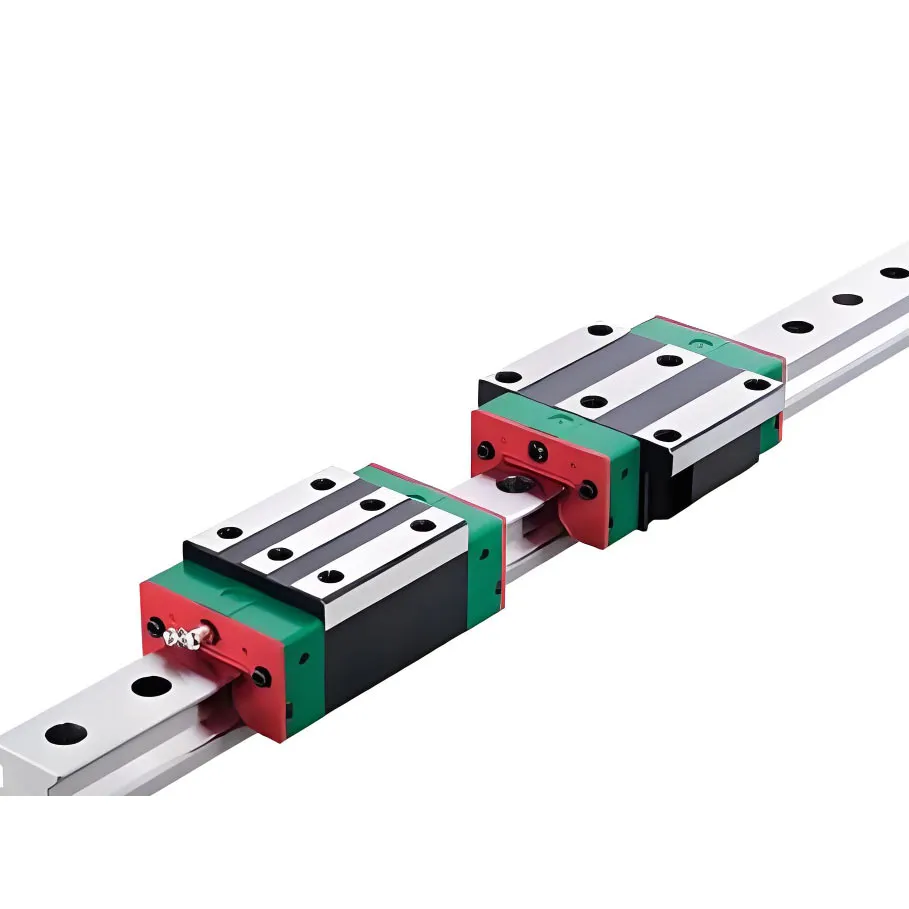
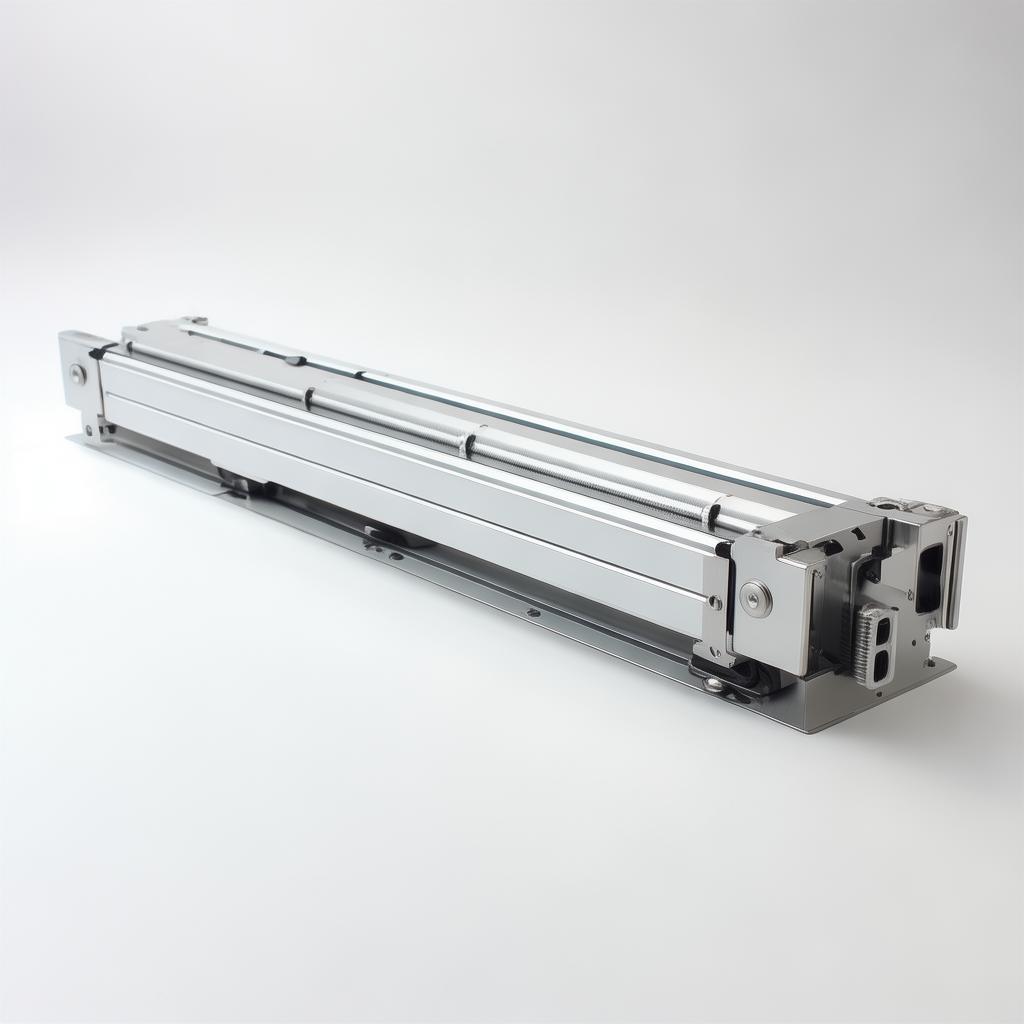
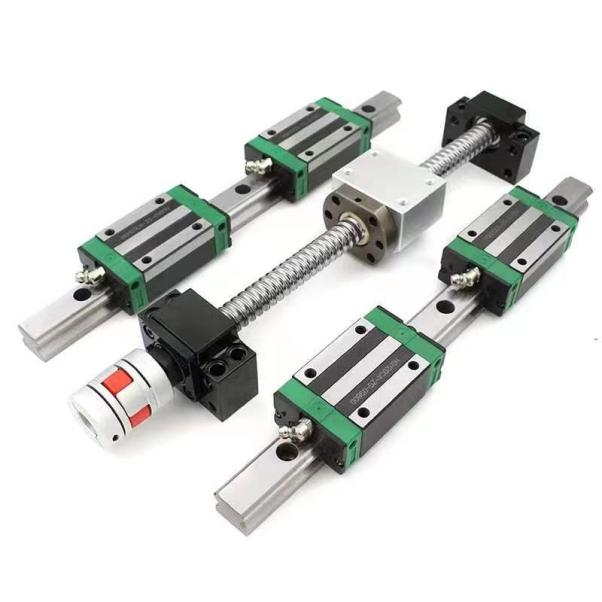
OEM/ODM full service. One-stop linear motion: ballscrews, guides, actuators.
Certs: ISO9001, CE, RoHS. Test lab on-site.
Contact: +86 18134111662 | adam@yidimotion.com | Shijiazhuang, Hebei.
What Buyers Say
Mike R., Procurement Mgr, Texas CNC Shop: "16mm pitch units arrived perfect. C5 accuracy cut our tuning time in half. Solid exporter."
Anna K., Automation Eng, Ontario: "High 32mm pitch for sorters. Fast ship, no customs hassles. Preload held up under 24/7."
Carlos M., Mexico Importer: "Custom 8mm lead. Factory tour impressed. Quality beats Taiwan at half price."
Tom S., US Distributor: "Rolled low-pitch stock ready. Logistics smooth to Chicago."
Frequently Asked Questions
Q: What's the difference between pitch and lead?
A: Same thing usually. Lead is total advance per rev; pitch per start. Multi-start: lead = pitch x starts.
Q: Can you match US TPI standards?
A: Yes, imperial pitches like 0.2" lead standard.
Q: Min order for custom pitch?
A: 10 units. Samples available.
Q: How to measure pitch error?
A: Laser interferometer best. We certify all outgoing.
Q: High temp apps?
A: Up to 120°C with special lube. Viton seals option.
Ready to Spec Your Ball Screw Pitch?
Get factory-direct pricing, samples, or engineer consult.
+86 18134111662 | adam@yidimotion.com
By Adam Li, Export Director, YIDI Motion
Hebei YIDI Import & Export Trading Co., Ltd. | Est. 2020 | 16-1-1601 Aobeigongyuan, Chang'an District, Shijiazhuang, China