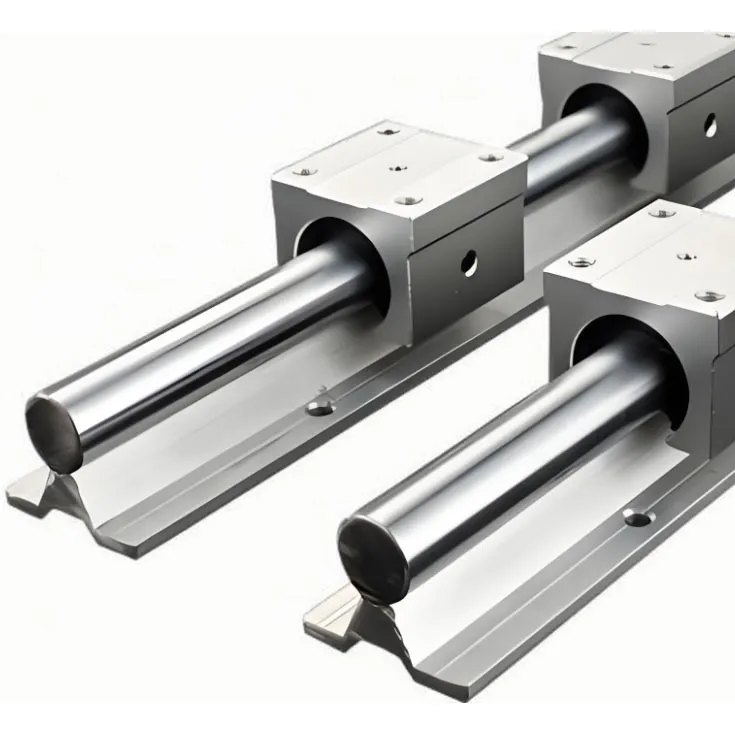
Ball Bearing Description: Engineering Precision for Demanding Industrial Loads
From high-speed spindles to heavy-duty conveyors, our precision ball bearings deliver reliable performance. Factory-direct from YIDI Motion—OEM/ODM specialists serving global importers.
Request Custom Specs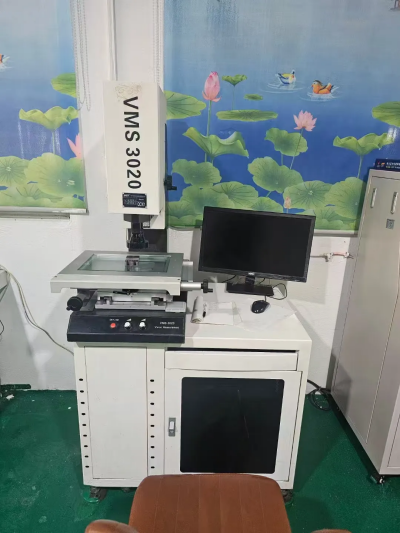
Table of Contents
Procurement teams often start with a simple search: ball bearing description. It's not just about rolling elements in a raceway. These components anchor entire production lines. One undersized bearing fails, and downtime costs thousands.
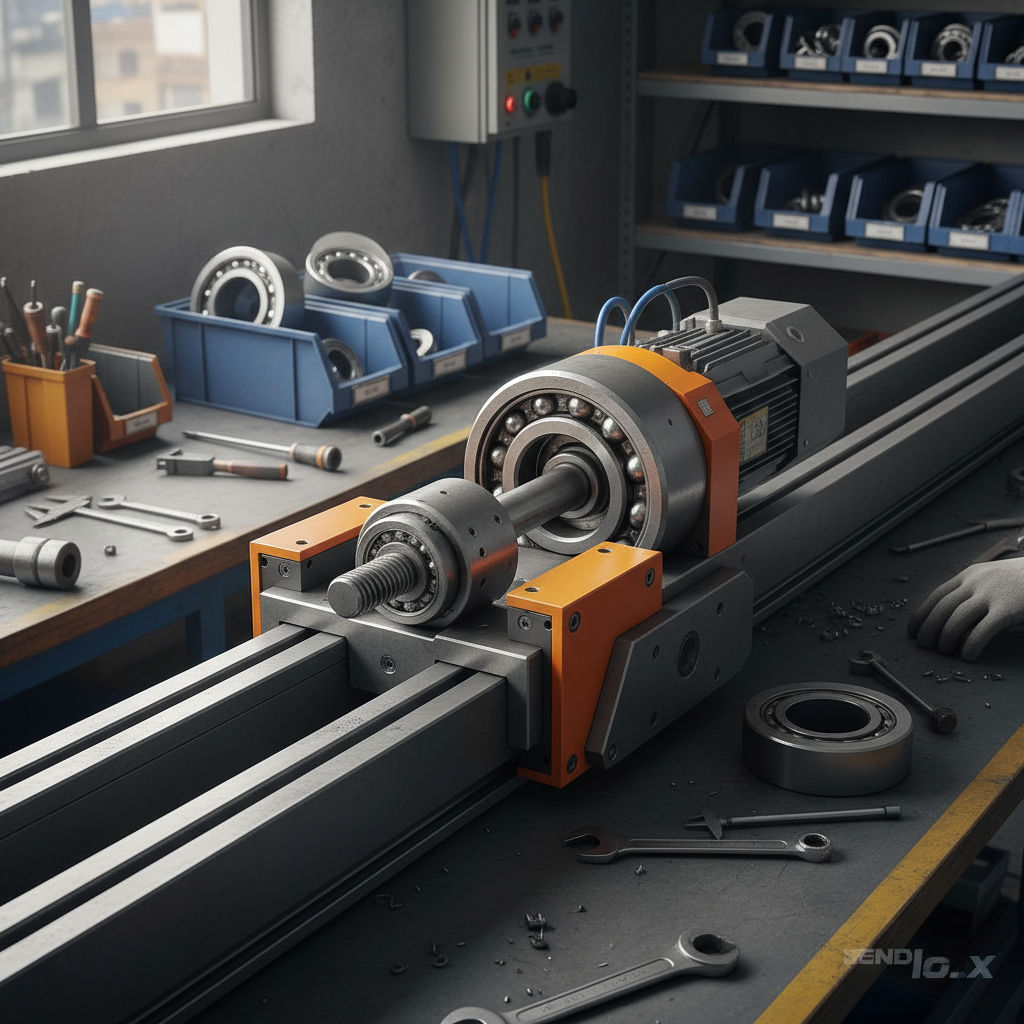
At YIDI Motion, we've supplied over a million units since 2020. Our bearings handle everything from CNC machines to automotive assemblies. Chrome steel deep groove? Miniature precision? We cover it. Let's break down what makes a quality ball bearing tick—from materials to tolerances.
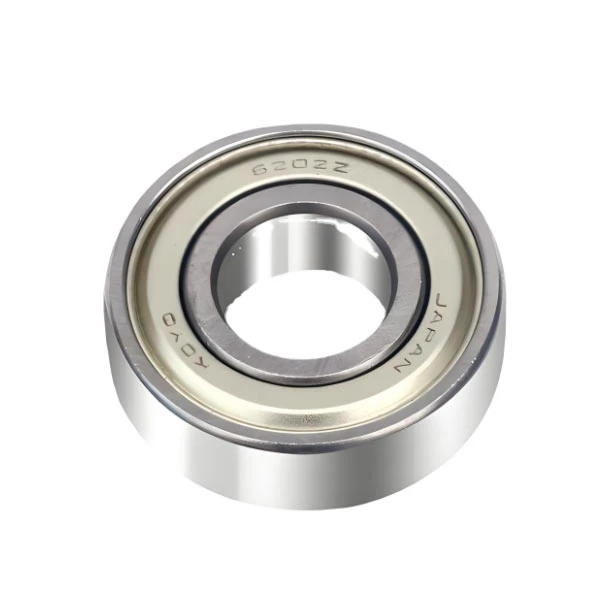
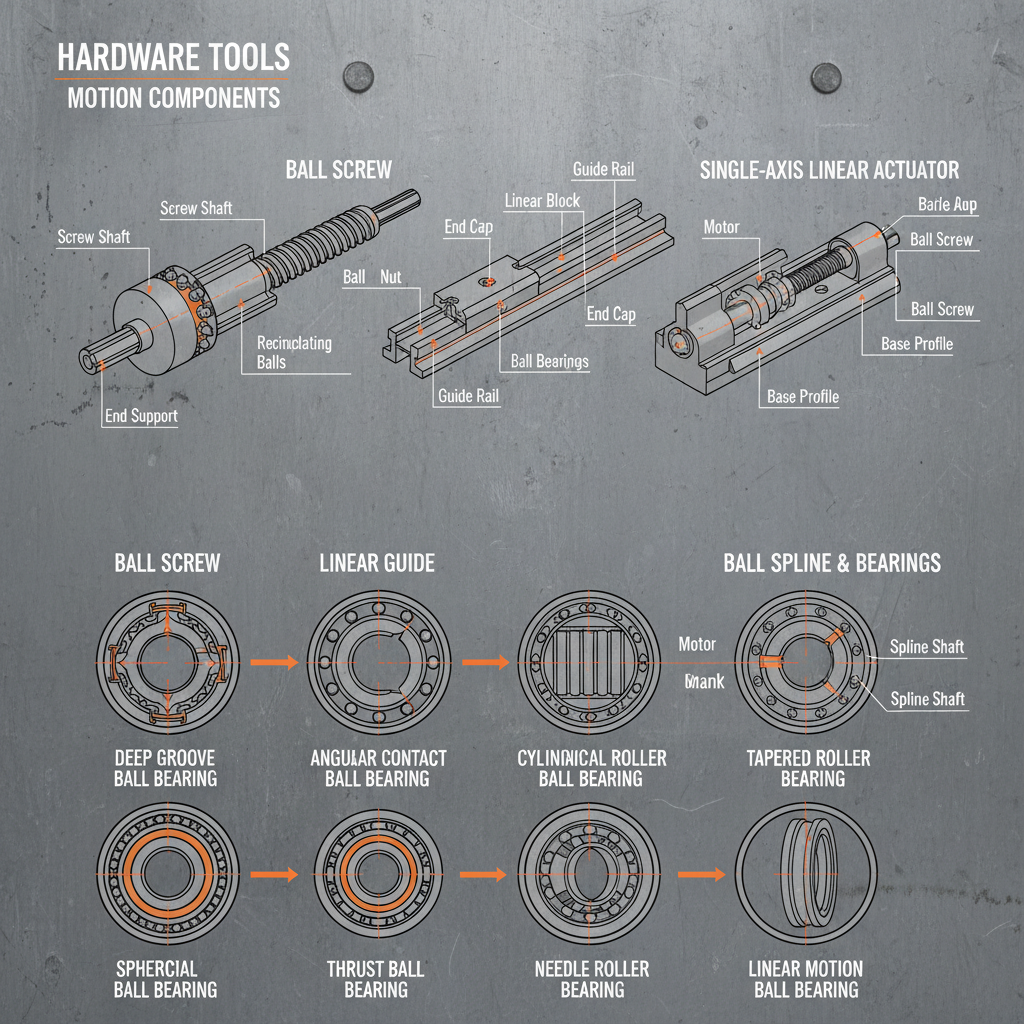
Ball bearings reduce friction by placing balls between an inner and outer ring. The design supports radial and axial loads, depending on the type. Deep groove versions dominate general use; angular contact ones excel in thrust-heavy setups. Sizes range from 1mm bores for instruments to 500mm+ for mining equipment.
Materials matter most. Chrome steel (GCr15) offers the baseline for strength and fatigue resistance. Stainless steel (AISI440C) fights corrosion in food processing or marine environments. Ceramic hybrids boost speed ratings but hike costs. We source from vetted mills, heat-treated to Rockwell C58-65 hardness.
Cage design influences performance. Steel cages suit standard duties; brass or polyamide shine at high temps or low noise. Seals—rubber or metal—keep grease in, contaminants out. Contact seals add drag but extend life; non-contact prioritize speed.
Tolerances follow ABEC/ISO standards. ABEC-1 suits casual apps; ABEC-5 or higher demands precision machining. Dynamic load ratings (C) predict L10 life—90% survival at millions of revolutions. A 6205 bearing might rate 14kN radially.
Buyers overlook radial play. Too loose, vibration creeps in. Too tight, heat builds. We spec 0-13 microns for most series. Lubrication? Grease-packed for life in sealed units; oil baths for high-speed spindles. Relubrication intervals depend on speed factor—aim for DN values under 400,000.
Production starts with wire drawing for rings, cold heading for balls. Grinding ensures sphericity to grade 10 or better. Assembly under cleanroom conditions avoids early pitting. Our German-imported grinders hit micron precision; Japanese washers detect flaws.
Common pitfalls? Overspeeding without hybrid balls. Misaligning shafts—angular contact bearings forgive up to 2 degrees. Thermal expansion mismatches. We've seen importers swap cheap imports after 6 months; our repeat rate exceeds 85%.
For OEMs, customization runs deep. Non-standard bores? Flanged OD? Special coatings like PTFE for low-friction? Lead time: 15-30 days for prototypes, 45 for volume. MOQ starts at 100 pieces, scaling to containers.
Global trade shifts favor direct-from-factory. Skip middlemen; land CIF USA at competitive rates. Our exports hit 50+ countries—Germany's automation firms, US conveyor builders, Japan's robotics integrators.
This isn't brochure talk. Last quarter, a Texas fabricator cut failures by switching to our ABEC-3 series. They run 24/7 now. What’s your load case? Radial heavy? Thrust combo? We match it.
Keep reading for specs, apps, and how to spec yours right. Or jump to contact for a free sample pack.
Technical Deep Dive: Anatomy of a Ball Bearing
Dissect one: inner ring, balls, outer ring, cage, shields/seals. Races ground concave to cradle balls perfectly. Ball diameter to groove radius ratio optimizes load zone—typically 4-6% deformation under max load.
Load zones activate 60-120 degrees of balls. Pure radial: symmetric. Axial: biased. Preload eliminates play but generates heat. Matched pairs common in spindles.
Vibration analysis reveals issues early. ISO 15243 catalogs failure modes—fatigue (80%), contamination (20%). Proper storage: vertical racking, 20C/50% RH.
Testing? We run Weibull analysis on batches. PV factor (pressure x velocity) guides selection—under 400,000 MPa-mm/s for grease.
Features That Drive Procurement Decisions
- Material Grades: GCr15 chrome steel standard; 440C stainless optional. Hardness 60-65 HRC.
- Precision Classes: P0 to P4 (ABEC-1 to ABEC-7). Runout under 5 microns.
- Sealing Options: ZZ metal shields; 2RS rubber seals; open for custom lube.
- Cages: Pressed steel, machined brass, glass-fiber PA66.
- Load Ratings: Basic dynamic up to 200kN; static to 100kN.
These aren't specs on paper. They translate to uptime. A Midwest pump maker told us our sealed 6300 series outlasted competitors by 18 months in slurry service.
Quick tip: For dusty sites, prioritize labyrinth seals. Saves rebuilds.
Applications Across Industries
Auto: Wheel hubs, transmissions. Loads 5-50kN, speeds 5,000 rpm.
Machine Tools: Spindles demand P4 precision, ceramic upgrades.
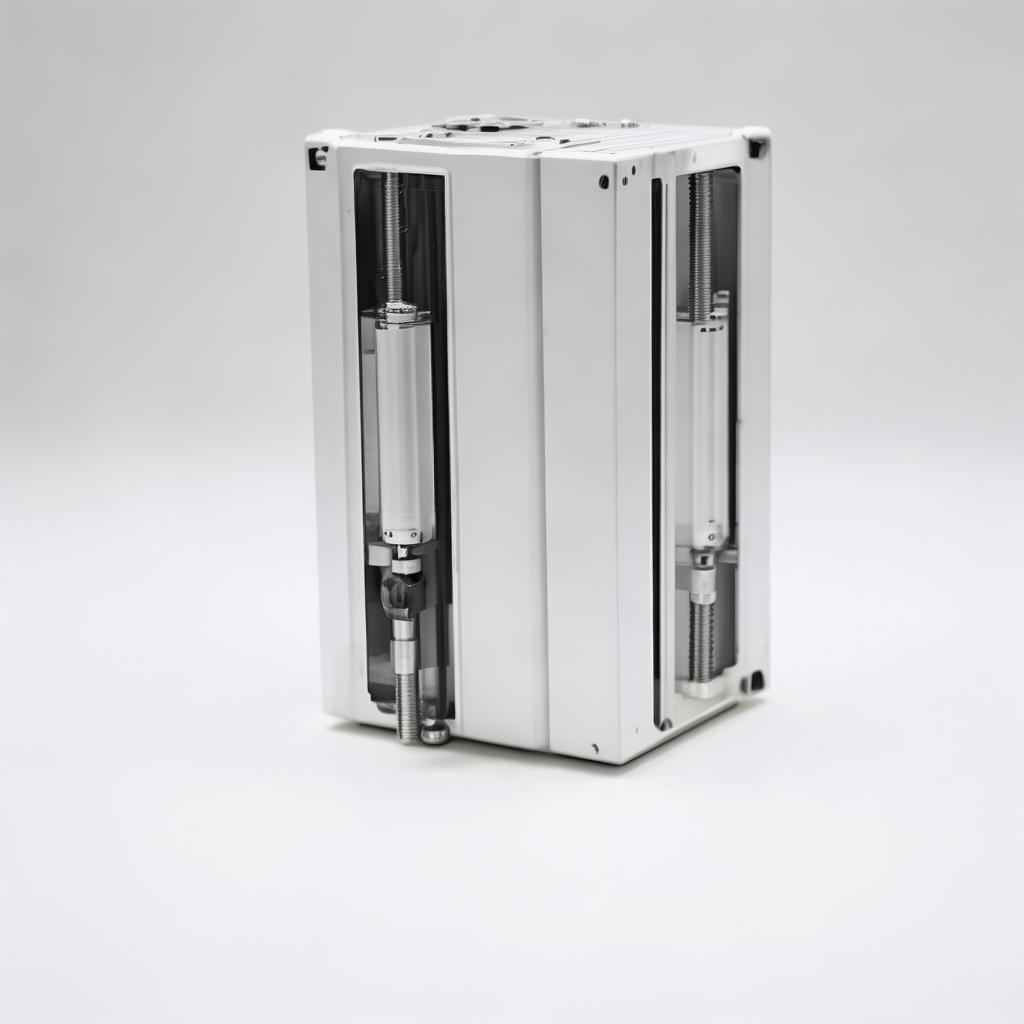
Conveyors: Idlers run continuous—sealed deep groove thrives.
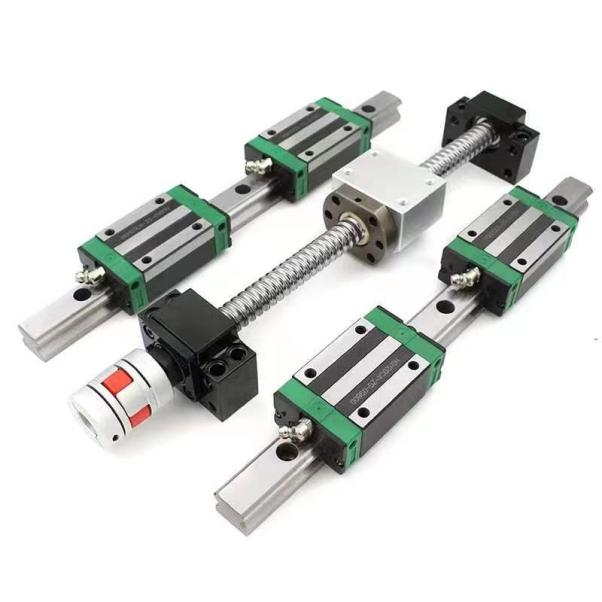
Robotics: Linear motion pairs with our ball screws.
Food/Pharma: Stainless, FDA-greaseless options.
Case Note: Vietnamese furniture line used our 608ZZ minis for drawer slides. Cut drag by half vs. plastic alternatives.
Your Step-by-Step Buyer's Guide
- Define loads/speeds. Use C/P ratio under 10 for L10 over 20,000 hours.
- Match tolerances to shaft/housing fits—h6/g6 typical.
- Factor environment: IP rating for washdown.
- Request sample testing.
- Negotiate OEM tooling for volume.
Common mistake: Ignoring equivalent dynamic load. Combine radial/axial with factor X,Y.
Talk to our engineer—we'll run your calcs.
Technical Specifications Table
| Model | Bore (mm) | OD (mm) | Width (mm) | Dyn Load (kN) | Sta Load (kN) | Speed (rpm) |
|---|---|---|---|---|---|---|
| 6005 | 25 | 47 | 12 | 5.85 | 3.3 | 14000 |
| 6205 | 25 | 52 | 15 | 14 | 7.8 | 12000 |
| 6305 | 25 | 62 | 17 | 22.5 | 11.6 | 10000 |
| 608ZZ | 8 | 22 | 7 | 1.36 | 0.51 | 34000 |
Full catalog on request. Custom sizes available.
YIDI Motion Factory: 100% In-House Control
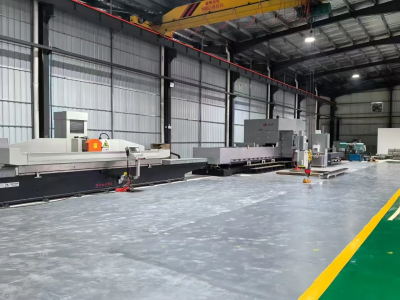
Shijiazhuang base, 100 staff. 30% senior techs. German Walters grinders, Japanese Okuma lathes. Cleanrooms for assembly. ISO 9001 certified.

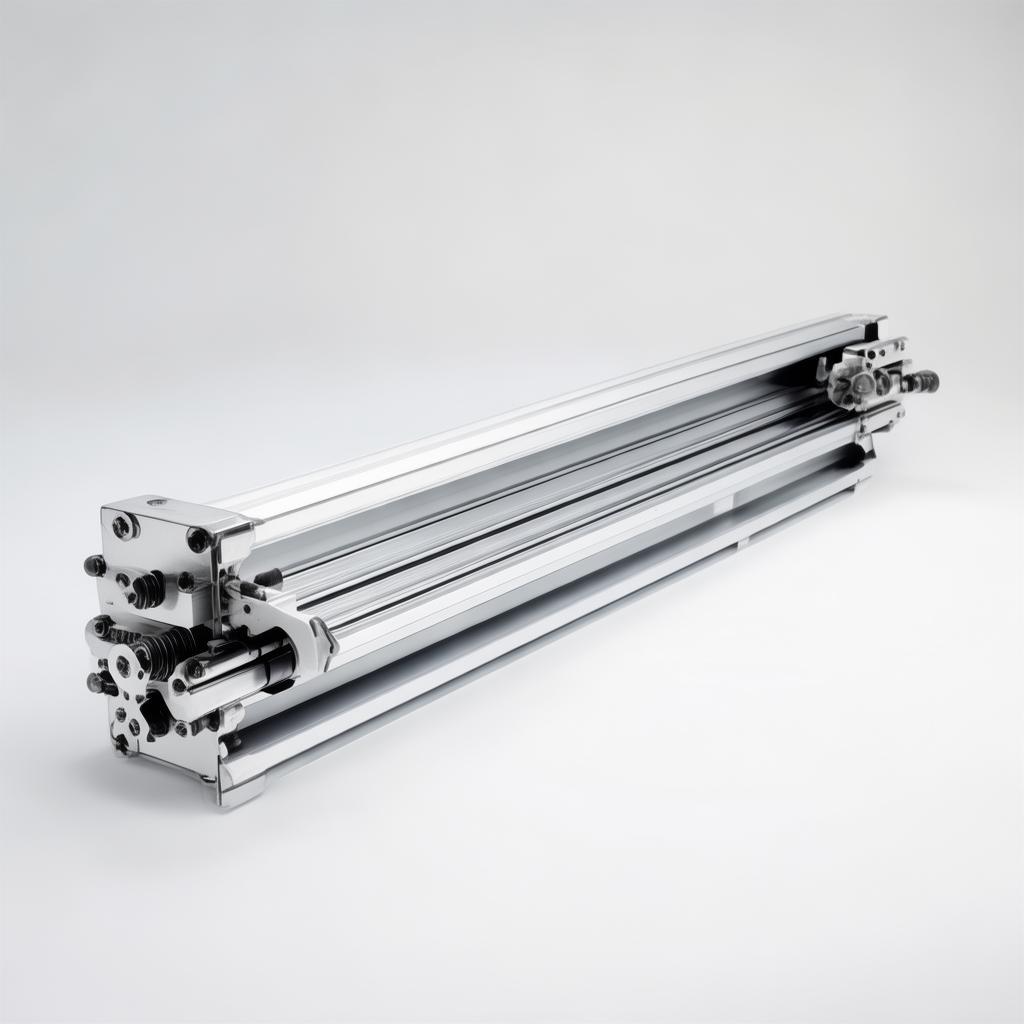
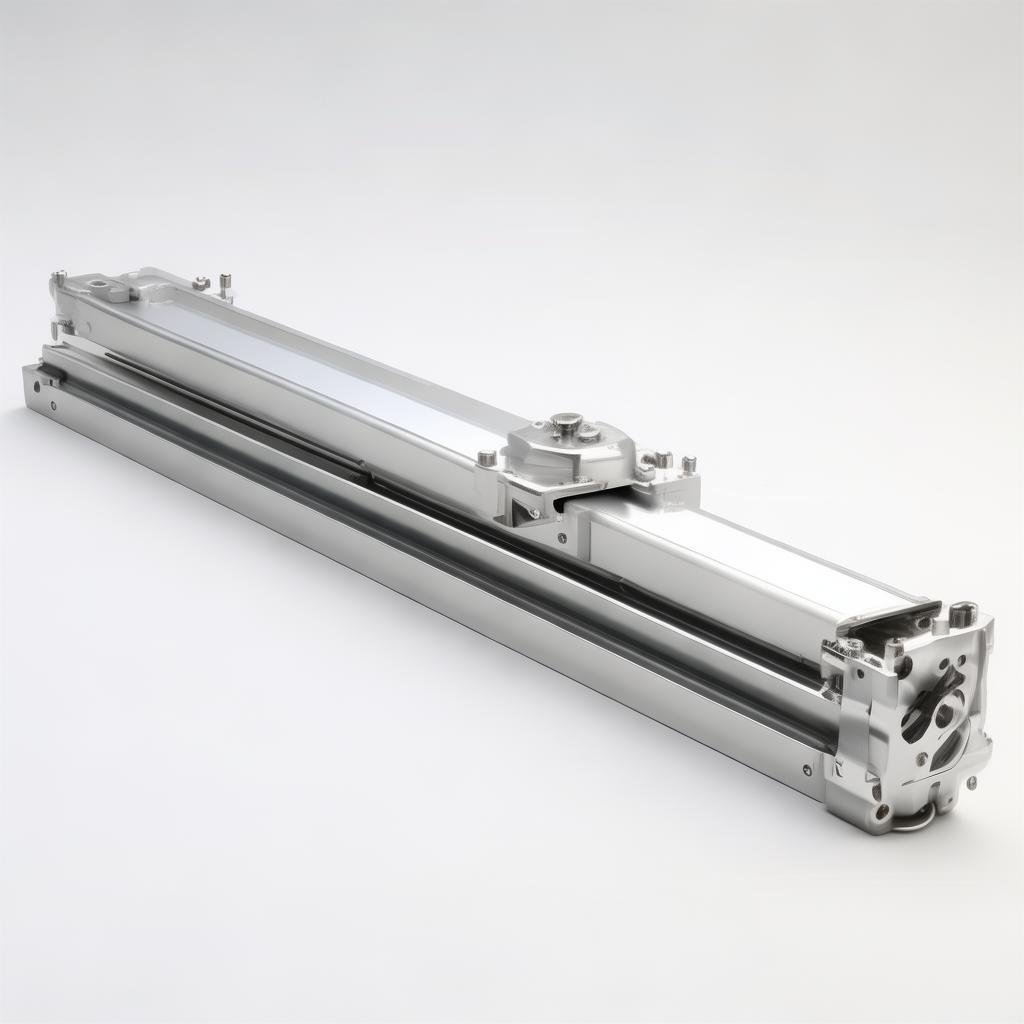
Exports to USA, EU, Japan. 20HQ/month capacity. OEM for linear guides too—pair with bearings for full motion systems.
Our edge: Vertical integration. Wire to pack. No sub-tier risks.
Logistics: From China to Your Dock
CIF/FOB options. LCL for samples, 20GP for 10k+ pcs. Lead: 7 days air, 25 sea to LA. Duty code 8482.10. Wood-free packing. Tracking via seaexplorer.
Watch for: Humidity control in transit. Vertical stacking max 1.2m.
Get a shipping quote with your volume.
Frequently Asked Questions
- What’s the difference between deep groove and angular contact?
- Deep groove for radial primary; angular for combined loads.
- Can I get ceramic balls?
- Yes, hybrids for ultra-high speeds. +50% cost.
- MOQ for OEM?
- 100 pcs prototype; 1k production.
- Warranty?
- 12 months or 10k hours.
- Lead time for custom bore?
- 20-40 days.
What Our Industrial Buyers Say

John M., Texas Conveyor OEM: "Switched to YIDI 6200 series after local failures. Running smooth at 1.5k rpm. Delivery hit ETA."

Maria G., Ontario Robotics: "608 minis perfect for actuators. Low noise, precise. OEM labeling no issue."

Raj P., Mumbai Distributor: "Competitive on 6300 deep groove. Container packed tight—zero damage."
Ready to Spec Your Ball Bearings?
ball bearing ball bearing type ball bearing ball
HEBEI YIDI IMPORT AND EXPORT TRADING CO.,LTD. | +86 18134111662 | adam@yidimotion.com
16-1-1601 Aobeigongyuan, Chang'an District, Shijiazhuang City, Hebei Province, China
Get Factory Quote NowWritten by Li Wei, Export Director at YIDI Motion. 15+ years in linear motion exports.